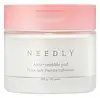
This acne toner pad uses a pre-saturated pad with Betaine Salicylate and Melaleuca Alternifolia Leaf Oil to clear breakouts and refine the look of pores.
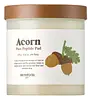
This pore-care toner pad uses a pre-saturated pad with Niacinamide and Gluconolactone to refine the look of pores and refine skin texture.

What's inside
What's inside
 Key Ingredients
Benefits
Concerns
Ingredients Side-by-side
Water
Skin ConditioningDipropylene Glycol
HumectantButylene Glycol
Humectant

1,2-Hexanediol
Skin Conditioning
Hydroxyacetophenone
Antioxidant
Betaine Salicylate
Antimicrobial





Octyldodeceth-16
EmulsifyingHydroxyethyl Urea
Humectant
Tromethamine
BufferingBetaine
Humectant
Sodium Citrate
BufferingCitric Acid
Buffering

Disodium EDTA
ChelatingMelaleuca Alternifolia Leaf Oil
Antioxidant



Glycerin
Humectant
Gluconolactone
Chelating


Allantoin
Skin Conditioning
Panthenol
Skin Conditioning
Pentylene Glycol
Skin Conditioning
Cryptomeria Japonica Leaf Extract
HumectantNelumbo Nucifera Leaf Extract
Skin ConditioningSaccharomyces Ferment Filtrate
Humectant
Centella Asiatica Extract
Cleansing
Gypsophila Paniculata Root Extract
Skin ConditioningCapryloyl Salicylic Acid
Exfoliating

Beta-Glucan
Skin Conditioning
Ethylhexylglycerin
Skin ConditioningAspartic Acid
Masking
Acetyl Hexapeptide-8
Humectant
Water, Dipropylene Glycol, Butylene Glycol, 1,2-Hexanediol, Hydroxyacetophenone, Betaine Salicylate, Octyldodeceth-16, Hydroxyethyl Urea, Tromethamine, Betaine, Sodium Citrate, Citric Acid, Disodium EDTA, Melaleuca Alternifolia Leaf Oil, Glycerin, Gluconolactone, Allantoin, Panthenol, Pentylene Glycol, Cryptomeria Japonica Leaf Extract, Nelumbo Nucifera Leaf Extract, Saccharomyces Ferment Filtrate, Centella Asiatica Extract, Gypsophila Paniculata Root Extract, Capryloyl Salicylic Acid, Beta-Glucan, Ethylhexylglycerin, Aspartic Acid, Acetyl Hexapeptide-8
Water
Skin ConditioningQuercus Acutissima Fruit Extract 10%
AstringentPropanediol
Solvent
Butylene Glycol
Humectant
Glycerin
Humectant
Niacinamide
Smoothing
Alcohol
Antimicrobial

Gluconolactone
Chelating
Sodium Citrate
BufferingTromethamine
BufferingHydroxyacetophenone
Antioxidant
PPG-13-Decyltetradeceth-24
Emulsifying1,2-Hexanediol
Skin Conditioning
Hamamelis Virginiana Extract
Antiseborrhoeic
Allantoin
Skin Conditioning
Opuntia Ficus-Indica Stem Extract
Skin Conditioning
Adenosine
Skin Conditioning
Polyglyceryl-10 Laurate
Skin Conditioning
Diospyros Kaki Fruit Extract
Skin ConditioningCamellia Sinensis Leaf Extract
Antimicrobial
Castanea Crenata Shell Extract
Skin ConditioningSodium Hyaluronate
Humectant
Citric Acid
Buffering
Hydroxyethylcellulose
Emulsion StabilisingEnantia Chlorantha Bark Extract
Skin ConditioningSodium Phytate
ChelatingDextrin
AbsorbentBeta-Glucan
Skin Conditioning
Theobroma Cacao Extract
Skin ConditioningEucalyptus Globulus Leaf Oil
Perfuming
Rosmarinus Officinalis Leaf Oil
Masking
Amyris Balsamifera Bark Oil
Masking
Caprylyl Glycol
Emollient
Hydrolyzed Lupine Protein
Skin ConditioningSalvia Officinalis Oil
Masking
Glyceryl Acrylate/Acrylic Acid Copolymer
HumectantCitrus Aurantium Bergamia Fruit Oil
Masking
Pueraria Lobata Root Extract
HumectantUlmus Davidiana Root Extract
Skin Conditioning
Oenothera Biennis Flower/Leaf/Stem Extract
Skin ConditioningPinus Palustris Leaf Extract
TonicHelianthus Annuus Seed Oil
Emollient
Salvia Sclarea Oil
Masking
Palmitoyl Tripeptide-5
Skin Conditioning
Oleanolic Acid
Skin ConditioningWater, Quercus Acutissima Fruit Extract 10%, Propanediol, Butylene Glycol, Glycerin, Niacinamide, Alcohol, Gluconolactone, Sodium Citrate, Tromethamine, Hydroxyacetophenone, PPG-13-Decyltetradeceth-24, 1,2-Hexanediol, Hamamelis Virginiana Extract, Allantoin, Opuntia Ficus-Indica Stem Extract, Adenosine, Polyglyceryl-10 Laurate, Diospyros Kaki Fruit Extract, Camellia Sinensis Leaf Extract, Castanea Crenata Shell Extract, Sodium Hyaluronate, Citric Acid, Hydroxyethylcellulose, Enantia Chlorantha Bark Extract, Sodium Phytate, Dextrin, Beta-Glucan, Theobroma Cacao Extract, Eucalyptus Globulus Leaf Oil, Rosmarinus Officinalis Leaf Oil, Amyris Balsamifera Bark Oil, Caprylyl Glycol, Hydrolyzed Lupine Protein, Salvia Officinalis Oil, Glyceryl Acrylate/Acrylic Acid Copolymer, Citrus Aurantium Bergamia Fruit Oil, Pueraria Lobata Root Extract, Ulmus Davidiana Root Extract, Oenothera Biennis Flower/Leaf/Stem Extract, Pinus Palustris Leaf Extract, Helianthus Annuus Seed Oil, Salvia Sclarea Oil, Palmitoyl Tripeptide-5, Oleanolic Acid
Reviews
Ingredients Explained
These ingredients are found in both products.
Ingredients higher up in an ingredient list are typically present in a larger amount.
1,2-Hexanediol is a synthetic liquid and another multi-functional powerhouse.
It is a:
- Humectant, drawing moisture into the skin
- Emollient, helping to soften skin
- Solvent, dispersing and stabilizing formulas
- Preservative booster, enhancing the antimicrobial activity of other preservatives
Allantoin is a soothing ingredient known for its protective and moisturizing properties; it's basically a quiet workhorse ingredient you can find in a huge range of cosmetics.
Though it can be derived from the comfrey plant, allantoin is produced synthetically for cosmetic products to ensure purity.
Research shows it can encourage your skin cells to turn over and renew by stimulating keratinocyte and fibroblast proliferation.
It also has mild keratolytic properties to help loosen and shed dead skin cells without being harsh.
Studies also suggest allantoin can help calm inflammation by dialing down some of the chemical signals your skin sends out when it is irritated.
This ingredient is typically used in the 0.1-0.5% range, and the FDA recognizes it as a skin protectant in OTC products up to 2%.
Overall, allantoin is a wonderful addition to most routines; it is stable across a wide pH range (~4-8), works well with other ingredients, and is considered non-sensitizing/non-irritating.
Fun fact: Allantoin is naturally occurring in comfrey root, beets, chamomile, and wheat sprouts. Our bodies even produce it as a byproduct of uric acid metabolism.
Learn more about AllantoinBeta-Glucan is a soluble polysaccharide (a chain of glucose sugars) sourced from the cells walls of oats, baker's yeast, mushrooms, and seaweed.
It's a rare ingredient that pulls double-duty as a heavy-duty hydrator and skin-soothing repair agent.
On the surface, it acts as a humectant that holds water in place and reduces moisture loss for a plumper, smoother feel, while its anti-inflammatory and antioxidant properties make it a great pick for calming redness or sensitive skin
The more interesting story is underneath:
Despite its large molecular size, oat beta-glucan has been shown to penetrate the epidermis and reach the dermis by slipping between skin cells. Here, it interacts with fibroblasts and macrophages to nudge collagen synthesis and support wound repair.
A small 2005 split-face clinical study of 27 subjects found topical beta-glucan produced measurable reductions in wrinkle depth, height, and roughness after 8 weeks of use.
It is worth noting the trial was small and the penetration testing used frozen, irradiated skin so the anti-aging data is encouraging rather than definitive.
This ingredient gets along with pretty much everything and is typically used around 0.1-1%.
Fungal acne: This ingredient is not a food source for the Malassezia yeast because it is a glucose polysaccharide with no fatty acid or ester component.
Learn more about Beta-GlucanButylene Glycol (or BG) is used within cosmetic products for a few different reasons:
Overall, Butylene Glycol is a safe and well-rounded ingredient that works well with other ingredients.
Though this ingredient works well with most skin types, some people with sensitive skin may experience a reaction such as allergic rashes, closed comedones, or itchiness.
Learn more about Butylene GlycolCitric Acid is an alpha hydroxy acid (AHA) naturally found in citrus fruits like oranges, lemons, and limes.
Like other AHAs, citric acid can exfoliate skin by breaking down the bonds that hold dead skin cells together. This helps reveal smoother and brighter skin underneath.
However, this exfoliating effect only happens at high concentrations (20%) which can be hard to find in cosmetic products.
Due to this, citric acid is usually included in small amounts as a pH adjuster. This helps keep products slightly more acidic and compatible with skin's natural pH.
In skincare formulas, citric acid can:
While it can provide some skin benefits, research shows lactic acid and glycolic acid are generally more effective and less irritating exfoliants.
Most citric acid used in skincare today is made by fermenting sugars (usually from molasses). This synthetic version is identical to the natural citrus form but easier to stabilize and use in formulations.
Rosacea skin has a lower threshold for acids generally, with 62.5% of rosacea subjects in one study reacting to lactic acid in a sting test. This is why we mark citric acid as a potential rosacea trigger.
However, this ingredient shows up as a pH adjuster or chelator at roughly 0.1-1% in many products. These low levels are unlikely to be an issue for rosacea skin and becomes a potential trigger at exfoliating concentrations (20%). Because everybody's skin is unique, we recommend a patch test if you are unsure.
Learn more about Citric AcidGluconolactone is a PHA. PHAs are a great gentle alternative to traditional AHAs.
When applied, Gluconolactone has the same affect on skin as AHAs such as lactic acid. It helps dissolve the dead skin cells in the top layer of your skin. This improves texture and brightens the skin.
PHAs are more gentle than AHAs due to their larger structure. They do not penetrate as deeply as AHAs and take a longer time to dissolve dead cells. Studies show PHAs do not cause as much irritation.
Gluconolactone has some interesting properties:
In a 2004 study, Gluconolactone was found to prevent UV damage in mouse skin cells and has not been found to increase sun sensitivity. However, we still recommend wearing SPF daily.
This ingredient is is an created by reacting gluconic acid with an alcohol.
Learn more about GluconolactoneGlycerin (or glycerol) is a compound naturally found in your skin. It's a powerhouse humectant that pulls water into the stratum corneum.
Topically, glycerin does several things at once:
Your skin makes glycerin on its own (mostly from sebaceous oil breakdown) and shuttles it to your outermost layer of skin, or your epidermis, via aquaporin-3.
Aquaporin-3 is a transporter that is essential for normal skin hydration, elasticity, and repair. Interestingly, mice lacking in AQP3 have dry and less elastic skin that can be fully corrected with glycerin.
This ingredient is non-irritating, plays well with almost every ingredient, and works across all skin types. Typical use is anywhere between 3-10% but can go up to 79% in some leave-on products.
Just know very high concentrations (>40%) can feel tacky in low humidity.
Glycerin is the name for this ingredient in American English. British English uses Glycerol/Glycerine.
Learn more about GlycerinHydroxyacetophenone is a small phenolic molecule that earns its place in a formulas as an antioxidant and preservative booster.
As a phenol, it is able to neutralize free radicals to protect both the product and the skin from oxidative stress.
Though it can't kill microbes on its own, it works as a good supporting agent when combined with other preservatives like Phenoxyethanol or 1,2-Hexanediol.
This ingredient naturally occurs as piceol in Norwegian spruce needles (~0.4-1.1% dry weight and in cloudberries). Though the cosmetic-grade material is synthesized for purity and consistency.
You'll usually see it used at low levels and suppliers recommend up to 1% added to a water phase.
Safety testing was done at concentrations like 0.05% in SPF products and 0.5% in a Human Repeated Insult Patch Test. The safety evidence is assuring; this ingredient is safe for cosmetics in current use and also holds safety status as a food flavoring as well.
An honest caveat: the "soothing" and "anti-inflammatory" claims come mostly from supplier marketing rather than published clinical trials. The Cosmetic Ingredient Review's own literature search found no useful efficacy studies on this ingredient.
So the antioxidant and preservative-boosting roles are the well supported ones while the calming benefit is plausible but thinly evidenced.
Overall, this is a well-tolerated, low-irritation multitasker that quietly helps a formula stay fresh and stable.
Learn more about HydroxyacetophenoneSodium Citrate is the sodium salts of citric acid. In skincare, it is used to alter pH levels and acts as a preservative.
Its main functions are to maintain the pH of a product and neutralize metal ions.
The acidity of our skin is maintained by our glands and skin biome; normal pH level of skin is slightly acidic (~4.75-5.5).
Being slightly acidic allows our skin to create an "acid mantle". This acid mantle is a thin barrier that protects our skin from bacteria and contaminants.
Learn more about Sodium CitrateTromethamine (aka THAM) is a synthetic amino acid that shows up in skincare as a helper ingredient.
It functions as a pH adjuster to help neutralize acidic ingredients and set a formula's pH to the right spot.
This matters a lot because a lot of actives (like vitamin C) needs a specific pH to work well and feel comfortable on skin.
Concentration use ranges from 0.1-1.0% depending on the formula.
Learn more about TromethamineWater. It's the most common cosmetic ingredient of all. You'll usually see it at the top of ingredient lists, meaning that it makes up the largest part of the product.
So why is it so popular? Water most often acts as a solvent - this means that it helps dissolve other ingredients into the formulation.
You'll also recognize water as that liquid we all need to stay alive. If you see this, drink a glass of water. Remember to stay hydrated!
Learn more about Water

