

What's inside
What's inside
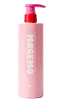 Key Ingredients
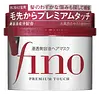
Benefits
Concerns
Ingredients Side-by-side
Water
Skin ConditioningGlycerin
Humectant


Dimethicone
Emollient
Butylene Glycol
Humectant
Cetearyl Alcohol
Emollient






Behentrimonium Chloride
Preservative
Myristyl Alcohol
Emollient
Sorbitol
Humectant
Parfum
Masking


Amodimethicone
Hydrogenated Polydecene
EmollientIsopropyl Alcohol
Solvent

Stearamidopropyl Dimethylamine
EmulsifyingPropylene Glycol
Humectant
Behenyl Alcohol
Emollient
Sodium Benzoate
Masking
Steartrimonium Chloride
Preservative
Cetrimonium Chloride
Antimicrobial
Silicone Quaternium-25
Emollient
Citric Acid
Buffering

Hydroxyethyl Urea
Humectant
Butyrospermum Parkii Butter
Skin Conditioning
Distearyldimonium Chloride
Citrus Junos Fruit Oil
Masking

Maltodextrin
Absorbent
Chlorella Ferment
Skin Conditioning
Candida Bombicola/Glucose/Methyl Rapeseedate Ferment
AntimicrobialSimmondsia Chinensis Seed Oil
Emollient
Caulerpa Lentillifera Extract
Hydrolyzed Lupine Protein
Skin ConditioningHydrolyzed Yeast Protein
Skin ConditioningLinum Usitatissimum Seed Oil
Perfuming
Hydrolyzed Rice Bran Protein
Skin ConditioningAbelmoschus Esculentus Fruit Extract
Skin ConditioningCorchorus Olitorius Leaf Extract
Skin ConditioningCarum Petroselinum Extract
Skin ConditioningPentylene Glycol
Skin Conditioning
Ecklonia Cava Extract
Skin Conditioning
Laminaria Japonica Extract
Skin Protecting

Undaria Pinnatifida Extract
Skin ConditioningHizikia Fusiforme Extract
Skin Conditioning
Hydrolyzed Vegetable Protein
Skin ConditioningPanthenol
Skin Conditioning
Sodium Ascorbyl Phosphate
Antioxidant




Tocopherol
Antioxidant

Hydrolyzed Cottonseed Protein
Skin ConditioningZein
Skin ConditioningHydrolyzed Sweet Almond Protein
Skin ConditioningHydrolyzed Wheat Protein
Skin ConditioningHydrolyzed Corn Protein
Skin ConditioningHydrolyzed Soy Protein
Humectant
Secale Cereale Seed Extract
Abrasive
Hydrolyzed Barley Protein
Skin ConditioningHydrolyzed Rice Protein
Skin ConditioningHydrolyzed Pea Protein
EmollientHydrolyzed Hazelnut Protein
Skin ConditioningHydrolyzed Jojoba Protein
Skin ConditioningOat Amino Acids
Skin ConditioningWheat Amino Acids
Skin ConditioningSoy Amino Acids
Skin ConditioningRice Amino Acids
Skin Conditioning
Alanine/Histidine/Lysine Polypeptide Copper Hcl
Skin Conditioning
Hexapeptide-75
Skin Conditioning
Myrothamnus Flabellifolia Leaf/Stem Extract
HumectantTrideceth-15
EmulsifyingTrideceth-3
EmulsifyingTrideceth-10
CleansingPolyquaternium-73
1,2-Hexanediol
Skin Conditioning
Trideceth-12
EmulsifyingEthylhexylglycerin
Skin ConditioningAcetic Acid
Buffering2,3-Butanediol
HumectantDipropylene Glycol
HumectantPropanediol
Solvent
Hydrogenated Lecithin
Emulsifying
Polyglyceryl-10 Laurate
Skin Conditioning
Caprylyl Glycol
Emollient
Polyglyceryl-6 Laurate
Emulsifying
Ascorbic Acid
Antioxidant
Benzyl Benzoate
Antimicrobial
Limonene
Perfuming
Linalool
Perfuming
Water, Glycerin, Dimethicone, Butylene Glycol, Cetearyl Alcohol, Behentrimonium Chloride, Myristyl Alcohol, Sorbitol, Parfum, Amodimethicone, Hydrogenated Polydecene, Isopropyl Alcohol, Stearamidopropyl Dimethylamine, Propylene Glycol, Behenyl Alcohol, Sodium Benzoate, Steartrimonium Chloride, Cetrimonium Chloride, Silicone Quaternium-25, Citric Acid, Hydroxyethyl Urea, Butyrospermum Parkii Butter, Distearyldimonium Chloride, Citrus Junos Fruit Oil, Maltodextrin, Chlorella Ferment, Candida Bombicola/Glucose/Methyl Rapeseedate Ferment, Simmondsia Chinensis Seed Oil, Caulerpa Lentillifera Extract, Hydrolyzed Lupine Protein, Hydrolyzed Yeast Protein, Linum Usitatissimum Seed Oil, Hydrolyzed Rice Bran Protein, Abelmoschus Esculentus Fruit Extract, Corchorus Olitorius Leaf Extract, Carum Petroselinum Extract, Pentylene Glycol, Ecklonia Cava Extract, Laminaria Japonica Extract, Undaria Pinnatifida Extract, Hizikia Fusiforme Extract, Hydrolyzed Vegetable Protein, Panthenol, Sodium Ascorbyl Phosphate, Tocopherol, Hydrolyzed Cottonseed Protein, Zein, Hydrolyzed Sweet Almond Protein, Hydrolyzed Wheat Protein, Hydrolyzed Corn Protein, Hydrolyzed Soy Protein, Secale Cereale Seed Extract, Hydrolyzed Barley Protein, Hydrolyzed Rice Protein, Hydrolyzed Pea Protein, Hydrolyzed Hazelnut Protein, Hydrolyzed Jojoba Protein, Oat Amino Acids, Wheat Amino Acids, Soy Amino Acids, Rice Amino Acids, Alanine/Histidine/Lysine Polypeptide Copper Hcl, Hexapeptide-75, Myrothamnus Flabellifolia Leaf/Stem Extract, Trideceth-15, Trideceth-3, Trideceth-10, Polyquaternium-73, 1,2-Hexanediol, Trideceth-12, Ethylhexylglycerin, Acetic Acid, 2,3-Butanediol, Dipropylene Glycol, Propanediol, Hydrogenated Lecithin, Polyglyceryl-10 Laurate, Caprylyl Glycol, Polyglyceryl-6 Laurate, Ascorbic Acid, Benzyl Benzoate, Limonene, Linalool
Water
Skin ConditioningSorbitol
Humectant
Dimethicone
Emollient
Hydrogenated Rapeseed Oil
Emollient
Isopentyldiol
Humectant
Behentrimonium Chloride
Preservative
Amodimethicone
Hydroxypropyl Arginine Lauryl/Myristyl Ether Hcl
Skin ConditioningDihydroxyethyl Stearyl Glycinate
Glutamic Acid
Humectant
Trehalose
Humectant
Squalane
Emollient
Steartrimonium Chloride
Preservative
PEG-90m
Emulsion StabilisingPCA
Humectant
Phytosteryl/Octyldodecyl Lauroyl Glutamate
Skin ConditioningHydrolyzed Wheat Protein
Skin ConditioningPolyquaternium-64
Hydrolyzed Silk Gland Powder
HumectantRoyal Jelly Extract
Skin Conditioning
Isopropyl Alcohol
Solvent
Cetyl Alcohol
Emollient
Octyldodecanol
Emollient
Alcohol
Antimicrobial
Propylene Glycol
Humectant
Butylene Glycol
Humectant
Tocopherol
Antioxidant
Phenoxyethanol
Preservative
Sodium Benzoate
Masking
Parfum
Masking
CI 15985
Cosmetic ColorantWater, Sorbitol, Dimethicone, Hydrogenated Rapeseed Oil, Isopentyldiol, Behentrimonium Chloride, Amodimethicone, Hydroxypropyl Arginine Lauryl/Myristyl Ether Hcl, Dihydroxyethyl Stearyl Glycinate, Glutamic Acid, Trehalose, Squalane, Steartrimonium Chloride, PEG-90m, PCA, Phytosteryl/Octyldodecyl Lauroyl Glutamate, Hydrolyzed Wheat Protein, Polyquaternium-64, Hydrolyzed Silk Gland Powder, Royal Jelly Extract, Isopropyl Alcohol, Cetyl Alcohol, Octyldodecanol, Alcohol, Propylene Glycol, Butylene Glycol, Tocopherol, Phenoxyethanol, Sodium Benzoate, Parfum, CI 15985
Reviews
Ingredients Explained
These ingredients are found in both products.
Ingredients higher up in an ingredient list are typically present in a larger amount.
This water-soluble silicone is used for its hydrating and softening properties. It is used to add a silky feel to skincare products and has great benefits for haircare.
In haircare, this ingredient:
- Adds shine
- Protects color
- Offers thermal protection
- Boosts hair strength
- Does not build up as easily
This ingredient is a preservative and often used for it's anti-static properties. You'll most likely see this ingredient in hair conditioners.
It does not cause irritation or sensitization in leave-on products at 1-5%.
Butylene Glycol (or BG) is used within cosmetic products for a few different reasons:
Overall, Butylene Glycol is a safe and well-rounded ingredient that works well with other ingredients.
Though this ingredient works well with most skin types, some people with sensitive skin may experience a reaction such as allergic rashes, closed comedones, or itchiness.
Learn more about Butylene GlycolDimethicone is a type of synthetic silicone created from natural materials such as quartz. It is also known as polydimethylsiloxane.
What it does:
Dimethicone comes in different viscosities:
Depending on the viscosity, dimethicone has different properties.
Ingredients lists don't always show which type is used, so we recommend reaching out to the brand if you have questions about the viscosity.
This ingredient is unlikely to cause irritation because it does not get absorbed into skin. However, people with silicone allergies should be careful about using this ingredient.
Note: Dimethicone may contribute to pilling. This is because it is not oil or water soluble, so pilling may occur when layered with products. When mixed with heavy oils in a formula, the outcome is also quite greasy.
Learn more about DimethiconeThis ingredient is a plant-derived protein made by breaking down wheat proteins into smaller amino acids and peptides. It has skin and hair conditioning properties.
People with known wheat allergy or a history of immediate reactions should be cautious with leave-on products containing hydrolyzed wheat proteins.
Isopropyl Alcohol is a small, fast-evaporating alcohol.
Formulators use it as a solvent, a way to think out thick liquids, an antifoaming agent, and occasionally a fragrance ingredient.
Reported use concentrations run from 0.002%-100% and any number over 50% usually comes from a nail product.
Actual skincare numbers run much lower: cleansers (0.3-26%), toners (0.07-7%), face moisturizers (0.04-0.2%).
The Cosmetic Ingredient Review Expert Panel reviewed it and concluded it is safe in the present practices of use and the International Agency for Research on Cancer classifies it as a non-carcinogenic to humans.
True allergy to this ingredient is uncommon but real: 44 out of 1,450 patients patch tested between 1992-2011 reacted with most cases clustering in people with leg ulcers, occupational hand eczema, or repeated use of Isopropyl Alcohol on already-broken skin.
Irritation and dryness are far more likely than allergy; before you throw away your skincare, just know this is dose-dependent and the risk is modest.
The irritant potential of the alcohols used in hand antiseptics is very low and skin irritation is significantly lower after alcohol application than after detergents (though isopropanol is somewhat more irritating than ethanol).
A 70% solution was a severe eye irritant in rabbit eye tests so the industry keeps this ingredient at low percentages in eye-area products.
One genuine caution: a 70% solution was a severe eye irritant in rabbit eye tests, so it belongs at low percentages in eye-area products, which is where the industry already keeps it.
According to the National Rosacea Society based in the US, you should be mindful of products with these alcohols in the top half of ingredients.
Learn more about Isopropyl AlcoholParfum is a catch-all term for an ingredient or more that is used to give a scent to products.
Also called "fragrance", this ingredient can be a blend of hundreds of chemicals or plant oils. This means every product with "fragrance" or "parfum" in the ingredients list is a different mixture.
For instance, Habanolide is a proprietary trade name for a specific aroma chemical. When used as a fragrance ingredient in cosmetics, most aroma chemicals fall under the broad labeling category of “FRAGRANCE” or “PARFUM” according to EU and US regulations.
The term 'parfum' or 'fragrance' is not regulated in many countries. In many cases, it is up to the brand to define this term.
For instance, many brands choose to label themselves as "fragrance-free" because they are not using synthetic fragrances. However, their products may still contain ingredients such as essential oils that are considered a fragrance by INCI standards.
One example is Calendula flower extract. Calendula is an essential oil that still imparts a scent or 'fragrance'.
Depending on the blend, the ingredients in the mixture can cause allergies and sensitivities on the skin. Some ingredients that are known EU allergens include linalool and citronellol.
Parfum can also be used to mask or cover an unpleasant scent.
The bottom line is: not all fragrances/parfum/ingredients are created equally. If you are worried about fragrances, we recommend taking a closer look at an ingredient. And of course, we always recommend speaking with a professional.
Learn more about ParfumPropylene Glycol is a synthetic, colorless, odorless liquid that has been a staple in cosmetics for decades. It is a skin conditioning agent, humectant, and solvent.
As a humectant, it draw water to the skin to reduce flaking and restore suppleness. It's also a solvent that helps dissolve other actives and keeps formulas stable across temperature changes.
The CIR Expert Panel has confirmed this ingredient to be nontoxic and clinical studies show no sensitization at cosmetic use concentrations.
True allergic reactions are quite rare: a 15-year retrospective study of 6,751 patients found only 0.31% had a positive reaction (and less than half were considered clinically relevant).
It seemed that when sensitization does occur, it's most commonly linked to topical medication (like corticosteroids) and not cosmetics. Allergic contact dermatitis also appears largely limited to individuals with underlying skin conditions.
Overall, propylene glycol is a well-studied ingredient that most people can tolerate without issue.
Learn more about Propylene GlycolSodium Benzoate is a preservative. It's used in both cosmetic and food products to inhibit the growth of mold and bacteria. It is typically produced synthetically.
Both the US FDA and EU Health Committee have approved the use of sodium benzoate. In the US, levels of 0.1% (of the total product) are allowed.
Sodium benzoate works as a preservative by inhibiting the growth of bacteria inside of cells. It prevents the cell from fermenting a type of sugar using an enzyme called phosphofructokinase.
It is the salt of benzoic acid. Foods containing sodium benzoate include soda, salad dressings, condiments, fruit juices, wines, and snack foods.
Studies for using ascorbic acid and sodium benzoate in cosmetics are lacking, especially in skincare routines with multiple steps.
We always recommend speaking with a professional, such as a dermatologist, if you have any concerns.
Learn more about Sodium BenzoateSorbitol is a sugar alcohol. It is a hydrating and moisturizing agent created from the reduction process of glucose.
Most sorbitol is usually made from potato starch. It is also found in fruits such as apples and pears.
As a humectant, Sorbitol helps draw water to the skin. This helps keep the skin hydrated. Sorbitol also helps create a thicker texture in products. You might find sorbitol in your toothpaste and other gels.
It is a non-irritating ingredient that is great for those with dry skin.
Sorbitol is a prebiotic. It helps promote the growth of healthy bacteria on your skin. The bacteria on your skin form a microbiome. This microbiome helps protect your skin from infection and harmful bacteria.
Learn more about SorbitolSteartrimonium Chloride is a preservative.
Tocopherol is a fat-soluble antioxidant known as Vitamin E.
You'll find this ingredient in the vast majority of skincare (for good reason). It works to neutralize free radicals, or unstable molecules generated by UV exposure, pollution, and other environmental stressors, before they can cause oxidative damage to your skin cells.
Topically applied tocopherol has been shown to protect against UV damage by ramping up the skin's own natural defense enzymes.
It also acts as a skin conditioning agent; some studies show that regular topical use can improve the skin's water-binding capacity over 2-4 weeks.
This ingredient is especially loved for being a team player. When combined with Vitamin C, the photoprotective effect of both ingredients roughly doubles and the combo also helps reduce UV-induced DNA damage.
This ingredient has some brightening potential but it's more of a prevention ingredient than spot-fader. Cell studies show it can slow down melanin production but it's worth noting that it's not the most powerful brightener out there.
In formulations, it also serves as a stabilizer that helps protect other oxidation-prone ingredients from degrading.
Concentrations usually range from 0.1-1% in most leave-on products.
Learn more about TocopherolWater. It's the most common cosmetic ingredient of all. You'll usually see it at the top of ingredient lists, meaning that it makes up the largest part of the product.
So why is it so popular? Water most often acts as a solvent - this means that it helps dissolve other ingredients into the formulation.
You'll also recognize water as that liquid we all need to stay alive. If you see this, drink a glass of water. Remember to stay hydrated!
Learn more about Water

