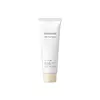
This chemical sunscreen covers the full UV range and blocks ~98% of UVB at SPF 50.
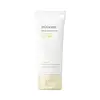
This chemical sunscreen covers most of the UV range, lighter on the deep UVA that drives aging.

What's inside
What's inside
 Key Ingredients
Benefits
Concerns
Ingredients Side-by-side
Water
Skin ConditioningNiacinamide
Smoothing











Butyloctyl Salicylate
Skin Conditioning

Propanediol
Solvent
Ethylhexyl Triazone
UV Absorber
Caprylyl Methicone
Skin Conditioning
Glycerin
Humectant
Drometrizole Trisiloxane
UV Absorber
Polyglyceryl-3 Distearate
Emulsifying

Dibutyl Adipate
EmollientDiisopropyl Sebacate
EmollientTerephthalylidene Dicamphor Sulfonic Acid
UV Absorber
Diethylamino Hydroxybenzoyl Hexyl Benzoate
UV Filter
Tromethamine
Buffering1,2-Hexanediol
Skin Conditioning
Pentylene Glycol
Skin Conditioning
Oak Root Extract
Skin ConditioningLactobacillus/Punica Granatum Fruit Ferment Extract
Antioxidant
Lactobacillus/Soybean Ferment Extract
Skin ConditioningCocos Nucifera Oil
Masking





Sodium Hyaluronate
Humectant
Methyl Methacrylate Crosspolymer
Bis-Ethylhexyloxyphenol Methoxyphenyl Triazine
Skin Conditioning
Cetearyl Alcohol
Emollient
Glyceryl Stearate
Emollient
Silica
Abrasive
Potassium Cetyl Phosphate
EmulsifyingSodium Polyacryloyldimethyl Taurate
Emulsion StabilisingVp/Eicosene Copolymer
Carbomer
Emulsion StabilisingGlyceryl Stearate Citrate
Emollient
Ammonium Acryloyldimethyltaurate/Vp Copolymer
Pentaerythrityl Tetra-Di-T-Butyl Hydroxyhydrocinnamate
Antioxidant
Ethylhexylglycerin
Skin ConditioningAcrylates/C10-30 Alkyl Acrylate Crosspolymer
Emulsion StabilisingInulin Lauryl Carbamate
Emulsion StabilisingAdenosine
Skin Conditioning
Xanthan Gum
EmulsifyingTocopherol
Antioxidant
Lactobacillus/Pear Juice Ferment Filtrate
Skin ConditioningSaccharomyces/Barley Seed Ferment Filtrate
HumectantQuercus Suber Bark Extract
Skin ConditioningWater, Niacinamide, Butyloctyl Salicylate, Propanediol, Ethylhexyl Triazone, Caprylyl Methicone, Glycerin, Drometrizole Trisiloxane, Polyglyceryl-3 Distearate, Dibutyl Adipate, Diisopropyl Sebacate, Terephthalylidene Dicamphor Sulfonic Acid, Diethylamino Hydroxybenzoyl Hexyl Benzoate, Tromethamine, 1,2-Hexanediol, Pentylene Glycol, Oak Root Extract, Lactobacillus/Punica Granatum Fruit Ferment Extract, Lactobacillus/Soybean Ferment Extract, Cocos Nucifera Oil, Sodium Hyaluronate, Methyl Methacrylate Crosspolymer, Bis-Ethylhexyloxyphenol Methoxyphenyl Triazine, Cetearyl Alcohol, Glyceryl Stearate, Silica, Potassium Cetyl Phosphate, Sodium Polyacryloyldimethyl Taurate, Vp/Eicosene Copolymer, Carbomer, Glyceryl Stearate Citrate, Ammonium Acryloyldimethyltaurate/Vp Copolymer, Pentaerythrityl Tetra-Di-T-Butyl Hydroxyhydrocinnamate, Ethylhexylglycerin, Acrylates/C10-30 Alkyl Acrylate Crosspolymer, Inulin Lauryl Carbamate, Adenosine, Xanthan Gum, Tocopherol, Lactobacillus/Pear Juice Ferment Filtrate, Saccharomyces/Barley Seed Ferment Filtrate, Quercus Suber Bark Extract
Butyl Methoxydibenzoylmethane 3%
UV Absorber
Homosalate 7%
Skin Conditioning
Ethylhexyl Salicylate 5%
UV Absorber
Octocrylene 5%
UV Absorber
Water
Skin ConditioningButyloctyl Salicylate
Skin Conditioning
Glycerin
Humectant
Dimethicone
Emollient
Poly C10-30 Alkyl Acrylate
Emulsion StabilisingVp/Eicosene Copolymer
Cetearyl Alcohol
Emollient
Niacinamide
Smoothing
Ammonium Polyacryloyldimethyl Taurate
Emulsion StabilisingSodium Stearoyl Glutamate
CleansingHydroxyacetophenone
Antioxidant
Phenoxyethanol
Preservative
Tocopheryl Acetate
Antioxidant
Panthenol
Skin Conditioning
Pentaerythrityl Tetra-Di-T-Butyl Hydroxyhydrocinnamate
Antioxidant
Xanthan Gum
EmulsifyingPropanediol
Solvent
Trisodium Ethylenediamine Disuccinate
1,2-Hexanediol
Skin Conditioning
Lactobacillus/Pear Juice Ferment Filtrate
Skin ConditioningLactobacillus/Punica Granatum Fruit Ferment Extract
Antioxidant
Lactobacillus/Soybean Ferment Extract
Skin ConditioningSaccharomyces/Barley Seed Ferment Filtrate
HumectantSodium Hyaluronate
Humectant
Butyl Methoxydibenzoylmethane 3%, Homosalate 7%, Ethylhexyl Salicylate 5%, Octocrylene 5%, Water, Butyloctyl Salicylate, Glycerin, Dimethicone, Poly C10-30 Alkyl Acrylate, Vp/Eicosene Copolymer, Cetearyl Alcohol, Niacinamide, Ammonium Polyacryloyldimethyl Taurate, Sodium Stearoyl Glutamate, Hydroxyacetophenone, Phenoxyethanol, Tocopheryl Acetate, Panthenol, Pentaerythrityl Tetra-Di-T-Butyl Hydroxyhydrocinnamate, Xanthan Gum, Propanediol, Trisodium Ethylenediamine Disuccinate, 1,2-Hexanediol, Lactobacillus/Pear Juice Ferment Filtrate, Lactobacillus/Punica Granatum Fruit Ferment Extract, Lactobacillus/Soybean Ferment Extract, Saccharomyces/Barley Seed Ferment Filtrate, Sodium Hyaluronate
Reviews
Ingredients Explained
These ingredients are found in both products.
Ingredients higher up in an ingredient list are typically present in a larger amount.
1,2-Hexanediol is a synthetic liquid and another multi-functional powerhouse.
It is a:
- Humectant, drawing moisture into the skin
- Emollient, helping to soften skin
- Solvent, dispersing and stabilizing formulas
- Preservative booster, enhancing the antimicrobial activity of other preservatives
Butyloctyl Salicylate is a chemical UV filter structurally similar to octisalate. It is a photostabilizer, SPF booster, emollient and solvent. This ingredient helps evenly spread out ingredients.
According to a manufacturer, it is suitable for pairing with micro Titanium Dioxide, Zinc Oxide, and pigments.
Photostabilizers help stabilize UV-filters and prevents them from degrading quickly.
Learn more about Butyloctyl SalicylateCetearyl alcohol is a waxy mixture of two fatty alcohols: cetyl alcohol and stearyl alcohol. It is an emollient and emulsifier.
Despite having "alcohol" in its name, it has nothing to do with drying solvent alcohols; the FDA also allows "alcohol-free" products to contain fatty alcohols like this ingredient.
It plays several roles in a formula:
Typical use levels for this ingredient sit around 1-10% and the Cosmetic Ingredient Review Expert Panel has affirmed safety at concentrations up to 25% in leave-on products.
Multiple assessments have found it to be non-irritating and non-sensitizing to most people.
However, there have been some cases of allergic contact dermatitis in patients with chronically compromised skin barriers.
Cetearyl alcohol has a comedogenic rating of 2 and irritancy rating of 1. Both of these numbers come from the 1989 study that used rabbit ears; a "2" means mildly comedogenic and a "1" means low irritancy.
Here's the catch: rabbit skin is more sensitive than human skin and throws a lot of false positives. A 1996 reappraisal found that ingredients rated 1-2 in the rabbit ear tests are generally safe for humans.
Remember comedogenic ratings are unable to assess the entire formula of a product or how it will react on your skin. Just be sure to patch test if you are unsure about certain ingredients.
This ingredient is not fungal acne safe. Cetearyl alcohol is a fatty alcohol with chain lengths that fall within the range that Malassezia can metabolize.
A 2019 study has also observed Malassezia growth in the presence of this ingredient, confirming it to be not-fungal acne safe.
Learn more about Cetearyl AlcoholGlycerin (or glycerol) is a compound naturally found in your skin. It's a powerhouse humectant that pulls water into the stratum corneum.
Topically, glycerin does several things at once:
Your skin makes glycerin on its own (mostly from sebaceous oil breakdown) and shuttles it to your outermost layer of skin, or your epidermis, via aquaporin-3.
Aquaporin-3 is a transporter that is essential for normal skin hydration, elasticity, and repair. Interestingly, mice lacking in AQP3 have dry and less elastic skin that can be fully corrected with glycerin.
This ingredient is non-irritating, plays well with almost every ingredient, and works across all skin types. Typical use is anywhere between 3-10% but can go up to 79% in some leave-on products.
Just know very high concentrations (>40%) can feel tacky in low humidity.
Glycerin is the name for this ingredient in American English. British English uses Glycerol/Glycerine.
Learn more about GlycerinThis ingredient is exactly what it sounds like: pear juice fermented with the Lactobacillus bacteria (the bacteria is filtered out of the final product).
The main thing that comes out of this process is lactic acid, an AHA.
Lactic acid is one of the more well-studied AHAs in skincare:
Fermentation also adds some bonus phenolic compounds with antioxidant activity.
The only catch with this ingredient is that it is difficult to tell how much lactic acid is in any given product. Ferment filtrates don't come with standardized acid concentration like a 5% lactic acid serum would; this just means the actual exfoliating effect will vary depending on the formula's overall percentage and pH.
Remember that AHAs make your skin more sun-sensitive, so be sure to wear sunscreen.
Learn more about Lactobacillus/Pear Juice Ferment FiltrateThis one is the fancy name for pomegranate enzyme. It is created by fermenting pomegranate (Punica Granatum) with Lactobacillus bacteria.
The fermentation step breaks down the fruit's bound polyphenols into smaller, more skin-available forms. Most notably, Punicalagin gets converted into Ellagic Acid.
What you end up with is a water-loving ingredient packed with plant antioxidants and a gentle skin-dissolving enzyme that works in two ways:
1) it fights daily damage from things like pollution and UV
2) it lightly loosens dead skin cells on the surface for a smoother, brighter look.
The antioxidant side is the better studied half. Pomegranate's natural compounds help neutralize unstable molecules that damage skin cells and lab studies on skin cells show they can also help calm inflammation.
Exfoliation from this ingredient is soft; it gently loosens dead skin cells on the surface. Even manufacturers admit it's not as strong as AHAs like glycolic acid.
A 2022 human trial on a fermented pomegranate serum reported improvements in moisture, brightness, elasticity, spots, and collagen density after 4-8 weeks.
This ingredient is recommended to be used at 1-3% by suppliers. Since the Lactobacillus is a fermenting organism rather than live culture in a final product, there's no known fungal acne concern.
Just be sure to patch test or avoid if you have known pomegranate allergies.
Learn more about Lactobacillus/Punica Granatum Fruit Ferment ExtractLactobacillus/Soybean Ferment Extract is the result of fermenting soybeans with the Lactobacillus bacteria. It mainly acts as a skin conditioning agent in a formula, and the interesting part is what fermentation does to the soy.
Fermenting soy:
The isoflavones are the workhorses behind the common claims; lab and animal studies show they mop up free radicals, help protect skin cells from UVB damage, and nudge fibroblasts to make more collagen while slowing the enzymes that break collagen down.
One controlled clinical study using an isoflavone cream reported softer wrinkles and better skin texture over time. A topical fermented soy extract also improved hydration and elasticity in an animal aging model.
The big caveat is that most of this evidence comes from soy isoflavones and related fermented soy extracts rather than this exact INCI. Some of the strongest data also comes from oral studies.
So it's best to think of this ingredient as a gentle, antioxidant-leaning conditioning agent rather than a proven wrinkle eraser.
At this time, there's no published concentration levels for this specific ferment but it usually shows up at modest levels in real products (~1% or less).
One last thing for people with soy allergies: it's always worth patch testing this ingredient despite the lowered allergy risk.
Learn more about Lactobacillus/Soybean Ferment ExtractNiacinamide is a multitasking form of vitamin B3 that strengthens the skin barrier, reduces pores and dark spots, regulates oil, and improves signs of aging.
And the best part? It's gentle and well-tolerated by most skin types, including sensitive and reactive skin.
You might have heard of "niacin flush", or the reddening of skin that causes itchiness. Niacinamide has not been found to cause this.
In very rare cases, some individuals may not be able to tolerate niacinamide at all or experience an allergic reaction to it.
If you are experiencing flaking, irritation, and dryness with this ingredient, be sure to double check all your products as this ingredient can be found in all categories of skincare.
When incorporating niacinamide into your routine, look out for concentration amounts. Typically, 5% niacinamide provides benefits such as fading dark spots. However, if you have sensitive skin, it is better to begin with a smaller concentration.
When you apply niacinamide to your skin, your body converts it into nicotinamide adenine dinucleotide (NAD). NAD is an essential coenzyme that is already found in your cells as "fuel" and powers countless biological processes.
In your skin, NAD helps repair cell damage, produce new healthy cells, support collagen production, strengthen the skin barrier, and fight environmental stressors (like UV and pollution).
Our natural NAD levels start to decline with age, leading to slower skin repair, visible aging, and a weaker skin barrier. By providing your skin niacinamide, you're recharging your skin's NAD levels. This leads to stronger, healthier, and younger looking skin.
Another name for vitamin B3 is nicotinamide. This vitamin is water-soluble and our bodies don't store it. We obtain Vitamin B3 from either food or skincare. Meat, fish, wheat, yeast, and leafy greens contain vitamin B3.
The type of niacinamide used in skincare is synthetically created.
Learn more about NiacinamidePentaerythrityl Tetra-Di-T-Butyl Hydroxyhydrocinnamate (long name, huh?) is a synthetic antioxidant.
It is used to help stabilize other antioxidants or prevent the color from changing in a product.
As an antioxidant, it helps fight free-radical molecules. Free-radical molecules are capable of damaging our cells and other genetic material. Thus, antioxidants may reduce the signs of aging.
This ingredient is oil-soluble.
Learn more about Pentaerythrityl Tetra-Di-T-Butyl HydroxyhydrocinnamatePropanediol is an all-star ingredient. It softens, hydrates, and smooths the skin.
It’s often used to:
Propanediol is not likely to cause sensitivity and considered safe to use. It is derived from corn or petroleum with a clear color and no scent.
Learn more about PropanediolSaccharomyces/Barley Seed Ferment Filtrate is the filtered liquid you get after Saccharomyces yeast ferments barley seeds.
In skincare, it mainly works as a humectant and skin conditioning agent.
The fermentation part is interesting:
Research on fermented barley by-products shows that fermentation raises free amino acid, phenolic, and mineral content while breaking down larger molecules. This makes it easier for these compounds to absorb into skin and also gives the filtrate antioxidant potential.
An in vitro study on young barley extract found it boosted fibroblast survival/ migration after UVB exposure and lowered the enzymes that chew through collagen.
Related yeast ferment filtrates point the same direction; rice ferment filtrate increased collagen gene expression and reduced oxidative/inflammatory stress in skin cells.
Brands don't typically publish concentrations for this ingredient but it's used in low levels (commonly under a few percent).
Overall, this is a nice hydrating ingredient that can be added to any routine. Just keep in mind that the direct clinical proof is still thin at this time.
Learn more about Saccharomyces/Barley Seed Ferment FiltrateSodium Hyaluronate is the salt form of hyaluronic acid. It is a long sugar chain that is naturally found in your skin, joints, and connective tissue that maintains hydration and elasticity.
In skincare, it works as a humectant. It pulls water from the environment and deeper layers of skin and binds it to the surface.
Interestingly, the size of the molecule affects its behavior:
Some clinical evidence links low molecular weight versions to improved wrinkle depth, elasticity, anti-inflammatory effects, and barrier repair.
Many serums use a blend of both weights so you can get surface hydration plus longer-lasting and deeper effects.
You'll typically see concentrations between 0.1-2% for this ingredient.
Learn more about Sodium HyaluronateWe don't have a description for Vp/Eicosene Copolymer yet.
Water. It's the most common cosmetic ingredient of all. You'll usually see it at the top of ingredient lists, meaning that it makes up the largest part of the product.
So why is it so popular? Water most often acts as a solvent - this means that it helps dissolve other ingredients into the formulation.
You'll also recognize water as that liquid we all need to stay alive. If you see this, drink a glass of water. Remember to stay hydrated!
Learn more about WaterXanthan gum is used as a stabilizer and thickener within cosmetic products. It helps give products a sticky, thick feeling - preventing them from being too runny.
On the technical side of things, xanthan gum is a polysaccharide - a combination consisting of multiple sugar molecules bonded together.
Xanthan gum is a pretty common and great ingredient. It is a natural, non-toxic, non-irritating ingredient that is also commonly used in food products.
Learn more about Xanthan Gum

