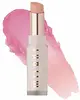
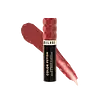
This barrier-repair lip moisturizer is formulated around Bis-Diglyceryl Polyacyladipate-2 and Cocos Nucifera Oil to strengthen the lip barrier and hydrate lips.

What's inside
What's inside
 Key Ingredients
Benefits
Concerns
Ingredients Side-by-side
Hydrogenated Polyisobutene
EmollientDiisostearyl Malate
EmollientPolybutene
Polyethylene
Abrasive

Bis-Diglyceryl Polyacyladipate-2
Emollient


Pentaerythrityl Tetraisostearate
Emollient
Phenyl Trimethicone
Skin Conditioning
C12-15 Alkyl Benzoate
AntimicrobialCocos Nucifera Oil
Masking




Ozokerite
Emulsion StabilisingMicrocrystalline Wax
Emulsion StabilisingTocopheryl Acetate
Antioxidant


Phenoxyethanol
Preservative
Ricinus Communis Seed Oil
Masking
Simmondsia Chinensis Seed Oil
Emollient

Butyrospermum Parkii Butter
Skin Conditioning
Persea Gratissima Oil
Skin Conditioning
Rosa Canina Fruit Oil
Emollient
Theobroma Cacao Seed Butter
Emollient
Helianthus Annuus Seed Oil
Emollient
Tocopherol
Antioxidant


Siraitia Grosvenorii Fruit Extract
Skin ConditioningAroma

Pentaerythrityl Tetra-Di-T-Butyl Hydroxyhydrocinnamate
Antioxidant
Carthamus Tinctorius Seed Oil
Masking
Aloe Barbadensis Leaf Extract
Emollient
Mica
Cosmetic ColorantCI 77891
Cosmetic ColorantCI 45410
Cosmetic ColorantCI 15850
Cosmetic ColorantCI 77492
Cosmetic ColorantHydrogenated Polyisobutene, Diisostearyl Malate, Polybutene, Polyethylene, Bis-Diglyceryl Polyacyladipate-2, Pentaerythrityl Tetraisostearate, Phenyl Trimethicone, C12-15 Alkyl Benzoate, Cocos Nucifera Oil, Ozokerite, Microcrystalline Wax, Tocopheryl Acetate, Phenoxyethanol, Ricinus Communis Seed Oil, Simmondsia Chinensis Seed Oil, Butyrospermum Parkii Butter, Persea Gratissima Oil, Rosa Canina Fruit Oil, Theobroma Cacao Seed Butter, Helianthus Annuus Seed Oil, Tocopherol, Siraitia Grosvenorii Fruit Extract, Aroma, Pentaerythrityl Tetra-Di-T-Butyl Hydroxyhydrocinnamate, Carthamus Tinctorius Seed Oil, Aloe Barbadensis Leaf Extract, Mica, CI 77891, CI 45410, CI 15850, CI 77492
Water
Skin ConditioningTrimethylsiloxyphenyl Dimethicone
Octyldodecanol
Emollient
Bis-Diglyceryl Polyacyladipate-2
Emollient
Sorbitan Stearate
Emulsifying
Pentylene Glycol
Skin Conditioning
Ethylcellulose
Polysorbate 60
Emulsifying
Behenyl Alcohol
Emollient
Arachidyl Alcohol
Emollient
Stearyl Alcohol
Emollient
Squalane
Emollient
Propanediol
Solvent
Illicium Verum Fruit Extract
Perfuming
Sodium Hyaluronate
Humectant
Propyl Gallate
Antioxidant
Hydroxyethyl Acrylate/Sodium Acryloyldimethyl Taurate Copolymer
Emulsion StabilisingSorbitan Isostearate
Emulsifying
Polyacrylate-13
Polyisobutene
Polysorbate 20
Emulsifying
Diisostearyl Malate
EmollientPolyglyceryl-2 Triisostearate
Emulsifying
C13-15 Alkane
SolventButylene Glycol
Humectant
Caprylyl Glycol
Emollient
1,2-Hexanediol
Skin Conditioning
Phenoxyethanol
Preservative
Ethylhexylglycerin
Skin ConditioningSodium Saccharin
MaskingAluminum Hydroxide
EmollientCI 77120
Cosmetic ColorantRosin
Aroma
CI 77891
Cosmetic ColorantIron Oxides
CI 77492
Cosmetic ColorantCI 77499
Cosmetic ColorantCI 42090
Cosmetic ColorantCI 17200
Cosmetic ColorantCI 15985
Cosmetic ColorantCI 15850
Cosmetic ColorantCI 19140
Cosmetic ColorantCI 45410
Cosmetic ColorantWater, Trimethylsiloxyphenyl Dimethicone, Octyldodecanol, Bis-Diglyceryl Polyacyladipate-2, Sorbitan Stearate, Pentylene Glycol, Ethylcellulose, Polysorbate 60, Behenyl Alcohol, Arachidyl Alcohol, Stearyl Alcohol, Squalane, Propanediol, Illicium Verum Fruit Extract, Sodium Hyaluronate, Propyl Gallate, Hydroxyethyl Acrylate/Sodium Acryloyldimethyl Taurate Copolymer, Sorbitan Isostearate, Polyacrylate-13, Polyisobutene, Polysorbate 20, Diisostearyl Malate, Polyglyceryl-2 Triisostearate, C13-15 Alkane, Butylene Glycol, Caprylyl Glycol, 1,2-Hexanediol, Phenoxyethanol, Ethylhexylglycerin, Sodium Saccharin, Aluminum Hydroxide, CI 77120, Rosin, Aroma, CI 77891, Iron Oxides, CI 77492, CI 77499, CI 42090, CI 17200, CI 15985, CI 15850, CI 19140, CI 45410
Ingredients Explained
These ingredients are found in both products.
Ingredients higher up in an ingredient list are typically present in a larger amount.
Aroma refers to an ingredient, or mixture of ingredients, that impart or mask a flavor.
The name is slightly confusing. This is because INCI associates aroma with flavor instead of smell.
Here is the official definition from the The International Cosmetic Ingredient Dictionary and Handbook:
“Aroma is a term for ingredient labeling used to identify that a product contains a material or combination of materials normally added to a cosmetic to produce or to mask a particular flavor.”
INCI shows the only purpose of aroma to be "flavouring".
However, due to regulation differences, some companies may use aroma in place of parfum.
In Canada, this ingredient only has to be listed in concentrations above 1%.
Learn more about AromaBis-Diglyceryl Polyacyladipate-2 is a synthetic emollient that works as a lanolin substitute.
This ingredient is a great vegan option for those avoiding animal-derived ingredients.
It mostly stays on the surface of skin where it helps hydrate due to its large molecular size and low water solubility.
Due to it being derived from fatty acids, this ingredient may not be Malassezia or fungal acne safe.
Learn more about Bis-Diglyceryl Polyacyladipate-2Ci 15850 is the pigment color red. It is an azo dye and created synthetically.
Azo dyes need to be thoroughly purified before use. This allows them to be more stable and longer-lasting.
This ingredient is common in foundations, lipsticks, and blushes. This color is described as brown/orangey red.
It has many secondary names such as Red 6 and Red 7. According to a manufacturer, Red 6 usually contains aluminum.
Learn more about CI 15850CI 45410 is a synthetic red-pigment and dye.
It often goes by both Red 28 or Red 27; manufacturers label both ingredients as CI 45410.
This dye is commonly found in makeup because it imparts a vivid color. Some types of this dye change color based on pH level and interaction with moisture:
Your skin has a natural pH of around 4.5 - 5.5.
According to the FDA, CI 45410 is not permitted for use in eye products.
Red 27 is a flourescein dye and commonly used as a fluorescent tracer in medicine.
Learn more about CI 45410CI 77492 is also hydrated iron III oxide. It's sole purpose is to give a yellow hue to products.
Iron III oxides are classified as inorganic chemicals for coloring.
Synthetically created CI 77492 is considered safer than those naturally found. This is because the synthetically created version may contain less impurities. Iron oxides are generally non-toxic and non-allergenic.
Learn more about CI 77492Ci 77891 is a white pigment from Titanium dioxide. It is naturally found in minerals such as rutile and ilmenite.
It's main function is to add a white color to cosmetics. It can also be mixed with other colors to create different shades.
Ci 77891 is commonly found in sunscreens due to its ability to block UV rays.
Learn more about CI 77891Diisostearyl Malate is an emollient and most often used in lip products. It comes from isostearyl alcohol, a fatty acid, and malic acid, an AHA.
As an emollient, Diisostearyl Malate helps create a thin film on your skin to trap moisture in. This helps keep your skin soft and smooth.
Phenoxyethanol is one of the most widely used preservatives in skincare (and for good reason!).
It has a large spectrum of antimicrobial activity and especially effective bacteria, yeast, and mold while only having a weak effect on your skin's natural microbiome.
On a cellular level, it disrupts the cell membranes of microbes by poking holes that make the cell leak. This shuts down the chemical reactions the microbe needs to make energy so it can no longer survive.
Another perk of this ingredient is that it stays functional across a wide pH range (3-10).
You'll often see it paired with boosters like Ethylhexylglycerin; one study showed that a 1:9 ratio of Ethylhexylglycerin to Phenoxyethanol damages bacterial membranes as effectively as doubling the Phenoxyethanol concentration on its own.
Typical use concentrations range from 0.3-1% depending on the formula, and this ingredient is capped at 1% int the EU.
Safety-wise, the fear mongering does not hold up to the evidence. The EU's Scientific Committee on Consumer Safety and FDA consider it safe as a preservative at up to 1%, including for children of all ages.
Adverse systemic effects only showed up in animal studies at exposures roughly 200x higher than what people get from cosmetics. And despite its very widespread use, this ingredient is a rare sensitizer and allergic reactions are uncommon.
Learn more about Phenoxyethanol

