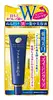
This brightening eye moisturizer is formulated around Tocopheryl Acetate to brighten dull-looking skin.
This anti-aging eye moisturizer is formulated around Niacinamide and Bakuchiol to soften the look of wrinkles and fade the look of dark spots.


What's inside
What's inside
 Key Ingredients
Benefits
Concerns
Ingredients Side-by-side
Placental Extract
Tocopheryl Acetate
Antioxidant


Collagen
Moisturising

Hydrolyzed Collagen
Emollient
Coix Lacryma-Jobi Ma-Yuen Seed Extract
Skin ConditioningDiospyros Kaki Fruit Extract
Skin ConditioningPCA
Humectant
Malic Acid
Buffering





Oryza Sativa Bran Oil
Emollient



Glycosphingolipids
EmollientHydrogenated Lecithin
Emulsifying
Tocopherol
Antioxidant
Hydroxyproline
Skin ConditioningGlycerin
Humectant
Butylene Glycol
Humectant
Pentylene Glycol
Skin Conditioning
Polyglyceryl-2 Oleate
Emulsifying
Glyceryl Stearate Se
Emulsifying


Polyglyceryl-6 Stearate
Emollient
Ethylhexyl Palmitate
Emollient
Beeswax
Emulsion Stabilising
Dimethicone
Emollient
Stearic Acid
Cleansing
Caprylic/Capric Triglyceride
Masking
Dipentaerythrityl Hexahydroxystearate/Hexastearate/Hexarosinate
Skin ConditioningHydrogenated Polybutene
Behenyl Alcohol
Emollient
Poly(2-Methacryloyloxyethyl Phosphorylcholine-Co-N-Butyl Methacrylate)
Alcohol
Antimicrobial

Phenoxyethanol
Preservative
Methylparaben
Preservative

Parfum
Masking

Placental Extract, Tocopheryl Acetate, Collagen, Hydrolyzed Collagen, Coix Lacryma-Jobi Ma-Yuen Seed Extract, Diospyros Kaki Fruit Extract, PCA, Malic Acid, Oryza Sativa Bran Oil, Glycosphingolipids, Hydrogenated Lecithin, Tocopherol, Hydroxyproline, Glycerin, Butylene Glycol, Pentylene Glycol, Polyglyceryl-2 Oleate, Glyceryl Stearate Se, Polyglyceryl-6 Stearate, Ethylhexyl Palmitate, Beeswax, Dimethicone, Stearic Acid, Caprylic/Capric Triglyceride, Dipentaerythrityl Hexahydroxystearate/Hexastearate/Hexarosinate, Hydrogenated Polybutene, Behenyl Alcohol, Poly(2-Methacryloyloxyethyl Phosphorylcholine-Co-N-Butyl Methacrylate), Alcohol, Phenoxyethanol, Methylparaben, Parfum
Water
Skin ConditioningGlycerin
Humectant
Helianthus Annuus Seed Oil
Emollient
Caprylic/Capric Triglyceride
Masking
Niacinamide
Smoothing




1,2-Hexanediol
Skin Conditioning
Cetyl Alcohol
Emollient
Cetearyl Alcohol
Emollient
C14-22 Alcohols
Emulsion Stabilising
Bakuchiol
Antimicrobial
Stearyl Alcohol
Emollient
Carbomer
Emulsion StabilisingCetearyl Glucoside
Emulsifying
Tromethamine
BufferingButylene Glycol
Humectant
Oryza Sativa Extract
Absorbent
Cetyl Palmitate
Emollient
C12-20 Alkyl Glucoside
EmulsifyingSodium Acrylate/Sodium Acryloyldimethyl Taurate Copolymer
Emulsion StabilisingSorbitan Palmitate
Emulsifying
Sorbitan Olivate
Emulsifying
Polyisobutene
Myristyl Alcohol
Emollient
Phyllostachys Pubescens Shoot Bark Extract
Skin ConditioningZanthoxylum Piperitum Fruit Extract
Skin ConditioningUsnea Barbata Extract
Pulsatilla Koreana Extract
Skin ConditioningAspergillus Ferment
Skin ConditioningEthylhexylglycerin
Skin ConditioningPanax Ginseng Root Extract
Emollient
Cyclodextrin
AbsorbentAdenosine
Skin Conditioning
Lauryl Alcohol
Emollient
Sodium Hyaluronate
Humectant
Disodium EDTA
Caprylyl/Capryl Glucoside
CleansingSorbitan Oleate
Emulsifying
Glucose
Humectant
Wheat Amino Acids
Skin ConditioningNatto Gum
Pentylene Glycol
Skin Conditioning
Madecassoside
Antioxidant
Water, Glycerin, Helianthus Annuus Seed Oil, Caprylic/Capric Triglyceride, Niacinamide, 1,2-Hexanediol, Cetyl Alcohol, Cetearyl Alcohol, C14-22 Alcohols, Bakuchiol, Stearyl Alcohol, Carbomer, Cetearyl Glucoside, Tromethamine, Butylene Glycol, Oryza Sativa Extract, Cetyl Palmitate, C12-20 Alkyl Glucoside, Sodium Acrylate/Sodium Acryloyldimethyl Taurate Copolymer, Sorbitan Palmitate, Sorbitan Olivate, Polyisobutene, Myristyl Alcohol, Phyllostachys Pubescens Shoot Bark Extract, Zanthoxylum Piperitum Fruit Extract, Usnea Barbata Extract, Pulsatilla Koreana Extract, Aspergillus Ferment, Ethylhexylglycerin, Panax Ginseng Root Extract, Cyclodextrin, Adenosine, Lauryl Alcohol, Sodium Hyaluronate, Disodium EDTA, Caprylyl/Capryl Glucoside, Sorbitan Oleate, Glucose, Wheat Amino Acids, Natto Gum, Pentylene Glycol, Madecassoside
Reviews
Alternatives
Ingredients Explained
These ingredients are found in both products.
Ingredients higher up in an ingredient list are typically present in a larger amount.
Butylene Glycol (or BG) is used within cosmetic products for a few different reasons:
Overall, Butylene Glycol is a safe and well-rounded ingredient that works well with other ingredients.
Though this ingredient works well with most skin types, some people with sensitive skin may experience a reaction such as allergic rashes, closed comedones, or itchiness.
Learn more about Butylene GlycolCaprylic/Capric Triglyceride (aka MCT Oil) is a lightweight emollient, solvent, and texture enhancer. It is considered a skin-softener by helping to prevent moisture loss.
Though it behaves like an oil, it is not technically one due to its chemical composition. One perk of this ingredient is that it is very stable, resistant to oxidation, and unlikely to go rancid.
In practice, that translates to a long shelf life and a consistently elegant skin feel.
While there is an assumption Caprylic Triglyceride can clog pores due to it being derived from coconut oil, there is no research supporting this. Just patch test if you have concerns.
Fractionated coconut oil and MCT Oil are both listed as Caprylic/Capric Triglyceride according to INCI. This is because INCI names are based on the ingredient’s final chemical composition and not its marketing name or source.
This ingredient is treated as the gold standard fungal acne safe oil. Even though it is coconut derived, the problematic lauric acid is stripped out.
This leaves just caprylic (C8) and capric (C10) acid. These chain lengths actually trend antifungal; a 2020 study found caprylic acid was enough to disrupt Malassezia furfur cell membrane, with a caprylic acid derivative damaging membrane structures at concentrations as low as 0.2%.
Learn more about Caprylic/Capric TriglycerideGlycerin (or glycerol) is a compound naturally found in your skin. It's a powerhouse humectant that pulls water into the stratum corneum.
Topically, glycerin does several things at once:
Your skin makes glycerin on its own (mostly from sebaceous oil breakdown) and shuttles it to your outermost layer of skin, or your epidermis, via aquaporin-3.
Aquaporin-3 is a transporter that is essential for normal skin hydration, elasticity, and repair. Interestingly, mice lacking in AQP3 have dry and less elastic skin that can be fully corrected with glycerin.
This ingredient is non-irritating, plays well with almost every ingredient, and works across all skin types. Typical use is anywhere between 3-10% but can go up to 79% in some leave-on products.
Just know very high concentrations (>40%) can feel tacky in low humidity.
Glycerin is the name for this ingredient in American English. British English uses Glycerol/Glycerine.
Learn more about GlycerinPentylene Glycol (1,2-pentanediol) is a multitasking little diol with three main roles in a formula:
Research on alkanediols (the family pentylene glycol belongs to) show they work by disrupting microbial cell membranes. This disruption helps the primary preservative system in a product work more effectively at lower doses.
On the safety side, the Cosmetic Ingredient Review Expert Panel has concluded this ingredient to be safe as used in current cosmetic practices + concentrations.
Typical use levels in a formula run about 1-5%.
Learn more about Pentylene Glycol

