Medik8 Crystal Retinal Versus SVR [A] Ampoule Lift
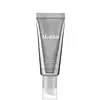
This anti-aging serum is formulated around Retinal and 3-O-Ethyl Ascorbic Acid to soften the look of wrinkles and refine skin texture.
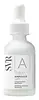
This anti-aging ampoule is formulated around Retinol and 3-O-Ethyl Ascorbic Acid to soften the look of wrinkles and refine skin texture.


What's inside
What's inside
 Key Ingredients
Benefits
Concerns
Ingredients Side-by-side
Water
Skin ConditioningCaprylic/Capric Triglyceride
Masking


Glycerin
Humectant
Isododecane
EmollientCetearyl Olivate


Sodium Acrylate/Sodium Acryloyldimethyl Taurate Copolymer
Emulsion StabilisingCetearyl Alcohol
Emollient



PPG-12/Smdi Copolymer
EmollientSorbitan Olivate
Emulsifying
Tocopheryl Acetate
Antioxidant


Squalane
Emollient
Hydroxyethyl Acrylate/Sodium Acryloyldimethyl Taurate Copolymer
Emulsion StabilisingHydroxyacetophenone
Antioxidant
Cyclodextrin
Absorbent3-O-Ethyl Ascorbic Acid
Skin Conditioning



Sodium Polyaspartate
HumectantHydroxypropyl Methylcellulose
Emulsion StabilisingSodium Hyaluronate
Humectant
Phenoxyethanol
Preservative
Tetrahexyldecyl Ascorbate
Antioxidant
Daucus Carota Sativa Seed Oil
Emollient

Retinal
Skin Conditioning




Alumina
Abrasive
Isostearic Acid
Cleansing
Lecithin
Emollient
Polyglyceryl-3 Polyricinoleate
Emulsifying
Polyhydroxystearic Acid
Emulsifying
Lonicera Japonica Flower Extract
Skin ConditioningLonicera Caprifolium Flower Extract
Perfuming
Stearic Acid
Cleansing
Citric Acid
Buffering
BHT
Antioxidant
Rubus Chamaemorus Seed Oil
Skin Conditioning
Polysorbate 60
Emulsifying
Disodium EDTA
Ethylhexylglycerin
Skin ConditioningSorbitan Isostearate
Emulsifying
Pentylene Glycol
Skin Conditioning
Vanilla Planifolia Fruit Extract
Skin Conditioning
Dipteryx Odorata Bean Extract
Masking
Coumarin
Perfuming

CI 14700
Cosmetic ColorantCI 77891
Cosmetic ColorantWater, Caprylic/Capric Triglyceride, Glycerin, Isododecane, Cetearyl Olivate, Sodium Acrylate/Sodium Acryloyldimethyl Taurate Copolymer, Cetearyl Alcohol, PPG-12/Smdi Copolymer, Sorbitan Olivate, Tocopheryl Acetate, Squalane, Hydroxyethyl Acrylate/Sodium Acryloyldimethyl Taurate Copolymer, Hydroxyacetophenone, Cyclodextrin, 3-O-Ethyl Ascorbic Acid, Sodium Polyaspartate, Hydroxypropyl Methylcellulose, Sodium Hyaluronate, Phenoxyethanol, Tetrahexyldecyl Ascorbate, Daucus Carota Sativa Seed Oil, Retinal, Alumina, Isostearic Acid, Lecithin, Polyglyceryl-3 Polyricinoleate, Polyhydroxystearic Acid, Lonicera Japonica Flower Extract, Lonicera Caprifolium Flower Extract, Stearic Acid, Citric Acid, BHT, Rubus Chamaemorus Seed Oil, Polysorbate 60, Disodium EDTA, Ethylhexylglycerin, Sorbitan Isostearate, Pentylene Glycol, Vanilla Planifolia Fruit Extract, Dipteryx Odorata Bean Extract, Coumarin, CI 14700, CI 77891
Water
Skin ConditioningCaprylic/Capric Triglyceride
Masking
Glycerin
Humectant
Squalane
Emollient
Propanediol
Solvent
3-O-Ethyl Ascorbic Acid
Skin Conditioning
Vitis Vinifera Seed Oil
Emollient
Ethyl Oleate
Emollient
Retinol
Skin Conditioning
Butyrospermum Parkii Butter Unsaponifiables
Skin Conditioning
Palmitoyl Tetrapeptide-7
Skin Conditioning
Phospholipids
Skin Conditioning
Tocopherol
Antioxidant
Carbomer
Emulsion StabilisingEthyl Linoleate
Emollient
Ethyl Stearate
Emollient
Glycine Soja Oil
Emollient
Lauryl Glucoside
CleansingPalmitoyl Tripeptide-1
Skin Conditioning
Pentaerythrityl Tetra-Di-T-Butyl Hydroxyhydrocinnamate
Antioxidant
Polyglyceryl-6 Laurate
Emulsifying
1,2-Hexanediol
Skin Conditioning
Butylene Glycol
Humectant
Caprylyl Glycol
Emollient
Citric Acid
Buffering
Disodium EDTA
Hydroxyethyl Acrylate/Sodium Acryloyldimethyl Taurate Copolymer
Emulsion StabilisingMyristyl Glucoside
CleansingPentylene Glycol
Skin Conditioning
Polysorbate 20
Emulsifying
Polysorbate 60
Emulsifying
Sodium Citrate
BufferingSodium Lactate
Buffering
Sorbitan Isostearate
Emulsifying
Xanthan Gum
EmulsifyingBHA
Antioxidant
BHT
Antioxidant
Parfum
Masking
Water, Caprylic/Capric Triglyceride, Glycerin, Squalane, Propanediol, 3-O-Ethyl Ascorbic Acid, Vitis Vinifera Seed Oil, Ethyl Oleate, Retinol, Butyrospermum Parkii Butter Unsaponifiables, Palmitoyl Tetrapeptide-7, Phospholipids, Tocopherol, Carbomer, Ethyl Linoleate, Ethyl Stearate, Glycine Soja Oil, Lauryl Glucoside, Palmitoyl Tripeptide-1, Pentaerythrityl Tetra-Di-T-Butyl Hydroxyhydrocinnamate, Polyglyceryl-6 Laurate, 1,2-Hexanediol, Butylene Glycol, Caprylyl Glycol, Citric Acid, Disodium EDTA, Hydroxyethyl Acrylate/Sodium Acryloyldimethyl Taurate Copolymer, Myristyl Glucoside, Pentylene Glycol, Polysorbate 20, Polysorbate 60, Sodium Citrate, Sodium Lactate, Sorbitan Isostearate, Xanthan Gum, BHA, BHT, Parfum
Reviews
Ingredients Explained
These ingredients are found in both products.
Ingredients higher up in an ingredient list are typically present in a larger amount.
3-O-Ethyl Ascorbic Acid is one of the most popular "stable" vitamin C derivatives in skincare.
Plain ascorbic acid is fantastic but notoriously fragile; it browns, oxidizes, and loses potency fast. So attaching an ethyl group to the third carbon of the molecule gives it some cool perks:
In a formula, it does the 3 classic vitamin C jobs: it acts as an antioxidant, helps brighten skin tone by inhibiting tyrosinase, and supports collagen.
The evidence is reasonably solid for a cosmetic ingredient; Liao and colleagues (2018) showed it's significantly more stable than ascorbic acid while still being effective.
A 2021 study by Zerbinati and colleagues tested a serum with 30% 3-O-ethyl-l-ascorbic acid and 1% lactic acid significantly increased collagen production, reduced UVB-induced DNA damage, and decreased melanin on a reconstructed pigmented skin model.
Typical real world usage sits around 0.5-5% (and 1-2% is common for daily serums).
Amounts up to 30% have been shown to be non-irritating on human skin samples, but two isolated cases reported allergic contact dermatitis so a patch test is sensible if you have reactive skin.
Learn more about 3-O-Ethyl Ascorbic AcidBHT is a synthetic antioxidant and preservative.
As an antioxidant, it helps your body fight off free-radicals. Free-radicals are molecules that may damage your skin cells.
As a preservative, it is used to stabilize products and prevent them from degrading. Specifically, BHT prevents degradation from oxidation.
The concerns related to BHT come from oral studies; this ingredient is currently allowed for use by both the FDA and EU.
However, it was recently restricted for use in the UK as of April 2024.
Learn more about BHTCaprylic/Capric Triglyceride (aka MCT Oil) is a lightweight emollient, solvent, and texture enhancer. It is considered a skin-softener by helping to prevent moisture loss.
Though it behaves like an oil, it is not technically one due to its chemical composition. One perk of this ingredient is that it is very stable, resistant to oxidation, and unlikely to go rancid.
In practice, that translates to a long shelf life and a consistently elegant skin feel.
While there is an assumption Caprylic Triglyceride can clog pores due to it being derived from coconut oil, there is no research supporting this. Just patch test if you have concerns.
Fractionated coconut oil and MCT Oil are both listed as Caprylic/Capric Triglyceride according to INCI. This is because INCI names are based on the ingredient’s final chemical composition and not its marketing name or source.
This ingredient is treated as the gold standard fungal acne safe oil. Even though it is coconut derived, the problematic lauric acid is stripped out.
This leaves just caprylic (C8) and capric (C10) acid. These chain lengths actually trend antifungal; a 2020 study found caprylic acid was enough to disrupt Malassezia furfur cell membrane, with a caprylic acid derivative damaging membrane structures at concentrations as low as 0.2%.
Learn more about Caprylic/Capric TriglycerideCitric Acid is an alpha hydroxy acid (AHA) naturally found in citrus fruits like oranges, lemons, and limes.
Like other AHAs, citric acid can exfoliate skin by breaking down the bonds that hold dead skin cells together. This helps reveal smoother and brighter skin underneath.
However, this exfoliating effect only happens at high concentrations (20%) which can be hard to find in cosmetic products.
Due to this, citric acid is usually included in small amounts as a pH adjuster. This helps keep products slightly more acidic and compatible with skin's natural pH.
In skincare formulas, citric acid can:
While it can provide some skin benefits, research shows lactic acid and glycolic acid are generally more effective and less irritating exfoliants.
Most citric acid used in skincare today is made by fermenting sugars (usually from molasses). This synthetic version is identical to the natural citrus form but easier to stabilize and use in formulations.
Read more about some other popular AHA's here:
Learn more about Citric AcidDisodium EDTA is a chelating agent. It grabs onto and deactivates metal ions that sneak into your products from water, packaging, or air.
This ingredient mainly works behind the scenes and helps with:
On top of that, this ingredient can counteract the effects of hard water by binding to the minerals in it.
One thing worth knowing is that Disodium EDTA has been shown to be a mild penetration enhancer. It can help other ingredients absorb into skin more effectively which can be a double-edged sword (great for actives, but can also make the active too strong if you have sensitive skin).
Clinical patch testing showed no significant skin irritation at typical use concentrations and minimal dermal absorption.
You'll most likely see this ingredient near the end of an ingredient list. It's typically found in concentrations less than 1%.
Learn more about Disodium EDTAGlycerin (or glycerol) is a compound naturally found in your skin. It's a powerhouse humectant that pulls water into the stratum corneum.
Topically, glycerin does several things at once:
Your skin makes glycerin on its own (mostly from sebaceous oil breakdown) and shuttles it to your outermost layer of skin, or your epidermis, via aquaporin-3.
Aquaporin-3 is a transporter that is essential for normal skin hydration, elasticity, and repair. Interestingly, mice lacking in AQP3 have dry and less elastic skin that can be fully corrected with glycerin.
This ingredient is non-irritating, plays well with almost every ingredient, and works across all skin types. Typical use is anywhere between 3-10% but can go up to 79% in some leave-on products.
Just know very high concentrations (>40%) can feel tacky in low humidity.
Glycerin is the name for this ingredient in American English. British English uses Glycerol/Glycerine.
Learn more about GlycerinThis is a synthetic polymer. It helps improve the texture of products by adding thickness and gel-like feel.
It is also an emulsifer, meaning it prevents ingredients such as oil and water from separating. It also helps evenly disperse other ingredients.
Pentylene Glycol (1,2-pentanediol) is a multitasking little diol with three main roles in a formula:
Research on alkanediols (the family pentylene glycol belongs to) show they work by disrupting microbial cell membranes. This disruption helps the primary preservative system in a product work more effectively at lower doses.
On the safety side, the Cosmetic Ingredient Review Expert Panel has concluded this ingredient to be safe as used in current cosmetic practices + concentrations.
Typical use levels in a formula run about 1-5%.
Learn more about Pentylene GlycolPolysorbate 60 is used to help stabilize products. It is a surfactant and emulsifier. These properties help keep ingredients together in a product. Surfactants help reduce surface tension between ingredients with different states, such as liquids and solids. Emulsifiers help prevent oils and waters from separating.
Polysorbate 60 is sorbitol-based and created from the ethoxylation of sorbitan. Ethoxylation is a chemical reaction used to add ethylene oxide. Sorbitan is a the dehydrated version of sorbitol, a sugar found in fruits.
In this case, the 60 comes from reacting 60 units of ethylene oxide with sorbitan.
Polysorbates are commonly used in medicine and foods.
Learn more about Polysorbate 60Sorbitan Isostearate is an emulsifer. It is created from isostearic acid and sorbitol.
As an emulsifier, it keeps the water and oil ingredients from separating. This keeps formulas stable and smooth.
In a 24 hour occlusive patch test on 56 subjects, 10% sorbitan isostearate was completely non-irritating. Most formulas use less than 10%.
Because it's a fatty acid ester, it may not be fungal acne safe since the Malassezia yeast can utilize it as a nutrient source.
Learn more about Sorbitan IsostearateSqualane is the hydrogenated and shelf-stable form of squalene (a lipid that naturally occurs in human sebum).
It is an emollient and skin conditioning agent that is able to integrate seamlessly into the skin's lipid barrier without clogging pores.
This is due to how structurally similar it is to what your skin already produces.
Though it is mostly an emollient that helps soften and hydrate skin, it also has some humectant and occlusive action. Humectants help the skin retain moisture while occlusives seal it in, making squalane a triple-threat moisturizer.
Research shows it has antioxidant capabilities that help protect against stressors like UV exposure, specifically UVA induced oxidative stress. This study also found that it supports collagen biosynthesis in human dermal fibroblasts.
No clinical study has reported significant adverse effects and irritation reactions are very rare from this ingredient (even at 100% concentration).
Overall, it's a fantastic ingredient for hydration and is suitable for all skin types.
This depends on the source. Squalane can be derived from both plants and animals. Most squalane used in skincare comes from plants.
Please note: the source of squalane is only known if disclosed by the brand. We recommend reaching out to the brand if you have any questions about their squalane.
Read more about squalene with an "e".
Though squalane is often called an oil, it’s technically not one. It is a hydrocarbon, meaning it is only made of carbon and hydrogen. True oils are triglycerides and made of fatty acids and glycerol.
The term “oil-free” isn’t regulated so companies can define it however they want. Some exclude all oils, while others just avoid mineral oil or comedogenic oils.
Squalane has a comedogenic rating of 1 from the original 1972 study that tested raw ingredients under occlusion on rabbit ears. This system is not standardized or peer-reviewed, and using the raw ingredients is very different from how diluted cosmetic formulations are used on human skin.
A comedogenic rating of 1 means it is "unlikely to clog pores" according to the original rating system.
The overall formula of a product matters more than the individual ingredients on whether or not it will cause clogged pores.
Learn more about SqualaneWater. It's the most common cosmetic ingredient of all. You'll usually see it at the top of ingredient lists, meaning that it makes up the largest part of the product.
So why is it so popular? Water most often acts as a solvent - this means that it helps dissolve other ingredients into the formulation.
You'll also recognize water as that liquid we all need to stay alive. If you see this, drink a glass of water. Remember to stay hydrated!
Learn more about Water

