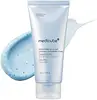
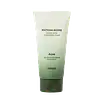
MediCube Zero Pore SA Clear Capsule Cleansing Foam Versus heimish Matcha Biome Amino Acne Cleansing Foam
This salicylic acid foaming cleanser is formulated around Salicylic Acid to clear breakouts and unclog pores.
This salicylic acid foaming cleanser is formulated around Salicylic Acid to clear breakouts and unclog pores.

What's inside
What's inside
 Key Ingredients
Benefits
Concerns
Ingredients Side-by-side
Water
Skin ConditioningGlycerin
Humectant


Sodium Cocoyl Glycinate
Cleansing
Sodium Lauroyl Glutamate
SurfactantLauryl Hydroxysultaine
CleansingCoco-Glucoside
Cleansing
Decyl Glucoside
Cleansing
1,2-Hexanediol
Skin Conditioning
Salicylic Acid 0.45%
Masking










Sodium Chloride
MaskingCaprylyl Glycol
Emollient
Hydroxypropyl Starch Phosphate
Silica
Abrasive
Parfum
Masking

Acrylates/C10-30 Alkyl Acrylate Crosspolymer
Emulsion StabilisingCitric Acid
Buffering
Polyquaternium-67
Dextrin
AbsorbentZea Mays Starch
Absorbent
Microcrystalline Cellulose
AbsorbentMannitol
Humectant
Disodium EDTA
ChelatingSucrose
Humectant
Gardenia Florida Flower Extract
Skin ConditioningSodium Acetate
BufferingUltramarines
Tocopheryl Acetate
Antioxidant

Isopropyl Alcohol
Solvent
Butylene Glycol
Humectant
Gluconolactone
Chelating

Mandelic Acid
Antimicrobial
Salix Alba Bark Extract
Astringent
Melaleuca Viminalis Extract
Flower Extract
Camellia Sinensis Leaf Extract
Antimicrobial
Dioscorea Villosa Root Extract
Skin Conditioning
Coffea Arabica Seed Extract
Masking
Pueraria Lobata Root Extract
HumectantPinus Palustris Leaf Extract
TonicOenothera Biennis Flower Extract
AstringentUlmus Davidiana Root Extract
Skin Conditioning
Mentha Citrata Leaf Extract
Astringent
Pinus Pinaster Leaf Extract
Skin ConditioningWater, Glycerin, Sodium Cocoyl Glycinate, Sodium Lauroyl Glutamate, Lauryl Hydroxysultaine, Coco-Glucoside, Decyl Glucoside, 1,2-Hexanediol, Salicylic Acid 0.45%, Sodium Chloride, Caprylyl Glycol, Hydroxypropyl Starch Phosphate, Silica, Parfum, Acrylates/C10-30 Alkyl Acrylate Crosspolymer, Citric Acid, Polyquaternium-67, Dextrin, Zea Mays Starch, Microcrystalline Cellulose, Mannitol, Disodium EDTA, Sucrose, Gardenia Florida Flower Extract, Sodium Acetate, Ultramarines, Tocopheryl Acetate, Isopropyl Alcohol, Butylene Glycol, Gluconolactone, Mandelic Acid, Salix Alba Bark Extract, Melaleuca Viminalis Extract, Flower Extract, Camellia Sinensis Leaf Extract, Dioscorea Villosa Root Extract, Coffea Arabica Seed Extract, Pueraria Lobata Root Extract, Pinus Palustris Leaf Extract, Oenothera Biennis Flower Extract, Ulmus Davidiana Root Extract, Mentha Citrata Leaf Extract, Pinus Pinaster Leaf Extract
Water
Skin ConditioningGlycerin
Humectant
Sodium Cocoyl Glycinate
Cleansing
Sodium Cocoyl Glutamate
Cleansing
Sodium Methyl Cocoyl Taurate
Cleansing
1,2-Hexanediol
Skin Conditioning
Citric Acid
Buffering
Potassium Cocoyl Glycinate
Surfactant
Sodium Chloride
MaskingGlyceryl Stearate
Emollient
Salicylic Acid
Masking
Camellia Sinensis Leaf Extract
Antimicrobial
Citrus Nobilis Peel Extract
Masking
Butylene Glycol
Humectant
Gardenia Florida Fruit Extract
Skin ConditioningCupressus Sempervirens Leaf/Stem Extract
Skin ConditioningCitrus Aurantium Bergamia Fruit Oil
Masking

Hedera Helix Leaf/Stem Extract
AntimicrobialLitsea Cubeba Fruit Oil
Masking
Ribes Nigrum Leaf Extract
Perfuming
Lactobacillus Ferment
Skin Conditioning
Centella Asiatica Extract
Cleansing
Polygonum Cuspidatum Root Extract
Antioxidant
Scutellaria Baicalensis Root Extract
Astringent
Theobroma Cacao Seed Extract
Antioxidant
Saccharomyces Ferment
Skin Conditioning
Glycyrrhiza Glabra Root Extract
Bleaching
Dextrin
AbsorbentChamomilla Recutita Flower Extract
Masking
Rosmarinus Officinalis Leaf Extract
AntimicrobialLactobacillus Ferment Lysate
Skin Conditioning
Mentha Suaveolens Leaf Extract
AstringentTaraxacum Officinale Leaf Extract
Skin ConditioningThymus Vulgaris Extract
Perfuming
Ethylhexylglycerin
Skin ConditioningWater, Glycerin, Sodium Cocoyl Glycinate, Sodium Cocoyl Glutamate, Sodium Methyl Cocoyl Taurate, 1,2-Hexanediol, Citric Acid, Potassium Cocoyl Glycinate, Sodium Chloride, Glyceryl Stearate, Salicylic Acid, Camellia Sinensis Leaf Extract, Citrus Nobilis Peel Extract, Butylene Glycol, Gardenia Florida Fruit Extract, Cupressus Sempervirens Leaf/Stem Extract, Citrus Aurantium Bergamia Fruit Oil, Hedera Helix Leaf/Stem Extract, Litsea Cubeba Fruit Oil, Ribes Nigrum Leaf Extract, Lactobacillus Ferment, Centella Asiatica Extract, Polygonum Cuspidatum Root Extract, Scutellaria Baicalensis Root Extract, Theobroma Cacao Seed Extract, Saccharomyces Ferment, Glycyrrhiza Glabra Root Extract, Dextrin, Chamomilla Recutita Flower Extract, Rosmarinus Officinalis Leaf Extract, Lactobacillus Ferment Lysate, Mentha Suaveolens Leaf Extract, Taraxacum Officinale Leaf Extract, Thymus Vulgaris Extract, Ethylhexylglycerin
Reviews
Ingredients Explained
These ingredients are found in both products.
Ingredients higher up in an ingredient list are typically present in a larger amount.
1,2-Hexanediol is a synthetic liquid and another multi-functional powerhouse.
It is a:
- Humectant, drawing moisture into the skin
- Emollient, helping to soften skin
- Solvent, dispersing and stabilizing formulas
- Preservative booster, enhancing the antimicrobial activity of other preservatives
Butylene Glycol (or BG) is used within cosmetic products for a few different reasons:
Overall, Butylene Glycol is a safe and well-rounded ingredient that works well with other ingredients.
Though this ingredient works well with most skin types, some people with sensitive skin may experience a reaction such as allergic rashes, closed comedones, or itchiness.
Learn more about Butylene GlycolCamellia Sinensis Leaf Extract (tea extract) is one of the most well-researched plant extracts in skincare with an impressive resume.
Black tea, green tea, and oolong tea are all harvested from the Camellia Sinensis plant.
Studies show green tea extract and its catechins (like epigallocatechin gallate (EGCG)) help your skin cells product energy more efficiently and reducing the number of free-radicals that can damage your skin from the inside.
In lab-grown skin models, this translated to younger, healthier, and stronger skin.
There's also good sun protection data; researchers saw less DNA damage and redness on human skin when green tea was applied before UVB exposure. And the more they applied, the better the protection.
Needless to say, this ingredient shouldn't replace your sunscreen. But it is a great supportive ingredient that you can already find in many sunscreens and antioxidant serums.
A 2009 study found a 2% green tea lotion was effective for mild-to-moderate acne thanks to its anti-inflammatory and mild antimicrobial activity.
The quality of the extract matters a lot here:
Good extracts contain 50-90% catechins while lower quality ones are mostly there for marketing. We recommend reaching out to the brand if you have questions about the quality or source of their ingredients.
Human Repeated Insult Patch Testing showed no irritation or sensitization at use concentrations (0.86% in leave-on products and up to 30% as leaf water).
Learn more about Camellia Sinensis Leaf ExtractCitric Acid is an alpha hydroxy acid (AHA) naturally found in citrus fruits like oranges, lemons, and limes.
Like other AHAs, citric acid can exfoliate skin by breaking down the bonds that hold dead skin cells together. This helps reveal smoother and brighter skin underneath.
However, this exfoliating effect only happens at high concentrations (20%) which can be hard to find in cosmetic products.
Due to this, citric acid is usually included in small amounts as a pH adjuster. This helps keep products slightly more acidic and compatible with skin's natural pH.
In skincare formulas, citric acid can:
While it can provide some skin benefits, research shows lactic acid and glycolic acid are generally more effective and less irritating exfoliants.
Most citric acid used in skincare today is made by fermenting sugars (usually from molasses). This synthetic version is identical to the natural citrus form but easier to stabilize and use in formulations.
Rosacea skin has a lower threshold for acids generally, with 62.5% of rosacea subjects in one study reacting to lactic acid in a sting test. This is why we mark citric acid as a potential rosacea trigger.
However, this ingredient shows up as a pH adjuster or chelator at roughly 0.1-1% in many products. These low levels are unlikely to be an issue for rosacea skin and becomes a potential trigger at exfoliating concentrations (20%). Because everybody's skin is unique, we recommend a patch test if you are unsure.
Learn more about Citric AcidDextrin is a starch-derived polysaccharide. It's made by partially breaking down corn, potato, or other plant starches.
Think of it as "half-processed" starch; it's less complex than the original but not fully broken down into sugar like maltodextrin.
In cosmetics, it mainly functions as a bulking agent, viscosity controller, binder, and absorbent. It helps thicken products, stabilize powders, and get certain textures a less "wet" feel.
This ingredient has a pretty solid safety profile; it's recognized as a safe food additive and its large molecular size means it doesn't meaningfully penetrate skin.
Human repeat insult patch tests using a rinse-off facial product containing 42.69% dextrin found no skin irritation or sensitization in 54 subjects.
Typical real-world usage is much lower: usually under 1% as a texture modifier and up to 40% in masks (rinse off products use less).
Learn more about DextrinGlycerin (or glycerol) is a compound naturally found in your skin. It's a powerhouse humectant that pulls water into the stratum corneum.
Topically, glycerin does several things at once:
Your skin makes glycerin on its own (mostly from sebaceous oil breakdown) and shuttles it to your outermost layer of skin, or your epidermis, via aquaporin-3.
Aquaporin-3 is a transporter that is essential for normal skin hydration, elasticity, and repair. Interestingly, mice lacking in AQP3 have dry and less elastic skin that can be fully corrected with glycerin.
This ingredient is non-irritating, plays well with almost every ingredient, and works across all skin types. Typical use is anywhere between 3-10% but can go up to 79% in some leave-on products.
Just know very high concentrations (>40%) can feel tacky in low humidity.
Glycerin is the name for this ingredient in American English. British English uses Glycerol/Glycerine.
Learn more about GlycerinSalicylic Acid (also known as beta hydroxy acid or BHA) is a well-known ingredient for treating skin that struggles with acne and clogged pores. It exfoliates both the skin's surface and deep within the pores to help clear out buildup, control oil, and reduce inflammation.
Unlike AHAs (alpha hydroxy acids), salicylic acid is oil-soluble. This allows it to penetrate into pores which makes it especially effective for treating blackheads and preventing future breakouts.
Salicylic acid is also known for its soothing properties. It has a similar structure to aspirin and can calm inflamed or irritated skin, making it a good option for acne-prone skin that is also sensitive.
Concentrations of 0.5-2% are recognized by the U.S. FDA as an over-the-counter topical acne product.
It can cause irritation and/or dryness if one's skin already has a compromised moisture barrier, so it's best to focus on repairing that before introducing this ingredient into your routine.
While salicylic acid does not increase sun sensitivity, it’s still important to wear sunscreen daily to protect your skin.
If you are looking for the ingredient called BHA or Butylated Hydroxyanisole, click here.
Learn more about Salicylic AcidChances are, you eat sodium chloride every day. Sodium Chloride is also known as table salt. This ingredient has many purposes in skincare: thickener, emulsifier, and exfoliator.
You'll most likely find this ingredient in cleansers where it is used to create a gel-like texture. As an emulsifier, it also prevents ingredients from separating.
You might see people debate whether Sodium Chloride is comedogenic, but there actually haven't been any comedogenic tests done on it. Either way, the overall formulation of a product matters a lot more than any single ingredient.
You might see this ingredient used in scrubs as a primary exfoliating ingredient.
Learn more about Sodium ChlorideSodium Cocoyl Glycinate is a cleansing agent. It can be naturally derived or synthetically-created.
As a surfactant, it helps clean your skin by gathering dirt, oil, and other pollutants to be rinsed away more easily.
Water. It's the most common cosmetic ingredient of all. You'll usually see it at the top of ingredient lists, meaning that it makes up the largest part of the product.
So why is it so popular? Water most often acts as a solvent - this means that it helps dissolve other ingredients into the formulation.
You'll also recognize water as that liquid we all need to stay alive. If you see this, drink a glass of water. Remember to stay hydrated!
Learn more about Water

