MediCube Kojic Acid Turmeric Niacinamide Serum Versus Dr.Melaxin Peel Shot Exfoliating Kojic Acid Turmeric Spray
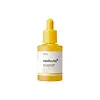
This brightening serum is formulated around Niacinamide and Kojic Acid to fade the look of dark spots and brighten dull-looking skin.

What's inside
What's inside
 Key Ingredients
Benefits
Concerns
Ingredients Side-by-side
Water
Skin ConditioningNiacinamide
Smoothing











Butylene Glycol
Humectant
Jojoba Esters
Emollient

1,2-Hexanediol
Skin Conditioning
Curcuma Longa Root Extract
Antioxidant

Caprylic/Capric/Succinic Triglyceride
EmollientCoco-Caprylate/Caprate
Emollient
Kojic Acid
Antioxidant
Ammonium Acryloyldimethyltaurate/Vp Copolymer
Hydrogenated Castor Oil/Sebacic Acid Copolymer
Emollient
Melia Azadirachta Flower Extract
Skin ConditioningOcimum Sanctum Leaf Extract
Skin ConditioningCoccinia Indica Fruit Extract
Skin Conditioning
Eclipta Prostrata Extract
Skin Conditioning
Melia Azadirachta Leaf Extract
Skin ConditioningAllantoin
Skin Conditioning
Cetyl Alcohol
Emollient
Silica Silylate
Emollient
Sodium Citrate
BufferingEthylhexylglycerin
Skin ConditioningCorallina Officinalis Extract
Skin Conditioning

Adenosine
Skin Conditioning
Chamaecyparis Obtusa Wood Oil
Masking
Behenyl Alcohol
Emollient
Arginine
Masking
Citric Acid
Buffering
Tocopherol
Antioxidant
Panthenol
Skin Conditioning
Squalane
Emollient
Thioctic Acid
Antioxidant
Glycolic Acid
Buffering

Water, Niacinamide, Butylene Glycol, Jojoba Esters, 1,2-Hexanediol, Curcuma Longa Root Extract, Caprylic/Capric/Succinic Triglyceride, Coco-Caprylate/Caprate, Kojic Acid, Ammonium Acryloyldimethyltaurate/Vp Copolymer, Hydrogenated Castor Oil/Sebacic Acid Copolymer, Melia Azadirachta Flower Extract, Ocimum Sanctum Leaf Extract, Coccinia Indica Fruit Extract, Eclipta Prostrata Extract, Melia Azadirachta Leaf Extract, Allantoin, Cetyl Alcohol, Silica Silylate, Sodium Citrate, Ethylhexylglycerin, Corallina Officinalis Extract, Adenosine, Chamaecyparis Obtusa Wood Oil, Behenyl Alcohol, Arginine, Citric Acid, Tocopherol, Panthenol, Squalane, Thioctic Acid, Glycolic Acid
Water
Skin ConditioningPropanediol
Solvent
Quaternium-60
Glycerin
Humectant
Carbomer
Emulsion Stabilising1,2-Hexanediol
Skin Conditioning
Glycereth-25 PCA Isostearate
Emulsifying
Propylene Glycol
Humectant
Sorbitol
Humectant
Saccharide Isomerate
Humectant
Hydroxyacetophenone
Antioxidant
Lavandula Angustifolia Oil
Masking

Citrus Limon Peel Oil
Masking
Coptis Japonica Root Extract
Skin ConditioningCitrus Nobilis Peel Oil
Masking
Butylene Glycol
Humectant
Cedrus Atlantica Bark Oil
Masking
Ethylhexylglycerin
Skin ConditioningCitrus Aurantium Dulcis Peel Oil
Masking
Rosmarinus Officinalis Leaf Oil
Masking
Niacinamide
Smoothing
Citric Acid
Buffering
Sodium Citrate
BufferingTheobroma Cacao Seed Extract
Antioxidant
Cyanocobalamin
Skin ConditioningDextrin
AbsorbentCurcuma Longa Root Extract
Antioxidant
Hydrogenated Lecithin
Emulsifying
Polyglyceryl-10 Laurate
Skin Conditioning
Gluconolactone
Chelating
Kojic Acid
Antioxidant
Panthenol
Skin Conditioning
Caprylic/Capric Triglyceride
Masking
Sodium Ascorbyl Phosphate
Antioxidant
Phospholipids
Skin Conditioning
Retinol
Skin Conditioning
Biotin
AntiseborrhoeicFolic Acid
Skin ConditioningPyridoxine
Skin ConditioningTocopherol
Antioxidant
Beta-Carotene
Skin ConditioningRiboflavin
Cosmetic ColorantThiamine Hcl
MaskingLimonene
Perfuming
Linalool
Perfuming
Water, Propanediol, Quaternium-60, Glycerin, Carbomer, 1,2-Hexanediol, Glycereth-25 PCA Isostearate, Propylene Glycol, Sorbitol, Saccharide Isomerate, Hydroxyacetophenone, Lavandula Angustifolia Oil, Citrus Limon Peel Oil, Coptis Japonica Root Extract, Citrus Nobilis Peel Oil, Butylene Glycol, Cedrus Atlantica Bark Oil, Ethylhexylglycerin, Citrus Aurantium Dulcis Peel Oil, Rosmarinus Officinalis Leaf Oil, Niacinamide, Citric Acid, Sodium Citrate, Theobroma Cacao Seed Extract, Cyanocobalamin, Dextrin, Curcuma Longa Root Extract, Hydrogenated Lecithin, Polyglyceryl-10 Laurate, Gluconolactone, Kojic Acid, Panthenol, Caprylic/Capric Triglyceride, Sodium Ascorbyl Phosphate, Phospholipids, Retinol, Biotin, Folic Acid, Pyridoxine, Tocopherol, Beta-Carotene, Riboflavin, Thiamine Hcl, Limonene, Linalool
Ingredients Explained
These ingredients are found in both products.
Ingredients higher up in an ingredient list are typically present in a larger amount.
1,2-Hexanediol is a synthetic liquid and another multi-functional powerhouse.
It is a:
- Humectant, drawing moisture into the skin
- Emollient, helping to soften skin
- Solvent, dispersing and stabilizing formulas
- Preservative booster, enhancing the antimicrobial activity of other preservatives
Butylene Glycol (or BG) is used within cosmetic products for a few different reasons:
Overall, Butylene Glycol is a safe and well-rounded ingredient that works well with other ingredients.
Though this ingredient works well with most skin types, some people with sensitive skin may experience a reaction such as allergic rashes, closed comedones, or itchiness.
Learn more about Butylene GlycolCitric Acid is an alpha hydroxy acid (AHA) naturally found in citrus fruits like oranges, lemons, and limes.
Like other AHAs, citric acid can exfoliate skin by breaking down the bonds that hold dead skin cells together. This helps reveal smoother and brighter skin underneath.
However, this exfoliating effect only happens at high concentrations (20%) which can be hard to find in cosmetic products.
Due to this, citric acid is usually included in small amounts as a pH adjuster. This helps keep products slightly more acidic and compatible with skin's natural pH.
In skincare formulas, citric acid can:
While it can provide some skin benefits, research shows lactic acid and glycolic acid are generally more effective and less irritating exfoliants.
Most citric acid used in skincare today is made by fermenting sugars (usually from molasses). This synthetic version is identical to the natural citrus form but easier to stabilize and use in formulations.
Rosacea skin has a lower threshold for acids generally, with 62.5% of rosacea subjects in one study reacting to lactic acid in a sting test. This is why we mark citric acid as a potential rosacea trigger.
However, this ingredient shows up as a pH adjuster or chelator at roughly 0.1-1% in many products. These low levels are unlikely to be an issue for rosacea skin and becomes a potential trigger at exfoliating concentrations (20%). Because everybody's skin is unique, we recommend a patch test if you are unsure.
Learn more about Citric AcidCurcuma Longa Root Extract comes from the rhizome (underground stem) of the turmeric plant.
While the official EU Cosing Database lists this ingredient as a fragrance, it actually does more than give products a scent.
This ingredient contains a group of yellow pigments called curcuminoids (mostly curcumin) that give it genuine antioxidant and anti-inflammatory activity in skin.
Reviews of topical clinical studies have found turmeric/curcumin to be generally well-tolerated and useful across conditions like eczema and mild inflammation.
One thing working in its favor is that curcumin barely penetrates; in lab skin-permeation testing, the curcuminoids mostly stayed in the outermost layer of skin. This is a good thing because its soothing and antioxidant activity is a surface-level job anyway.
At this time, industry data shows there's no single "correct" cosmetic percentage. It's used across a wide range depending on the product and varies from tiny fractions of a percent up to a few percent.
Allergy-wise, curcumin is a documented (but uncommon) contact allergen. It can also cross react with related plants, so anyone with a turmeric/ginger/cinnamon allergy or reactive skin should patch test first.
Learn more about Curcuma Longa Root ExtractEthylhexylglycerin is created from glycerin. It is a multitasker ingredient that:
The CIR Expert Panel found minimal skin absorption or sensitization of any kind in a safety assessment. Though this ingredient is considered well-tolerated, a small number of cases of allergic dermatitis have been published since 2002. Just be sure to patch test if you are unsure.
Industry-reported use ranges from 8% in rinse-off products and 2% in leave-on formulations.
Learn more about EthylhexylglycerinKojic Acid is a naturally occurring organic acid that is produced during the fermentation of certain fungi. It is one of the most well-studied brightening ingredients (tyrosinase inhibitors) out there.
That's why you'll see Kojic Acid in products that target dark spots, hyperpigmentation, and general uneven skin tone. It also pairs well with other brightening actives like Alpha Arbutin, Glycolic Acid, and Vitamin C derivatives.
By latching onto the copper that the enzyme tyrosinase needs to function, Kojic Acid prevents less pigment from being made. It's so well-established that researchers regularly use it as the go-to benchmark when testing new brightening ingredients.
Some other perks include documented antioxidant and antimicrobial properties. The The CIR (Cosmetic Ingredient Review) Expert Panel concluded Kojic Acid is safe for use in cosmetic products at concentrations up to 1% and the EU's SCCS (Scientific Committee on Consumer Safety) considers it safe as a skin lightening agent at concentrations up to 0.7%.
One thing to know about Kojic Acid is that stability is its weak spot; it is sensitive to light, heat, and air exposure and will oxidize/turn brown in formulations. Its derivative, Kojic Dipalmitate, was developed as a stable alternative.
Some individuals have reported contact sensitization so be sure to patch test if you have reactive or sensitive skin.
Fun fact: It was first discovered in 1907 and naturally occurs in the production of sake, soy sauce, and miso.
Learn more about Kojic AcidNiacinamide is a multitasking form of vitamin B3 that strengthens the skin barrier, reduces pores and dark spots, regulates oil, and improves signs of aging.
And the best part? It's gentle and well-tolerated by most skin types, including sensitive and reactive skin.
You might have heard of "niacin flush", or the reddening of skin that causes itchiness. Niacinamide has not been found to cause this.
In very rare cases, some individuals may not be able to tolerate niacinamide at all or experience an allergic reaction to it.
If you are experiencing flaking, irritation, and dryness with this ingredient, be sure to double check all your products as this ingredient can be found in all categories of skincare.
When incorporating niacinamide into your routine, look out for concentration amounts. Typically, 5% niacinamide provides benefits such as fading dark spots. However, if you have sensitive skin, it is better to begin with a smaller concentration.
When you apply niacinamide to your skin, your body converts it into nicotinamide adenine dinucleotide (NAD). NAD is an essential coenzyme that is already found in your cells as "fuel" and powers countless biological processes.
In your skin, NAD helps repair cell damage, produce new healthy cells, support collagen production, strengthen the skin barrier, and fight environmental stressors (like UV and pollution).
Our natural NAD levels start to decline with age, leading to slower skin repair, visible aging, and a weaker skin barrier. By providing your skin niacinamide, you're recharging your skin's NAD levels. This leads to stronger, healthier, and younger looking skin.
Another name for vitamin B3 is nicotinamide. This vitamin is water-soluble and our bodies don't store it. We obtain Vitamin B3 from either food or skincare. Meat, fish, wheat, yeast, and leafy greens contain vitamin B3.
The type of niacinamide used in skincare is synthetically created.
Learn more about NiacinamidePanthenol is a common ingredient that helps hydrate and soothe the skin. It is found naturally in our skin and hair.
There are two forms of panthenol: D and L.
D-panthenol is also known as dexpanthenol. Most cosmetics use dexpanthenol or a mixture of D and L-panthenol.
Panthenol is famous due to its ability to go deeper into the skin's layers. Using this ingredient has numerous pros (and no cons):
Like hyaluronic acid, panthenol is a humectant. Humectants are able to bind and hold large amounts of water to keep skin hydrated.
This ingredient works well for wound healing. It works by increasing tissue in the wound and helps close open wounds.
Once oxidized, panthenol converts to pantothenic acid. Panthothenic acid is found in all living cells.
This ingredient is also referred to as pro-vitamin B5.
Learn more about PanthenolSodium Citrate is the sodium salts of citric acid. In skincare, it is used to alter pH levels and acts as a preservative.
Its main functions are to maintain the pH of a product and neutralize metal ions.
The acidity of our skin is maintained by our glands and skin biome; normal pH level of skin is slightly acidic (~4.75-5.5).
Being slightly acidic allows our skin to create an "acid mantle". This acid mantle is a thin barrier that protects our skin from bacteria and contaminants.
Learn more about Sodium CitrateTocopherol is a fat-soluble antioxidant known as Vitamin E.
You'll find this ingredient in the vast majority of skincare (for good reason). It works to neutralize free radicals, or unstable molecules generated by UV exposure, pollution, and other environmental stressors, before they can cause oxidative damage to your skin cells.
Topically applied tocopherol has been shown to protect against UV damage by ramping up the skin's own natural defense enzymes.
It also acts as a skin conditioning agent; some studies show that regular topical use can improve the skin's water-binding capacity over 2-4 weeks.
This ingredient is especially loved for being a team player. When combined with Vitamin C, the photoprotective effect of both ingredients roughly doubles and the combo also helps reduce UV-induced DNA damage.
This ingredient has some brightening potential but it's more of a prevention ingredient than spot-fader. Cell studies show it can slow down melanin production but it's worth noting that it's not the most powerful brightener out there.
In formulations, it also serves as a stabilizer that helps protect other oxidation-prone ingredients from degrading.
Concentrations usually range from 0.1-1% in most leave-on products.
Learn more about TocopherolWater. It's the most common cosmetic ingredient of all. You'll usually see it at the top of ingredient lists, meaning that it makes up the largest part of the product.
So why is it so popular? Water most often acts as a solvent - this means that it helps dissolve other ingredients into the formulation.
You'll also recognize water as that liquid we all need to stay alive. If you see this, drink a glass of water. Remember to stay hydrated!
Learn more about Water

