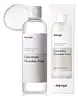
This smoothing toner is formulated around Galactomyces Ferment Filtrate and Gluconolactone to refine skin texture and refine the look of pores.
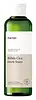
This calming toner is formulated around Centella Asiatica Extract and Niacinamide to calm redness and strengthen the skin barrier.

What's inside
What's inside
 Key Ingredients
Benefits
Concerns
Ingredients Side-by-side
Water
Skin ConditioningGalactomyces Ferment Filtrate
Humectant







Glycerin
Humectant
Butylene Glycol
Humectant
Propanediol
Solvent
Pentylene Glycol
Skin Conditioning
Oryza Sativa Bran Extract
Skin Conditioning
Phaseolus Radiatus Seed Extract
Skin ConditioningGlycine Soja Seed Extract
Skin Conditioning
Salix Alba Bark Extract
Astringent
Carica Papaya Fruit Extract
Skin ConditioningRosmarinus Officinalis Leaf Extract
Antimicrobial1,2-Hexanediol
Skin Conditioning
Panthenol
Skin Conditioning
Betaine
Humectant
Allantoin
Skin Conditioning
Gluconolactone
Chelating




Ethylhexylglycerin
Skin ConditioningCapryloyl Salicylic Acid
Exfoliating
Xanthan Gum
EmulsifyingOctanediol
Tocopherol
Antioxidant

Disodium EDTA
ChelatingWater, Galactomyces Ferment Filtrate, Glycerin, Butylene Glycol, Propanediol, Pentylene Glycol, Oryza Sativa Bran Extract, Phaseolus Radiatus Seed Extract, Glycine Soja Seed Extract, Salix Alba Bark Extract, Carica Papaya Fruit Extract, Rosmarinus Officinalis Leaf Extract, 1,2-Hexanediol, Panthenol, Betaine, Allantoin, Gluconolactone, Ethylhexylglycerin, Capryloyl Salicylic Acid, Xanthan Gum, Octanediol, Tocopherol, Disodium EDTA
Water
Skin ConditioningCentella Asiatica Extract
Cleansing
Butylene Glycol
Humectant
Glycereth-26
Humectant
Glycerin
Humectant
Niacinamide
Smoothing
1,2-Hexanediol
Skin Conditioning
Bifida Ferment Lysate
Skin Conditioning
Asiatic Acid
Skin Conditioning
Asiaticoside
Antioxidant
Madecassic Acid
Skin Conditioning
Madecassoside
Antioxidant
Brassica Oleracea Capitata Leaf Extract
Skin ConditioningMelaleuca Alternifolia Leaf Extract
Perfuming
Chamomilla Recutita Flower Extract
Masking
Cynara Scolymus Leaf Extract
Skin ConditioningOriganum Vulgare Leaf Extract
Skin ConditioningPelargonium Graveolens Extract
Masking
Allantoin
Skin Conditioning
Betaine Salicylate
Antimicrobial
Hydroxyethylcellulose
Emulsion StabilisingHypericum Perforatum Extract
AntimicrobialSalvia Officinalis Leaf Extract
CleansingAlthaea Officinalis Root Extract
Skin Conditioning
Lavandula Angustifolia Flower Extract
Cleansing
Melissa Officinalis Leaf Extract
Skin ConditioningHibiscus Sabdariffa Flower Extract
Skin ConditioningAnthemis Nobilis Flower Extract
Masking
Eucalyptus Globulus Leaf Extract
Perfuming
Capryloyl Salicylic Acid
Exfoliating
Dipotassium Glycyrrhizate
Humectant
Gluconolactone
Chelating
Hyacinthus Orientalis Extract
Skin ConditioningBrassica Oleracea Italica Extract
AstringentPolyglyceryl-10 Myristate
Skin Conditioning
Hydrogenated Phosphatidylcholine
Emulsifying
Caprylic/Capric Triglyceride
Masking
Ethylhexylglycerin
Skin ConditioningSucrose Stearate
EmollientCitric Acid
Buffering
Hydroxyacetophenone
Antioxidant
Borago Officinalis Extract
Emollient
Salvia Sclarea Extract
AntiseborrhoeicCentaurea Cyanus Flower Extract
Astringent
Melia Azadirachta Flower Extract
Skin ConditioningPolyglyceryl-10 Laurate
Skin Conditioning
Cetearyl Alcohol
Emollient



Melia Azadirachta Leaf Extract
Skin ConditioningLavandula Angustifolia Oil
Masking

Disodium EDTA
ChelatingWater, Centella Asiatica Extract, Butylene Glycol, Glycereth-26, Glycerin, Niacinamide, 1,2-Hexanediol, Bifida Ferment Lysate, Asiatic Acid, Asiaticoside, Madecassic Acid, Madecassoside, Brassica Oleracea Capitata Leaf Extract, Melaleuca Alternifolia Leaf Extract, Chamomilla Recutita Flower Extract, Cynara Scolymus Leaf Extract, Origanum Vulgare Leaf Extract, Pelargonium Graveolens Extract, Allantoin, Betaine Salicylate, Hydroxyethylcellulose, Hypericum Perforatum Extract, Salvia Officinalis Leaf Extract, Althaea Officinalis Root Extract, Lavandula Angustifolia Flower Extract, Melissa Officinalis Leaf Extract, Hibiscus Sabdariffa Flower Extract, Anthemis Nobilis Flower Extract, Eucalyptus Globulus Leaf Extract, Capryloyl Salicylic Acid, Dipotassium Glycyrrhizate, Gluconolactone, Hyacinthus Orientalis Extract, Brassica Oleracea Italica Extract, Polyglyceryl-10 Myristate, Hydrogenated Phosphatidylcholine, Caprylic/Capric Triglyceride, Ethylhexylglycerin, Sucrose Stearate, Citric Acid, Hydroxyacetophenone, Borago Officinalis Extract, Salvia Sclarea Extract, Centaurea Cyanus Flower Extract, Melia Azadirachta Flower Extract, Polyglyceryl-10 Laurate, Cetearyl Alcohol, Melia Azadirachta Leaf Extract, Lavandula Angustifolia Oil, Disodium EDTA
Ingredients Explained
These ingredients are found in both products.
Ingredients higher up in an ingredient list are typically present in a larger amount.
1,2-Hexanediol is a synthetic liquid and another multi-functional powerhouse.
It is a:
- Humectant, drawing moisture into the skin
- Emollient, helping to soften skin
- Solvent, dispersing and stabilizing formulas
- Preservative booster, enhancing the antimicrobial activity of other preservatives
Allantoin is a soothing ingredient known for its protective and moisturizing properties; it's basically a quiet workhorse ingredient you can find in a huge range of cosmetics.
Though it can be derived from the comfrey plant, allantoin is produced synthetically for cosmetic products to ensure purity.
Research shows it can encourage your skin cells to turn over and renew by stimulating keratinocyte and fibroblast proliferation.
It also has mild keratolytic properties to help loosen and shed dead skin cells without being harsh.
Studies also suggest allantoin can help calm inflammation by dialing down some of the chemical signals your skin sends out when it is irritated.
This ingredient is typically used in the 0.1-0.5% range, and the FDA recognizes it as a skin protectant in OTC products up to 2%.
Overall, allantoin is a wonderful addition to most routines; it is stable across a wide pH range (~4-8), works well with other ingredients, and is considered non-sensitizing/non-irritating.
Fun fact: Allantoin is naturally occurring in comfrey root, beets, chamomile, and wheat sprouts. Our bodies even produce it as a byproduct of uric acid metabolism.
Learn more about AllantoinButylene Glycol (or BG) is used within cosmetic products for a few different reasons:
Overall, Butylene Glycol is a safe and well-rounded ingredient that works well with other ingredients.
Though this ingredient works well with most skin types, some people with sensitive skin may experience a reaction such as allergic rashes, closed comedones, or itchiness.
Learn more about Butylene GlycolCapryloyl Salicylic Acid comes from salicylic acid, the famous acne-fighting BHA.
It usually goes by a more common name of LHA, or lipohydroxy acid.
Like salicylic acid, this ingredient is a chemical exfoliant that can help break down the oil in your pores and reduce inflammation.
Though studies for LHA do show it to be less effective than salicylic acid. To be fair, salicylic acid is the reigning monarch of acne treatments.
However, a study from 2009 found LHA to be comparable to BPO, making it a good alternative for people with sensitive skin. Another study of 14 patients found a significant decrease in comedones after using LHA.
Another pro of LHA? It is less irritating than salicylic acid due to its large molecule size.
Large molecules cannot penetrate skin as well, so they are gentler on the skin. LHA is much less penetrative than salicylic acid.
An in-vitro study (not done on a living organism) found only 6% of LHA penetrated past the statum corneum compared to 58% of salicylic acid. An in-vivo (done on a living organism) analysis revealed ~17% of LHA was still present in the top layer of skin after 4 days, versus ~9% of salicylic acid.
Interestingly, a study from 2008 found LHA comparable to another famous acid, glycolic acid.
This study found about 10% of LHA is as effective as 20-50% of glycolic acid in treating hyperpigmentation and fine-lines.
Hydroxy acids have been found to stimulate skin protein, lipids, and thermal thickening. This may have anti-aging benefits.
Learn more about Capryloyl Salicylic AcidDisodium EDTA is a chelating agent. It grabs onto and deactivates metal ions that sneak into your products from water, packaging, or air.
This ingredient mainly works behind the scenes and helps with:
On top of that, this ingredient can counteract the effects of hard water by binding to the minerals in it.
One thing worth knowing is that Disodium EDTA has been shown to be a mild penetration enhancer. It can help other ingredients absorb into skin more effectively which can be a double-edged sword (great for actives, but can also make the active too strong if you have sensitive skin).
Clinical patch testing showed no significant skin irritation at typical use concentrations and minimal dermal absorption.
You'll most likely see this ingredient near the end of an ingredient list. It's typically found in concentrations less than 1%.
Learn more about Disodium EDTAEthylhexylglycerin is created from glycerin. It is a multitasker ingredient that:
The CIR Expert Panel found minimal skin absorption or sensitization of any kind in a safety assessment. Though this ingredient is considered well-tolerated, a small number of cases of allergic dermatitis have been published since 2002. Just be sure to patch test if you are unsure.
Industry-reported use ranges from 8% in rinse-off products and 2% in leave-on formulations.
Learn more about EthylhexylglycerinGluconolactone is a PHA. PHAs are a great gentle alternative to traditional AHAs.
When applied, Gluconolactone has the same affect on skin as AHAs such as lactic acid. It helps dissolve the dead skin cells in the top layer of your skin. This improves texture and brightens the skin.
PHAs are more gentle than AHAs due to their larger structure. They do not penetrate as deeply as AHAs and take a longer time to dissolve dead cells. Studies show PHAs do not cause as much irritation.
Gluconolactone has some interesting properties:
In a 2004 study, Gluconolactone was found to prevent UV damage in mouse skin cells and has not been found to increase sun sensitivity. However, we still recommend wearing SPF daily.
This ingredient is is an created by reacting gluconic acid with an alcohol.
Learn more about GluconolactoneGlycerin (or glycerol) is a compound naturally found in your skin. It's a powerhouse humectant that pulls water into the stratum corneum.
Topically, glycerin does several things at once:
Your skin makes glycerin on its own (mostly from sebaceous oil breakdown) and shuttles it to your outermost layer of skin, or your epidermis, via aquaporin-3.
Aquaporin-3 is a transporter that is essential for normal skin hydration, elasticity, and repair. Interestingly, mice lacking in AQP3 have dry and less elastic skin that can be fully corrected with glycerin.
This ingredient is non-irritating, plays well with almost every ingredient, and works across all skin types. Typical use is anywhere between 3-10% but can go up to 79% in some leave-on products.
Just know very high concentrations (>40%) can feel tacky in low humidity.
Glycerin is the name for this ingredient in American English. British English uses Glycerol/Glycerine.
Learn more about GlycerinWater. It's the most common cosmetic ingredient of all. You'll usually see it at the top of ingredient lists, meaning that it makes up the largest part of the product.
So why is it so popular? Water most often acts as a solvent - this means that it helps dissolve other ingredients into the formulation.
You'll also recognize water as that liquid we all need to stay alive. If you see this, drink a glass of water. Remember to stay hydrated!
Learn more about Water

