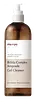
This smoothing exfoliator is formulated around Niacinamide and Papain to refine skin texture and strengthen the skin barrier.

What's inside
What's inside
 Key Ingredients
Benefits
Concerns
Ingredients Side-by-side
Water
Skin ConditioningSodium C14-16 Olefin Sulfonate
Cleansing

Lauryl Betaine
CleansingGlycerin
Humectant


Sodium Chloride
MaskingLactobacillus
Skin ConditioningLactobacillus/Soymilk Ferment Filtrate
Skin ConditioningButylene Glycol
Humectant
Sodium Hyaluronate
Humectant


Hydroxypropyltrimonium Hyaluronate
Hydrolyzed Hyaluronic Acid
Humectant
Sodium Acetylated Hyaluronate
Humectant
Hyaluronic Acid
Humectant
Sodium Hyaluronate Crosspolymer
Humectant
Potassium Hyaluronate
Skin ConditioningHydrogenated Lecithin
Emulsifying
Centella Asiatica Extract
Cleansing

Camellia Sinensis Leaf Extract
Antimicrobial



1,2-Hexanediol
Skin Conditioning
Rosmarinus Officinalis Leaf Extract
AntimicrobialAllantoin
Skin Conditioning
Xylitol
Humectant
Panax Ginseng Berry Extract
Skin Conditioning
Saponaria Officinalis Leaf Extract
AntimicrobialGuar Hydroxypropyltrimonium Chloride
Skin ConditioningMaltodextrin
Absorbent
Hexylene Glycol
EmulsifyingPropylene Glycol Laurate
Skin ConditioningCeramide NP
Skin Conditioning
Bifida Ferment Lysate
Skin Conditioning
Glucose
Humectant
Sodium Bicarbonate
Abrasive
Phytosteryl/Octyldodecyl Lauroyl Glutamate
Skin ConditioningPapain
Skin Conditioning
Xylitylglucoside
Humectant
Anhydroxylitol
Humectant
Fructan
Skin ConditioningEthylhexylglycerin
Skin ConditioningGluconolactone
Chelating

Caprylic/Capric Triglyceride
Masking
Sodium Metabisulfite
Antioxidant
Levulinic Acid
Perfuming

Glycyrrhiza Glabra Root Extract
Bleaching
Chamomilla Recutita Flower Extract
Masking
Caprylyl Glycol
Emollient
Laurylpyridinium Chloride
AntimicrobialXanthan Gum
EmulsifyingDisodium EDTA
ChelatingPolygonum Cuspidatum Root Extract
Antioxidant
Scutellaria Baicalensis Root Extract
Astringent
Water, Sodium C14-16 Olefin Sulfonate, Lauryl Betaine, Glycerin, Sodium Chloride, Lactobacillus, Lactobacillus/Soymilk Ferment Filtrate, Butylene Glycol, Sodium Hyaluronate, Hydroxypropyltrimonium Hyaluronate, Hydrolyzed Hyaluronic Acid, Sodium Acetylated Hyaluronate, Hyaluronic Acid, Sodium Hyaluronate Crosspolymer, Potassium Hyaluronate, Hydrogenated Lecithin, Centella Asiatica Extract, Camellia Sinensis Leaf Extract, 1,2-Hexanediol, Rosmarinus Officinalis Leaf Extract, Allantoin, Xylitol, Panax Ginseng Berry Extract, Saponaria Officinalis Leaf Extract, Guar Hydroxypropyltrimonium Chloride, Maltodextrin, Hexylene Glycol, Propylene Glycol Laurate, Ceramide NP, Bifida Ferment Lysate, Glucose, Sodium Bicarbonate, Phytosteryl/Octyldodecyl Lauroyl Glutamate, Papain, Xylitylglucoside, Anhydroxylitol, Fructan, Ethylhexylglycerin, Gluconolactone, Caprylic/Capric Triglyceride, Sodium Metabisulfite, Levulinic Acid, Glycyrrhiza Glabra Root Extract, Chamomilla Recutita Flower Extract, Caprylyl Glycol, Laurylpyridinium Chloride, Xanthan Gum, Disodium EDTA, Polygonum Cuspidatum Root Extract, Scutellaria Baicalensis Root Extract
Zea Mays Starch
Absorbent
Sodium Cocoyl Isethionate
Cleansing
Sodium Lauroyl Glutamate
SurfactantDiglycerin
Humectant
Niacinamide
Smoothing
Betaine
Humectant
Cellulose Gum
Emulsion StabilisingAllantoin
Skin Conditioning
Maltodextrin
Absorbent
Papain
Skin Conditioning
Bifida Ferment Filtrate
Skin Conditioning
Bifida Ferment Lysate
Skin Conditioning
Lactococcus Ferment Lysate
Skin Conditioning
Lactobacillus Ferment Lysate
Skin Conditioning
Lactobacillus Ferment
Skin Conditioning
Sodium Acetylated Hyaluronate
Humectant
Hydrolyzed Hyaluronic Acid
Humectant
Hyaluronic Acid
Humectant
Sodium Hyaluronate Crosspolymer
Humectant
Hydrolyzed Sodium Hyaluronate
Skin Conditioning
Potassium Hyaluronate
Skin ConditioningSodium Hyaluronate
Humectant
Hydroxypropyltrimonium Hyaluronate
Stearic Acid
Cleansing


Ceramide NP
Skin Conditioning
Ceramide Ns
Skin Conditioning
Ceramide AP
Skin Conditioning
Ceramide As
Skin Conditioning
Ceramide EOP
Skin Conditioning
Phytosphingosine
Skin Conditioning
Cholesterol
Emollient
Hydrogenated Lecithin
Emulsifying
Cetearyl Alcohol
Emollient
Water
Skin ConditioningButylene Glycol
Humectant
Glycerin
Humectant
1,2-Hexanediol
Skin Conditioning
Zea Mays Starch, Sodium Cocoyl Isethionate, Sodium Lauroyl Glutamate, Diglycerin, Niacinamide, Betaine, Cellulose Gum, Allantoin, Maltodextrin, Papain, Bifida Ferment Filtrate, Bifida Ferment Lysate, Lactococcus Ferment Lysate, Lactobacillus Ferment Lysate, Lactobacillus Ferment, Sodium Acetylated Hyaluronate, Hydrolyzed Hyaluronic Acid, Hyaluronic Acid, Sodium Hyaluronate Crosspolymer, Hydrolyzed Sodium Hyaluronate, Potassium Hyaluronate, Sodium Hyaluronate, Hydroxypropyltrimonium Hyaluronate, Stearic Acid, Ceramide NP, Ceramide Ns, Ceramide AP, Ceramide As, Ceramide EOP, Phytosphingosine, Cholesterol, Hydrogenated Lecithin, Cetearyl Alcohol, Water, Butylene Glycol, Glycerin, 1,2-Hexanediol
Ingredients Explained
These ingredients are found in both products.
Ingredients higher up in an ingredient list are typically present in a larger amount.
1,2-Hexanediol is a synthetic liquid and another multi-functional powerhouse.
It is a:
- Humectant, drawing moisture into the skin
- Emollient, helping to soften skin
- Solvent, dispersing and stabilizing formulas
- Preservative booster, enhancing the antimicrobial activity of other preservatives
Allantoin is a soothing ingredient known for its protective and moisturizing properties; it's basically a quiet workhorse ingredient you can find in a huge range of cosmetics.
Though it can be derived from the comfrey plant, allantoin is produced synthetically for cosmetic products to ensure purity.
Research shows it can encourage your skin cells to turn over and renew by stimulating keratinocyte and fibroblast proliferation.
It also has mild keratolytic properties to help loosen and shed dead skin cells without being harsh.
Studies also suggest allantoin can help calm inflammation by dialing down some of the chemical signals your skin sends out when it is irritated.
This ingredient is typically used in the 0.1-0.5% range, and the FDA recognizes it as a skin protectant in OTC products up to 2%.
Overall, allantoin is a wonderful addition to most routines; it is stable across a wide pH range (~4-8), works well with other ingredients, and is considered non-sensitizing/non-irritating.
Fun fact: Allantoin is naturally occurring in comfrey root, beets, chamomile, and wheat sprouts. Our bodies even produce it as a byproduct of uric acid metabolism.
Learn more about AllantoinBifida Ferment Lysate is a postbiotic ingredient made by fermenting Bifidobacterium to extract a nutrient-rich mix of peptides, amino acids, vitamins, organic acids, and polysaccharides.
These components are basically the building blocks that your skin already uses to stay hydrated, repair itself, and maintain its barrier. That's why this ingredient helps your skin hold onto moisture and stay resilient against irritation.
One in-vitro study found that this ingredient tells your skin cells to produce more of the proteins (filaggrin, loricrin, and involucrin) for building a strong and healthy barrier. This study also found this ingredient to be a solid antioxidant that helped neutralize damage against UV and pollution.
A study with people from 2010 found that sensitive, reactive skin using a cream with 10% of this ingredient for a month became noticeably less dry, less reactive, and harder to irritate compared to the group using a plain cream.
In short, this ingredient is a well-tolerated ingredient that can help with barrier repair, antioxidant protection, and calming reactive skin.
This ingredient is generally considered fungal acne (Malassezia) safe; Bifidobacterium is a bacterium, not a yeast or fungus.
The fungal acne concern with fermented ingredients mainly applies to yeast-derived ferments like Saccharomyces and Galactomyces, because those are in the same kingdom as Malassezia and could theoretically contain residual compounds that feed it.
Bifida is a completely different organism, so on its own it doesn't provide a food source for the Malassezia yeast that causes fungal acne.
Learn more about Bifida Ferment LysateButylene Glycol (or BG) is used within cosmetic products for a few different reasons:
Overall, Butylene Glycol is a safe and well-rounded ingredient that works well with other ingredients.
Though this ingredient works well with most skin types, some people with sensitive skin may experience a reaction such as allergic rashes, closed comedones, or itchiness.
Learn more about Butylene GlycolCeramide NP (formerly known as Ceramide 3) is one of the skin's naturally occurring lipids.
Since ceramides are the major lipid components of the skin, they are crucial for maintaining skin barrier and hydration. Ceramide NP most closely mirrors the dominant kind in human skin amongst ceramide subtypes.
This ceramide works by slotting into gaps within the stratum corneum's lipid matrix to limit trans-epidermal water loss (TEWL) and shield the skin against external irritants.
A study with 312 patients found that using a ceramide-containing routine for 4 weeks reduced the severity of atopic dermatitis by over 61%.
Another clinical study in subjects aged 60 and older found that a ceramide body wash and moisturizer improved skin dryness and itchy skin in 15 days.
Overall, ceramides are considered non-irritating and safety tests have found little to no observable adverse effects from using this ingredient.
Ceramide NP is usually sourced from plants (like soybean or rice bran), or produced synthetically.
Learn more about Ceramide NPGlycerin (or glycerol) is a compound naturally found in your skin. It's a powerhouse humectant that pulls water into the stratum corneum.
Topically, glycerin does several things at once:
Your skin makes glycerin on its own (mostly from sebaceous oil breakdown) and shuttles it to your outermost layer of skin, or your epidermis, via aquaporin-3.
Aquaporin-3 is a transporter that is essential for normal skin hydration, elasticity, and repair. Interestingly, mice lacking in AQP3 have dry and less elastic skin that can be fully corrected with glycerin.
This ingredient is non-irritating, plays well with almost every ingredient, and works across all skin types. Typical use is anywhere between 3-10% but can go up to 79% in some leave-on products.
Just know very high concentrations (>40%) can feel tacky in low humidity.
Glycerin is the name for this ingredient in American English. British English uses Glycerol/Glycerine.
Learn more about GlycerinHyaluronic acid (HA) is a glycosaminoglycan (basically a long sugar chain) that your skin already makes on its own. In your skin, HA lives in the extracellular matrix and acts as the body's moisture reservoir.
Topically, HA is a humectant that binds water and helps skin look more plump, smooth, and hydrated.
The only catch is that HA isn't a single thing; it actually comes in a wide range of molecular weights (~50 - 2,000+ kDA) and size matters.
Some clinical evidence links low molecular weight versions to improved wrinkle depth, elasticity, anti-inflammatory effects, and barrier repair.
This is why the best HA serums blend the two sizes together so you get the best of both worlds.
The majority of cosmetic HA is produced by bacterial fermentation, typically using Streptococcus or Bacillus strains. Typical use levels in skincare sit around 0.1-2%.
A clinical study using a 0.2% low-molecular weight HA gel showed improvement in facial seborrheic dermatitis with excellent tolerance.
These are some other common types of Hyaluronic Acid:
Learn more about Hyaluronic AcidHydrogenated Lecithin is a more stable version of lecithin.
It's made by taking lecithin (a phospholipid commonly found in soybeans and egg yolks) and hydrogenating it. This just means the unsaturated fatty acids are turned into saturated ones so they don't go bad as easily.
This ingredient is an emollient, emulsifier, and penetration enhancer. As an emollient, it helps soften and hydrate skin by trapping moisture within. As an emulsifier, it prevents oil and water ingredients from separating.
Hydrogenated Lecithin can form tiny spherical structures made of phospholipid bilayers called liposomes. These liposomes are able to capture compounds inside their structure and deliver them through the skin barrier.
Because phospholipids are a natural component of our cell membranes, this ingredient is inherently compatible with skin.
A 2021 study found lecithin-based surfactants were less harsh and more tolerable comared to Sodium Lauryl Sulfate (SLS).
Learn more about Hydrogenated LecithinHydrolyzed Hyaluronic Acid is hyaluronic acid (HA) that is broken down into lower molecular weight fragments.
It's a humectant that pulls and holds water in the skin to help with hydration, plumpness, and reduce transepidermal water loss.
Because hydrolyzed hyaluronic acid is smaller in size, it can slip past your outermost layer of skin more easily than full-sized HA.
Most formulations will combine all sizes to get the best of both worlds.
Typical usage levels range from 0.01-1%. Any percentage higher than 2% might become goopy and tacky.
Learn more about Hydrolyzed Hyaluronic AcidHydroxypropyltrimonium Hyaluronate is a positively charged version of hyaluronic acid.
This small change does a lot in a formula:
Regular hyaluronic acid carries a negative charge and so does the surface of your skin. This means the two repel each other and hyaluronic acid can be washed away easily. The positive charge here does the opposite: it makes the ingredient cling to your skin (also called "substantivity") so it keeps hydrating even in rinse-off products where it lays down a light, moisture-holding film.
The research backs this up too; a 2025 clinical study on a shower gel containing 0.1% positively charged hyaluronic acid increased skin hydration by 6.6% versus the baseline and 11.1% versus the placebo. This was measured 6 hours after 1 minute of contact and rinse, and on volunteers with very dry skin.
The same team's lab work showed it adhered to skin far better than unmodified hyaluronic acid (+107% vs. low molecular weight, +23% versus high molecular weight). They also found it increased two proteins tied to skin hydration, aquaporin-3 by 16% and filaggrin by 35%.
A separate 2024 study reached a similar conclusion and credited the hydrating benefits to its film-forming properties.
Both studies used the ingredient at 0.1% which also matches how much it usually shows up in products (at fractions of a percent).
One honesty note worth keeping in mind: the published research comes from the company that manufactures the ingredient so independent data would strengthen the picture. However, the results are consistent and the mechanism makes sense.
As a Hyaluronic Acid derivative, it has a well-tolerated profile and suits most skin types.
Learn more about Hydroxypropyltrimonium HyaluronateMaltodextrin is a plant-derived carbohydrate made by breaking down starch (usually from corn, potato, or rice). In cosmetic formulas, it's a multitasking absorbent, emulsion stabilizer, and skin conditioner.
This ingredient is mostly used to stabilize emulsions and improve the powdery, non-greasy feel of products (like dry shampoos).
Safety-wise, this ingredient is pretty solid; it's even recognized as a food additive. Both animal and clinical studies found no adverse effects at the levels used in cosmetics.
Industry data shows this ingredient is used up to 45.7% in spray products and up to 33% in powder products.
Learn more about MaltodextrinPapain is a proteolytic enzyme extracted from unripe papaya fruit. It is a gentle exfoliator that helps remove the dead skin cells from your outermost layer of skin.
Basically, papain works by dissolving the "glue" holding dead skin cells to your skin's surface. This also promotes cell turnover and smooths texture.
Unlike other exfoliants, papain can work without causing significant irritation.
Beyond exfoliation, its proteolytic action also helps soothe irritated skin and supports the healing of minor wounds.
A 2024 in vivo/in vitro study confirmed its potential to suppress skin inflammation and improve transepidermal water loss (TEWL) in atopic dermatitis models.
Just one thing worth noting: there are reports of allergic responses in individuals with a papaya or latex sensitivity. Be sure to patch test if you're in this camp.
Learn more about PapainPotassium hyaluronate (PH) is a salt form of hyaluronic acid and has similar skin hydrating benefits.
Similar to hyaluronic acid, PH is able to draw and hold moisture to your skin. This helps keep skin soft and hydrated.
Fun fact: PH is used in eye drops and injectable treatments for joint disorders. It has lubricating and tissue-repair properties.
Learn more about Potassium HyaluronateSodium Acetylated Hyaluronate is a type of Hyaluronic Acid.
Hyaluronic Acids help moisturize, soothe, and protect the skin.
Read about common types of Hyaluronic Acid here:
Learn more about Sodium Acetylated HyaluronateSodium Hyaluronate is the salt form of hyaluronic acid. It is a long sugar chain that is naturally found in your skin, joints, and connective tissue that maintains hydration and elasticity.
In skincare, it works as a humectant. It pulls water from the environment and deeper layers of skin and binds it to the surface.
Interestingly, the size of the molecule affects its behavior:
Some clinical evidence links low molecular weight versions to improved wrinkle depth, elasticity, anti-inflammatory effects, and barrier repair.
Many serums use a blend of both weights so you can get surface hydration plus longer-lasting and deeper effects.
You'll typically see concentrations between 0.1-2% for this ingredient.
Learn more about Sodium HyaluronateSodium Hyaluronate Crosspolymer is a crosslinked version of sodium hyaluronate. This just means it's linked into a 3D mesh network that lets it be more stable and sit on skin as a cohesive, gel-like film rather than sinking into skin.
A 2016 human skin study found crosslinked HA increased epidermal water content by 7.6% over the control group and reduced transepidermal water loss by 27.8%.
A follow-up clinical trial found that a topical crosslinked HA serum applied after fillers, microneedling, or chemical peels was well-tolerated and enhanced skin quality at 14 / 28 days.
More recent research suggests that concentrations as low as 0.03% can act as a penetration enhancer for other skincare actives.
Learn more about Sodium Hyaluronate CrosspolymerWater. It's the most common cosmetic ingredient of all. You'll usually see it at the top of ingredient lists, meaning that it makes up the largest part of the product.
So why is it so popular? Water most often acts as a solvent - this means that it helps dissolve other ingredients into the formulation.
You'll also recognize water as that liquid we all need to stay alive. If you see this, drink a glass of water. Remember to stay hydrated!
Learn more about Water

