Laneige Water Bank Blue Hyaluronic Cream Moisturizer Versus First Aid Beauty Ultra Repair Barriair cream
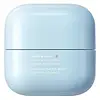
This barrier-repair moisturizer is formulated around Hydrolyzed Hyaluronic Acid and Ceramide AP to strengthen the skin barrier and hydrate skin.
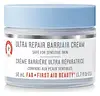
This barrier-repair moisturizer is formulated around Ceramide Ng and Linoleic Acid to strengthen the skin barrier and calm redness.


What's inside
What's inside
 Key Ingredients
Benefits
Concerns
Ingredients Side-by-side
Water
Skin ConditioningGlycerin
Humectant


Butylene Glycol
Humectant
PPG-5 Caprylyl Ether
Skin ConditioningPolyglyceryl-3 Methylglucose Distearate
Emulsifying

Methyl Trimethicone
Skin Conditioning
Glyceryl Stearate
Emollient
Pentaerythrityl Tetraethylhexanoate
Emollient
Ceramide AP
Skin Conditioning



1,2-Hexanediol
Skin Conditioning
Stearyl Dimethicone
Emollient
Bis-Hydroxyethoxypropyl Dimethicone
Emollient
Cetyl Alcohol
Emollient

Lactobacillus Ferment Lysate
Skin Conditioning
Caprylic/Capric/Myristic/Stearic Triglyceride
EmollientPalmitic Acid
Emollient


Stearic Acid
Cleansing
Panthenol
Skin Conditioning
Hydroxyethyl Acrylate/Sodium Acryloyldimethyl Taurate Copolymer
Emulsion StabilisingPropanediol
Solvent
Acrylates/C10-30 Alkyl Acrylate Crosspolymer
Emulsion StabilisingXanthan Gum
EmulsifyingGlyceryl Caprylate
EmollientDextrin
AbsorbentTromethamine
BufferingEthylhexylglycerin
Skin ConditioningDisodium EDTA
ChelatingSorbitan Isostearate
Emulsifying
Allantoin
Skin Conditioning
Hydrolyzed Hyaluronic Acid
Humectant
Ceramide NP
Skin Conditioning
Parfum
Masking


Beta-Glucan
Skin Conditioning
Cholesterol
Emollient
Mannitol
Humectant
Tocopherol
Antioxidant



Acetyl Tetrapeptide-11
Skin Conditioning
Undaria Pinnatifida Extract
Skin ConditioningWater, Glycerin, Butylene Glycol, PPG-5 Caprylyl Ether, Polyglyceryl-3 Methylglucose Distearate, Methyl Trimethicone, Glyceryl Stearate, Pentaerythrityl Tetraethylhexanoate, Ceramide AP, 1,2-Hexanediol, Stearyl Dimethicone, Bis-Hydroxyethoxypropyl Dimethicone, Cetyl Alcohol, Lactobacillus Ferment Lysate, Caprylic/Capric/Myristic/Stearic Triglyceride, Palmitic Acid, Stearic Acid, Panthenol, Hydroxyethyl Acrylate/Sodium Acryloyldimethyl Taurate Copolymer, Propanediol, Acrylates/C10-30 Alkyl Acrylate Crosspolymer, Xanthan Gum, Glyceryl Caprylate, Dextrin, Tromethamine, Ethylhexylglycerin, Disodium EDTA, Sorbitan Isostearate, Allantoin, Hydrolyzed Hyaluronic Acid, Ceramide NP, Parfum, Beta-Glucan, Cholesterol, Mannitol, Tocopherol, Acetyl Tetrapeptide-11, Undaria Pinnatifida Extract
Water
Skin ConditioningGlycerin
Humectant
Propanediol
Solvent
Cetyl Ethylhexanoate
EmollientCaprylic/Capric Triglyceride
Masking
Polymethyl Methacrylate

Oxygen
Skin ConditioningCeramide Ng
Skin Conditioning
Linoleic Acid
Cleansing
Linolenic Acid
Cleansing
Glycyrrhiza Glabra Root Extract
Bleaching
Chrysanthemum Parthenium Extract
Skin ConditioningCamellia Sinensis Leaf Extract
Antimicrobial
Sodium Hyaluronate
Humectant
Tocopherol
Antioxidant
Colloidal Oatmeal
Absorbent
Caprylyl Glycol
Emollient
Hydrolyzed Yeast Extract
Skin ConditioningCetyl Hydroxyethylcellulose
Emulsion StabilisingCholesterol
Emollient
Polyglucuronic Acid
Skin ConditioningCetyl Alcohol
Emollient
Sodium Polyacrylate Starch
AbsorbentStearic Acid
Cleansing
Dipropylene Glycol
HumectantSodium Acrylate/Sodium Acryloyldimethyl Taurate Copolymer
Emulsion StabilisingGlyceryl Stearate
Emollient
Sodium Polyacrylate
Absorbent
Polypropylene
Polysorbate 80
Emulsifying
Steareth-30
CleansingLecithin
Emollient
Ethylhexylglycerin
Skin ConditioningLeuconostoc/Radish Root Ferment Filtrate
Antimicrobial
Phenoxyethanol
Preservative
Perfluorohexane
SolventChlorphenesin
Antimicrobial
Perfluoromethylcyclopentane
Skin ConditioningSodium Benzoate
Masking
Potassium Sorbate
Preservative
Water, Glycerin, Propanediol, Cetyl Ethylhexanoate, Caprylic/Capric Triglyceride, Polymethyl Methacrylate, Oxygen, Ceramide Ng, Linoleic Acid, Linolenic Acid, Glycyrrhiza Glabra Root Extract, Chrysanthemum Parthenium Extract, Camellia Sinensis Leaf Extract, Sodium Hyaluronate, Tocopherol, Colloidal Oatmeal, Caprylyl Glycol, Hydrolyzed Yeast Extract, Cetyl Hydroxyethylcellulose, Cholesterol, Polyglucuronic Acid, Cetyl Alcohol, Sodium Polyacrylate Starch, Stearic Acid, Dipropylene Glycol, Sodium Acrylate/Sodium Acryloyldimethyl Taurate Copolymer, Glyceryl Stearate, Sodium Polyacrylate, Polypropylene, Polysorbate 80, Steareth-30, Lecithin, Ethylhexylglycerin, Leuconostoc/Radish Root Ferment Filtrate, Phenoxyethanol, Perfluorohexane, Chlorphenesin, Perfluoromethylcyclopentane, Sodium Benzoate, Potassium Sorbate
Reviews
Ingredients Explained
These ingredients are found in both products.
Ingredients higher up in an ingredient list are typically present in a larger amount.
Cetyl Alcohol is a fatty alcohol. Fatty Alcohols are most often used as an emollient or to thicken a product.
Its main roles are:
Though it has "alcohol" in the name, it is not related to denatured alcohol or ethyl alcohol.
The FDA allows products labeled "alcohol-free" to have fatty alcohols.
This ingredient may not be fungal acne safe. It is a primary fatty alcohol with a chain length above 12 carbons. A study from 2019 show Malassezia can feed on fatty alcohols in this range, so it may trigger fungal acne in those prone to it.
Learn more about Cetyl AlcoholCholesterol is a lipid that is naturally found in human skin and is one of the three key components of your skin barrier. In skincare, it is an emollient and barrier-repairing ingredient.
It works by fitting directly into the lipid layers of skin to help restore structure and reduce transepidermal water loss (TEWL).
This is a great ingredient for dry, compromised, or aging skin; our skin starts to produce less cholesterol with age.
Research shows cholesterol works best in combination with ceramides and fatty acids, the other two major components in your skin barrier.
Cholesterol is also a well-establish penetration enhancer and can help other actives absorb more effectively.
Cosmetic-grade cholesterol is usually derived from lanolin but plant and synthetic options also exist. We recommend reaching out to the brand if you have questions about their source of cholesterol.
Learn more about CholesterolEthylhexylglycerin is created from glycerin. It is a multitasker ingredient that:
The CIR Expert Panel found minimal skin absorption or sensitization of any kind in a safety assessment. Though this ingredient is considered well-tolerated, a small number of cases of allergic dermatitis have been published since 2002. Just be sure to patch test if you are unsure.
Industry-reported use ranges from 8% in rinse-off products and 2% in leave-on formulations.
Learn more about EthylhexylglycerinGlycerin (or glycerol) is a compound naturally found in your skin. It's a powerhouse humectant that pulls water into the stratum corneum.
Topically, glycerin does several things at once:
Your skin makes glycerin on its own (mostly from sebaceous oil breakdown) and shuttles it to your outermost layer of skin, or your epidermis, via aquaporin-3.
Aquaporin-3 is a transporter that is essential for normal skin hydration, elasticity, and repair. Interestingly, mice lacking in AQP3 have dry and less elastic skin that can be fully corrected with glycerin.
This ingredient is non-irritating, plays well with almost every ingredient, and works across all skin types. Typical use is anywhere between 3-10% but can go up to 79% in some leave-on products.
Just know very high concentrations (>40%) can feel tacky in low humidity.
Glycerin is the name for this ingredient in American English. British English uses Glycerol/Glycerine.
Learn more about GlycerinGlyceryl Stearate is made by reacting glycerin with stearic acid (typically sourced from plant oils like palm or coconut). It's an emulsifier, emollient, and mild occlusive.
Emulsifiers help ingredients like oil and water stay mixed so your formula stays nicely blended and uniform in texture.
This ingredient is typically used in concentrations between 1-10%. Studies have found it to be non-sensitizing, non-phototoxic, and non-photoallergenic.
A close cousin of this ingredient is Glyceryl Stearate SE ("self-emulsifying"). This just has a small amount of sodium or potassium stearate added so it can emulsify without a co-emulsifier.
Since this ingredient is an ester of a C18 fatty acid, it may not be fungal acne safe. The Malassezia yeast can potentially metabolize within the C11-C24 range.
Fun fact: The human body also creates Glyceryl Stearate naturally.
Learn more about Glyceryl StearatePropanediol is an all-star ingredient. It softens, hydrates, and smooths the skin.
It’s often used to:
Propanediol is not likely to cause sensitivity and considered safe to use. It is derived from corn or petroleum with a clear color and no scent.
Learn more about PropanediolStearic Acid is a fatty acid that is already found in your skin. It's one of the free fatty acids that works alongside ceramides and cholesterols to maintain your barrier.
In cosmetics, it is a multitasker:
Safety-wise, the CIR Expert Panel has concluded it to be safe in cosmetics when formulated to be non-irritating and non-sensitizing.
Free stearic acid is a C18 fatty acid that the Malassezia yeast can substrate, so this ingredient may not be fungal acne safe.
Learn more about Stearic AcidTocopherol is a fat-soluble antioxidant known as Vitamin E.
You'll find this ingredient in the vast majority of skincare (for good reason). It works to neutralize free radicals, or unstable molecules generated by UV exposure, pollution, and other environmental stressors, before they can cause oxidative damage to your skin cells.
Topically applied tocopherol has been shown to protect against UV damage by ramping up the skin's own natural defense enzymes.
It also acts as a skin conditioning agent; some studies show that regular topical use can improve the skin's water-binding capacity over 2-4 weeks.
This ingredient is especially loved for being a team player. When combined with Vitamin C, the photoprotective effect of both ingredients roughly doubles and the combo also helps reduce UV-induced DNA damage.
This ingredient has some brightening potential but it's more of a prevention ingredient than spot-fader. Cell studies show it can slow down melanin production but it's worth noting that it's not the most powerful brightener out there.
In formulations, it also serves as a stabilizer that helps protect other oxidation-prone ingredients from degrading.
Concentrations usually range from 0.1-1% in most leave-on products.
Learn more about TocopherolWater. It's the most common cosmetic ingredient of all. You'll usually see it at the top of ingredient lists, meaning that it makes up the largest part of the product.
So why is it so popular? Water most often acts as a solvent - this means that it helps dissolve other ingredients into the formulation.
You'll also recognize water as that liquid we all need to stay alive. If you see this, drink a glass of water. Remember to stay hydrated!
Learn more about Water

