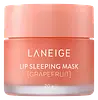
This hydrating lip mask is formulated around Butyrospermum Parkii Butter and Sodium Hyaluronate to hydrate lips and strengthen the lip barrier.
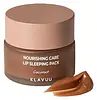
This hydrating lip mask is formulated around Ricinus Communis Seed Oil and Camellia Japonica Seed Oil to hydrate lips.

What's inside
What's inside
 Key Ingredients
Benefits
Concerns
Ingredients Side-by-side
Diisostearyl Malate
EmollientHydrogenated Polyisobutene
EmollientPhytosteryl/Isostearyl/Cetyl/Stearyl/Behenyl Dimer Dilinoleate
Skin Conditioning

Hydrogenated Poly(C6-14 Olefin)
EmollientPolybutene
Microcrystalline Wax
Emulsion StabilisingButyrospermum Parkii Butter
Skin Conditioning




Synthetic Wax
Abrasive
Euphorbia Cerifera Wax
Sucrose Tetrastearate Triacetate
Emollient
Ethylene/Propylene/Styrene Copolymer
Butylene/Ethylene/Styrene Copolymer
Mica
Cosmetic ColorantAstrocaryum Murumuru Seed Butter
Emollient
Limonene
Perfuming


Dimethicone
Emollient

CI 77891
Cosmetic ColorantPolyglyceryl-2 Diisostearate
Emulsifying
Dehydroacetic Acid
Preservative
Parfum
Masking
Polyglyceryl-2 Triisostearate
Emulsifying
Methicone
Emollient
Copernicia Cerifera Cera
Emollient
CI 15985
Cosmetic ColorantCitral
Perfuming
Polyhydroxystearic Acid
Emulsifying
CI 15850
Cosmetic ColorantLinalool
Perfuming
Water
Skin ConditioningBenzyl Benzoate
Antimicrobial
Potassium Alginate
Emulsion StabilisingGlycerin
Humectant
Propanediol
Solvent
Alcohol
Antimicrobial

Lycium Chinense Fruit Extract
Antioxidant
Rubus Idaeus Fruit Extract
AstringentVaccinium Angustifolium Fruit Extract
Skin Protecting
Coffea Arabica Seed Extract
Masking
Sapindus Mukorossi Fruit Extract
Skin ConditioningVaccinium Macrocarpon Fruit Extract
AstringentFragaria Chiloensis Fruit Extract
Skin Conditioning
Rubus Chamaemorus Seed Extract
Skin ConditioningChenopodium Quinoa Seed Extract
Skin Conditioning
Magnesium Sulfate
Calcium Chloride
AstringentSodium Hyaluronate
Humectant

Beta-Glucan
Skin Conditioning
Manganese Sulfate
Skin ConditioningZinc Sulfate
Antimicrobial
Ascorbyl Glucoside
Antioxidant

Diisostearyl Malate, Hydrogenated Polyisobutene, Phytosteryl/Isostearyl/Cetyl/Stearyl/Behenyl Dimer Dilinoleate, Hydrogenated Poly(C6-14 Olefin), Polybutene, Microcrystalline Wax, Butyrospermum Parkii Butter, Synthetic Wax, Euphorbia Cerifera Wax, Sucrose Tetrastearate Triacetate, Ethylene/Propylene/Styrene Copolymer, Butylene/Ethylene/Styrene Copolymer, Mica, Astrocaryum Murumuru Seed Butter, Limonene, Dimethicone, CI 77891, Polyglyceryl-2 Diisostearate, Dehydroacetic Acid, Parfum, Polyglyceryl-2 Triisostearate, Methicone, Copernicia Cerifera Cera, CI 15985, Citral, Polyhydroxystearic Acid, CI 15850, Linalool, Water, Benzyl Benzoate, Potassium Alginate, Glycerin, Propanediol, Alcohol, Lycium Chinense Fruit Extract, Rubus Idaeus Fruit Extract, Vaccinium Angustifolium Fruit Extract, Coffea Arabica Seed Extract, Sapindus Mukorossi Fruit Extract, Vaccinium Macrocarpon Fruit Extract, Fragaria Chiloensis Fruit Extract, Rubus Chamaemorus Seed Extract, Chenopodium Quinoa Seed Extract, Magnesium Sulfate, Calcium Chloride, Sodium Hyaluronate, Beta-Glucan, Manganese Sulfate, Zinc Sulfate, Ascorbyl Glucoside
Polybutene
Dipentaerythrityl Hexahydroxystearate/Hexastearate/Hexarosinate
Skin ConditioningDiisostearyl Malate
EmollientRicinus Communis Seed Oil
Masking
Octyldodecanol
Emollient
Methyl Hydrogenated Rosinate
Perfuming
Ceresin
Emulsion StabilisingSynthetic Wax
Abrasive
Pyrus Malus Seed Oil
Emollient
Camellia Japonica Seed Oil
Emollient
Copernicia Cerifera Wax
Calophyllum Inophyllum Seed Oil
Antimicrobial
Cocos Nucifera Oil
Masking
Persea Gratissima Oil
Skin Conditioning
Ananas Sativus Fruit Extract
Skin ConditioningCarica Papaya Fruit Extract
Skin ConditioningGarcinia Mangostana Peel Extract
Skin ConditioningMangifera Indica Fruit Extract
Skin ConditioningMorinda Citrifolia Extract
AstringentMusa Sapientum Fruit Extract
Skin ConditioningNephelium Lappaceum Branch/Fruit/Leaf Extract
Skin ConditioningPsidium Guajava Fruit Extract
AstringentHydrogenated Castor Oil
Emollient
Ethylene/Propylene Copolymer
Abrasive
Beeswax
Emulsion Stabilising
Disteardimonium Hectorite
StabilisingTocopherol
Antioxidant

Propylene Carbonate
SolventPolyglyceryl-2 Triisostearate
Emulsifying
Caprylic/Capric Triglyceride
Masking
Dehydroacetic Acid
Preservative
Parfum
Masking
CI 77492
Cosmetic ColorantCI 77491
Cosmetic ColorantCI 77499
Cosmetic ColorantPolybutene, Dipentaerythrityl Hexahydroxystearate/Hexastearate/Hexarosinate, Diisostearyl Malate, Ricinus Communis Seed Oil, Octyldodecanol, Methyl Hydrogenated Rosinate, Ceresin, Synthetic Wax, Pyrus Malus Seed Oil, Camellia Japonica Seed Oil, Copernicia Cerifera Wax, Calophyllum Inophyllum Seed Oil, Cocos Nucifera Oil, Persea Gratissima Oil, Ananas Sativus Fruit Extract, Carica Papaya Fruit Extract, Garcinia Mangostana Peel Extract, Mangifera Indica Fruit Extract, Morinda Citrifolia Extract, Musa Sapientum Fruit Extract, Nephelium Lappaceum Branch/Fruit/Leaf Extract, Psidium Guajava Fruit Extract, Hydrogenated Castor Oil, Ethylene/Propylene Copolymer, Beeswax, Disteardimonium Hectorite, Tocopherol, Propylene Carbonate, Polyglyceryl-2 Triisostearate, Caprylic/Capric Triglyceride, Dehydroacetic Acid, Parfum, CI 77492, CI 77491, CI 77499
Reviews
Ingredients Explained
These ingredients are found in both products.
Ingredients higher up in an ingredient list are typically present in a larger amount.
Dehydroacetic Acid is a synthetic preservative that keeps your products safe from microbes.
As an organic acid, it penetrates microbial cell walls and disrupts cellular metabolism. This makes it effective against bacteria, yeast, and mold.
It is effective at low concentrations (<0.6%). Clinical studies have found it to be non-irritating, non-sensitizing, and non-photosensitizing.
Learn more about Dehydroacetic AcidDiisostearyl Malate is an emollient and most often used in lip products. It comes from isostearyl alcohol, a fatty acid, and malic acid, an AHA.
As an emollient, Diisostearyl Malate helps create a thin film on your skin to trap moisture in. This helps keep your skin soft and smooth.
Parfum is a catch-all term for an ingredient or more that is used to give a scent to products.
Also called "fragrance", this ingredient can be a blend of hundreds of chemicals or plant oils. This means every product with "fragrance" or "parfum" in the ingredients list is a different mixture.
For instance, Habanolide is a proprietary trade name for a specific aroma chemical. When used as a fragrance ingredient in cosmetics, most aroma chemicals fall under the broad labeling category of “FRAGRANCE” or “PARFUM” according to EU and US regulations.
The term 'parfum' or 'fragrance' is not regulated in many countries. In many cases, it is up to the brand to define this term.
For instance, many brands choose to label themselves as "fragrance-free" because they are not using synthetic fragrances. However, their products may still contain ingredients such as essential oils that are considered a fragrance by INCI standards.
One example is Calendula flower extract. Calendula is an essential oil that still imparts a scent or 'fragrance'.
Depending on the blend, the ingredients in the mixture can cause allergies and sensitivities on the skin. Some ingredients that are known EU allergens include linalool and citronellol.
Parfum can also be used to mask or cover an unpleasant scent.
The bottom line is: not all fragrances/parfum/ingredients are created equally. If you are worried about fragrances, we recommend taking a closer look at an ingredient. And of course, we always recommend speaking with a professional.
Learn more about ParfumPolybutene is used to help control the viscosity of a product. This just means it helps adjusts the texture.
It is a polymer and does not get absorbed into the skin due to its large size.
Studies found this ingredient did not irritate skin in concentrations below 15%.
Learn more about PolybutenePolyglyceryl-2 Triisostearate is a plant-derived emulsifier and pigment-dispersing agent with a non-sticky skin feel.
It helps products glide on smoothly and prevents oil and water from separating in a formula, making it suitable for sunscreen and makeup formulations.
The EU inventory of cosmetics has no use restrictions on this ingredient and it is considered well-tolerated.
This ingredient may not be fungal acne safe because it is derived from isostearic acid.
Learn more about Polyglyceryl-2 TriisostearateSynthetic Wax is a manufactured hydrocarbon wax. In formulas, it works as an occlusive emollient that helps reduce water loss and improves the spreadability of products.
Research comparing synthetic wax to traditional mineral-derived products found that formulas containing it perform as well for skin hydration.
It is considered non-comedogenic and vegan-friendly.
This ingredient has a well-established safety record by the CIR Expert Panel for Cosmetic Ingredient Safety.
Synthetic Waxes are straight/branched-chain hydrocarbons with no ester bond or fatty acids. That means there is nothing for the Malassezia yeast to feed on.
Learn more about Synthetic Wax

