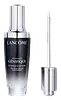
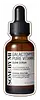
Lancôme Advanced Génifique Youth Activating Concentrate Versus Some By Mi Galactomyces Pure Vitamin C Glow Serum


What's inside
What's inside
 Key Ingredients
Benefits
Concerns
Ingredients Side-by-side
Water
Skin ConditioningBifida Ferment Lysate
Skin Conditioning



Glycerin
Humectant
Alcohol Denat.
Antimicrobial




Dimethicone
Emollient
Hydroxyethylpiperazine Ethane Sulfonic Acid
BufferingAscorbyl Glucoside
Antioxidant


Sodium Hyaluronate
Humectant

Sodium Hydroxide
BufferingSodium Benzoate
Masking
Phenoxyethanol
Preservative
Adenosine
Skin Conditioning
Faex Extract
Skin ConditioningPEG-20 Methyl Glucose Sesquistearate
Emulsifying
PEG-60 Hydrogenated Castor Oil
Emulsifying
Salicyloyl Phytosphingosine
Skin ConditioningAmmonium Polyacryloyldimethyl Taurate
Emulsion StabilisingLimonene
Perfuming

Xanthan Gum
EmulsifyingCaprylyl Glycol
Emollient
Disodium EDTA
Octyldodecanol
Emollient
Citronellol
Perfuming
Parfum
Masking
Water, Bifida Ferment Lysate, Glycerin, Alcohol Denat., Dimethicone, Hydroxyethylpiperazine Ethane Sulfonic Acid, Ascorbyl Glucoside, Sodium Hyaluronate, Sodium Hydroxide, Sodium Benzoate, Phenoxyethanol, Adenosine, Faex Extract, PEG-20 Methyl Glucose Sesquistearate, PEG-60 Hydrogenated Castor Oil, Salicyloyl Phytosphingosine, Ammonium Polyacryloyldimethyl Taurate, Limonene, Xanthan Gum, Caprylyl Glycol, Disodium EDTA, Octyldodecanol, Citronellol, Parfum
Galactomyces Ferment Filtrate
Humectant
Dipropylene Glycol
HumectantGlycerin
Humectant
Ascorbic Acid
Antioxidant
Butylene Glycol
Humectant
Niacinamide
Smoothing



Tromethamine
BufferingWater
Skin ConditioningTrehalose
Humectant
C12-14 Pareth-12
EmulsifyingAllantoin
Skin Conditioning
Hydroxyethylcellulose
Emulsion StabilisingXanthan Gum
EmulsifyingEthylhexylglycerin
Skin ConditioningAdenosine
Skin Conditioning
Citrus Aurantium Bergamia Fruit Oil
Masking
Hydrogenated Lecithin
Emulsifying
Glyceryl Acrylate/Acrylic Acid Copolymer
HumectantSodium Hyaluronate
Humectant
Pvm/Ma Copolymer
Emulsion StabilisingPolyglyceryl-10 Stearate
Skin Conditioning
Lavandula Angustifolia Oil
Masking
Panthenol
Skin Conditioning
Sodium Ascorbyl Phosphate
Antioxidant
Phenylethyl Resorcinol
Antioxidant
Propolis Extract
Skin Conditioning
Aronia Melanocarpa Fruit Extract
Skin ConditioningBambusa Vulgaris Extract
Skin Conditioning
Aspalathus Linearis Extract
Skin ConditioningSaccharide Hydrolysate
HumectantMaltodextrin
Absorbent
Ficus Carica Fruit Extract
Humectant
Phoenix Dactylifera Fruit Extract
EmollientTuber Magnatum Extract
Skin ConditioningPyridoxine
Skin ConditioningHouttuynia Cordata Extract
Skin Conditioning
Folic Acid
Skin ConditioningBiotin
AntiseborrhoeicOpuntia Ficus-Indica Extract
Skin Conditioning
Opuntia Coccinellifera Fruit Extract
Skin ConditioningCaprylic/Capric Triglyceride
Masking
Adansonia Digitata Seed Extract
Skin ConditioningLeuconostoc/Radish Root Ferment Filtrate
Antimicrobial
Sparassis Crispa Extract
Emulsion StabilisingCalendula Officinalis Flower
Skin Conditioning
Brassica Oleracea Italica Extract
AstringentTocopherol
Antioxidant
Cyanocobalamin
Skin ConditioningVaccinium Myrtillus Fruit Extract
Skin ConditioningVaccinium Macrocarpon Fruit Extract
AstringentVaccinium Angustifolium Fruit Extract
Skin Protecting
Rubus Idaeus Fruit Extract
AstringentRubus Fruticosus Fruit Extract
AstringentRibes Nigrum Fruit Extract
Astringent
Euterpe Oleracea Fruit Extract
Spirulina Maxima Extract
SmoothingThiamine Hcl
MaskingLinoleic Acid
Cleansing
Inositol
Humectant
Astaxanthin
Skin Conditioning
Caramel
Cosmetic ColorantLinalool
Perfuming
Limonene
Perfuming
Galactomyces Ferment Filtrate, Dipropylene Glycol, Glycerin, Ascorbic Acid, Butylene Glycol, Niacinamide, Tromethamine, Water, Trehalose, C12-14 Pareth-12, Allantoin, Hydroxyethylcellulose, Xanthan Gum, Ethylhexylglycerin, Adenosine, Citrus Aurantium Bergamia Fruit Oil, Hydrogenated Lecithin, Glyceryl Acrylate/Acrylic Acid Copolymer, Sodium Hyaluronate, Pvm/Ma Copolymer, Polyglyceryl-10 Stearate, Lavandula Angustifolia Oil, Panthenol, Sodium Ascorbyl Phosphate, Phenylethyl Resorcinol, Propolis Extract, Aronia Melanocarpa Fruit Extract, Bambusa Vulgaris Extract, Aspalathus Linearis Extract, Saccharide Hydrolysate, Maltodextrin, Ficus Carica Fruit Extract, Phoenix Dactylifera Fruit Extract, Tuber Magnatum Extract, Pyridoxine, Houttuynia Cordata Extract, Folic Acid, Biotin, Opuntia Ficus-Indica Extract, Opuntia Coccinellifera Fruit Extract, Caprylic/Capric Triglyceride, Adansonia Digitata Seed Extract, Leuconostoc/Radish Root Ferment Filtrate, Sparassis Crispa Extract, Calendula Officinalis Flower, Brassica Oleracea Italica Extract, Tocopherol, Cyanocobalamin, Vaccinium Myrtillus Fruit Extract, Vaccinium Macrocarpon Fruit Extract, Vaccinium Angustifolium Fruit Extract, Rubus Idaeus Fruit Extract, Rubus Fruticosus Fruit Extract, Ribes Nigrum Fruit Extract, Euterpe Oleracea Fruit Extract, Spirulina Maxima Extract, Thiamine Hcl, Linoleic Acid, Inositol, Astaxanthin, Caramel, Linalool, Limonene
Reviews
Ingredients Explained
These ingredients are found in both products.
Ingredients higher up in an ingredient list are typically present in a larger amount.
Adenosine is in every living organism. It is one of four components in nucleic acids that helps store our DNA.
Adenosine has many benefits when used. These benefits include hydrating the skin, smoothing skin, and reducing wrinkles. Once applied, adenosine increases collagen production. It also helps with improving firmness and tissue repair.
Studies have found adenosine may also help with wound healing.
In skincare products, Adenosine is usually derived from yeast.
Learn more about AdenosineGlycerin (or glycerol) is a compound naturally found in your skin. It's a powerhouse humectant that pulls water into the stratum corneum.
Topically, glycerin does several things at once:
Your skin makes glycerin on its own (mostly from sebaceous oil breakdown) and shuttles it to your outermost layer of skin, or your epidermis, via aquaporin-3.
Aquaporin-3 is a transporter that is essential for normal skin hydration, elasticity, and repair. Interestingly, mice lacking in AQP3 have dry and less elastic skin that can be fully corrected with glycerin.
This ingredient is non-irritating, plays well with almost every ingredient, and works across all skin types. Typical use is anywhere between 3-10% but can go up to 79% in some leave-on products.
Just know very high concentrations (>40%) can feel tacky in low humidity.
Glycerin is the name for this ingredient in American English. British English uses Glycerol/Glycerine.
Learn more about GlycerinLimonene is a fragrance that adds scent and taste to a formulation.
It's found in the peel oil of citrus fruits and other plants such as lavender and eucalyptus. The scent of limonene is generally described as "sweet citrus".
Limonene acts as an antioxidant, meaning it helps neutralize free radicals.
When exposed to air, oxidized limonene may sensitize the skin. Because of this, limonene is often avoided by people with sensitive skin.
The term 'fragrance' is not regulated in many countries. In many cases, it is up to the brand to define this term. For instance, many brands choose to label themselves as "fragrance-free" because they are not using synthetic fragrances. However, their products may still contain ingredients such as essential oils that are considered a fragrance.
Learn more about LimoneneSodium Hyaluronate is the salt form of hyaluronic acid. It is a long sugar chain that is naturally found in your skin, joints, and connective tissue that maintains hydration and elasticity.
In skincare, it works as a humectant. It pulls water from the environment and deeper layers of skin and binds it to the surface.
Interestingly, the size of the molecule affects its behavior:
Some clinical evidence links low molecular weight versions to improved wrinkle depth, elasticity, anti-inflammatory effects, and barrier repair.
Many serums use a blend of both weights so you can get surface hydration plus longer-lasting and deeper effects.
You'll typically see concentrations between 0.1-2% for this ingredient.
Learn more about Sodium HyaluronateWater. It's the most common cosmetic ingredient of all. You'll usually see it at the top of ingredient lists, meaning that it makes up the largest part of the product.
So why is it so popular? Water most often acts as a solvent - this means that it helps dissolve other ingredients into the formulation.
You'll also recognize water as that liquid we all need to stay alive. If you see this, drink a glass of water. Remember to stay hydrated!
Learn more about WaterXanthan gum is used as a stabilizer and thickener within cosmetic products. It helps give products a sticky, thick feeling - preventing them from being too runny.
On the technical side of things, xanthan gum is a polysaccharide - a combination consisting of multiple sugar molecules bonded together.
Xanthan gum is a pretty common and great ingredient. It is a natural, non-toxic, non-irritating ingredient that is also commonly used in food products.
Learn more about Xanthan Gum
