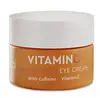
This brightening eye moisturizer is formulated around Ascorbyl Tetraisopalmitate and 3-O-Ethyl Ascorbic Acid to brighten dull-looking skin and fade the look of dark spots.
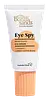
This brightening eye moisturizer is formulated around Sodium Ascorbyl Phosphate and Coffea Arabica Seed Extract to brighten dull-looking skin and soften the look of wrinkles.


What's inside
What's inside
 Key Ingredients
Benefits
Concerns
Ingredients Side-by-side
Water
Skin ConditioningCoco-Caprylate/Caprate
Emollient
Dimethicone
Emollient

Cetearyl Alcohol
Emollient





Myristyl Myristate
Emollient
Isopropyl Myristate
Emollient
Glyceryl Stearate
Emollient
PEG-100 Stearate
Surfactant
Propanediol
Solvent

Phenoxyethanol
Preservative
Mica
Cosmetic ColorantCamellia Sinensis Leaf Extract
Antimicrobial






Lactobacillus Ferment Lysate
Skin Conditioning
Punica Granatum Extract
AstringentSimmondsia Chinensis Seed Oil
Emollient
Tamarindus Indica Seed Polysaccharide
Skin ConditioningXanthan Gum
EmulsifyingAscorbyl Tetraisopalmitate
Antioxidant

Synthetic Fluorphlogopite
Carbomer
Emulsion StabilisingTetrasodium Glutamate Diacetate
ChelatingCaffeine
Skin Conditioning
3-O-Ethyl Ascorbic Acid
Skin Conditioning
Ascorbyl Glucoside
Antioxidant
Ethylhexylglycerin
Skin ConditioningLactobacillus Ferment
Skin Conditioning
Tocopherol
Antioxidant
Sodium Hydroxide
BufferingTin Oxide
Abrasive
Benzophenone-4
UV Absorber
Citric Acid
Buffering
Glycerin
Humectant
Parfum
Masking

Yeast Extract
Skin ConditioningGlycine Soja Oil
Emollient
Lycium Barbarum Fruit Extract
Astringent
Leuconostoc/Radish Root Ferment Filtrate
Antimicrobial
Potassium Sorbate
Preservative
Sodium Stearate
CleansingSorbic Acid
Preservative
Ceteareth-20
Cleansing
Calcium Chloride
AstringentLimonene
Perfuming
Linalool
Perfuming
Benzyl Alcohol
Perfuming
Benzyl Benzoate
Antimicrobial
Citral
Perfuming
CI 77891
Cosmetic ColorantCI 77491
Cosmetic ColorantCI 77492
Cosmetic ColorantWater, Coco-Caprylate/Caprate, Dimethicone, Cetearyl Alcohol, Myristyl Myristate, Isopropyl Myristate, Glyceryl Stearate, PEG-100 Stearate, Propanediol, Phenoxyethanol, Mica, Camellia Sinensis Leaf Extract, Lactobacillus Ferment Lysate, Punica Granatum Extract, Simmondsia Chinensis Seed Oil, Tamarindus Indica Seed Polysaccharide, Xanthan Gum, Ascorbyl Tetraisopalmitate, Synthetic Fluorphlogopite, Carbomer, Tetrasodium Glutamate Diacetate, Caffeine, 3-O-Ethyl Ascorbic Acid, Ascorbyl Glucoside, Ethylhexylglycerin, Lactobacillus Ferment, Tocopherol, Sodium Hydroxide, Tin Oxide, Benzophenone-4, Citric Acid, Glycerin, Parfum, Yeast Extract, Glycine Soja Oil, Lycium Barbarum Fruit Extract, Leuconostoc/Radish Root Ferment Filtrate, Potassium Sorbate, Sodium Stearate, Sorbic Acid, Ceteareth-20, Calcium Chloride, Limonene, Linalool, Benzyl Alcohol, Benzyl Benzoate, Citral, CI 77891, CI 77491, CI 77492
Water
Skin ConditioningGlycerin
Humectant
Caprylic/Capric Glycerides
EmollientVitis Vinifera Seed Oil
Emollient
Cyclohexasiloxane
Emollient
Polyacrylamide
Cyclopentasiloxane
Emollient
Dimethicone
Emollient
Mica
Cosmetic ColorantSodium Citrate
BufferingC13-14 Isoparaffin
Emollient
Sodium Ascorbyl Phosphate
Antioxidant
Phenoxyethanol
Preservative
CI 77891
Cosmetic ColorantGlycine Soja Oil
Emollient
Benzyl Alcohol
Perfuming
Hydrogenated Starch Hydrolysate
HumectantLaureth-7
EmulsifyingCitric Acid
Buffering
Propanediol
Solvent
Erythritol
Humectant
Lecithin
Emollient
CI 77491
Cosmetic ColorantTitanium Dioxide
Cosmetic Colorant
Hibiscus Esculentus Fruit Extract
Skin ConditioningAphanizomenon Flos-Aquae Extract
HumectantDaucus Carota Sativa Root Extract
Skin Conditioning
Terminalia Ferdinandiana Fruit Extract
Antioxidant
CI 75130
Cosmetic ColorantTocopherol
Antioxidant
Potassium Sorbate
Preservative
Coffea Arabica Seed Extract
Masking
Helianthus Annuus Seed Oil
Emollient
Tin Oxide
Abrasive
Sodium Benzoate
Masking
Water, Glycerin, Caprylic/Capric Glycerides, Vitis Vinifera Seed Oil, Cyclohexasiloxane, Polyacrylamide, Cyclopentasiloxane, Dimethicone, Mica, Sodium Citrate, C13-14 Isoparaffin, Sodium Ascorbyl Phosphate, Phenoxyethanol, CI 77891, Glycine Soja Oil, Benzyl Alcohol, Hydrogenated Starch Hydrolysate, Laureth-7, Citric Acid, Propanediol, Erythritol, Lecithin, CI 77491, Titanium Dioxide, Hibiscus Esculentus Fruit Extract, Aphanizomenon Flos-Aquae Extract, Daucus Carota Sativa Root Extract, Terminalia Ferdinandiana Fruit Extract, CI 75130, Tocopherol, Potassium Sorbate, Coffea Arabica Seed Extract, Helianthus Annuus Seed Oil, Tin Oxide, Sodium Benzoate
Reviews
Ingredients Explained
These ingredients are found in both products.
Ingredients higher up in an ingredient list are typically present in a larger amount.
Benzyl Alcohol is an aromatic alcohol with several roles: it's a preservative, solvent, and mild fragrance component with a floral scent.
This ingredient has been deemed safe for use in cosmetic formulations at concentrations up to 5%, and up to 10% in hair dyes. You'll typically see 0.5-2% in most rinse-off or leave-on products.
As a preservative, it works by disrupting the membrane of microbial proteins. This helps keep bacteria and fungi from growing in your products.
The sensitization picture is actually quite assuring as well:of nearly 71,000 patients patch tested with benzyl alcohol, only 0.21% showed a positive reaction with most of them being weakly positive.
This led researchers to conclude that benzyl alcohol cannot be regarded as a significant contact allergen.
It is worth noting this ingredient is classified as one of the EU's regulated fragrance allergens and restricted to 1% in finished products.
Labels must also declare it in concentrations above 0.001% in leave-on products and 0.01% in rinse-off products.
At concentrations around 5%, localized redness and itching can appear as a direct irritant response and not as a true allergic reaction.
Learn more about Benzyl AlcoholCi 77491 is also hydrated iron III oxide. It's sole purpose is to give a red/pink hue to products.
Iron III oxides are classified as inorganic chemicals for coloring.
Synthetically created Ci 77491 is considered safer than those naturally found. This is because the synthetically created version may contain less impurities. Iron oxides are generally non-toxic and non-allergenic.
Learn more about CI 77491Ci 77891 is a white pigment from Titanium dioxide. It is naturally found in minerals such as rutile and ilmenite.
It's main function is to add a white color to cosmetics. It can also be mixed with other colors to create different shades.
Ci 77891 is commonly found in sunscreens due to its ability to block UV rays.
Learn more about CI 77891Citric Acid is an alpha hydroxy acid (AHA) naturally found in citrus fruits like oranges, lemons, and limes.
Like other AHAs, citric acid can exfoliate skin by breaking down the bonds that hold dead skin cells together. This helps reveal smoother and brighter skin underneath.
However, this exfoliating effect only happens at high concentrations (20%) which can be hard to find in cosmetic products.
Due to this, citric acid is usually included in small amounts as a pH adjuster. This helps keep products slightly more acidic and compatible with skin's natural pH.
In skincare formulas, citric acid can:
While it can provide some skin benefits, research shows lactic acid and glycolic acid are generally more effective and less irritating exfoliants.
Most citric acid used in skincare today is made by fermenting sugars (usually from molasses). This synthetic version is identical to the natural citrus form but easier to stabilize and use in formulations.
Rosacea skin has a lower threshold for acids generally, with 62.5% of rosacea subjects in one study reacting to lactic acid in a sting test. This is why we mark citric acid as a potential rosacea trigger.
However, this ingredient shows up as a pH adjuster or chelator at roughly 0.1-1% in many products. These low levels are unlikely to be an issue for rosacea skin and becomes a potential trigger at exfoliating concentrations (20%). Because everybody's skin is unique, we recommend a patch test if you are unsure.
Learn more about Citric AcidDimethicone is a type of synthetic silicone created from natural materials such as quartz. It is also known as polydimethylsiloxane.
What it does:
Dimethicone comes in different viscosities:
Depending on the viscosity, dimethicone has different properties.
Ingredients lists don't always show which type is used, so we recommend reaching out to the brand if you have questions about the viscosity.
This ingredient is unlikely to cause irritation because it does not get absorbed into skin. However, people with silicone allergies should be careful about using this ingredient.
Note: Dimethicone may contribute to pilling. This is because it is not oil or water soluble, so pilling may occur when layered with products. When mixed with heavy oils in a formula, the outcome is also quite greasy.
Learn more about DimethiconeGlycerin (or glycerol) is a compound naturally found in your skin. It's a powerhouse humectant that pulls water into the stratum corneum.
Topically, glycerin does several things at once:
Your skin makes glycerin on its own (mostly from sebaceous oil breakdown) and shuttles it to your outermost layer of skin, or your epidermis, via aquaporin-3.
Aquaporin-3 is a transporter that is essential for normal skin hydration, elasticity, and repair. Interestingly, mice lacking in AQP3 have dry and less elastic skin that can be fully corrected with glycerin.
This ingredient is non-irritating, plays well with almost every ingredient, and works across all skin types. Typical use is anywhere between 3-10% but can go up to 79% in some leave-on products.
Just know very high concentrations (>40%) can feel tacky in low humidity.
Glycerin is the name for this ingredient in American English. British English uses Glycerol/Glycerine.
Learn more about GlycerinGlycine Soja Oil is a plant-derived oil from soybean seeds. Like other oils, it is rich in essential fatty acids (mostly linoleic and oleic) that support skin hydration and barrier function.
The fatty acids are able to integrate into the lipid matrix of the stratum corneum to help soften skin and reduce water loss.
On top of that, soybean oil is rich in vitamins like vitamin E, a potent antioxidant.
Research on soybean's active components also point to anti-inflammatory, collagen-stimulating, antioxidant activity, and protection against UV-induced oxidative damage.
Most of this research applies to the broader soybean plant and not just the oil fraction alone.
This ingredient does carry a comedogenic rating of 3 from the old rabbit-ear assay. Just remember testing finished products in humans showed that formulas built with "comedogenic" ingredients are not necessarily comedogenic themselves. It's worth patch testing if you're breakout prone, and always listen to your skin.
Because this ingredient is a saturated triglyceride, it may not be fungal acne safe. This is because Malassezia breaks down sebum triglycerides into fatty acids it can consume, making this ingredient a possible source for the yeast.
Learn more about Glycine Soja OilMica is a naturally occurring mineral used to add shimmer and color in cosmetics. It can also help improve the texture of a product or give it an opaque, white/silver color.
Serecite is the name for very fine but ragged grains of mica.
This ingredient is often coated with metal oxides like titanium dioxide. Trace amounts of heavy metals may be found in mica, but these metals are not harmful in our personal products.
Mica has been used since prehistoric times throughout the world. Ancient Egyptian, Indian, Greek, Roman, Aztec, and Chinese civilizations have used mica.
Learn more about MicaPhenoxyethanol is one of the most widely used preservatives in skincare (and for good reason!).
It has a large spectrum of antimicrobial activity and especially effective bacteria, yeast, and mold while only having a weak effect on your skin's natural microbiome.
On a cellular level, it disrupts the cell membranes of microbes by poking holes that make the cell leak. This shuts down the chemical reactions the microbe needs to make energy so it can no longer survive.
Another perk of this ingredient is that it stays functional across a wide pH range (3-10).
You'll often see it paired with boosters like Ethylhexylglycerin; one study showed that a 1:9 ratio of Ethylhexylglycerin to Phenoxyethanol damages bacterial membranes as effectively as doubling the Phenoxyethanol concentration on its own.
Typical use concentrations range from 0.3-1% depending on the formula, and this ingredient is capped at 1% int the EU.
Safety-wise, the fear mongering does not hold up to the evidence. The EU's Scientific Committee on Consumer Safety and FDA consider it safe as a preservative at up to 1%, including for children of all ages.
Adverse systemic effects only showed up in animal studies at exposures roughly 200x higher than what people get from cosmetics. And despite its very widespread use, this ingredient is a rare sensitizer and allergic reactions are uncommon.
Learn more about PhenoxyethanolPotassium Sorbate is a preservative used to prevent yeast and mold in products. It is commonly found in both cosmetic and food products.
This ingredient comes from potassium salt derived from sorbic acid. Sorbic acid is a natural antibiotic and effective against fungus.
Both potassium sorbate and sorbic acid can be found in baked goods, cheeses, dried meats, dried fruit, ice cream, pickles, wine, yogurt, and more.
You'll often find this ingredient used with other preservatives.
Learn more about Potassium SorbatePropanediol is an all-star ingredient. It softens, hydrates, and smooths the skin.
It’s often used to:
Propanediol is not likely to cause sensitivity and considered safe to use. It is derived from corn or petroleum with a clear color and no scent.
Learn more about PropanediolTin Oxide is an inorganic oxide used to add opacity and volume to a product. In nature, it is already found in mineral form. The main ore of tin is an opaque and shiny mineral called casseterite.
Tin Oxide helps remove translucency in a product, or make it more opaque. Besides adding opacity, tin oxide is used for bulking to add volume.
Tocopherol is a fat-soluble antioxidant known as Vitamin E.
You'll find this ingredient in the vast majority of skincare (for good reason). It works to neutralize free radicals, or unstable molecules generated by UV exposure, pollution, and other environmental stressors, before they can cause oxidative damage to your skin cells.
Topically applied tocopherol has been shown to protect against UV damage by ramping up the skin's own natural defense enzymes.
It also acts as a skin conditioning agent; some studies show that regular topical use can improve the skin's water-binding capacity over 2-4 weeks.
This ingredient is especially loved for being a team player. When combined with Vitamin C, the photoprotective effect of both ingredients roughly doubles and the combo also helps reduce UV-induced DNA damage.
This ingredient has some brightening potential but it's more of a prevention ingredient than spot-fader. Cell studies show it can slow down melanin production but it's worth noting that it's not the most powerful brightener out there.
In formulations, it also serves as a stabilizer that helps protect other oxidation-prone ingredients from degrading.
Concentrations usually range from 0.1-1% in most leave-on products.
Learn more about TocopherolWater. It's the most common cosmetic ingredient of all. You'll usually see it at the top of ingredient lists, meaning that it makes up the largest part of the product.
So why is it so popular? Water most often acts as a solvent - this means that it helps dissolve other ingredients into the formulation.
You'll also recognize water as that liquid we all need to stay alive. If you see this, drink a glass of water. Remember to stay hydrated!
Learn more about Water

