

What's inside
What's inside
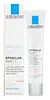 Key Ingredients
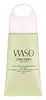
Benefits
Concerns
Ingredients Side-by-side
Water
Skin ConditioningGlycerin
Humectant


Dimethicone
Emollient
Isocetyl Stearate
Emollient


Niacinamide
Smoothing









Isopropyl Lauroyl Sarcosinate
Skin ConditioningAmmonium Polyacryloyldimethyl Taurate
Emulsion StabilisingMethyl Methacrylate Crosspolymer
T-Butyl Alcohol
Perfuming


Sodium Hydroxide
BufferingOleic Acid
Emollient
Salicylic Acid
Masking



Silica Silylate
Emollient
Poloxamer 338
EmulsifyingNylon-12

Polysorbate 80
Emulsifying
Zinc PCA
Humectant
Linoleic Acid
Cleansing
Pentaerythrityl Tetra-Di-T-Butyl Hydroxyhydrocinnamate
Antioxidant
Isohexadecane
EmollientOleamide
Octanediol
Capryloyl Salicylic Acid
Exfoliating
Caprylyl Glycol
Emollient
Piroctone Olamine
Preservative
Myristyl Myristate
Emollient
Acrylamide/Sodium Acryloyldimethyltaurate Copolymer
Emulsion StabilisingParfum
Masking
Sorbitan Oleate
Emulsifying
Disodium EDTA
Potassium Cetyl Phosphate
EmulsifyingBHT
Antioxidant
Glyceryl Stearate Se
Emulsifying
CI 77891
Cosmetic ColorantCI 77491
Cosmetic ColorantCI 77492
Cosmetic ColorantCI 77499
Cosmetic ColorantMica
Cosmetic ColorantWater, Glycerin, Dimethicone, Isocetyl Stearate, Niacinamide, Isopropyl Lauroyl Sarcosinate, Ammonium Polyacryloyldimethyl Taurate, Methyl Methacrylate Crosspolymer, T-Butyl Alcohol, Sodium Hydroxide, Oleic Acid, Salicylic Acid, Silica Silylate, Poloxamer 338, Nylon-12, Polysorbate 80, Zinc PCA, Linoleic Acid, Pentaerythrityl Tetra-Di-T-Butyl Hydroxyhydrocinnamate, Isohexadecane, Oleamide, Octanediol, Capryloyl Salicylic Acid, Caprylyl Glycol, Piroctone Olamine, Myristyl Myristate, Acrylamide/Sodium Acryloyldimethyltaurate Copolymer, Parfum, Sorbitan Oleate, Disodium EDTA, Potassium Cetyl Phosphate, BHT, Glyceryl Stearate Se, CI 77891, CI 77491, CI 77492, CI 77499, Mica
Cyclopentasiloxane
Emollient
Sd Alcohol 40-B
Astringent
Glycerin
Humectant
Methyl Methacrylate Crosspolymer
Dimethicone
Emollient
PEG-10 Dimethicone
Skin Conditioning
Polybutylene Glycol/PPG-9/1 Copolymer
Skin ConditioningLauryl PEG-9 Polydimethylsiloxyethyl Dimethicone
Skin Conditioning
Polymethylsilsesquioxane
Talc
Abrasive
Erythritol
Humectant
Silica
Abrasive
Trehalose
Humectant
Disteardimonium Hectorite
StabilisingTrimethylsiloxysilicate
Emollient
Caffeine
Skin Conditioning
Betaine
Humectant
PEG/PPG-17/4 Dimethyl Ether
Skin ConditioningPhytosteryl/Octyldodecyl Lauroyl Glutamate
Skin ConditioningDipeptide-15
Skin Conditioning
Eriobotrya Japonica Leaf Protoplasts
Antioxidant
Paeonia Albiflora Root Extract
Skin ConditioningLamium Album Flower/Leaf/Stem Extract
Skin ConditioningCitrus Junos Seed Extract
Antioxidant
Eriobotrya Japonica Leaf Extract
Skin ConditioningAluminum Hydroxide
EmollientStearic Acid
Cleansing
Isostearic Acid
Cleansing
Butylene Glycol
Humectant
Trisodium EDTA
Polyester-1
Alcohol
Antimicrobial
Silica Dimethyl Silylate
EmollientAlumina
Abrasive
Triethoxycaprylylsilane
Hydrogen Dimethicone
BHT
Antioxidant
Tocopherol
Antioxidant
Phenoxyethanol
Preservative
Benzoic Acid
Masking
Parfum
Masking
Titanium Dioxide
Cosmetic Colorant
Iron Oxides
Mica
Cosmetic ColorantCyclopentasiloxane, Sd Alcohol 40-B, Glycerin, Methyl Methacrylate Crosspolymer, Dimethicone, PEG-10 Dimethicone, Polybutylene Glycol/PPG-9/1 Copolymer, Lauryl PEG-9 Polydimethylsiloxyethyl Dimethicone, Polymethylsilsesquioxane, Talc, Erythritol, Silica, Trehalose, Disteardimonium Hectorite, Trimethylsiloxysilicate, Caffeine, Betaine, PEG/PPG-17/4 Dimethyl Ether, Phytosteryl/Octyldodecyl Lauroyl Glutamate, Dipeptide-15, Eriobotrya Japonica Leaf Protoplasts, Paeonia Albiflora Root Extract, Lamium Album Flower/Leaf/Stem Extract, Citrus Junos Seed Extract, Eriobotrya Japonica Leaf Extract, Aluminum Hydroxide, Stearic Acid, Isostearic Acid, Butylene Glycol, Trisodium EDTA, Polyester-1, Alcohol, Silica Dimethyl Silylate, Alumina, Triethoxycaprylylsilane, Hydrogen Dimethicone, BHT, Tocopherol, Phenoxyethanol, Benzoic Acid, Parfum, Titanium Dioxide, Iron Oxides, Mica
Reviews
Ingredients Explained
These ingredients are found in both products.
Ingredients higher up in an ingredient list are typically present in a larger amount.
BHT is a synthetic antioxidant and preservative.
As an antioxidant, it helps your body fight off free-radicals. Free-radicals are molecules that may damage your skin cells.
As a preservative, it is used to stabilize products and prevent them from degrading. Specifically, BHT prevents degradation from oxidation.
The concerns related to BHT come from oral studies; this ingredient is currently allowed for use by both the FDA and EU.
However, it was recently restricted for use in the UK as of April 2024.
Learn more about BHTDimethicone is a type of synthetic silicone created from natural materials such as quartz. It is also known as polydimethylsiloxane.
What it does:
Dimethicone comes in different viscosities:
Depending on the viscosity, dimethicone has different properties.
Ingredients lists don't always show which type is used, so we recommend reaching out to the brand if you have questions about the viscosity.
This ingredient is unlikely to cause irritation because it does not get absorbed into skin. However, people with silicone allergies should be careful about using this ingredient.
Note: Dimethicone may contribute to pilling. This is because it is not oil or water soluble, so pilling may occur when layered with products. When mixed with heavy oils in a formula, the outcome is also quite greasy.
Learn more about DimethiconeGlycerin (or glycerol) is a compound naturally found in your skin. It's a powerhouse humectant that pulls water into the stratum corneum.
Topically, glycerin does several things at once:
Your skin makes glycerin on its own (mostly from sebaceous oil breakdown) and shuttles it to your outermost layer of skin, or your epidermis, via aquaporin-3.
Aquaporin-3 is a transporter that is essential for normal skin hydration, elasticity, and repair. Interestingly, mice lacking in AQP3 have dry and less elastic skin that can be fully corrected with glycerin.
This ingredient is non-irritating, plays well with almost every ingredient, and works across all skin types. Typical use is anywhere between 3-10% but can go up to 79% in some leave-on products.
Just know very high concentrations (>40%) can feel tacky in low humidity.
Glycerin is the name for this ingredient in American English. British English uses Glycerol/Glycerine.
Learn more about GlycerinThis ingredient comes as a powder made up of small, porous, microbeads. It is used to add a silky feel to products and also helps absorb oil.
Mica is a naturally occurring mineral used to add shimmer and color in cosmetics. It can also help improve the texture of a product or give it an opaque, white/silver color.
Serecite is the name for very fine but ragged grains of mica.
This ingredient is often coated with metal oxides like titanium dioxide. Trace amounts of heavy metals may be found in mica, but these metals are not harmful in our personal products.
Mica has been used since prehistoric times throughout the world. Ancient Egyptian, Indian, Greek, Roman, Aztec, and Chinese civilizations have used mica.
Learn more about MicaParfum is a catch-all term for an ingredient or more that is used to give a scent to products.
Also called "fragrance", this ingredient can be a blend of hundreds of chemicals or plant oils. This means every product with "fragrance" or "parfum" in the ingredients list is a different mixture.
For instance, Habanolide is a proprietary trade name for a specific aroma chemical. When used as a fragrance ingredient in cosmetics, most aroma chemicals fall under the broad labeling category of “FRAGRANCE” or “PARFUM” according to EU and US regulations.
The term 'parfum' or 'fragrance' is not regulated in many countries. In many cases, it is up to the brand to define this term.
For instance, many brands choose to label themselves as "fragrance-free" because they are not using synthetic fragrances. However, their products may still contain ingredients such as essential oils that are considered a fragrance by INCI standards.
One example is Calendula flower extract. Calendula is an essential oil that still imparts a scent or 'fragrance'.
Depending on the blend, the ingredients in the mixture can cause allergies and sensitivities on the skin. Some ingredients that are known EU allergens include linalool and citronellol.
Parfum can also be used to mask or cover an unpleasant scent.
The bottom line is: not all fragrances/parfum/ingredients are created equally. If you are worried about fragrances, we recommend taking a closer look at an ingredient. And of course, we always recommend speaking with a professional.
Learn more about Parfum
