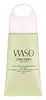
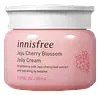
Shiseido Waso Color-Smart Day Moisturizer Oil-Free SPF 30 Versus innisfree Jeju Cherry Blossom Jelly Cream
This oil-control day moisturizer is formulated around Methyl Methacrylate Crosspolymer and Caffeine to balance excess oil.
This brightening moisturizer is formulated around Niacinamide to brighten dull-looking skin.


What's inside
What's inside
 Key Ingredients
Benefits
Concerns
Ingredients Side-by-side
Cyclopentasiloxane
Emollient
Sd Alcohol 40-B
Astringent


Glycerin
Humectant


Methyl Methacrylate Crosspolymer

Dimethicone
Emollient
PEG-10 Dimethicone
Skin Conditioning
Polybutylene Glycol/PPG-9/1 Copolymer
Skin ConditioningLauryl PEG-9 Polydimethylsiloxyethyl Dimethicone
Skin Conditioning
Polymethylsilsesquioxane
Talc
Abrasive
Erythritol
Humectant
Silica
Abrasive
Trehalose
Humectant
Disteardimonium Hectorite
StabilisingTrimethylsiloxysilicate
Emollient
Caffeine
Skin Conditioning
Betaine
Humectant
PEG/PPG-17/4 Dimethyl Ether
Skin ConditioningPhytosteryl/Octyldodecyl Lauroyl Glutamate
Skin ConditioningDipeptide-15
Skin Conditioning
Eriobotrya Japonica Leaf Protoplasts
Antioxidant
Paeonia Albiflora Root Extract
Skin ConditioningLamium Album Flower/Leaf/Stem Extract
Skin ConditioningCitrus Junos Seed Extract
Antioxidant

Eriobotrya Japonica Leaf Extract
Skin ConditioningAluminum Hydroxide
EmollientStearic Acid
Cleansing
Isostearic Acid
Cleansing
Butylene Glycol
Humectant
Trisodium EDTA
ChelatingPolyester-1
Alcohol
Antimicrobial
Silica Dimethyl Silylate
EmollientAlumina
Abrasive
Triethoxycaprylylsilane
Hydrogen Dimethicone
BHT
Antioxidant
Tocopherol
Antioxidant



Phenoxyethanol
Preservative
Benzoic Acid
Masking
Parfum
Masking

Titanium Dioxide
Cosmetic Colorant

Iron Oxides
Mica
Cosmetic ColorantCyclopentasiloxane, Sd Alcohol 40-B, Glycerin, Methyl Methacrylate Crosspolymer, Dimethicone, PEG-10 Dimethicone, Polybutylene Glycol/PPG-9/1 Copolymer, Lauryl PEG-9 Polydimethylsiloxyethyl Dimethicone, Polymethylsilsesquioxane, Talc, Erythritol, Silica, Trehalose, Disteardimonium Hectorite, Trimethylsiloxysilicate, Caffeine, Betaine, PEG/PPG-17/4 Dimethyl Ether, Phytosteryl/Octyldodecyl Lauroyl Glutamate, Dipeptide-15, Eriobotrya Japonica Leaf Protoplasts, Paeonia Albiflora Root Extract, Lamium Album Flower/Leaf/Stem Extract, Citrus Junos Seed Extract, Eriobotrya Japonica Leaf Extract, Aluminum Hydroxide, Stearic Acid, Isostearic Acid, Butylene Glycol, Trisodium EDTA, Polyester-1, Alcohol, Silica Dimethyl Silylate, Alumina, Triethoxycaprylylsilane, Hydrogen Dimethicone, BHT, Tocopherol, Phenoxyethanol, Benzoic Acid, Parfum, Titanium Dioxide, Iron Oxides, Mica
Water
Skin ConditioningGlycerin
Humectant
Propanediol
Solvent
Dipropylene Glycol
HumectantNiacinamide
Smoothing


Betaine
Humectant
1,2-Hexanediol
Skin Conditioning
Carbomer
Emulsion StabilisingTromethamine
BufferingAmmonium Acryloyldimethyltaurate/Beheneth-25 Methacrylate Crosspolymer
Emulsion StabilisingDisodium EDTA
ChelatingEthylhexylglycerin
Skin ConditioningParfum
Masking
Prunus Yedoensis Leaf Extract
Skin ConditioningTocopherol
Antioxidant
Reviews
Ingredients Explained
These ingredients are found in both products.
Ingredients higher up in an ingredient list are typically present in a larger amount.
Betaine is a humectant. Like hyaluronic acid, it helps attract and retain moisture in the skin. It’s known for being gentle and for helping the skin maintain balanced hydration.
Betaine is mainly used to improve hydration and support calmer skin. It helps skin cells regulate water balance because it functions as an osmolyte.
Some studies suggest betaine may support making skin tone more even.
Fun fact: Betaine naturally exists in the skin and the body. In cosmetic products, it can be either plant-derived (most commonly from sugar beets) or synthetically produced for consistency and stability.
Betaine is also known as trimethylglycine.
Learn more about BetaineGlycerin (or glycerol) is a compound naturally found in your skin. It's a powerhouse humectant that pulls water into the stratum corneum.
Topically, glycerin does several things at once:
Your skin makes glycerin on its own (mostly from sebaceous oil breakdown) and shuttles it to your outermost layer of skin, or your epidermis, via aquaporin-3.
Aquaporin-3 is a transporter that is essential for normal skin hydration, elasticity, and repair. Interestingly, mice lacking in AQP3 have dry and less elastic skin that can be fully corrected with glycerin.
This ingredient is non-irritating, plays well with almost every ingredient, and works across all skin types. Typical use is anywhere between 3-10% but can go up to 79% in some leave-on products.
Just know very high concentrations (>40%) can feel tacky in low humidity.
Glycerin is the name for this ingredient in American English. British English uses Glycerol/Glycerine.
Learn more about GlycerinParfum is a catch-all term for an ingredient or more that is used to give a scent to products.
Also called "fragrance", this ingredient can be a blend of hundreds of chemicals or plant oils. This means every product with "fragrance" or "parfum" in the ingredients list is a different mixture.
For instance, Habanolide is a proprietary trade name for a specific aroma chemical. When used as a fragrance ingredient in cosmetics, most aroma chemicals fall under the broad labeling category of “FRAGRANCE” or “PARFUM” according to EU and US regulations.
The term 'parfum' or 'fragrance' is not regulated in many countries. In many cases, it is up to the brand to define this term.
For instance, many brands choose to label themselves as "fragrance-free" because they are not using synthetic fragrances. However, their products may still contain ingredients such as essential oils that are considered a fragrance by INCI standards.
One example is Calendula flower extract. Calendula is an essential oil that still imparts a scent or 'fragrance'.
Depending on the blend, the ingredients in the mixture can cause allergies and sensitivities on the skin. Some ingredients that are known EU allergens include linalool and citronellol.
Parfum can also be used to mask or cover an unpleasant scent.
The bottom line is: not all fragrances/parfum/ingredients are created equally. If you are worried about fragrances, we recommend taking a closer look at an ingredient. And of course, we always recommend speaking with a professional.
Learn more about ParfumTocopherol is a fat-soluble antioxidant known as Vitamin E.
You'll find this ingredient in the vast majority of skincare (for good reason). It works to neutralize free radicals, or unstable molecules generated by UV exposure, pollution, and other environmental stressors, before they can cause oxidative damage to your skin cells.
Topically applied tocopherol has been shown to protect against UV damage by ramping up the skin's own natural defense enzymes.
It also acts as a skin conditioning agent; some studies show that regular topical use can improve the skin's water-binding capacity over 2-4 weeks.
This ingredient is especially loved for being a team player. When combined with Vitamin C, the photoprotective effect of both ingredients roughly doubles and the combo also helps reduce UV-induced DNA damage.
This ingredient has some brightening potential but it's more of a prevention ingredient than spot-fader. Cell studies show it can slow down melanin production but it's worth noting that it's not the most powerful brightener out there.
In formulations, it also serves as a stabilizer that helps protect other oxidation-prone ingredients from degrading.
Concentrations usually range from 0.1-1% in most leave-on products.
Learn more about Tocopherol

