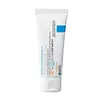
This chemical sunscreen covers the full UV range and blocks ~98% of UVB at SPF 50.
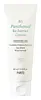
This barrier-repair moisturizer is formulated around Centella Asiatica Extract and Panthenol to strengthen the skin barrier and calm redness.


What's inside
What's inside
 Key Ingredients
Benefits
Concerns
Ingredients Side-by-side
Water
Skin ConditioningGlycerin
Humectant


Panthenol
Skin Conditioning

Isopropyl Palmitate
Emollient




C12-15 Alkyl Benzoate
AntimicrobialBis-Ethylhexyloxyphenol Methoxyphenyl Triazine
UV Absorber
Ethylhexyl Triazone
UV Absorber
Butyl Methoxydibenzoylmethane
UV Absorber
Isopropyl Myristate
Emollient
Alcohol Denat.
Antimicrobial

Dimethicone
Emollient
Diethylamino Hydroxybenzoyl Hexyl Benzoate
UV Filter
Phenylbenzimidazole Sulfonic Acid
UV Absorber
Pentylene Glycol
Skin Conditioning
Tromethamine
BufferingPotassium Cetyl Phosphate
EmulsifyingSilica
Abrasive


Synthetic Wax
Abrasive
Butylene Glycol
Humectant
Centella Asiatica Leaf Extract
Skin Conditioning
Polymnia Sonchifolia Root Juice
Skin ConditioningStearic Acid
Cleansing
Stearyl Alcohol
Emollient
Zinc Gluconate
Skin Conditioning

Glyceryl Stearate
Emollient
Madecassoside
Antioxidant

Triethanolamine
BufferingTerephthalylidene Dicamphor Sulfonic Acid
UV Absorber
Manganese Gluconate
Skin ConditioningPEG-100 Stearate
Surfactant
Alpha-Glucan Oligosaccharide
Cleansing
Myristic Acid
Cleansing
2-Oleamido-1,3-Octadecanediol
Skin ConditioningPalmitic Acid
Emollient
Mannose
HumectantAmmonium Polyacryloyldimethyl Taurate
Emulsion StabilisingIsopropyl Lauroyl Sarcosinate
Skin ConditioningHydroxypropyl Methylcellulose
Emulsion StabilisingCaprylyl Glycol
Emollient
Vitreoscilla Ferment
Skin Conditioning
Citric Acid
Buffering

Trisodium Ethylenediamine Disuccinate
ChelatingLactobacillus
Skin ConditioningMaltodextrin
Absorbent
Xanthan Gum
EmulsifyingTocopherol
Antioxidant

Phenoxyethanol
Preservative
Water, Glycerin, Panthenol, Isopropyl Palmitate, C12-15 Alkyl Benzoate, Bis-Ethylhexyloxyphenol Methoxyphenyl Triazine, Ethylhexyl Triazone, Butyl Methoxydibenzoylmethane, Isopropyl Myristate, Alcohol Denat., Dimethicone, Diethylamino Hydroxybenzoyl Hexyl Benzoate, Phenylbenzimidazole Sulfonic Acid, Pentylene Glycol, Tromethamine, Potassium Cetyl Phosphate, Silica, Synthetic Wax, Butylene Glycol, Centella Asiatica Leaf Extract, Polymnia Sonchifolia Root Juice, Stearic Acid, Stearyl Alcohol, Zinc Gluconate, Glyceryl Stearate, Madecassoside, Triethanolamine, Terephthalylidene Dicamphor Sulfonic Acid, Manganese Gluconate, PEG-100 Stearate, Alpha-Glucan Oligosaccharide, Myristic Acid, 2-Oleamido-1,3-Octadecanediol, Palmitic Acid, Mannose, Ammonium Polyacryloyldimethyl Taurate, Isopropyl Lauroyl Sarcosinate, Hydroxypropyl Methylcellulose, Caprylyl Glycol, Vitreoscilla Ferment, Citric Acid, Trisodium Ethylenediamine Disuccinate, Lactobacillus, Maltodextrin, Xanthan Gum, Tocopherol, Phenoxyethanol
Centella Asiatica Extract
Cleansing
Panthenol 10%
Skin Conditioning
Squalane
Emollient
Butylene Glycol
Humectant
Water
Skin Conditioning1,2-Hexanediol
Skin Conditioning
Niacinamide
Smoothing
Hydrolyzed Jojoba Esters
Skin Conditioning
Acrylates/C10-30 Alkyl Acrylate Crosspolymer
Emulsion StabilisingAmmonium Acryloyldimethyltaurate/Vp Copolymer
Hydroxyacetophenone
Antioxidant
Tromethamine
BufferingDipotassium Glycyrrhizate
Humectant
Ethylhexylglycerin
Skin ConditioningDisodium EDTA
ChelatingXanthan Gum
EmulsifyingSodium Hyaluronate
Humectant
Madecassoside
Antioxidant
Asiaticoside
Antioxidant
Asiatic Acid
Skin Conditioning
Copper Tripeptide-1
Skin Conditioning
Madecassic Acid
Skin Conditioning
Centella Asiatica Extract, Panthenol 10%, Squalane, Butylene Glycol, Water, 1,2-Hexanediol, Niacinamide, Hydrolyzed Jojoba Esters, Acrylates/C10-30 Alkyl Acrylate Crosspolymer, Ammonium Acryloyldimethyltaurate/Vp Copolymer, Hydroxyacetophenone, Tromethamine, Dipotassium Glycyrrhizate, Ethylhexylglycerin, Disodium EDTA, Xanthan Gum, Sodium Hyaluronate, Madecassoside, Asiaticoside, Asiatic Acid, Copper Tripeptide-1, Madecassic Acid
Reviews
Ingredients Explained
These ingredients are found in both products.
Ingredients higher up in an ingredient list are typically present in a larger amount.
Butylene Glycol (or BG) is used within cosmetic products for a few different reasons:
Overall, Butylene Glycol is a safe and well-rounded ingredient that works well with other ingredients.
Though this ingredient works well with most skin types, some people with sensitive skin may experience a reaction such as allergic rashes, closed comedones, or itchiness.
Learn more about Butylene GlycolMadecassoside is one of four active compounds found in Centella asiatica and is one of the main reasons Centella is so effective at calming irritated skin and supporting the moisture barrier.
There's a solid body of peer-reviewed research backing Madecassoside for several skin benefits. Studies have found:
Madecassoside pairs well with other hydrating or antioxidant ingredients like Ascorbic Acid or Hyaluronic Acid.
Learn more about MadecassosidePanthenol is a common ingredient that helps hydrate and soothe the skin. It is found naturally in our skin and hair.
There are two forms of panthenol: D and L.
D-panthenol is also known as dexpanthenol. Most cosmetics use dexpanthenol or a mixture of D and L-panthenol.
Panthenol is famous due to its ability to go deeper into the skin's layers. Using this ingredient has numerous pros (and no cons):
Like hyaluronic acid, panthenol is a humectant. Humectants are able to bind and hold large amounts of water to keep skin hydrated.
This ingredient works well for wound healing. It works by increasing tissue in the wound and helps close open wounds.
Once oxidized, panthenol converts to pantothenic acid. Panthothenic acid is found in all living cells.
This ingredient is also referred to as pro-vitamin B5.
Learn more about PanthenolTromethamine (aka THAM) is a synthetic amino acid that shows up in skincare as a helper ingredient.
It functions as a pH adjuster to help neutralize acidic ingredients and set a formula's pH to the right spot.
This matters a lot because a lot of actives (like vitamin C) needs a specific pH to work well and feel comfortable on skin.
Concentration use ranges from 0.1-1.0% depending on the formula.
Learn more about TromethamineWater. It's the most common cosmetic ingredient of all. You'll usually see it at the top of ingredient lists, meaning that it makes up the largest part of the product.
So why is it so popular? Water most often acts as a solvent - this means that it helps dissolve other ingredients into the formulation.
You'll also recognize water as that liquid we all need to stay alive. If you see this, drink a glass of water. Remember to stay hydrated!
Learn more about WaterXanthan gum is used as a stabilizer and thickener within cosmetic products. It helps give products a sticky, thick feeling - preventing them from being too runny.
On the technical side of things, xanthan gum is a polysaccharide - a combination consisting of multiple sugar molecules bonded together.
Xanthan gum is a pretty common and great ingredient. It is a natural, non-toxic, non-irritating ingredient that is also commonly used in food products.
Learn more about Xanthan Gum

