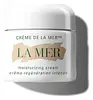
This moisturizer is formulated around Petrolatum and Copper Gluconate to hydrate skin.

What's inside
What's inside
 Key Ingredients
Benefits
Concerns
Ingredients Side-by-side
Algae Extract
Emollient

Paraffinum Liquidum
Emollient


Petrolatum
Emollient
Glycerin
Humectant

Isohexadecane
EmollientCera Microcristallina
Emulsion StabilisingLanolin Alcohol
Emollient
Citrus Aurantifolia Peel Extract
Cleansing
Sesamum Indicum Seed Oil
Emollient

Eucalyptus Globulus Leaf Oil
Perfuming

Sesamum Indicum Seed Powder
Skin ConditioningMedicago Sativa Seed Powder
Skin ConditioningHelianthus Annuus Seedcake
Abrasive
Prunus Amygdalus Dulcis Seed Meal
Abrasive
Sodium Gluconate
ChelatingCopper Gluconate
Skin Conditioning
Calcium Gluconate
HumectantMagnesium Gluconate
Skin ConditioningZinc Gluconate
Skin Conditioning



Magnesium Sulfate
Paraffin
Skin Conditioning
Tocopheryl Succinate
Antioxidant
Niacin
SmoothingWater
Skin ConditioningBeta-Carotene
Skin ConditioningDecyl Oleate
Emollient
Aluminum Distearate
Emulsion StabilisingOctyldodecanol
Emollient
Citric Acid
Buffering

Cyanocobalamin
Skin ConditioningMagnesium Stearate
Cosmetic ColorantPanthenol
Skin Conditioning

Zea Mays Oil
Emulsifying
Limonene
Perfuming
Geraniol
Perfuming
Linalool
Perfuming
Hydroxycitronellal
Perfuming
Citronellol
Perfuming
Benzyl Salicylate
Perfuming
Benzyl Benzoate
Antimicrobial
Sodium Benzoate
Masking
Alcohol Denat.
Antimicrobial

Parfum
Masking
Algae Extract, Paraffinum Liquidum, Petrolatum, Glycerin, Isohexadecane, Cera Microcristallina, Lanolin Alcohol, Citrus Aurantifolia Peel Extract, Sesamum Indicum Seed Oil, Eucalyptus Globulus Leaf Oil, Sesamum Indicum Seed Powder, Medicago Sativa Seed Powder, Helianthus Annuus Seedcake, Prunus Amygdalus Dulcis Seed Meal, Sodium Gluconate, Copper Gluconate, Calcium Gluconate, Magnesium Gluconate, Zinc Gluconate, Magnesium Sulfate, Paraffin, Tocopheryl Succinate, Niacin, Water, Beta-Carotene, Decyl Oleate, Aluminum Distearate, Octyldodecanol, Citric Acid, Cyanocobalamin, Magnesium Stearate, Panthenol, Zea Mays Oil, Limonene, Geraniol, Linalool, Hydroxycitronellal, Citronellol, Benzyl Salicylate, Benzyl Benzoate, Sodium Benzoate, Alcohol Denat., Parfum
Water
Skin ConditioningGlycerin
Humectant
Propanediol
Solvent
Undecane
EmollientIsononyl Isononanoate
EmollientIsodecyl Neopentanoate
EmollientOctyldodecyl Myristate
EmollientPentylene Glycol
Skin Conditioning
Tridecane
Perfuming
Cetearyl Alcohol
Emollient
Lauroyl Lysine
Skin Conditioning
Jojoba Esters
Emollient
1,2-Hexanediol
Skin Conditioning
Polyacrylate Crosspolymer-6
Emulsion StabilisingButyrospermum Parkii Butter
Skin Conditioning
Orbignya Oleifera Seed Oil
Emollient
Calanthe Discolor Extract
Skin ConditioningCarbomer
Emulsion StabilisingAmmonium Acryloyldimethyltaurate/Vp Copolymer
Citrus Aurantium Dulcis Peel Oil Expressed
Perfuming
Sodium Acetylated Hyaluronate
Humectant

Limonene
Perfuming
Iris Pallida Leaf Cell Extract
Antioxidant
Sodium Hydroxide
BufferingTrisodium Ethylenediamine Disuccinate
ChelatingTocopheryl Acetate
Antioxidant
Amodimethicone

T-Butyl Alcohol
Perfuming
Phenoxyethanol
Preservative
Xanthan Gum
EmulsifyingGluconolactone
Chelating

Caprylyl Glycol
Emollient
Sodium Carrageenan
Emulsion StabilisingSodium Benzoate
Masking
Tocopherol
Antioxidant
Linalool
Perfuming
Acetyl Tetrapeptide-2
Skin Conditioning
Maris Sal
Skin ConditioningCalcium Gluconate
HumectantHelianthus Annuus Seed Oil
Emollient
Water, Glycerin, Propanediol, Undecane, Isononyl Isononanoate, Isodecyl Neopentanoate, Octyldodecyl Myristate, Pentylene Glycol, Tridecane, Cetearyl Alcohol, Lauroyl Lysine, Jojoba Esters, 1,2-Hexanediol, Polyacrylate Crosspolymer-6, Butyrospermum Parkii Butter, Orbignya Oleifera Seed Oil, Calanthe Discolor Extract, Carbomer, Ammonium Acryloyldimethyltaurate/Vp Copolymer, Citrus Aurantium Dulcis Peel Oil Expressed, Sodium Acetylated Hyaluronate, Limonene, Iris Pallida Leaf Cell Extract, Sodium Hydroxide, Trisodium Ethylenediamine Disuccinate, Tocopheryl Acetate, Amodimethicone, T-Butyl Alcohol, Phenoxyethanol, Xanthan Gum, Gluconolactone, Caprylyl Glycol, Sodium Carrageenan, Sodium Benzoate, Tocopherol, Linalool, Acetyl Tetrapeptide-2, Maris Sal, Calcium Gluconate, Helianthus Annuus Seed Oil
Reviews
Ingredients Explained
These ingredients are found in both products.
Ingredients higher up in an ingredient list are typically present in a larger amount.
This ingredient is calcium salt of gluconic acid. It is a humectant, meaning it attracts water to your skin.
Glycerin (or glycerol) is a compound naturally found in your skin. It's a powerhouse humectant that pulls water into the stratum corneum.
Topically, glycerin does several things at once:
Your skin makes glycerin on its own (mostly from sebaceous oil breakdown) and shuttles it to your outermost layer of skin, or your epidermis, via aquaporin-3.
Aquaporin-3 is a transporter that is essential for normal skin hydration, elasticity, and repair. Interestingly, mice lacking in AQP3 have dry and less elastic skin that can be fully corrected with glycerin.
This ingredient is non-irritating, plays well with almost every ingredient, and works across all skin types. Typical use is anywhere between 3-10% but can go up to 79% in some leave-on products.
Just know very high concentrations (>40%) can feel tacky in low humidity.
Glycerin is the name for this ingredient in American English. British English uses Glycerol/Glycerine.
Learn more about GlycerinLimonene is the compound that gives citrus peel its smell.
In skincare, it shows up as a standalone fragrance ingredient or as a natural compound of citrus and other essential oils.
You'll typically see this ingredient used in very small amounts; anything above 0.001% in a leave-on product or 0.01% in a rinse-off has to be named on the label in the EU. The citrus oils that carry it sit around 0.5-1% in a finished formula.
Fresh limonene is a weak allergen; the real issue is that it slowly reacts with air and then breaks down from oxidation to create hydroperoxides (which are strong sensitizers). This is why suppliers are required to keep the peroxide value below 20 mmol.
Positive reactions in people being investigated for eczema vary:
It's worth skipping if you have a known fragrance allergy or a compromised barrier, but the risk is low for most people.
Older or long-opened products are also more likely to bother you than fresh ones due to oxidation.
Learn more about LimoneneLinalool is a small, naturally occurring scent molecule found in plants like lavender, coriander, bergamot, and more.
It is one of the two most-used fragrance ingredients in cosmetics and added purely for smell. Since it's not used for a skin benefit, there's no "effective dose". Concentration depends on the fragrance load of the product.
The EU requires it to be named on the label above 0.001% in leave-on and 0.01% in rinse-off products.
Fresh linalool is a weak sensitizer but air exposure turns some of it into hydroperoxides, which are strong sensitizers. Those oxidation products are the actual allergy concern.
Patch-test clinics see positive reactions to linalool hydroperoxides in about 4% to 12% of dermatitis patients depending on country and test concentration.
Resassuringly, one analytical study found hydroperoxide levels in real fragranced products to be orders of magnitude below what induced sensitization in animal studies with no evidence of oxidation building up during normal storage.
The practical takeaway is that linalool is fine for most people but worth avoiding if you have a confirmed fragrance contact allergy or a badly compromised barrier.
Products stored a long time after opening are also the high-risk scenario since that is when oxidation happens.
The scent of linalool is described as floral, spicy tropical, and citrus-like.
Learn more about LinaloolSodium Benzoate is a preservative. It's used in both cosmetic and food products to inhibit the growth of mold and bacteria. It is typically produced synthetically.
Both the US FDA and EU Health Committee have approved the use of sodium benzoate. In the US, levels of 0.1% (of the total product) are allowed.
Sodium benzoate works as a preservative by inhibiting the growth of bacteria inside of cells. It prevents the cell from fermenting a type of sugar using an enzyme called phosphofructokinase.
It is the salt of benzoic acid. Foods containing sodium benzoate include soda, salad dressings, condiments, fruit juices, wines, and snack foods.
Studies for using ascorbic acid and sodium benzoate in cosmetics are lacking, especially in skincare routines with multiple steps.
We always recommend speaking with a professional, such as a dermatologist, if you have any concerns.
Learn more about Sodium BenzoateWater. It's the most common cosmetic ingredient of all. You'll usually see it at the top of ingredient lists, meaning that it makes up the largest part of the product.
So why is it so popular? Water most often acts as a solvent - this means that it helps dissolve other ingredients into the formulation.
You'll also recognize water as that liquid we all need to stay alive. If you see this, drink a glass of water. Remember to stay hydrated!
Learn more about Water

