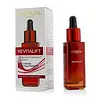
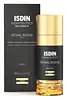
L'Oreal Revitalift Pro Retinol Hydrating Smoothing Serum Versus ISDIN Isdinceutics Retinal Intense Serum
This anti-aging serum is formulated around Bifida Ferment Lysate and Adenosine to soften the look of wrinkles.


What's inside
What's inside
 Key Ingredients
Benefits
Concerns
Ingredients Side-by-side
Water
Skin ConditioningAlcohol Denat.
Antimicrobial




Dipropylene Glycol
HumectantBifida Ferment Lysate
Skin Conditioning



Glycerin
Humectant
Bis-PEG-18 Methyl Ether Dimethyl Silane
EmollientPEG/PPG/Polybutylene Glycol-8/5/3 Glycerin
HumectantHydroxyethylpiperazine Ethane Sulfonic Acid
BufferingPPG-3 Myristyl Ether
EmollientCarbomer
Emulsion StabilisingTriethanolamine
BufferingSodium Hyaluronate
Humectant

Sodium Polyacrylate
Absorbent
Salicyloyl Phytosphingosine
Skin ConditioningAluminum Starch Octenylsuccinate
Absorbent
Adenosine
Skin Conditioning
Ammonium Polyacryloyldimethyl Taurate
Emulsion StabilisingHydrolyzed Soy Protein
Humectant
Acetyl Trifluoromethylphenyl Valylglycine
Skin ConditioningXanthan Gum
EmulsifyingPentylene Glycol
Skin Conditioning
T-Butyl Alcohol
Perfuming

Yeast Extract
Skin ConditioningBHT
Antioxidant
Retinyl Palmitate
Skin Conditioning



Tocopherol
Antioxidant
Methylparaben
Preservative


Sodium Benzoate
Masking
Phenoxyethanol
Preservative
Chlorphenesin
Antimicrobial
Linalool
Perfuming
Geraniol
Perfuming
Alpha-Isomethyl Ionone
Perfuming
Amyl Cinnamal
Perfuming
Limonene
Perfuming
Citronellol
Perfuming
Butylphenyl Methylpropional
Perfuming
Hexyl Cinnamal
Perfuming
Benzyl Alcohol
Perfuming
Benzyl Benzoate
Antimicrobial
Benzyl Salicylate
Perfuming
Parfum
Masking
Water, Alcohol Denat., Dipropylene Glycol, Bifida Ferment Lysate, Glycerin, Bis-PEG-18 Methyl Ether Dimethyl Silane, PEG/PPG/Polybutylene Glycol-8/5/3 Glycerin, Hydroxyethylpiperazine Ethane Sulfonic Acid, PPG-3 Myristyl Ether, Carbomer, Triethanolamine, Sodium Hyaluronate, Sodium Polyacrylate, Salicyloyl Phytosphingosine, Aluminum Starch Octenylsuccinate, Adenosine, Ammonium Polyacryloyldimethyl Taurate, Hydrolyzed Soy Protein, Acetyl Trifluoromethylphenyl Valylglycine, Xanthan Gum, Pentylene Glycol, T-Butyl Alcohol, Yeast Extract, BHT, Retinyl Palmitate, Tocopherol, Methylparaben, Sodium Benzoate, Phenoxyethanol, Chlorphenesin, Linalool, Geraniol, Alpha-Isomethyl Ionone, Amyl Cinnamal, Limonene, Citronellol, Butylphenyl Methylpropional, Hexyl Cinnamal, Benzyl Alcohol, Benzyl Benzoate, Benzyl Salicylate, Parfum
Water
Skin ConditioningDimethicone
Emollient
Dibutyl Adipate
EmollientNiacinamide
Smoothing



Isoamyl Laurate
Emollient
Lauryl PEG/PPG-18/18 Methicone
Skin Conditioning
Glycerin
Humectant
Propanediol
Solvent
Dimethicone/Vinyl Dimethicone Crosspolymer
Skin Conditioning
Alcohol Denat.
Antimicrobial
Bakuchiol
Antimicrobial
1,2-Hexanediol
Skin Conditioning
Pentylene Glycol
Skin Conditioning
Caprylic/Capric Triglyceride
Masking
Ethylcellulose
Hydroxyacetophenone
Antioxidant
Pentaerythrityl Tetra-Di-T-Butyl Hydroxyhydrocinnamate
Antioxidant
4-T-Butylcyclohexanol
Masking
Caprylyl Glycol
Emollient
Parfum
Masking
Sodium Acrylates Crosspolymer-2
AbsorbentPolyacrylate Crosspolymer-6
Emulsion StabilisingVigna Aconitifolia Seed Extract
Skin ConditioningTocopheryl Acetate
Antioxidant
Tocopherol
Antioxidant
Citric Acid
Buffering
Xanthan Gum
EmulsifyingMaltodextrin
Absorbent
Melatonin
Antioxidant
Retinal
Skin Conditioning
Silica
Abrasive
Disodium EDTA
ChelatingPhospholipids
Skin Conditioning
Synthetic Fluorphlogopite
CI 77891
Cosmetic ColorantAscorbic Acid
Antioxidant
T-Butyl Alcohol
Perfuming
Rosmarinus Officinalis Leaf Extract
AntimicrobialPalmitoyl Tetrapeptide-7
Skin Conditioning
Tin Oxide
Abrasive
Chrysin
Skin ConditioningWater, Dimethicone, Dibutyl Adipate, Niacinamide, Isoamyl Laurate, Lauryl PEG/PPG-18/18 Methicone, Glycerin, Propanediol, Dimethicone/Vinyl Dimethicone Crosspolymer, Alcohol Denat., Bakuchiol, 1,2-Hexanediol, Pentylene Glycol, Caprylic/Capric Triglyceride, Ethylcellulose, Hydroxyacetophenone, Pentaerythrityl Tetra-Di-T-Butyl Hydroxyhydrocinnamate, 4-T-Butylcyclohexanol, Caprylyl Glycol, Parfum, Sodium Acrylates Crosspolymer-2, Polyacrylate Crosspolymer-6, Vigna Aconitifolia Seed Extract, Tocopheryl Acetate, Tocopherol, Citric Acid, Xanthan Gum, Maltodextrin, Melatonin, Retinal, Silica, Disodium EDTA, Phospholipids, Synthetic Fluorphlogopite, CI 77891, Ascorbic Acid, T-Butyl Alcohol, Rosmarinus Officinalis Leaf Extract, Palmitoyl Tetrapeptide-7, Tin Oxide, Chrysin
Ingredients Explained
These ingredients are found in both products.
Ingredients higher up in an ingredient list are typically present in a larger amount.
Alcohol Denat. is an alcohol with a denaturant property. It is created by mixing ethanol with other additives.
The "denat" part just means "denatured"; common denaturants include Denatonium Benzoate, t-butyl alcohol, and Diethyl Phthalate. This step makes the alcohol undrinkable (and lets brand skip taxes related to beverage alcohol).
This ingredient gets a bad rep because it is irritating and drying due to its astringent property. Astringents draw out natural oils in tissue to constrict pores and dry out your skin.
However, alcohol denat. is not all that bad.
Due to its low molecular weight, alcohol denat. tends to evaporate quickly. One study on pig skin found half of applied alcohol evaporated in 10 seconds and less than 3% stayed on skin.
This also helps other ingredients become better absorbed upon application.
Studies are conflicted about whether this ingredient causes skin dehydration. One study from 2005 found adding emollients to propanol-based sanitizer decreased skin dryness and irritation. Another study found irritation only occurs if your skin is already damaged.
Small amounts of alcohol are generally tolerated by oily skin or people who live in humid environments.
The rule of thumb is this ingredient will probably not affect your skin much if it is near the end of an ingredients list.
One thing to note:
People with ALDH2 (aldehyde dehydrogenase 2) deficiency may experience skin irritation from continued alcohol use. About 8% of the world's population have this deficiency.
The Cosmetic Ingredient Review Expert Panel has determined denatured alcohols to be safe for use in concentrations between 0.05% and 12% (depending on which denaturant is used).
Also...
This ingredient has antimicrobial and solvent properties.
The antimicrobial property helps preserve products and increase their shelf life. As a solvent, it helps dissolve other ingredients.
Look for formulas that contain glycerin, hyaluronic acid, or panthenol if you want to offset any drying effect.
This ingredient will trip away your skin's natural oils/lipids that help it lock in moisture. This can worsen dryness, trigger eczema flare-ups, and aggravate rosacea.
Be sure to patch test any product with this ingredient if you have dry or sensitive skin, eczema, or rosacea.
Learn more about Alcohol Denat.Glycerin (or glycerol) is a compound naturally found in your skin. It's a powerhouse humectant that pulls water into the stratum corneum.
Topically, glycerin does several things at once:
Your skin makes glycerin on its own (mostly from sebaceous oil breakdown) and shuttles it to your outermost layer of skin, or your epidermis, via aquaporin-3.
Aquaporin-3 is a transporter that is essential for normal skin hydration, elasticity, and repair. Interestingly, mice lacking in AQP3 have dry and less elastic skin that can be fully corrected with glycerin.
This ingredient is non-irritating, plays well with almost every ingredient, and works across all skin types. Typical use is anywhere between 3-10% but can go up to 79% in some leave-on products.
Just know very high concentrations (>40%) can feel tacky in low humidity.
Glycerin is the name for this ingredient in American English. British English uses Glycerol/Glycerine.
Learn more about GlycerinParfum is a catch-all term for an ingredient or more that is used to give a scent to products.
Also called "fragrance", this ingredient can be a blend of hundreds of chemicals or plant oils. This means every product with "fragrance" or "parfum" in the ingredients list is a different mixture.
For instance, Habanolide is a proprietary trade name for a specific aroma chemical. When used as a fragrance ingredient in cosmetics, most aroma chemicals fall under the broad labeling category of “FRAGRANCE” or “PARFUM” according to EU and US regulations.
The term 'parfum' or 'fragrance' is not regulated in many countries. In many cases, it is up to the brand to define this term.
For instance, many brands choose to label themselves as "fragrance-free" because they are not using synthetic fragrances. However, their products may still contain ingredients such as essential oils that are considered a fragrance by INCI standards.
One example is Calendula flower extract. Calendula is an essential oil that still imparts a scent or 'fragrance'.
Depending on the blend, the ingredients in the mixture can cause allergies and sensitivities on the skin. Some ingredients that are known EU allergens include linalool and citronellol.
Parfum can also be used to mask or cover an unpleasant scent.
The bottom line is: not all fragrances/parfum/ingredients are created equally. If you are worried about fragrances, we recommend taking a closer look at an ingredient. And of course, we always recommend speaking with a professional.
Learn more about ParfumPentylene Glycol (1,2-pentanediol) is a multitasking little diol with three main roles in a formula:
Research on alkanediols (the family pentylene glycol belongs to) show they work by disrupting microbial cell membranes. This disruption helps the primary preservative system in a product work more effectively at lower doses.
On the safety side, the Cosmetic Ingredient Review Expert Panel has concluded this ingredient to be safe as used in current cosmetic practices + concentrations.
Typical use levels in a formula run about 1-5%.
Learn more about Pentylene GlycolT-Butyl Alcohol (aka tert-butanol) is a small, clear, camphor-smelling alcohol.
It has two main jobs:
On the safety side, it's well-studied and has a solid track record. Human repeat-insult patch testing showed no skin irritation or sensitization even at 100%.
Typical use levels are pretty tiny, usually less than 1%.
You might see some fear-mongering around this ingredient:
Studies in male rats showed kidney effects but that's because of a rat-specific protein that humans don't make. So this study isn't really relevant to humans.
Though it's not a typical fragrance like parfum, it does have a natural scent. That's why the official COSIng database lists it as 'perfuming' ingredient. It can be used to modify the scent of a formula.
Learn more about T-Butyl AlcoholTocopherol is a fat-soluble antioxidant known as Vitamin E.
You'll find this ingredient in the vast majority of skincare (for good reason). It works to neutralize free radicals, or unstable molecules generated by UV exposure, pollution, and other environmental stressors, before they can cause oxidative damage to your skin cells.
Topically applied tocopherol has been shown to protect against UV damage by ramping up the skin's own natural defense enzymes.
It also acts as a skin conditioning agent; some studies show that regular topical use can improve the skin's water-binding capacity over 2-4 weeks.
This ingredient is especially loved for being a team player. When combined with Vitamin C, the photoprotective effect of both ingredients roughly doubles and the combo also helps reduce UV-induced DNA damage.
This ingredient has some brightening potential but it's more of a prevention ingredient than spot-fader. Cell studies show it can slow down melanin production but it's worth noting that it's not the most powerful brightener out there.
In formulations, it also serves as a stabilizer that helps protect other oxidation-prone ingredients from degrading.
Concentrations usually range from 0.1-1% in most leave-on products.
Learn more about TocopherolWater. It's the most common cosmetic ingredient of all. You'll usually see it at the top of ingredient lists, meaning that it makes up the largest part of the product.
So why is it so popular? Water most often acts as a solvent - this means that it helps dissolve other ingredients into the formulation.
You'll also recognize water as that liquid we all need to stay alive. If you see this, drink a glass of water. Remember to stay hydrated!
Learn more about WaterXanthan gum is used as a stabilizer and thickener within cosmetic products. It helps give products a sticky, thick feeling - preventing them from being too runny.
On the technical side of things, xanthan gum is a polysaccharide - a combination consisting of multiple sugar molecules bonded together.
Xanthan gum is a pretty common and great ingredient. It is a natural, non-toxic, non-irritating ingredient that is also commonly used in food products.
Learn more about Xanthan Gum

