
What's inside
What's inside
 Key Ingredients
Benefits
Concerns
Ingredients Side-by-side
Water
Skin ConditioningSodium Cocoyl Isethionate
Cleansing
Cocamidopropyl Betaine
Cleansing


Sodium Methyl Cocoyl Taurate
Cleansing
Sodium Chloride
MaskingParfum
Masking

Glycerin
Humectant


Cetearamidoethyldiethonium Succinoyl Hydrolyzed Pea Protein
CleansingHypnea Musciformis Extract
Skin Protecting
Sargassum Filipendula Extract
Skin Protecting
Chamomilla Recutita Flower Extract
Masking

Helianthus Annuus Seed Oil
Emollient

Mangifera Indica Seed Butter
Skin Conditioning
Persea Gratissima Oil
Skin Conditioning
Ricinus Communis Seed Oil
Masking
Coco-Glucoside
Cleansing
Gelidiella Acerosa Extract
Skin Protecting
Algin
MaskingCarrageenan

Chitosan
Cocamide Mipa
Emulsifying
PEG-200 Hydrogenated Glyceryl Palmate
Cleansing
Phenoxyethanol
Preservative
Glycol Stearate
Emollient
Propanediol
Solvent
Coconut Acid
Cleansing
Sodium Isethionate
CleansingPEG-7 Glyceryl Cocoate
Emulsifying
Glyceryl Stearate
Emollient
PEG-100 Stearate
Surfactant
Guar Hydroxypropyltrimonium Chloride
Skin ConditioningCaprylyl Glycol
Emollient
Citric Acid
Buffering

Ethylhexylglycerin
Skin ConditioningIsopropanolamine
BufferingMethyl Cocoate
Emollient
Tocopherol
Antioxidant



Sorbitol
Humectant
Caprylic/Capric Triglyceride
Masking
Sorbitan Oleate
Emulsifying
Xanthan Gum
EmulsifyingCoumarin
Perfuming
Linalool
Perfuming
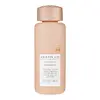
Water, Sodium Cocoyl Isethionate, Cocamidopropyl Betaine, Sodium Methyl Cocoyl Taurate, Sodium Chloride, Parfum, Glycerin, Cetearamidoethyldiethonium Succinoyl Hydrolyzed Pea Protein, Hypnea Musciformis Extract, Sargassum Filipendula Extract, Chamomilla Recutita Flower Extract, Helianthus Annuus Seed Oil, Mangifera Indica Seed Butter, Persea Gratissima Oil, Ricinus Communis Seed Oil, Coco-Glucoside, Gelidiella Acerosa Extract, Algin, Carrageenan, Chitosan, Cocamide Mipa, PEG-200 Hydrogenated Glyceryl Palmate, Phenoxyethanol, Glycol Stearate, Propanediol, Coconut Acid, Sodium Isethionate, PEG-7 Glyceryl Cocoate, Glyceryl Stearate, PEG-100 Stearate, Guar Hydroxypropyltrimonium Chloride, Caprylyl Glycol, Citric Acid, Ethylhexylglycerin, Isopropanolamine, Methyl Cocoate, Tocopherol, Sorbitol, Caprylic/Capric Triglyceride, Sorbitan Oleate, Xanthan Gum, Coumarin, Linalool
Water
Skin ConditioningDecyl Glucoside
Cleansing
Cocamidopropyl Betaine
Cleansing
Sodium Lauroyl Lactylate
EmulsifyingGlycol Stearate
Emollient
Glycol Distearate
Emollient
Sodium Cocoyl Isethionate
Cleansing
Sodium Methyl Cocoyl Taurate
Cleansing
Glycerin
Humectant
Cocos Nucifera Oil
Masking
Caprylic/Capric Triglyceride
Masking
Butyrospermum Parkii Butter
Skin Conditioning
Aloe Barbadensis Leaf Juice
Skin Conditioning
Panthenol
Skin Conditioning
Algae Extract
Emollient
Equisetum Arvense Extract
AstringentTocopherol
Antioxidant
Rosa Canina Fruit Oil
Emollient
Argania Spinosa Kernel Oil
Emollient
Coconut Acid
Cleansing
Prunus Amygdalus Dulcis Oil
Skin Conditioning
Acacia Senegal Gum Extract
Cocos Nucifera Fruit Extract
Emollient
Cocos Nucifera Fruit Juice
Emollient
Caprylhydroxamic Acid
ChelatingCaprylyl Glycol
Emollient
Guar Hydroxypropyltrimonium Chloride
Skin ConditioningSodium Benzoate
Masking
Polyquaternium-7
Sodium Phytate
ChelatingStearamide Amp
Foam BoostingParfum
Masking
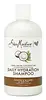
Water, Decyl Glucoside, Cocamidopropyl Betaine, Sodium Lauroyl Lactylate, Glycol Stearate, Glycol Distearate, Sodium Cocoyl Isethionate, Sodium Methyl Cocoyl Taurate, Glycerin, Cocos Nucifera Oil, Caprylic/Capric Triglyceride, Butyrospermum Parkii Butter, Aloe Barbadensis Leaf Juice, Panthenol, Algae Extract, Equisetum Arvense Extract, Tocopherol, Rosa Canina Fruit Oil, Argania Spinosa Kernel Oil, Coconut Acid, Prunus Amygdalus Dulcis Oil, Acacia Senegal Gum Extract, Cocos Nucifera Fruit Extract, Cocos Nucifera Fruit Juice, Caprylhydroxamic Acid, Caprylyl Glycol, Guar Hydroxypropyltrimonium Chloride, Sodium Benzoate, Polyquaternium-7, Sodium Phytate, Stearamide Amp, Parfum
Ingredients Explained
These ingredients are found in both products.
Ingredients higher up in an ingredient list are typically present in a larger amount.
Caprylic/Capric Triglyceride (aka MCT Oil) is a lightweight emollient, solvent, and texture enhancer. It is considered a skin-softener by helping to prevent moisture loss.
Though it behaves like an oil, it is not technically one due to its chemical composition. One perk of this ingredient is that it is very stable, resistant to oxidation, and unlikely to go rancid.
In practice, that translates to a long shelf life and a consistently elegant skin feel.
While there is an assumption Caprylic Triglyceride can clog pores due to it being derived from coconut oil, there is no research supporting this. Just patch test if you have concerns.
Fractionated coconut oil and MCT Oil are both listed as Caprylic/Capric Triglyceride according to INCI. This is because INCI names are based on the ingredient’s final chemical composition and not its marketing name or source.
This ingredient is treated as the gold standard fungal acne safe oil. Even though it is coconut derived, the problematic lauric acid is stripped out.
This leaves just caprylic (C8) and capric (C10) acid. These chain lengths actually trend antifungal; a 2020 study found caprylic acid was enough to disrupt Malassezia furfur cell membrane, with a caprylic acid derivative damaging membrane structures at concentrations as low as 0.2%.
Learn more about Caprylic/Capric TriglycerideCaprylyl Glycol is a humectant, skin conditioner, emollient, and preservative booster derived from either caprylic acid or synthetically created.
Typical use levels vary from 0.3-1% as a preservative booster and go up to 2% to condition skin.
Because it is not a free-fatty acid, this ingredient is fungal acne safe (there's nothing for Malassezia to feed on).
Learn more about Caprylyl GlycolCocamidopropyl Betaine is a fatty acid created by mixing similar compounds in coconut oil and dimethylaminopropylamine, a compound with two amino groups.
This ingredient is a surfactant and cleanser. It helps gather the dirt, pollutants, and other impurities in your skin to be washed away. It also helps thicken a product and make the texture more creamy.
Being created from coconut oil means Cocamidopropyl Betaine is hydrating for the skin.
While Cocamidopropyl Betaine was believed to be an allergen, a study from 2012 disproved this. It found two compounds in unpure Cocamidopropyl Betaine to be the irritants: aminoamide and 3-dimethylaminopropylamine. High-grade and pure Cocamidopropyl Betaine did not induce allergic reactions during this study.
Learn more about Cocamidopropyl BetaineCoconut acid is a mixture of fatty acids obtains by hydrolyzing coconut oil and then distilling the fatty acid portion. It works as a cleansing surfactant, emollient, and emulsifier depending on the formulation.
This ingredient is not a single compound but reflects the fatty acid profile of coconut oil itself, which is about 90% saturated.
The dominant fatty acid is lauric acid (44-54%) and then myristic acid (13-19%). There are also small amounts of caprylic, capric, palmitic, oleic, and linoleic acids.
Human testing from CIR has shown no indication this ingredient to be a primary irritant, sensitizer, or phototoxic compound. It's COSMOS-approved for natural and organic products.
Due to the fatty acid content, this ingredient may not be fungal acne safe. Research has confirmed Malassezia can use lauric acid as a food source.
Learn more about Coconut AcidGlycerin (or glycerol) is a compound naturally found in your skin. It's a powerhouse humectant that pulls water into the stratum corneum.
Topically, glycerin does several things at once:
Your skin makes glycerin on its own (mostly from sebaceous oil breakdown) and shuttles it to your outermost layer of skin, or your epidermis, via aquaporin-3.
Aquaporin-3 is a transporter that is essential for normal skin hydration, elasticity, and repair. Interestingly, mice lacking in AQP3 have dry and less elastic skin that can be fully corrected with glycerin.
This ingredient is non-irritating, plays well with almost every ingredient, and works across all skin types. Typical use is anywhere between 3-10% but can go up to 79% in some leave-on products.
Just know very high concentrations (>40%) can feel tacky in low humidity.
Glycerin is the name for this ingredient in American English. British English uses Glycerol/Glycerine.
Learn more about GlycerinGlycol Stearate comes from stearic acid and ethylene glycol.
It is a creamy wax used to stabilize ingredients as an emulsifier. Glycol stearate also contains emollient properties. Emollients sit on top of the skin to prevent moisture from escaping.
This ingredient may not be Malassezia folliculitis, or fungal-acne safe.
Learn more about Glycol StearateThis ingredient is derived from guar gum. It is a skin conditioning agent that creates a thin, breathable film to reduce water loss during cleansing.
This leaves the skin feeling soft rather than stripped and also contributes to a creamier lather.
Due to the large molecule size, this ingredient is unlikely to penetrate skin.
Learn more about Guar Hydroxypropyltrimonium ChlorideParfum is a catch-all term for an ingredient or more that is used to give a scent to products.
Also called "fragrance", this ingredient can be a blend of hundreds of chemicals or plant oils. This means every product with "fragrance" or "parfum" in the ingredients list is a different mixture.
For instance, Habanolide is a proprietary trade name for a specific aroma chemical. When used as a fragrance ingredient in cosmetics, most aroma chemicals fall under the broad labeling category of “FRAGRANCE” or “PARFUM” according to EU and US regulations.
The term 'parfum' or 'fragrance' is not regulated in many countries. In many cases, it is up to the brand to define this term.
For instance, many brands choose to label themselves as "fragrance-free" because they are not using synthetic fragrances. However, their products may still contain ingredients such as essential oils that are considered a fragrance by INCI standards.
One example is Calendula flower extract. Calendula is an essential oil that still imparts a scent or 'fragrance'.
Depending on the blend, the ingredients in the mixture can cause allergies and sensitivities on the skin. Some ingredients that are known EU allergens include linalool and citronellol.
Parfum can also be used to mask or cover an unpleasant scent.
The bottom line is: not all fragrances/parfum/ingredients are created equally. If you are worried about fragrances, we recommend taking a closer look at an ingredient. And of course, we always recommend speaking with a professional.
Learn more about ParfumSodium cocoyl isethionate is a natural ingredient from coconut oil. It is an ultra gentle cleanser that gives a nice foam without drying the skin or impacting the skin barrier.
The amount of foam created depends on the amount of sodium cocoyl isethionate used in the product.
This ingredient also helps improve the spreadability of a product.
This ingredient hasn’t been shown in studies to feed fungal acne yeast.
Learn more about Sodium Cocoyl IsethionateSodium Methyl Cocoyl Taurate is a gentle, coconut-derived cleansing surfactant. It's most commonly found in "sulfate-free" cleansers.
As a taurate, it belongs to a class of anionic surfactants prized for being efficient at cleansing without harshness, good performance in hard water, stability across a wide pH range, and easily biodegradable.
It is able to lift away oil and grime and make a nice lather without stripping your skin, so it's a good pick for sensitive skin.
Safety-wise, it has a good record. The CIR Expert Panel has concluded this ingredient to be safe in cosmetics and concentrations go up to 11% in leave-on products or 13% in rinse-off products.
Despite being derived from coconut oil, this ingredient is fungal acne safe. It's a water-soluble surfactant with no fatty oils or esters left intact on skin for the Malassezia yeast to feed.
Learn more about Sodium Methyl Cocoyl TaurateTocopherol is a fat-soluble antioxidant known as Vitamin E.
You'll find this ingredient in the vast majority of skincare (for good reason). It works to neutralize free radicals, or unstable molecules generated by UV exposure, pollution, and other environmental stressors, before they can cause oxidative damage to your skin cells.
Topically applied tocopherol has been shown to protect against UV damage by ramping up the skin's own natural defense enzymes.
It also acts as a skin conditioning agent; some studies show that regular topical use can improve the skin's water-binding capacity over 2-4 weeks.
This ingredient is especially loved for being a team player. When combined with Vitamin C, the photoprotective effect of both ingredients roughly doubles and the combo also helps reduce UV-induced DNA damage.
This ingredient has some brightening potential but it's more of a prevention ingredient than spot-fader. Cell studies show it can slow down melanin production but it's worth noting that it's not the most powerful brightener out there.
In formulations, it also serves as a stabilizer that helps protect other oxidation-prone ingredients from degrading.
Concentrations usually range from 0.1-1% in most leave-on products.
Learn more about TocopherolWater. It's the most common cosmetic ingredient of all. You'll usually see it at the top of ingredient lists, meaning that it makes up the largest part of the product.
So why is it so popular? Water most often acts as a solvent - this means that it helps dissolve other ingredients into the formulation.
You'll also recognize water as that liquid we all need to stay alive. If you see this, drink a glass of water. Remember to stay hydrated!
Learn more about Water

