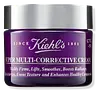
This anti-aging moisturizer is formulated around Capryloyl Salicylic Acid and Adenosine to soften the look of wrinkles.
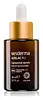
This brightening serum is formulated around 4-Butylresorcinol and Retinol to fade the look of dark spots and brighten dull-looking skin.


What's inside
What's inside
 Key Ingredients
Benefits
Concerns
Ingredients Side-by-side
Water
Skin ConditioningGlycerin
Humectant


Dicaprylyl Ether
Emollient
Butyrospermum Parkii Butter
Skin Conditioning




Hydroxypropyl Tetrahydropyrantriol
Skin ConditioningIsononyl Isononanoate
EmollientPropylene Glycol
Humectant
Isopropyl Isostearate
Emollient
Cetyl Alcohol
Emollient

Dimethicone
Emollient
Behenyl Alcohol
Emollient
Candelilla Cera
Emollient
Euphorbia Cerifera Cera
Astringent
Glyceryl Stearate
Emollient
Stearic Acid
Cleansing
Hydroxyethylpiperazine Ethane Sulfonic Acid
BufferingPalmitic Acid
Emollient
Phenoxyethanol
Preservative
Cetearyl Alcohol
Emollient
Citric Acid
Buffering

Carbomer
Emulsion StabilisingCapryloyl Salicylic Acid
Exfoliating




Sodium Hydroxide
BufferingCaprylyl Glycol
Emollient
PEG-100 Stearate
Surfactant
Vigna Aconitifolia Seed Extract
Skin ConditioningTocopherol
Antioxidant



Xanthan Gum
EmulsifyingCetearyl Glucoside
Emulsifying
Sodium Cocoyl Glutamate
Cleansing
Sodium Hyaluronate
Humectant
Disodium EDTA
Pentylene Glycol
Skin Conditioning
Jasminum Officinale Flower Extract
Masking


Myristic Acid
Cleansing
Rosmarinus Officinalis Leaf Oil
Masking
Adenosine
Skin Conditioning
Inonotus Obliquus Extract
Skin ConditioningLimonene
Perfuming
Linalool
Perfuming
Pelargonium Graveolens Flower Oil
Masking
Lavandula Angustifolia Oil
Masking
Rosa Damascena Flower Oil
Masking
Water, Glycerin, Dicaprylyl Ether, Butyrospermum Parkii Butter, Hydroxypropyl Tetrahydropyrantriol, Isononyl Isononanoate, Propylene Glycol, Isopropyl Isostearate, Cetyl Alcohol, Dimethicone, Behenyl Alcohol, Candelilla Cera, Euphorbia Cerifera Cera, Glyceryl Stearate, Stearic Acid, Hydroxyethylpiperazine Ethane Sulfonic Acid, Palmitic Acid, Phenoxyethanol, Cetearyl Alcohol, Citric Acid, Carbomer, Capryloyl Salicylic Acid, Sodium Hydroxide, Caprylyl Glycol, PEG-100 Stearate, Vigna Aconitifolia Seed Extract, Tocopherol, Xanthan Gum, Cetearyl Glucoside, Sodium Cocoyl Glutamate, Sodium Hyaluronate, Disodium EDTA, Pentylene Glycol, Jasminum Officinale Flower Extract, Myristic Acid, Rosmarinus Officinalis Leaf Oil, Adenosine, Inonotus Obliquus Extract, Limonene, Linalool, Pelargonium Graveolens Flower Oil, Lavandula Angustifolia Oil, Rosa Damascena Flower Oil
Water
Skin ConditioningPropylene Glycol
Humectant
Lecithin
Emollient
Alcohol
Antimicrobial

Polymethyl Methacrylate
PEG-40 Hydrogenated Castor Oil
Emulsifying
4-Butylresorcinol
Antioxidant
Ascorbyl Glucoside
Antioxidant
Retinol
Skin Conditioning

Azelaic Acid
Buffering
Niacin
SmoothingUndecylenoyl Phenylalanine
Skin Conditioning
Glycyrrhetinic Acid
Skin Conditioning
Morus Alba Root Extract
BleachingDiacetyl Boldine
Skin Conditioning
PEG/PPG-20/6 Dimethicone
Emulsifying
Sodium Cholate
Skin ConditioningPolysorbate 20
Emulsifying
Xanthan Gum
EmulsifyingCarbomer
Emulsion StabilisingTriethanolamine
BufferingTocopheryl Acetate
Antioxidant
BHT
Antioxidant
Sodium Hydroxide
BufferingCaprylic/Capric Triglyceride
Masking
Sodium Chloride
MaskingHydroxypropyl Cyclodextrin
MaskingBHA
Antioxidant
Pentaerythrityl Tetra-Di-T-Butyl Hydroxyhydrocinnamate
Antioxidant
Triisopropanolamine
BufferingHydrochloric Acid
BufferingPhenoxyethanol
Preservative
Ethylhexylglycerin
Skin ConditioningParfum
Masking
Citronellyl Methylcrotonate
Masking
Citral
Perfuming
Coumarin
Perfuming
Eugenol
Perfuming
Limonene
Perfuming
Isoeugenol
Perfuming
Water, Propylene Glycol, Lecithin, Alcohol, Polymethyl Methacrylate, PEG-40 Hydrogenated Castor Oil, 4-Butylresorcinol, Ascorbyl Glucoside, Retinol, Azelaic Acid, Niacin, Undecylenoyl Phenylalanine, Glycyrrhetinic Acid, Morus Alba Root Extract, Diacetyl Boldine, PEG/PPG-20/6 Dimethicone, Sodium Cholate, Polysorbate 20, Xanthan Gum, Carbomer, Triethanolamine, Tocopheryl Acetate, BHT, Sodium Hydroxide, Caprylic/Capric Triglyceride, Sodium Chloride, Hydroxypropyl Cyclodextrin, BHA, Pentaerythrityl Tetra-Di-T-Butyl Hydroxyhydrocinnamate, Triisopropanolamine, Hydrochloric Acid, Phenoxyethanol, Ethylhexylglycerin, Parfum, Citronellyl Methylcrotonate, Citral, Coumarin, Eugenol, Limonene, Isoeugenol
Reviews
Ingredients Explained
These ingredients are found in both products.
Ingredients higher up in an ingredient list are typically present in a larger amount.
Carbomer is a synthetic thickening and gelling agent. It's basically the ingredient that gives a lot of serums, gels, creams, and sunscreens their smooth, non-sticky texture.
Although legally permitted at very high levels, carbomers are normally used at concentrations below 1%.
It also needs to be neutralized to actually thicken, and because it is a large molecule, it doesn't really penetrate the skin barrier.
Allergy-wise, the risk is very low. Clinical studies show carbomers have low potential for skin irritation/sensitization even at concentrations up to 100%.
A 2024 UK study patch-tested 1,302 patients and found true allergy to the parent group of carbomer to be rare with no confirmed relevant reactions.
Learn more about CarbomerLimonene is a fragrance that adds scent and taste to a formulation.
It's found in the peel oil of citrus fruits and other plants such as lavender and eucalyptus. The scent of limonene is generally described as "sweet citrus".
Limonene acts as an antioxidant, meaning it helps neutralize free radicals.
When exposed to air, oxidized limonene may sensitize the skin. Because of this, limonene is often avoided by people with sensitive skin.
The term 'fragrance' is not regulated in many countries. In many cases, it is up to the brand to define this term. For instance, many brands choose to label themselves as "fragrance-free" because they are not using synthetic fragrances. However, their products may still contain ingredients such as essential oils that are considered a fragrance.
Learn more about LimonenePhenoxyethanol is one of the most widely used preservatives in skincare (and for good reason!).
It has a large spectrum of antimicrobial activity and especially effective bacteria, yeast, and mold while only having a weak effect on your skin's natural microbiome.
On a cellular level, it disrupts the cell membranes of microbes by poking holes that make the cell leak. This shuts down the chemical reactions the microbe needs to make energy so it can no longer survive.
Another perk of this ingredient is that it stays functional across a wide pH range (3-10).
You'll often see it paired with boosters like Ethylhexylglycerin; one study showed that a 1:9 ratio of Ethylhexylglycerin to Phenoxyethanol damages bacterial membranes as effectively as doubling the Phenoxyethanol concentration on its own.
Typical use concentrations range from 0.3-1% depending on the formula, and this ingredient is capped at 1% int the EU.
Safety-wise, the fear mongering does not hold up to the evidence. The EU's Scientific Committee on Consumer Safety and FDA consider it safe as a preservative at up to 1%, including for children of all ages.
Adverse systemic effects only showed up in animal studies at exposures roughly 200x higher than what people get from cosmetics. And despite its very widespread use, this ingredient is a rare sensitizer and allergic reactions are uncommon.
Learn more about PhenoxyethanolPropylene Glycol is a synthetic, colorless, odorless liquid that has been a staple in cosmetics for decades. It is a skin conditioning agent, humectant, and solvent.
As a humectant, it draw water to the skin to reduce flaking and restore suppleness. It's also a solvent that helps dissolve other actives and keeps formulas stable across temperature changes.
The CIR Expert Panel has confirmed this ingredient to be nontoxic and clinical studies show no sensitization at cosmetic use concentrations.
True allergic reactions are quite rare: a 15-year retrospective study of 6,751 patients found only 0.31% had a positive reaction (and less than half were considered clinically relevant).
It seemed that when sensitization does occur, it's most commonly linked to topical medication (like corticosteroids) and not cosmetics. Allergic contact dermatitis also appears largely limited to individuals with underlying skin conditions.
Overall, propylene glycol is a well-studied ingredient that most people can tolerate without issue.
Learn more about Propylene GlycolSodium Hydroxide is also known as lye or caustic soda. It is used to adjust the pH of products; many ingredients require a specific pH to be effective.
In small amounts, sodium hydroxide is considered safe to use. However, large amounts may cause chemical burns due to its high alkaline.
Your skin has a natural pH and acid mantle. This acid mantle helps prevent harmful bacteria from breaking through. The acid mantle also helps keep your skin hydrated.
"Alkaline" refers to a high pH level. A low pH level would be considered acidic.
Learn more about Sodium HydroxideWater. It's the most common cosmetic ingredient of all. You'll usually see it at the top of ingredient lists, meaning that it makes up the largest part of the product.
So why is it so popular? Water most often acts as a solvent - this means that it helps dissolve other ingredients into the formulation.
You'll also recognize water as that liquid we all need to stay alive. If you see this, drink a glass of water. Remember to stay hydrated!
Learn more about WaterXanthan gum is used as a stabilizer and thickener within cosmetic products. It helps give products a sticky, thick feeling - preventing them from being too runny.
On the technical side of things, xanthan gum is a polysaccharide - a combination consisting of multiple sugar molecules bonded together.
Xanthan gum is a pretty common and great ingredient. It is a natural, non-toxic, non-irritating ingredient that is also commonly used in food products.
Learn more about Xanthan Gum

