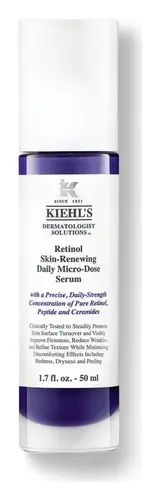
This anti-aging serum is formulated around Retinol and Niacinamide to soften the look of wrinkles and refine skin texture.
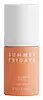
This brightening serum is formulated around Niacinamide and 3-O-Ethyl Ascorbic Acid to brighten dull-looking skin and fade the look of dark spots.

What's inside
What's inside
 Key Ingredients
Benefits
Concerns
Ingredients Side-by-side
Water
Skin ConditioningGlycerin
Humectant


Butylene Glycol
Humectant
Pentylene Glycol
Skin Conditioning
Niacinamide
Smoothing









Cetyl Alcohol
Emollient



Isohexadecane
EmollientIsononyl Isononanoate
EmollientDiisopropyl Sebacate
Emollient2-Oleamido-1,3-Octadecanediol
Skin Conditioning4-T-Butylcyclohexanol
Masking

Acetyl Dipeptide-1 Cetyl Ester
Skin Conditioning
Adenosine
Skin Conditioning
Ceramide NP
Skin Conditioning
Hydroxypalmitoyl Sphinganine
Skin Conditioning
Lauroyl Lysine
Skin Conditioning
Octyldodecanol
Emollient
Pentaerythrityl Tetra-Di-T-Butyl Hydroxyhydrocinnamate
Antioxidant
Sodium Chloride
MaskingSodium Hyaluronate
Humectant
Sodium Hydroxide
BufferingTrisodium Ethylenediamine Disuccinate
ChelatingRetinol
Skin Conditioning

Tocopherol
Antioxidant
Dicaprylyl Ether
Emollient
Ammonium Polyacryloyldimethyl Taurate
Emulsion StabilisingBehenyl Alcohol
Emollient
Caprylyl Glycol
Emollient
Carbomer
Emulsion StabilisingCetearyl Alcohol
Emollient


Cetearyl Glucoside
Emulsifying
Glycine Soja Oil
Emollient
Helianthus Annuus Seed Oil
Emollient
Hydroxyethylcellulose
Emulsion StabilisingLecithin
Emollient
Phenethyl Alcohol
MaskingPoloxamer 188
EmulsifyingPolycaprolactone
StabilisingSorbitan Laurate
Emulsifying
Steareth-100
Gel FormingCI 40800
Cosmetic ColorantChlorphenesin
Antimicrobial
Phenoxyethanol
Preservative
Water, Glycerin, Butylene Glycol, Pentylene Glycol, Niacinamide, Cetyl Alcohol, Isohexadecane, Isononyl Isononanoate, Diisopropyl Sebacate, 2-Oleamido-1,3-Octadecanediol, 4-T-Butylcyclohexanol, Acetyl Dipeptide-1 Cetyl Ester, Adenosine, Ceramide NP, Hydroxypalmitoyl Sphinganine, Lauroyl Lysine, Octyldodecanol, Pentaerythrityl Tetra-Di-T-Butyl Hydroxyhydrocinnamate, Sodium Chloride, Sodium Hyaluronate, Sodium Hydroxide, Trisodium Ethylenediamine Disuccinate, Retinol, Tocopherol, Dicaprylyl Ether, Ammonium Polyacryloyldimethyl Taurate, Behenyl Alcohol, Caprylyl Glycol, Carbomer, Cetearyl Alcohol, Cetearyl Glucoside, Glycine Soja Oil, Helianthus Annuus Seed Oil, Hydroxyethylcellulose, Lecithin, Phenethyl Alcohol, Poloxamer 188, Polycaprolactone, Sorbitan Laurate, Steareth-100, CI 40800, Chlorphenesin, Phenoxyethanol
Water
Skin ConditioningNiacinamide
Smoothing
Butylene Glycol
Humectant
3-O-Ethyl Ascorbic Acid
Skin Conditioning
Ascorbyl Glucoside
Antioxidant
Glycerin
Humectant
Capryloyl Glycerin/Sebacic Acid Copolymer
Skin ConditioningHydroxyethyl Acrylate/Sodium Acryloyldimethyl Taurate Copolymer
Emulsion StabilisingSqualane
Emollient
Sodium Citrate
BufferingPhenoxyethanol
Preservative
Sodium Hydroxide
BufferingCitric Acid
Buffering
Diheptyl Succinate
EmollientTocopheryl Acetate
Antioxidant
Xanthan Gum
EmulsifyingTetrasodium Glutamate Diacetate
ChelatingCarbomer
Emulsion StabilisingPolysorbate 20
Emulsifying
Palmitoyl Oligopeptide
Cleansing
Palmitoyl Tetrapeptide-7
Skin Conditioning
Camellia Oleifera Leaf Extract
AstringentEthylhexylglycerin
Skin ConditioningOrchis Mascula Flower Extract
SoothingCaprylic/Capric Triglyceride
Masking
Cananga Odorata Flower Extract
Perfuming
Cucumis Melo Cantalupensis Fruit Extract
AstringentEugenia Caryophyllus Flower Extract
AstringentGlycine Soja Oil
Emollient
Pyrus Malus Fruit Extract
Skin Conditioning
Prunus Armeniaca Fruit Extract
Skin ConditioningRosa Gallica Flower Extract
AstringentCinnamomum Cassia Bark Extract
Masking
Jasminum Officinale Flower/Leaf Extract
Masking
Coffea Arabica Leaf/Seed Extract
MaskingCamellia Sinensis Leaf Extract
Antimicrobial
Amyl Cinnamal
Perfuming
Cinnamyl Alcohol
Perfuming
Citronellol
Perfuming
Eugenol
Perfuming
Hydroxycitronellal
Perfuming
Water, Niacinamide, Butylene Glycol, 3-O-Ethyl Ascorbic Acid, Ascorbyl Glucoside, Glycerin, Capryloyl Glycerin/Sebacic Acid Copolymer, Hydroxyethyl Acrylate/Sodium Acryloyldimethyl Taurate Copolymer, Squalane, Sodium Citrate, Phenoxyethanol, Sodium Hydroxide, Citric Acid, Diheptyl Succinate, Tocopheryl Acetate, Xanthan Gum, Tetrasodium Glutamate Diacetate, Carbomer, Polysorbate 20, Palmitoyl Oligopeptide, Palmitoyl Tetrapeptide-7, Camellia Oleifera Leaf Extract, Ethylhexylglycerin, Orchis Mascula Flower Extract, Caprylic/Capric Triglyceride, Cananga Odorata Flower Extract, Cucumis Melo Cantalupensis Fruit Extract, Eugenia Caryophyllus Flower Extract, Glycine Soja Oil, Pyrus Malus Fruit Extract, Prunus Armeniaca Fruit Extract, Rosa Gallica Flower Extract, Cinnamomum Cassia Bark Extract, Jasminum Officinale Flower/Leaf Extract, Coffea Arabica Leaf/Seed Extract, Camellia Sinensis Leaf Extract, Amyl Cinnamal, Cinnamyl Alcohol, Citronellol, Eugenol, Hydroxycitronellal
Reviews
Ingredients Explained
These ingredients are found in both products.
Ingredients higher up in an ingredient list are typically present in a larger amount.
Butylene Glycol (or BG) is used within cosmetic products for a few different reasons:
Overall, Butylene Glycol is a safe and well-rounded ingredient that works well with other ingredients.
Though this ingredient works well with most skin types, some people with sensitive skin may experience a reaction such as allergic rashes, closed comedones, or itchiness.
Learn more about Butylene GlycolCarbomer is a synthetic thickening and gelling agent. It's basically the ingredient that gives a lot of serums, gels, creams, and sunscreens their smooth, non-sticky texture.
Although legally permitted at very high levels, carbomers are normally used at concentrations below 1%.
It also needs to be neutralized to actually thicken, and because it is a large molecule, it doesn't really penetrate the skin barrier.
Allergy-wise, the risk is very low. Clinical studies show carbomers have low potential for skin irritation/sensitization even at concentrations up to 100%.
A 2024 UK study patch-tested 1,302 patients and found true allergy to the parent group of carbomer to be rare with no confirmed relevant reactions.
Learn more about CarbomerGlycerin (or glycerol) is a compound naturally found in your skin. It's a powerhouse humectant that pulls water into the stratum corneum.
Topically, glycerin does several things at once:
Your skin makes glycerin on its own (mostly from sebaceous oil breakdown) and shuttles it to your outermost layer of skin, or your epidermis, via aquaporin-3.
Aquaporin-3 is a transporter that is essential for normal skin hydration, elasticity, and repair. Interestingly, mice lacking in AQP3 have dry and less elastic skin that can be fully corrected with glycerin.
This ingredient is non-irritating, plays well with almost every ingredient, and works across all skin types. Typical use is anywhere between 3-10% but can go up to 79% in some leave-on products.
Just know very high concentrations (>40%) can feel tacky in low humidity.
Glycerin is the name for this ingredient in American English. British English uses Glycerol/Glycerine.
Learn more about GlycerinGlycine Soja Oil is a plant-derived oil from soybean seeds. Like other oils, it is rich in essential fatty acids (mostly linoleic and oleic) that support skin hydration and barrier function.
The fatty acids are able to integrate into the lipid matrix of the stratum corneum to help soften skin and reduce water loss.
On top of that, soybean oil is rich in vitamins like vitamin E, a potent antioxidant.
Research on soybean's active components also point to anti-inflammatory, collagen-stimulating, antioxidant activity, and protection against UV-induced oxidative damage.
Most of this research applies to the broader soybean plant and not just the oil fraction alone.
This ingredient does carry a comedogenic rating of 3 from the old rabbit-ear assay. Just remember testing finished products in humans showed that formulas built with "comedogenic" ingredients are not necessarily comedogenic themselves. It's worth patch testing if you're breakout prone, and always listen to your skin.
This ingredient may not be fungal acne safe due to the oleic acid content.
Learn more about Glycine Soja OilNiacinamide is a multitasking form of vitamin B3 that strengthens the skin barrier, reduces pores and dark spots, regulates oil, and improves signs of aging.
And the best part? It's gentle and well-tolerated by most skin types, including sensitive and reactive skin.
You might have heard of "niacin flush", or the reddening of skin that causes itchiness. Niacinamide has not been found to cause this.
In very rare cases, some individuals may not be able to tolerate niacinamide at all or experience an allergic reaction to it.
If you are experiencing flaking, irritation, and dryness with this ingredient, be sure to double check all your products as this ingredient can be found in all categories of skincare.
When incorporating niacinamide into your routine, look out for concentration amounts. Typically, 5% niacinamide provides benefits such as fading dark spots. However, if you have sensitive skin, it is better to begin with a smaller concentration.
When you apply niacinamide to your skin, your body converts it into nicotinamide adenine dinucleotide (NAD). NAD is an essential coenzyme that is already found in your cells as "fuel" and powers countless biological processes.
In your skin, NAD helps repair cell damage, produce new healthy cells, support collagen production, strengthen the skin barrier, and fight environmental stressors (like UV and pollution).
Our natural NAD levels start to decline with age, leading to slower skin repair, visible aging, and a weaker skin barrier. By providing your skin niacinamide, you're recharging your skin's NAD levels. This leads to stronger, healthier, and younger looking skin.
Another name for vitamin B3 is nicotinamide. This vitamin is water-soluble and our bodies don't store it. We obtain Vitamin B3 from either food or skincare. Meat, fish, wheat, yeast, and leafy greens contain vitamin B3.
The type of niacinamide used in skincare is synthetically created.
Learn more about NiacinamidePhenoxyethanol is one of the most widely used preservatives in skincare (and for good reason!).
It has a large spectrum of antimicrobial activity and especially effective bacteria, yeast, and mold while only having a weak effect on your skin's natural microbiome.
On a cellular level, it disrupts the cell membranes of microbes by poking holes that make the cell leak. This shuts down the chemical reactions the microbe needs to make energy so it can no longer survive.
Another perk of this ingredient is that it stays functional across a wide pH range (3-10).
You'll often see it paired with boosters like Ethylhexylglycerin; one study showed that a 1:9 ratio of Ethylhexylglycerin to Phenoxyethanol damages bacterial membranes as effectively as doubling the Phenoxyethanol concentration on its own.
Typical use concentrations range from 0.3-1% depending on the formula, and this ingredient is capped at 1% int the EU.
Safety-wise, the fear mongering does not hold up to the evidence. The EU's Scientific Committee on Consumer Safety and FDA consider it safe as a preservative at up to 1%, including for children of all ages.
Adverse systemic effects only showed up in animal studies at exposures roughly 200x higher than what people get from cosmetics. And despite its very widespread use, this ingredient is a rare sensitizer and allergic reactions are uncommon.
Learn more about PhenoxyethanolSodium Hydroxide is also known as lye or caustic soda. It is used to adjust the pH of products; many ingredients require a specific pH to be effective.
In small amounts, sodium hydroxide is considered safe to use. However, large amounts may cause chemical burns due to its high alkaline.
Your skin has a natural pH and acid mantle. This acid mantle helps prevent harmful bacteria from breaking through. The acid mantle also helps keep your skin hydrated.
"Alkaline" refers to a high pH level. A low pH level would be considered acidic.
Learn more about Sodium HydroxideWater. It's the most common cosmetic ingredient of all. You'll usually see it at the top of ingredient lists, meaning that it makes up the largest part of the product.
So why is it so popular? Water most often acts as a solvent - this means that it helps dissolve other ingredients into the formulation.
You'll also recognize water as that liquid we all need to stay alive. If you see this, drink a glass of water. Remember to stay hydrated!
Learn more about Water

