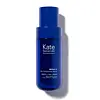
This anti-aging serum is formulated around Retinal and Squalane to soften the look of wrinkles and refine skin texture.
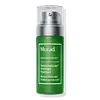
This anti-aging overnight mask is formulated around Squalane and Avena Sativa Kernel Extract to soften the look of wrinkles and refine skin texture.

What's inside
What's inside
 Key Ingredients
Benefits
Concerns
Ingredients Side-by-side
Water
Skin ConditioningSqualane
Emollient


Caprylic/Capric Triglyceride
Masking
Propanediol
Solvent
Hydrogenated Ethylhexyl Olivate
EmollientRosa Moschata Seed Oil
Emollient


Panthenol
Skin Conditioning


Potassium Cetyl Phosphate
EmulsifyingPropylene Glycol
Humectant
Dimethicone
Emollient
Hydrogenated Olive Oil Unsaponifiables
Emollient
Saccharomyces Ferment
Skin Conditioning
Hydroxyapatite
Abrasive

Retinal
Skin Conditioning






Mauritia Flexuosa Fruit Oil
Skin Conditioning
Adenosine
Skin Conditioning
Hydroxyethyl Acrylate/Sodium Acryloyldimethyl Taurate Copolymer
Emulsion StabilisingHydrolyzed Sodium Hyaluronate
Skin Conditioning
Crithmum Maritimum Extract
Skin ConditioningSodium Lauroyl Glutamate
SurfactantGlyceryl Stearate
Emollient
Cetearyl Alcohol
Emollient

Stearic Acid
Cleansing
Trisodium Ethylenediamine Disuccinate
ChelatingPolysilicone-11
Polyglutamic Acid
Skin Conditioning
Polyisobutene
Lauroyl Lysine
Skin Conditioning
PEG-7 Trimethylolpropane Coconut Ether
Emulsifying
Xanthan Gum
EmulsifyingSynthetic Fluorphlogopite
Sorbitan Isostearate
Emulsifying
1,2-Hexanediol
Skin Conditioning
Tocopherol
Antioxidant

Citric Acid
Buffering
Ethylhexylglycerin
Skin ConditioningPhenoxyethanol
Preservative
Water, Squalane, Caprylic/Capric Triglyceride, Propanediol, Hydrogenated Ethylhexyl Olivate, Rosa Moschata Seed Oil, Panthenol, Potassium Cetyl Phosphate, Propylene Glycol, Dimethicone, Hydrogenated Olive Oil Unsaponifiables, Saccharomyces Ferment, Hydroxyapatite, Retinal, Mauritia Flexuosa Fruit Oil, Adenosine, Hydroxyethyl Acrylate/Sodium Acryloyldimethyl Taurate Copolymer, Hydrolyzed Sodium Hyaluronate, Crithmum Maritimum Extract, Sodium Lauroyl Glutamate, Glyceryl Stearate, Cetearyl Alcohol, Stearic Acid, Trisodium Ethylenediamine Disuccinate, Polysilicone-11, Polyglutamic Acid, Polyisobutene, Lauroyl Lysine, PEG-7 Trimethylolpropane Coconut Ether, Xanthan Gum, Synthetic Fluorphlogopite, Sorbitan Isostearate, 1,2-Hexanediol, Tocopherol, Citric Acid, Ethylhexylglycerin, Phenoxyethanol
Water
Skin ConditioningDiisostearyl Malate
EmollientPentylene Glycol
Skin Conditioning
Polyglyceryl-3 Methylglucose Distearate
Emulsifying
Zea Mays Kernel Extract
Squalane
Emollient
Propanediol
Solvent
Hydroxyethyl Acrylate/Sodium Acryloyldimethyl Taurate Copolymer
Emulsion StabilisingGlycerin
Humectant
Cetearyl Alcohol
Emollient
Glyceryl Ricinoleate
Emollient
Avena Sativa Kernel Extract
Abrasive
Butyrospermum Parkii Butter
Skin Conditioning
Retinal
Skin Conditioning
Urea
Buffering
Yeast Amino Acids
HumectantTrehalose
Humectant
Inositol
Humectant
Taurine
BufferingBetaine
Humectant
Anigozanthos Flavidus Extract
Skin ConditioningPhosphatidylcholine
EmulsifyingOlea Europaea Leaf Extract
Perfuming
Mannitol
Humectant
Ethylhexylglycerin
Skin ConditioningDimethyl Isosorbide
SolventGlyceryl Stearate
Emollient
Sodium Stearoyl Glutamate
CleansingCetyl Alcohol
Emollient
Hectorite
AbsorbentXanthan Gum
EmulsifyingSodium Chloride
MaskingPolysorbate 60
Emulsifying
Sorbitan Isostearate
Emulsifying
Leuconostoc/Radish Root Ferment Filtrate
Antimicrobial
Tetrasodium Glutamate Diacetate
ChelatingCitric Acid
Buffering
Sodium Benzoate
Masking
Chlorphenesin
Antimicrobial
Potassium Sorbate
Preservative
Citronellol
Perfuming
Alpha-Isomethyl Ionone
Perfuming
Parfum
Masking
Water, Diisostearyl Malate, Pentylene Glycol, Polyglyceryl-3 Methylglucose Distearate, Zea Mays Kernel Extract, Squalane, Propanediol, Hydroxyethyl Acrylate/Sodium Acryloyldimethyl Taurate Copolymer, Glycerin, Cetearyl Alcohol, Glyceryl Ricinoleate, Avena Sativa Kernel Extract, Butyrospermum Parkii Butter, Retinal, Urea, Yeast Amino Acids, Trehalose, Inositol, Taurine, Betaine, Anigozanthos Flavidus Extract, Phosphatidylcholine, Olea Europaea Leaf Extract, Mannitol, Ethylhexylglycerin, Dimethyl Isosorbide, Glyceryl Stearate, Sodium Stearoyl Glutamate, Cetyl Alcohol, Hectorite, Xanthan Gum, Sodium Chloride, Polysorbate 60, Sorbitan Isostearate, Leuconostoc/Radish Root Ferment Filtrate, Tetrasodium Glutamate Diacetate, Citric Acid, Sodium Benzoate, Chlorphenesin, Potassium Sorbate, Citronellol, Alpha-Isomethyl Ionone, Parfum
Reviews
Ingredients Explained
These ingredients are found in both products.
Ingredients higher up in an ingredient list are typically present in a larger amount.
Cetearyl alcohol is a waxy mixture of two fatty alcohols: cetyl alcohol and stearyl alcohol. It is an emollient and emulsifier.
Despite having "alcohol" in its name, it has nothing to do with drying solvent alcohols; the FDA also allows "alcohol-free" products to contain fatty alcohols like this ingredient.
It plays several roles in a formula:
Typical use levels for this ingredient sit around 1-10% and the Cosmetic Ingredient Review Expert Panel has affirmed safety at concentrations up to 25% in leave-on products.
Multiple assessments have found it to be non-irritating and non-sensitizing to most people.
However, there have been some cases of allergic contact dermatitis in patients with chronically compromised skin barriers.
Cetearyl alcohol has a comedogenic rating of 2 and irritancy rating of 1. Both of these numbers come from the 1989 study that used rabbit ears; a "2" means mildly comedogenic and a "1" means low irritancy.
Here's the catch: rabbit skin is more sensitive than human skin and throws a lot of false positives. A 1996 reappraisal found that ingredients rated 1-2 in the rabbit ear tests are generally safe for humans.
Remember comedogenic ratings are unable to assess the entire formula of a product or how it will react on your skin. Just be sure to patch test if you are unsure about certain ingredients.
This ingredient is not fungal acne safe. Cetearyl alcohol is a fatty alcohol with chain lengths that fall within the range that Malassezia can metabolize.
A 2019 study has also observed Malassezia growth in the presence of this ingredient, confirming it to be not-fungal acne safe.
Learn more about Cetearyl AlcoholCitric Acid is an alpha hydroxy acid (AHA) naturally found in citrus fruits like oranges, lemons, and limes.
Like other AHAs, citric acid can exfoliate skin by breaking down the bonds that hold dead skin cells together. This helps reveal smoother and brighter skin underneath.
However, this exfoliating effect only happens at high concentrations (20%) which can be hard to find in cosmetic products.
Due to this, citric acid is usually included in small amounts as a pH adjuster. This helps keep products slightly more acidic and compatible with skin's natural pH.
In skincare formulas, citric acid can:
While it can provide some skin benefits, research shows lactic acid and glycolic acid are generally more effective and less irritating exfoliants.
Most citric acid used in skincare today is made by fermenting sugars (usually from molasses). This synthetic version is identical to the natural citrus form but easier to stabilize and use in formulations.
Rosacea skin has a lower threshold for acids generally, with 62.5% of rosacea subjects in one study reacting to lactic acid in a sting test. This is why we mark citric acid as a potential rosacea trigger.
However, this ingredient shows up as a pH adjuster or chelator at roughly 0.1-1% in many products. These low levels are unlikely to be an issue for rosacea skin and becomes a potential trigger at exfoliating concentrations (20%). Because everybody's skin is unique, we recommend a patch test if you are unsure.
Learn more about Citric AcidEthylhexylglycerin is created from glycerin. It is a multitasker ingredient that:
The CIR Expert Panel found minimal skin absorption or sensitization of any kind in a safety assessment. Though this ingredient is considered well-tolerated, a small number of cases of allergic dermatitis have been published since 2002. Just be sure to patch test if you are unsure.
Industry-reported use ranges from 8% in rinse-off products and 2% in leave-on formulations.
Learn more about EthylhexylglycerinGlyceryl Stearate is made by reacting glycerin with stearic acid (typically sourced from plant oils like palm or coconut). It's an emulsifier, emollient, and mild occlusive.
Emulsifiers help ingredients like oil and water stay mixed so your formula stays nicely blended and uniform in texture.
This ingredient is typically used in concentrations between 1-10%. Studies have found it to be non-sensitizing, non-phototoxic, and non-photoallergenic.
A close cousin of this ingredient is Glyceryl Stearate SE ("self-emulsifying"). This just has a small amount of sodium or potassium stearate added so it can emulsify without a co-emulsifier.
Since this ingredient is an ester of a C18 fatty acid, it may not be fungal acne safe. The Malassezia yeast can potentially metabolize within the C11-C24 range.
Fun fact: The human body also creates Glyceryl Stearate naturally.
Learn more about Glyceryl StearateThis is a synthetic polymer. It helps improve the texture of products by adding thickness and gel-like feel.
It is also an emulsifer, meaning it prevents ingredients such as oil and water from separating. It also helps evenly disperse other ingredients.
Propanediol is an all-star ingredient. It softens, hydrates, and smooths the skin.
It’s often used to:
Propanediol is not likely to cause sensitivity and considered safe to use. It is derived from corn or petroleum with a clear color and no scent.
Learn more about PropanediolRetinal (aka retinaldehyde) is a form of retinoid that formulators use mainly as an antiaging and skin-renewing active.
What makes it special is its position in the retinoid family; skin converts it to retinoic acid (the prescription gold standard) in just one step.
Because retinal only requires 1 conversion step to become retinoic acid, it's the strongest over-the-counter retinoid. It also works at lower concentrations than retinol, since retinal is about 10x more bioavailable.
Studies back up its efficacy in skin:
A foundational trial showed that applying 0.05-0.5% retinal for 1-3 months produced a dose-dependent and significant increase in epidermal thickness + cell turnover markers.
And a head-to-head comparison of 0.05% retinal against a 0.05% retinoid acid found both formulations were effective for the basis of wrinkle/skin roughness features, but retinoic acid caused more local irritation.
More recent controlled trials confirm it improves wrinkles, dermal density, and firmness over 12-24 weeks, with significant improvements in skin texture and firmness (particularly with the higher 0.1% concentration).
Retinal also has one trick the other retinoids do not: it directly fights against acne bacteria since a clinical study showed retinaldehyde-treated areas displayed a significant decrease in counts of viable P. acnes.
This makes it a great pick for people who want to treat aging and breakouts.
Typical cosmetic use sits in the 0.05-0.1% range with 0.05% being the gentle starting point and 0.1% giving stronger results.
Like all retinoids, retinal works best with nightly use, a good moisturizer, and daytime sunscreen. It can cause some irritation so ease into it slowly rather than going all in.
The "ramp up" method works well: start with Retinal once a week to give your skin time to adjust, which keeps irritation low.
Slowly add more nights until you reach your goal frequency once your skin feels comfortable.
Retinoids also make your skin more sensitive to the sun in the first few weeks, so wear sunscreen every morning and protect your skin from direct sun while you build up tolerance.
Learn more about RetinalSorbitan Isostearate is an emulsifer. It is created from isostearic acid and sorbitol.
As an emulsifier, it keeps the water and oil ingredients from separating. This keeps formulas stable and smooth.
In a 24 hour occlusive patch test on 56 subjects, 10% sorbitan isostearate was completely non-irritating. Most formulas use less than 10%.
Because it's a fatty acid ester, it may not be fungal acne safe since the Malassezia yeast can utilize it as a nutrient source.
Learn more about Sorbitan IsostearateSqualane is the hydrogenated and shelf-stable form of squalene (a lipid that naturally occurs in human sebum).
It is an emollient and skin conditioning agent that is able to integrate seamlessly into the skin's lipid barrier without clogging pores.
This is due to how structurally similar it is to what your skin already produces.
Though it is mostly an emollient that helps soften and hydrate skin, it also has some humectant and occlusive action. Humectants help the skin retain moisture while occlusives seal it in, making squalane a triple-threat moisturizer.
Research shows it has antioxidant capabilities that help protect against stressors like UV exposure, specifically UVA induced oxidative stress. This study also found that it supports collagen biosynthesis in human dermal fibroblasts.
No clinical study has reported significant adverse effects and irritation reactions are very rare from this ingredient (even at 100% concentration).
Overall, it's a fantastic ingredient for hydration and is suitable for all skin types.
This depends on the source. Squalane can be derived from both plants and animals. Most squalane used in skincare comes from plants.
Please note: the source of squalane is only known if disclosed by the brand. We recommend reaching out to the brand if you have any questions about their squalane.
Read more about squalene with an "e".
Though squalane is often called an oil, it’s technically not one. It is a hydrocarbon, meaning it is only made of carbon and hydrogen. True oils are triglycerides and made of fatty acids and glycerol.
The term “oil-free” isn’t regulated so companies can define it however they want. Some exclude all oils, while others just avoid mineral oil or comedogenic oils.
Squalane has a comedogenic rating of 1 from the original 1972 study that tested raw ingredients under occlusion on rabbit ears. This system is not standardized or peer-reviewed, and using the raw ingredients is very different from how diluted cosmetic formulations are used on human skin.
A comedogenic rating of 1 means it is "unlikely to clog pores" according to the original rating system.
The overall formula of a product matters more than the individual ingredients on whether or not it will cause clogged pores.
Learn more about SqualaneWater. It's the most common cosmetic ingredient of all. You'll usually see it at the top of ingredient lists, meaning that it makes up the largest part of the product.
So why is it so popular? Water most often acts as a solvent - this means that it helps dissolve other ingredients into the formulation.
You'll also recognize water as that liquid we all need to stay alive. If you see this, drink a glass of water. Remember to stay hydrated!
Learn more about WaterXanthan gum is used as a stabilizer and thickener within cosmetic products. It helps give products a sticky, thick feeling - preventing them from being too runny.
On the technical side of things, xanthan gum is a polysaccharide - a combination consisting of multiple sugar molecules bonded together.
Xanthan gum is a pretty common and great ingredient. It is a natural, non-toxic, non-irritating ingredient that is also commonly used in food products.
Learn more about Xanthan Gum

