Juice Beauty Stem Cellular Anti-Wrinkle Booster Serum Versus Murad Essential-C Day Moisture Broad Spectrum SPF 30 PA+++
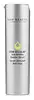
This anti-aging serum is formulated around Aloe Barbadensis Leaf Juice and Tocopherol to soften the look of wrinkles and hydrate skin.
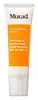
This brightening day moisturizer is formulated around Retinyl Palmitate and Ascorbyl Palmitate to brighten dull-looking skin.

What's inside
What's inside
 Key Ingredients
Benefits
Concerns
Ingredients Side-by-side
Pyrus Malus Juice
Skin ConditioningVitis Vinifera Juice
Antioxidant
Citrus Limon Juice
Skin Conditioning
Aloe Barbadensis Leaf Juice
Skin Conditioning


Glycerin
Humectant

Xanthan Gum
EmulsifyingGlyceryl Stearate
Emollient

Butyrospermum Parkii Butter
Skin Conditioning


Ethylhexyl Palmitate
Emollient
Caprylic/Capric Triglyceride
Masking
Cetearyl Alcohol
Emollient
Helianthus Annuus Seed Oil
Emollient
Malus Domestica Fruit Cell Culture Extract
Skin ConditioningVitis Vinifera Fruit Extract
Skin ConditioningCitrus Limon Leaf Cell Extract
Skin ConditioningSimmondsia Chinensis Seed Oil
Emollient
Oenothera Biennis Oil
Emollient
Linum Usitatissimum Seed Oil
Perfuming
Borago Officinalis Seed Oil
Emollient
Sodium Benzoate
Masking
Potassium Sorbate
Preservative
Ethylhexylglycerin
Skin ConditioningTocopherol
Antioxidant



Panthenol
Skin Conditioning
Stearic Acid
Cleansing
Allantoin
Skin Conditioning
Sodium Hyaluronate
Humectant
Citrus Reticulata Peel Oil
Masking
Litsea Cubeba Fruit Oil
Masking
Cinnamomum Camphora Wood Oil
Masking
Pyrus Malus Juice, Vitis Vinifera Juice, Citrus Limon Juice, Aloe Barbadensis Leaf Juice, Glycerin, Xanthan Gum, Glyceryl Stearate, Butyrospermum Parkii Butter, Ethylhexyl Palmitate, Caprylic/Capric Triglyceride, Cetearyl Alcohol, Helianthus Annuus Seed Oil, Malus Domestica Fruit Cell Culture Extract, Vitis Vinifera Fruit Extract, Citrus Limon Leaf Cell Extract, Simmondsia Chinensis Seed Oil, Oenothera Biennis Oil, Linum Usitatissimum Seed Oil, Borago Officinalis Seed Oil, Sodium Benzoate, Potassium Sorbate, Ethylhexylglycerin, Tocopherol, Panthenol, Stearic Acid, Allantoin, Sodium Hyaluronate, Citrus Reticulata Peel Oil, Litsea Cubeba Fruit Oil, Cinnamomum Camphora Wood Oil
Butyl Methoxydibenzoylmethane 3%
UV Absorber
Homosalate 6.5%
Skin Conditioning
Ethylhexyl Methoxycinnamate 7.5%
UV Absorber
Ethylhexyl Salicylate 5%
UV Absorber
Benzophenone-3 2%
UV Absorber
Water
Skin ConditioningButylene Glycol
Humectant
Stearic Acid
Cleansing
Diisopropyl Sebacate
EmollientCocoglycerides
Emollient
Lauryl Lactate
EmollientGlyceryl Stearate
Emollient
PEG-100 Stearate
Surfactant
Isodecyl Neopentanoate
EmollientDimethicone
Emollient
Cetyl Alcohol
Emollient
Cetyl Phosphate
EmulsifyingUrea
Buffering

Yeast Amino Acids
HumectantTrehalose
Humectant
Inositol
Humectant
Taurine
BufferingBetaine
Humectant
Phospholipids
Skin Conditioning
Retinyl Palmitate
Skin Conditioning
Tocopheryl Acetate
Antioxidant
Ascorbyl Palmitate
Antioxidant
Pelvetia Canaliculata Extract
Skin Protecting
Ectoin
Skin Conditioning
Ginkgo Biloba Leaf Extract
Skin Conditioning
Vitis Vinifera Seed Extract
Antimicrobial
Passiflora Incarnata Extract
AstringentTetrahexyldecyl Ascorbate
Antioxidant
Sodium PCA
Humectant
Panthenol
Skin Conditioning
Tripleurospermum Maritimum Extract
Skin ProtectingZinc Gluconate
Skin Conditioning


Ethyl Linoleate
Emollient
Magnesium Aluminum Silicate
Absorbent
Xanthan Gum
EmulsifyingAminomethyl Propanol
BufferingDisodium EDTA
ChelatingPhenoxyethanol
Preservative
Caprylyl Glycol
Emollient
Chlorphenesin
Antimicrobial
Limonene
Perfuming
Linalool
Perfuming
Parfum
Masking
CI 15985
Cosmetic ColorantCI 17200
Cosmetic ColorantButyl Methoxydibenzoylmethane 3%, Homosalate 6.5%, Ethylhexyl Methoxycinnamate 7.5%, Ethylhexyl Salicylate 5%, Benzophenone-3 2%, Water, Butylene Glycol, Stearic Acid, Diisopropyl Sebacate, Cocoglycerides, Lauryl Lactate, Glyceryl Stearate, PEG-100 Stearate, Isodecyl Neopentanoate, Dimethicone, Cetyl Alcohol, Cetyl Phosphate, Urea, Yeast Amino Acids, Trehalose, Inositol, Taurine, Betaine, Phospholipids, Retinyl Palmitate, Tocopheryl Acetate, Ascorbyl Palmitate, Pelvetia Canaliculata Extract, Ectoin, Ginkgo Biloba Leaf Extract, Vitis Vinifera Seed Extract, Passiflora Incarnata Extract, Tetrahexyldecyl Ascorbate, Sodium PCA, Panthenol, Tripleurospermum Maritimum Extract, Zinc Gluconate, Ethyl Linoleate, Magnesium Aluminum Silicate, Xanthan Gum, Aminomethyl Propanol, Disodium EDTA, Phenoxyethanol, Caprylyl Glycol, Chlorphenesin, Limonene, Linalool, Parfum, CI 15985, CI 17200
Ingredients Explained
These ingredients are found in both products.
Ingredients higher up in an ingredient list are typically present in a larger amount.
Glyceryl Stearate is made by reacting glycerin with stearic acid (typically sourced from plant oils like palm or coconut). It's an emulsifier, emollient, and mild occlusive.
Emulsifiers help ingredients like oil and water stay mixed so your formula stays nicely blended and uniform in texture.
This ingredient is typically used in concentrations between 1-10%. Studies have found it to be non-sensitizing, non-phototoxic, and non-photoallergenic.
A close cousin of this ingredient is Glyceryl Stearate SE ("self-emulsifying"). This just has a small amount of sodium or potassium stearate added so it can emulsify without a co-emulsifier.
Since this ingredient is an ester of a C18 fatty acid, it may not be fungal acne safe. The Malassezia yeast can potentially metabolize within the C11-C24 range.
Fun fact: The human body also creates Glyceryl Stearate naturally.
Learn more about Glyceryl StearatePanthenol is a common ingredient that helps hydrate and soothe the skin. It is found naturally in our skin and hair.
There are two forms of panthenol: D and L.
D-panthenol is also known as dexpanthenol. Most cosmetics use dexpanthenol or a mixture of D and L-panthenol.
Panthenol is famous due to its ability to go deeper into the skin's layers. Using this ingredient has numerous pros (and no cons):
Like hyaluronic acid, panthenol is a humectant. Humectants are able to bind and hold large amounts of water to keep skin hydrated.
This ingredient works well for wound healing. It works by increasing tissue in the wound and helps close open wounds.
Once oxidized, panthenol converts to pantothenic acid. Panthothenic acid is found in all living cells.
This ingredient is also referred to as pro-vitamin B5.
Learn more about PanthenolStearic Acid is a fatty acid that is already found in your skin. It's one of the free fatty acids that works alongside ceramides and cholesterols to maintain your barrier.
In cosmetics, it is a multitasker:
Safety-wise, the CIR Expert Panel has concluded it to be safe in cosmetics when formulated to be non-irritating and non-sensitizing.
Free stearic acid is a C18 fatty acid that the Malassezia yeast can substrate, so this ingredient may not be fungal acne safe.
Learn more about Stearic AcidXanthan gum is used as a stabilizer and thickener within cosmetic products. It helps give products a sticky, thick feeling - preventing them from being too runny.
On the technical side of things, xanthan gum is a polysaccharide - a combination consisting of multiple sugar molecules bonded together.
Xanthan gum is a pretty common and great ingredient. It is a natural, non-toxic, non-irritating ingredient that is also commonly used in food products.
Learn more about Xanthan Gum

