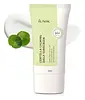
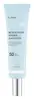
iUNIK Centella Calming Daily Sunscreen SPF50+ PA++++ Versus iUNIK Beta-Glucan Barrier Sunscreen SPF 50+
This chemical sunscreen covers the full UV range and blocks ~98% of UVB at SPF 50.
This chemical sunscreen covers the full UV range and blocks ~98% of UVB at SPF 50.

What's inside
What's inside
 Key Ingredients
Benefits
Concerns
Ingredients Side-by-side
Centella Asiatica Extract 49%
Cleansing





Water
Skin ConditioningDibutyl Adipate
EmollientDiethylamino Hydroxybenzoyl Hexyl Benzoate
UV Filter
Ethylhexyl Triazone
UV Absorber
Glycerin
Humectant
Niacinamide
Smoothing





Polymethyl Methacrylate
Methylene Bis-Benzotriazolyl Tetramethylbutylphenol
UV Filter
Polysilicone-15
UV Filter
1,2-Hexanediol
Skin Conditioning
Beta-Glucan
Skin Conditioning
Allantoin
Skin Conditioning
Butylene Glycol
Humectant
Pentylene Glycol
Skin Conditioning
Arachidyl Alcohol
Emollient
Sodium Stearoyl Glutamate
CleansingPolyglyceryl-3 Methylglucose Distearate
Emulsifying

Sorbitan Sesquioleate
Emulsifying
Behenyl Alcohol
Emollient
Decyl Glucoside
Cleansing
Caprylyl Glycol
Emollient
Arachidyl Glucoside
EmulsifyingHydroxyacetophenone
Antioxidant
Acrylates/C10-30 Alkyl Acrylate Crosspolymer
Emulsion StabilisingCarbomer
Emulsion StabilisingPolyacrylate Crosspolymer-6
Emulsion StabilisingAdenosine
Skin Conditioning
Dipotassium Glycyrrhizate
Humectant
Glucose
Humectant
T-Butyl Alcohol
Perfuming




Xanthan Gum
EmulsifyingTromethamine
BufferingDisodium EDTA
ChelatingCentella Asiatica Extract 49%, Water, Dibutyl Adipate, Diethylamino Hydroxybenzoyl Hexyl Benzoate, Ethylhexyl Triazone, Glycerin, Niacinamide, Polymethyl Methacrylate, Methylene Bis-Benzotriazolyl Tetramethylbutylphenol, Polysilicone-15, 1,2-Hexanediol, Beta-Glucan, Allantoin, Butylene Glycol, Pentylene Glycol, Arachidyl Alcohol, Sodium Stearoyl Glutamate, Polyglyceryl-3 Methylglucose Distearate, Sorbitan Sesquioleate, Behenyl Alcohol, Decyl Glucoside, Caprylyl Glycol, Arachidyl Glucoside, Hydroxyacetophenone, Acrylates/C10-30 Alkyl Acrylate Crosspolymer, Carbomer, Polyacrylate Crosspolymer-6, Adenosine, Dipotassium Glycyrrhizate, Glucose, T-Butyl Alcohol, Xanthan Gum, Tromethamine, Disodium EDTA
Water
Skin ConditioningDibutyl Adipate
Emollient2,3-Butanediol
HumectantEthylhexyl Triazone
UV Absorber
Diethylamino Hydroxybenzoyl Hexyl Benzoate
UV Filter
Drometrizole Trisiloxane
UV Absorber
Terephthalylidene Dicamphor Sulfonic Acid
UV Absorber
1,2-Hexanediol
Skin Conditioning
Butyloctyl Salicylate
Skin Conditioning
Behenyl Alcohol
Emollient
Tromethamine
BufferingDiethylhexyl Butamido Triazone
UV Absorber
Diisopropyl Sebacate
EmollientVinyldimethicone
Arachidyl Alcohol
Emollient
Acrylates/C10-30 Alkyl Acrylate Crosspolymer
Emulsion StabilisingMethyl Methacrylate Crosspolymer
Caprylyl Methicone
Skin Conditioning
Batyl Alcohol
EmollientStearic Acid
Cleansing
Sodium Polyacryloyldimethyl Taurate
Emulsion StabilisingArachidyl Glucoside
EmulsifyingPolyacrylate Crosspolymer-6
Emulsion StabilisingStearyl Alcohol
Emollient
Allantoin
Skin Conditioning
Ethylhexylglycerin
Skin ConditioningPanthenol
Skin Conditioning
Lecithin
Emollient
Caprylic/Capric Triglyceride
Masking
Microcrystalline Cellulose
AbsorbentCellulose Gum
Emulsion StabilisingGlucose
Humectant
Butylene Glycol
Humectant
Propanediol
Solvent
Beta-Glucan
Skin Conditioning
Maltodextrin
Absorbent
Chlorella Ferment
Skin Conditioning
Lactobacillus Ferment
Skin Conditioning
Panax Ginseng Extract
Antioxidant
Sodium Benzoate
Masking
Glyceryl Caprylate
EmollientAcetyl Hexapeptide-8
Humectant
Water, Dibutyl Adipate, 2,3-Butanediol, Ethylhexyl Triazone, Diethylamino Hydroxybenzoyl Hexyl Benzoate, Drometrizole Trisiloxane, Terephthalylidene Dicamphor Sulfonic Acid, 1,2-Hexanediol, Butyloctyl Salicylate, Behenyl Alcohol, Tromethamine, Diethylhexyl Butamido Triazone, Diisopropyl Sebacate, Vinyldimethicone, Arachidyl Alcohol, Acrylates/C10-30 Alkyl Acrylate Crosspolymer, Methyl Methacrylate Crosspolymer, Caprylyl Methicone, Batyl Alcohol, Stearic Acid, Sodium Polyacryloyldimethyl Taurate, Arachidyl Glucoside, Polyacrylate Crosspolymer-6, Stearyl Alcohol, Allantoin, Ethylhexylglycerin, Panthenol, Lecithin, Caprylic/Capric Triglyceride, Microcrystalline Cellulose, Cellulose Gum, Glucose, Butylene Glycol, Propanediol, Beta-Glucan, Maltodextrin, Chlorella Ferment, Lactobacillus Ferment, Panax Ginseng Extract, Sodium Benzoate, Glyceryl Caprylate, Acetyl Hexapeptide-8
Reviews
Ingredients Explained
These ingredients are found in both products.
Ingredients higher up in an ingredient list are typically present in a larger amount.
1,2-Hexanediol is a synthetic liquid and another multi-functional powerhouse.
It is a:
- Humectant, drawing moisture into the skin
- Emollient, helping to soften skin
- Solvent, dispersing and stabilizing formulas
- Preservative booster, enhancing the antimicrobial activity of other preservatives
Acrylates/C10-30 Alkyl Acrylate Crosspolymer is a synthetic polymer. It is used to thicken, emulsify, and improve the texture of products.
As an emulsifier, it helps stabilize oil-in-water emulsions to give products an elegant feel when applied.
It can also form a thin protective film on skin. One study found that a formula using this polymer helped slow down how quickly other ingredients (like DEET) were absorbed through skin.
A 2024 study of over 1,300 patients confirmed that sensitization to this ingredient is rare. It is also non-mutagenic and has a clean track record.
Learn more about Acrylates/C10-30 Alkyl Acrylate CrosspolymerAllantoin is a soothing ingredient known for its protective and moisturizing properties; it's basically a quiet workhorse ingredient you can find in a huge range of cosmetics.
Though it can be derived from the comfrey plant, allantoin is produced synthetically for cosmetic products to ensure purity.
Research shows it can encourage your skin cells to turn over and renew by stimulating keratinocyte and fibroblast proliferation.
It also has mild keratolytic properties to help loosen and shed dead skin cells without being harsh.
Studies also suggest allantoin can help calm inflammation by dialing down some of the chemical signals your skin sends out when it is irritated.
This ingredient is typically used in the 0.1-0.5% range, and the FDA recognizes it as a skin protectant in OTC products up to 2%.
Overall, allantoin is a wonderful addition to most routines; it is stable across a wide pH range (~4-8), works well with other ingredients, and is considered non-sensitizing/non-irritating.
Fun fact: Allantoin is naturally occurring in comfrey root, beets, chamomile, and wheat sprouts. Our bodies even produce it as a byproduct of uric acid metabolism.
Learn more about AllantoinArachidyl Alcohol is a fatty alcohol made from the the arachidic acid found in peanut oil.
Despite having "alcohol" in the name, it is not related to denatured alcohol or ethanol.
This ingredient is a multitasker:
Just be sure to patch this ingredient if you have a peanut allergy (though this ingredient is highly processed and the allergenic proteins are typically removed).
Learn more about Arachidyl AlcoholThis ingredient is a plant-based surfactant and emulsifier. It helps oil and water based ingredients mix evenly to improve formula stability without adding a "greasy" feel.
Behenyl Alcohol is a type of fatty alcohol (these are different from the drying, solvent alcohols).
Fatty Alcohols have hydrating properties and are most often used as an emollient or to thicken a product. They are usually derived from natural fats and oils; behenyl alcohol is derived from the fats of vegetable oils.
Emollients help keep your skin soft and hydrated by creating a film that traps moisture in.
In 2000, Behenyl Alcohol was approved by the US as medicine to reduce the duration of cold sores.
Learn more about Behenyl AlcoholBeta-Glucan is a soluble polysaccharide (a chain of glucose sugars) sourced from the cells walls of oats, baker's yeast, mushrooms, and seaweed.
It's a rare ingredient that pulls double-duty as a heavy-duty hydrator and skin-soothing repair agent.
On the surface, it acts as a humectant that holds water in place and reduces moisture loss for a plumper, smoother feel, while its anti-inflammatory and antioxidant properties make it a great pick for calming redness or sensitive skin
The more interesting story is underneath:
Despite its large molecular size, oat beta-glucan has been shown to penetrate the epidermis and reach the dermis by slipping between skin cells. Here, it interacts with fibroblasts and macrophages to nudge collagen synthesis and support wound repair.
A small 2005 split-face clinical study of 27 subjects found topical beta-glucan produced measurable reductions in wrinkle depth, height, and roughness after 8 weeks of use.
It is worth noting the trial was small and the penetration testing used frozen, irradiated skin so the anti-aging data is encouraging rather than definitive.
This ingredient gets along with pretty much everything and is typically used around 0.1-1%.
Fungal acne: This ingredient is not a food source for the Malassezia yeast because it is a glucose polysaccharide with no fatty acid or ester component.
Learn more about Beta-GlucanButylene Glycol (or BG) is used within cosmetic products for a few different reasons:
Overall, Butylene Glycol is a safe and well-rounded ingredient that works well with other ingredients.
Though this ingredient works well with most skin types, some people with sensitive skin may experience a reaction such as allergic rashes, closed comedones, or itchiness.
Learn more about Butylene GlycolDibutyl Adipate is a lightweight, oil-soluble ester that acts as an emollient and solvent. It helps products spread more easily and leaves a soft, silky, dry-touch finish without being greasy.
You'll likely see this ingredient in sunscreens because it does a nice job dissolving UV filters and keeping them evenly distributed.
This ingredient has been found to be safe as used in cosmetics, wasn't a skin or eye irritant in clinical patch testing, and wasn't phototoxic.
In a clinical comedogenicity test, this ingredient tested negative so it isn't likely to clog pores.
Typical use levels are about 5-8% for sunscreens + nail products, but can range from 0.005%-8% depending on the product.
Learn more about Dibutyl AdipateDiethylamino Hydroxybenzoyl Hexyl Benzoate (DHHB) is a chemical UV-A absorber. It is formulated for high UVA protection (320-400 nm).
DHHB is well-liked for:
DHHB has been approved by the EU, Japan, Taiwan, and South America for use up to 10%. Unfortunately, it has not been approved for use in the US or Canada due to slow regulatory processes.
This ingredient is soluble in oils, fats, and lipids.
Learn more about Diethylamino Hydroxybenzoyl Hexyl BenzoateEthylhexyl Triazone (aka Octyl Triazone) is an oil-soluble organic UVB filter. It has peak absorption around 314 nm, right in the middle of the UVB range.
This ingredient is described as one of the most effective UVB filters available and small concentrations are enough to deliver a high SPF thanks to its strong UV absorbing power.
Formulators love it for its stability; its ability to filter UV stays practically unchanged even under intense radiation and it can also help boost the photostability of less stable filters like avobenzone.
It's also a great pick for water resistant products because it's insoluble in water and has a good affinity for keratin.
Because it's a big, heavy molecule, the European Scientific Committee has found to to have very low dermal penetration and negative results for allergenicity.
In vitro testing also showed a low absorption rate and clean results on irritation.
Typical use levels are 1-5% with 5% being the maximum in the EU, Japan, and other markets that allow it. However, this ingredient is not approved yet in the US or Canada.
Learn more about Ethylhexyl TriazoneGlucose is a simple sugar (a monosaccharide). In skincare, it is mostly a humectant and skin conditioning agent.
Mechanistically, it has multiple hydroxyl groups that hydrogen-bond to water. This pulls moisture into the upper layers of skin to keep the surface soft and hydrated.
It's worth knowing sugars are already a natural component of the skin's NMF (natural moisturizing factor) so it's a molecule that your stratum corneum is well-acquainted with.
Just so you know, glucose is hydrophilic (water-loving) and the stratum corneum is a strong barrier to hydrophilic compounds. This just means penetration is slow and most of the action is happening on the surface.
Gram-to-gram, glucose is not as efficient as a humectant as glycerin. This is why you'll likely see glycose paired with stronger humectants for a bigger hydration payoff.
In skincare, glucose is typically derived from corn or other starch sources.
Learn more about GlucosePolyacrylate Crosspolymer-6 is a texture enhancer and pH adjuster.
It is be used to thicken water-based products and create a gel-texture with a velvet feel.
One manufacturer claims this ingredient to have a pH range of 2-8 and to be biodegradable.
This ingredient is also known as Sepimax Zen.
Learn more about Polyacrylate Crosspolymer-6Tromethamine (aka THAM) is a synthetic amino acid that shows up in skincare as a helper ingredient.
It functions as a pH adjuster to help neutralize acidic ingredients and set a formula's pH to the right spot.
This matters a lot because a lot of actives (like vitamin C) needs a specific pH to work well and feel comfortable on skin.
Concentration use ranges from 0.1-1.0% depending on the formula.
Learn more about TromethamineWater. It's the most common cosmetic ingredient of all. You'll usually see it at the top of ingredient lists, meaning that it makes up the largest part of the product.
So why is it so popular? Water most often acts as a solvent - this means that it helps dissolve other ingredients into the formulation.
You'll also recognize water as that liquid we all need to stay alive. If you see this, drink a glass of water. Remember to stay hydrated!
Learn more about Water

