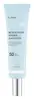
This chemical sunscreen covers the full UV range and blocks ~98% of UVB at SPF 50.
This chemical sunscreen covers the full UV range and blocks ~98% of UVB at SPF 50.


What's inside
What's inside
 Key Ingredients
Benefits
Concerns
Ingredients Side-by-side
Water
Skin ConditioningDibutyl Adipate
Emollient2,3-Butanediol
HumectantEthylhexyl Triazone
UV Absorber
Diethylamino Hydroxybenzoyl Hexyl Benzoate
UV Filter
Drometrizole Trisiloxane
UV Absorber
Terephthalylidene Dicamphor Sulfonic Acid
UV Absorber
1,2-Hexanediol
Skin Conditioning
Butyloctyl Salicylate
Skin Conditioning
Behenyl Alcohol
Emollient
Tromethamine
BufferingDiethylhexyl Butamido Triazone
UV Absorber
Diisopropyl Sebacate
EmollientVinyldimethicone
Arachidyl Alcohol
Emollient
Acrylates/C10-30 Alkyl Acrylate Crosspolymer
Emulsion StabilisingMethyl Methacrylate Crosspolymer

Caprylyl Methicone
Skin Conditioning
Batyl Alcohol
EmollientStearic Acid
Cleansing


Sodium Polyacryloyldimethyl Taurate
Emulsion StabilisingArachidyl Glucoside
EmulsifyingPolyacrylate Crosspolymer-6
Emulsion StabilisingStearyl Alcohol
Emollient
Allantoin
Skin Conditioning



Ethylhexylglycerin
Skin ConditioningPanthenol
Skin Conditioning
Lecithin
Emollient
Caprylic/Capric Triglyceride
Masking
Microcrystalline Cellulose
AbsorbentCellulose Gum
Emulsion StabilisingGlucose
Humectant
Butylene Glycol
Humectant
Propanediol
Solvent
Beta-Glucan
Skin Conditioning
Maltodextrin
Absorbent
Chlorella Ferment
Skin Conditioning
Lactobacillus Ferment
Skin Conditioning
Panax Ginseng Extract
Antioxidant
Sodium Benzoate
Masking
Glyceryl Caprylate
EmollientAcetyl Hexapeptide-8
Humectant

Water, Dibutyl Adipate, 2,3-Butanediol, Ethylhexyl Triazone, Diethylamino Hydroxybenzoyl Hexyl Benzoate, Drometrizole Trisiloxane, Terephthalylidene Dicamphor Sulfonic Acid, 1,2-Hexanediol, Butyloctyl Salicylate, Behenyl Alcohol, Tromethamine, Diethylhexyl Butamido Triazone, Diisopropyl Sebacate, Vinyldimethicone, Arachidyl Alcohol, Acrylates/C10-30 Alkyl Acrylate Crosspolymer, Methyl Methacrylate Crosspolymer, Caprylyl Methicone, Batyl Alcohol, Stearic Acid, Sodium Polyacryloyldimethyl Taurate, Arachidyl Glucoside, Polyacrylate Crosspolymer-6, Stearyl Alcohol, Allantoin, Ethylhexylglycerin, Panthenol, Lecithin, Caprylic/Capric Triglyceride, Microcrystalline Cellulose, Cellulose Gum, Glucose, Butylene Glycol, Propanediol, Beta-Glucan, Maltodextrin, Chlorella Ferment, Lactobacillus Ferment, Panax Ginseng Extract, Sodium Benzoate, Glyceryl Caprylate, Acetyl Hexapeptide-8
Water
Skin ConditioningGlycerin
Humectant
Isopropyl Myristate
Emollient


Caprylic/Capric Triglyceride
Masking
Cyclopentasiloxane
Emollient
Butylene Glycol
Humectant
Glyceryl Stearate
Emollient
PEG-100 Stearate
Surfactant
Octocrylene
UV Absorber
Dimethicone
Emollient
Acrylates Copolymer
Butyl Methoxydibenzoylmethane
UV Absorber
Bis-Ethylhexyloxyphenol Methoxyphenyl Triazine
UV Absorber
Potassium Cetyl Phosphate
EmulsifyingNiacinamide
Smoothing





Silica
Abrasive
Dimethiconol
Emollient
Panthenol
Skin Conditioning
Sodium Acrylate/Sodium Acryloyldimethyl Taurate Copolymer
Emulsion StabilisingHydroxyacetophenone
Antioxidant
1,2-Hexanediol
Skin Conditioning
Glutathione
Ceramide NP
Skin Conditioning
Sodium Hyaluronate
Humectant
Centella Asiatica Extract
Cleansing
Glycyrrhiza Glabra Root Extract
Bleaching
Water, Glycerin, Isopropyl Myristate, Caprylic/Capric Triglyceride, Cyclopentasiloxane, Butylene Glycol, Glyceryl Stearate, PEG-100 Stearate, Octocrylene, Dimethicone, Acrylates Copolymer, Butyl Methoxydibenzoylmethane, Bis-Ethylhexyloxyphenol Methoxyphenyl Triazine, Potassium Cetyl Phosphate, Niacinamide, Silica, Dimethiconol, Panthenol, Sodium Acrylate/Sodium Acryloyldimethyl Taurate Copolymer, Hydroxyacetophenone, 1,2-Hexanediol, Glutathione, Ceramide NP, Sodium Hyaluronate, Centella Asiatica Extract, Glycyrrhiza Glabra Root Extract
Reviews
Ingredients Explained
These ingredients are found in both products.
Ingredients higher up in an ingredient list are typically present in a larger amount.
1,2-Hexanediol is a synthetic liquid and another multi-functional powerhouse.
It is a:
- Humectant, drawing moisture into the skin
- Emollient, helping to soften skin
- Solvent, dispersing and stabilizing formulas
- Preservative booster, enhancing the antimicrobial activity of other preservatives
Butylene Glycol (or BG) is used within cosmetic products for a few different reasons:
Overall, Butylene Glycol is a safe and well-rounded ingredient that works well with other ingredients.
Though this ingredient works well with most skin types, some people with sensitive skin may experience a reaction such as allergic rashes, closed comedones, or itchiness.
Learn more about Butylene GlycolCaprylic/Capric Triglyceride (aka MCT Oil) is a lightweight emollient, solvent, and texture enhancer. It is considered a skin-softener by helping to prevent moisture loss.
Though it behaves like an oil, it is not technically one due to its chemical composition. One perk of this ingredient is that it is very stable, resistant to oxidation, and unlikely to go rancid.
In practice, that translates to a long shelf life and a consistently elegant skin feel.
While there is an assumption Caprylic Triglyceride can clog pores due to it being derived from coconut oil, there is no research supporting this. Just patch test if you have concerns.
Fractionated coconut oil and MCT Oil are both listed as Caprylic/Capric Triglyceride according to INCI. This is because INCI names are based on the ingredient’s final chemical composition and not its marketing name or source.
This ingredient is treated as the gold standard fungal acne safe oil. Even though it is coconut derived, the problematic lauric acid is stripped out.
This leaves just caprylic (C8) and capric (C10) acid. These chain lengths actually trend antifungal; a 2020 study found caprylic acid was enough to disrupt Malassezia furfur cell membrane, with a caprylic acid derivative damaging membrane structures at concentrations as low as 0.2%.
Learn more about Caprylic/Capric TriglyceridePanthenol is a common ingredient that helps hydrate and soothe the skin. It is found naturally in our skin and hair.
There are two forms of panthenol: D and L.
D-panthenol is also known as dexpanthenol. Most cosmetics use dexpanthenol or a mixture of D and L-panthenol.
Panthenol is famous due to its ability to go deeper into the skin's layers. Using this ingredient has numerous pros (and no cons):
Like hyaluronic acid, panthenol is a humectant. Humectants are able to bind and hold large amounts of water to keep skin hydrated.
This ingredient works well for wound healing. It works by increasing tissue in the wound and helps close open wounds.
Once oxidized, panthenol converts to pantothenic acid. Panthothenic acid is found in all living cells.
This ingredient is also referred to as pro-vitamin B5.
Learn more about PanthenolWater. It's the most common cosmetic ingredient of all. You'll usually see it at the top of ingredient lists, meaning that it makes up the largest part of the product.
So why is it so popular? Water most often acts as a solvent - this means that it helps dissolve other ingredients into the formulation.
You'll also recognize water as that liquid we all need to stay alive. If you see this, drink a glass of water. Remember to stay hydrated!
Learn more about Water


