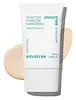
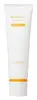
innisfree UV Active Poreless Sunscreen SPF 50+ PA++++ Versus Laneige Radian-C Sun Cream SPF50+/PA++++
This hybrid sunscreen covers the full UV range and blocks ~98% of UVB at SPF 50.
This hybrid sunscreen covers the full UV range and blocks ~98% of UVB at SPF 50.

What's inside
What's inside
 Key Ingredients
Benefits
Concerns
Ingredients Side-by-side
Water
Skin ConditioningZinc Oxide
Cosmetic Colorant


Cyclohexasiloxane
Emollient
Caprylyl Methicone
Skin Conditioning
Butyloctyl Salicylate
Skin Conditioning
Propylheptyl Caprylate
EmollientButylene Glycol
Humectant

Trimethylsiloxysilicate
Emollient
Methyl Trimethicone
Skin Conditioning
Lauryl Polyglyceryl-3 Polydimethylsiloxyethyl Dimethicone
Skin Conditioning
Sodium Potassium Aluminum Silicate
Dimethicone/Vinyl Dimethicone Crosspolymer
Skin Conditioning
Disteardimonium Hectorite
StabilisingMagnesium Sulfate
Triethoxycaprylylsilane
Polyglyceryl-2 Dipolyhydroxystearate
Skin Conditioning

Dimethiconol
Emollient
Trisiloxane
Skin Conditioning
1,2-Hexanediol
Skin Conditioning
Methyl Methacrylate Crosspolymer
Polymethylsilsesquioxane
Silica
Abrasive

CI 77891
Cosmetic ColorantDicaprylyl Carbonate
EmollientCaprylyl Glycol
Emollient
Glyceryl Caprylate
EmollientCI 77492
Cosmetic ColorantEthylhexylglycerin
Skin ConditioningSodium Hyaluronate
Humectant


CI 77491
Cosmetic ColorantCI 77499
Cosmetic ColorantTocopherol
Antioxidant



Hydroxystearic Acid
Cleansing
Glycerin
Humectant
Aronia Arbutifolia Extract
Skin ConditioningCitrus Unshiu Peel Extract
MaskingLactobacillus Ferment
Skin Conditioning
Nelumbium Speciosum Flower Extract
Skin ConditioningStellaria Media Extract
Skin ConditioningChamaecyparis Obtusa Leaf Extract
Skin ConditioningWater, Zinc Oxide, Cyclohexasiloxane, Caprylyl Methicone, Butyloctyl Salicylate, Propylheptyl Caprylate, Butylene Glycol, Trimethylsiloxysilicate, Methyl Trimethicone, Lauryl Polyglyceryl-3 Polydimethylsiloxyethyl Dimethicone, Sodium Potassium Aluminum Silicate, Dimethicone/Vinyl Dimethicone Crosspolymer, Disteardimonium Hectorite, Magnesium Sulfate, Triethoxycaprylylsilane, Polyglyceryl-2 Dipolyhydroxystearate, Dimethiconol, Trisiloxane, 1,2-Hexanediol, Methyl Methacrylate Crosspolymer, Polymethylsilsesquioxane, Silica, CI 77891, Dicaprylyl Carbonate, Caprylyl Glycol, Glyceryl Caprylate, CI 77492, Ethylhexylglycerin, Sodium Hyaluronate, CI 77491, CI 77499, Tocopherol, Hydroxystearic Acid, Glycerin, Aronia Arbutifolia Extract, Citrus Unshiu Peel Extract, Lactobacillus Ferment, Nelumbium Speciosum Flower Extract, Stellaria Media Extract, Chamaecyparis Obtusa Leaf Extract
Water
Skin ConditioningButylene Glycol
Humectant
Diethylamino Hydroxybenzoyl Hexyl Benzoate
UV Filter
Homosalate
Skin Conditioning
Ethylhexyl Salicylate
UV Absorber
C12-15 Alkyl Benzoate
AntimicrobialDiisopropyl Sebacate
EmollientCetearyl Alcohol
Emollient



Silica
Abrasive
Glycerin
Humectant
Potassium Cetyl Phosphate
EmulsifyingTitanium Dioxide
Cosmetic Colorant
Terephthalylidene Dicamphor Sulfonic Acid
UV Absorber
Phenyl Trimethicone
Skin Conditioning
Bis-Ethylhexyloxyphenol Methoxyphenyl Triazine
UV Absorber
Dibutyl Adipate
Emollient1,2-Hexanediol
Skin Conditioning
Tromethamine
BufferingPanthenol
Skin Conditioning
Limonene
Perfuming


Polyacrylate Crosspolymer-6
Emulsion StabilisingAluminum Stearate
Cosmetic ColorantPolymethyl Methacrylate
Polyhydroxystearic Acid
Emulsifying
Parfum
Masking
Xanthan Gum
EmulsifyingCaprylyl Glycol
Emollient
3-O-Ethyl Ascorbic Acid 0.1%
Skin Conditioning

Glyceryl Caprylate
EmollientThymol Trimethoxycinnamate
Antioxidant
Glyceryl Stearate
Emollient
Alumina
Abrasive
Hydrogenated Lecithin
Emulsifying
Disodium EDTA
ChelatingStearic Acid
Cleansing
C12-15 Alcohols
Emollient
Polyglyceryl-3 Methylglucose Distearate
Emulsifying
Palmitic Acid
Emollient
Linalool
Perfuming
Ceramide NP
Skin Conditioning
Citral
Perfuming
T-Butyl Alcohol
Perfuming

Geraniol
Perfuming
Myristic Acid
Cleansing
Lauric Acid
Cleansing
Water, Butylene Glycol, Diethylamino Hydroxybenzoyl Hexyl Benzoate, Homosalate, Ethylhexyl Salicylate, C12-15 Alkyl Benzoate, Diisopropyl Sebacate, Cetearyl Alcohol, Silica, Glycerin, Potassium Cetyl Phosphate, Titanium Dioxide, Terephthalylidene Dicamphor Sulfonic Acid, Phenyl Trimethicone, Bis-Ethylhexyloxyphenol Methoxyphenyl Triazine, Dibutyl Adipate, 1,2-Hexanediol, Tromethamine, Panthenol, Limonene, Polyacrylate Crosspolymer-6, Aluminum Stearate, Polymethyl Methacrylate, Polyhydroxystearic Acid, Parfum, Xanthan Gum, Caprylyl Glycol, 3-O-Ethyl Ascorbic Acid 0.1%, Glyceryl Caprylate, Thymol Trimethoxycinnamate, Glyceryl Stearate, Alumina, Hydrogenated Lecithin, Disodium EDTA, Stearic Acid, C12-15 Alcohols, Polyglyceryl-3 Methylglucose Distearate, Palmitic Acid, Linalool, Ceramide NP, Citral, T-Butyl Alcohol, Geraniol, Myristic Acid, Lauric Acid
Reviews
Ingredients Explained
These ingredients are found in both products.
Ingredients higher up in an ingredient list are typically present in a larger amount.
1,2-Hexanediol is a synthetic liquid and another multi-functional powerhouse.
It is a:
- Humectant, drawing moisture into the skin
- Emollient, helping to soften skin
- Solvent, dispersing and stabilizing formulas
- Preservative booster, enhancing the antimicrobial activity of other preservatives
Butylene Glycol (or BG) is used within cosmetic products for a few different reasons:
Overall, Butylene Glycol is a safe and well-rounded ingredient that works well with other ingredients.
Though this ingredient works well with most skin types, some people with sensitive skin may experience a reaction such as allergic rashes, closed comedones, or itchiness.
Learn more about Butylene GlycolCaprylyl Glycol is a humectant, skin conditioner, emollient, and preservative booster derived from either caprylic acid or synthetically created.
Typical use levels vary from 0.3-1% as a preservative booster and go up to 2% to condition skin.
Because it is not a free-fatty acid, this ingredient is fungal acne safe (there's nothing for Malassezia to feed on).
Learn more about Caprylyl GlycolGlycerin (or glycerol) is a compound naturally found in your skin. It's a powerhouse humectant that pulls water into the stratum corneum.
Topically, glycerin does several things at once:
Your skin makes glycerin on its own (mostly from sebaceous oil breakdown) and shuttles it to your outermost layer of skin, or your epidermis, via aquaporin-3.
Aquaporin-3 is a transporter that is essential for normal skin hydration, elasticity, and repair. Interestingly, mice lacking in AQP3 have dry and less elastic skin that can be fully corrected with glycerin.
This ingredient is non-irritating, plays well with almost every ingredient, and works across all skin types. Typical use is anywhere between 3-10% but can go up to 79% in some leave-on products.
Just know very high concentrations (>40%) can feel tacky in low humidity.
Glycerin is the name for this ingredient in American English. British English uses Glycerol/Glycerine.
Learn more about GlycerinGlyceryl Caprylate comes from glycerin and caprylic acid. It is an emollient, co-emulsifier, and preservative booster.
Its short C8 fatty acid chain makes it behave differently from its longer-chain emollient cousins like Glyceryl Stearate. It feels more lightweight, fast-absorbing, and silky instead of rich and waxy.
As a co-emulsifier, its "head" and "tail" sit at the oil-water interface. But overall, the short C8 tail and not being water soluble means it doesn't really have the muscle to emulsify a formula on its own. That's why you'll often see it paired with a primary emulsifier like Cetearyl Glucoside.
Interestingly, Glyceryl Caprylate acts as a preservative booster. This is because its fatty-acid backbone disrupts microbial lipid membranes. It shows excellent activity against bacteria and yeast but is weaker against mold.
Typical concentrations range from 0.5-1% and this ingredient is generally non-irritating.
Because this ingredient has a C8 fatty acid chain, it is outside the range that the Malassezia yeast metabolizes (making it fungal acne safe).
Learn more about Glyceryl CaprylateSilica, also known as silicon dioxide, is a naturally occurring mineral. It is used as a fine, spherical, and porous powder in cosmetics.
Though it has exfoliant properties, the function of silica varies depending on the product.
The unique structure of silica enhances the spreadability and adds smoothness, making it a great texture enhancer.
It is also used as an active carrier, emulsifier, and mattifier due to its ability to absorb excess oil.
In some products, tiny microneedles called spicules are made from silica or hydrolyzed sponge. When you rub them in, they lightly polish away dead skin layers and enhance the penetration of active ingredients.
Learn more about SilicaWater. It's the most common cosmetic ingredient of all. You'll usually see it at the top of ingredient lists, meaning that it makes up the largest part of the product.
So why is it so popular? Water most often acts as a solvent - this means that it helps dissolve other ingredients into the formulation.
You'll also recognize water as that liquid we all need to stay alive. If you see this, drink a glass of water. Remember to stay hydrated!
Learn more about Water

