

What's inside
What's inside
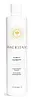 Key Ingredients
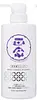
Benefits
Concerns
Ingredients Side-by-side
Water
Skin ConditioningAloe Barbadensis Leaf Juice
Skin Conditioning


Cocamidopropyl Hydroxysultaine
Cleansing
Sodium Cocoyl Isethionate
Cleansing
Glycerin
Humectant

Caprylyl/Capryl Glucoside
CleansingSodium Levulinate
Skin ConditioningPotassium Sorbate
Preservative
Guar Hydroxypropyltrimonium Chloride
Skin ConditioningCitric Acid
Buffering


Butyrospermum Parkii Butter
Skin Conditioning



Sodium Gluconate
Skin ConditioningTocopherol
Antioxidant



Swertia Japonica Extract
Skin ConditioningCyperus Esculentus Tuber Extract
Skin ProtectingSymphytum Officinale Leaf Extract
Skin ConditioningXanthan Gum
EmulsifyingCoconut Acid
Cleansing
Sodium Isethionate
CleansingWater, Aloe Barbadensis Leaf Juice, Cocamidopropyl Hydroxysultaine, Sodium Cocoyl Isethionate, Glycerin, Caprylyl/Capryl Glucoside, Sodium Levulinate, Potassium Sorbate, Guar Hydroxypropyltrimonium Chloride, Citric Acid, Butyrospermum Parkii Butter, Sodium Gluconate, Tocopherol, Swertia Japonica Extract, Cyperus Esculentus Tuber Extract, Symphytum Officinale Leaf Extract, Xanthan Gum, Coconut Acid, Sodium Isethionate
Water
Skin ConditioningSodium Lauroyl Methylalanine
Cocamidopropyl Betaine
Cleansing
Lauramide DEA
SurfactantLauramidopropyl Betaine
CleansingZinc Lauroyl Aspartate
Lactobacillus/Rice Ferment Filtrate
Skin ConditioningRetinyl Palmitate
Skin Conditioning
Panthenol
Skin Conditioning
Ascorbyl Tetraisopalmitate
Antioxidant
Tocopherol
Antioxidant
Glucosyl Hesperidin
HumectantArginine
Masking
Alanine
Masking
Glucose Glutamate
HumectantProline
Skin Conditioning
Glycine
Buffering
Aspartic Acid
Masking
Valine
MaskingSerine
Masking
Phenylalanine
Masking
Histidine
Humectant
Isoleucine
Skin ConditioningThreonine
Ceramide EOP
Skin Conditioning
Ceramide NP
Skin Conditioning
Ceramide AP
Skin Conditioning
Aspergillus/Rice Ferment Extract
HumectantOryza Sativa Bran Oil
Emollient
Oryza Sativa Germ Oil
Emollient
Argania Spinosa Kernel Oil
Emollient
Butyrospermum Parkii Butter
Skin Conditioning
Hydrolyzed Yeast Extract
Skin ConditioningArbutin
Antioxidant
Dipotassium Glycyrrhizate
Humectant
Squalane
Emollient
Keratin
Skin ConditioningPolyquaternium-7
Polyquaternium-10
Polyquaternium-50
Butylene Glycol
Humectant
PCA
Humectant
Sodium PCA
Humectant
Phytosphingosine
Skin Conditioning
Sodium Lactate
Buffering
Cholesterol
Emollient
Decyl Glucoside
Cleansing
Cocamide DEA
Emulsifying
Sodium Lauroyl Lactylate
EmulsifyingPolysorbate 20
Emulsifying
PEG-160 Sorbitan Triisostearate
Cleansing
Carbomer
Emulsion StabilisingXanthan Gum
EmulsifyingCocamide Methyl Mea
Surfactant
Isopentyldiol
Humectant
Zea Mays Oil
Emulsifying
PEG-7 Glyceryl Cocoate
Emulsifying
PEG-3 Distearate
Emulsifying
Glycol Distearate
Emollient
Acetic Acid
BufferingAmmonium Ferric Pentetate
HumectantCitric Acid
Buffering
Sodium Citrate
BufferingPhenoxyethanol
Preservative
Parfum
Masking
Water, Sodium Lauroyl Methylalanine, Cocamidopropyl Betaine, Lauramide DEA, Lauramidopropyl Betaine, Zinc Lauroyl Aspartate, Lactobacillus/Rice Ferment Filtrate, Retinyl Palmitate, Panthenol, Ascorbyl Tetraisopalmitate, Tocopherol, Glucosyl Hesperidin, Arginine, Alanine, Glucose Glutamate, Proline, Glycine, Aspartic Acid, Valine, Serine, Phenylalanine, Histidine, Isoleucine, Threonine, Ceramide EOP, Ceramide NP, Ceramide AP, Aspergillus/Rice Ferment Extract, Oryza Sativa Bran Oil, Oryza Sativa Germ Oil, Argania Spinosa Kernel Oil, Butyrospermum Parkii Butter, Hydrolyzed Yeast Extract, Arbutin, Dipotassium Glycyrrhizate, Squalane, Keratin, Polyquaternium-7, Polyquaternium-10, Polyquaternium-50, Butylene Glycol, PCA, Sodium PCA, Phytosphingosine, Sodium Lactate, Cholesterol, Decyl Glucoside, Cocamide DEA, Sodium Lauroyl Lactylate, Polysorbate 20, PEG-160 Sorbitan Triisostearate, Carbomer, Xanthan Gum, Cocamide Methyl Mea, Isopentyldiol, Zea Mays Oil, PEG-7 Glyceryl Cocoate, PEG-3 Distearate, Glycol Distearate, Acetic Acid, Ammonium Ferric Pentetate, Citric Acid, Sodium Citrate, Phenoxyethanol, Parfum
Ingredients Explained
These ingredients are found in both products.
Ingredients higher up in an ingredient list are typically present in a larger amount.
This ingredient is also known as shea butter. It is a plant-derived extract from the nuts of the Africa shea tree and one of the most well-studied emollients.
Because it has a high concentration of fatty acids (primarily oleic, stearic, and linoleic) it is able to form a protective barrier on the skin's surface. This helps seal in moisture and prevents transepidermal water loss (TEWL).
In vitro research found an increase in skin hydration by 58% and a decrease in TEWL by 37.8% after 24 hours of applying this ingredient (pretty impressive for a single ingredient!).
Besides hydration, shea butter also contains triterpenes that have anti-inflammatory potential. In particule, lupeol cinnamate has shown the highest anti-inflammatory activity in vivo.
Shea butter also contains vitamins A and E which may contribute to antioxidant activity.
While Shea Butter has an SPF rating of about 3-4, it is not a sunscreen replacement.
This ingredient may not be fungal acne safe because its fatty acids fall within the C11-C24 range that the Malassezia yeast can metabolize.
This ingredient shows up on a lot of "pore-clogging" lists but there's no real evidence behind that. It doesn't even have a comedogenic rating from an actual study; the numbers you'll find online come from blogs citing other blogs.
Ratings for other ingredients mostly come from a 1980s rabbit ear test. This test doesn't translate well to human skin or to real products because the ingredient sits at a much lower percentage.
Some people still find it breaks them out. So if that's you, definitely trust your skin. Just know this one's based on experience and not evidence.
Learn more about Butyrospermum Parkii ButterCitric Acid is an alpha hydroxy acid (AHA) naturally found in citrus fruits like oranges, lemons, and limes.
Like other AHAs, citric acid can exfoliate skin by breaking down the bonds that hold dead skin cells together. This helps reveal smoother and brighter skin underneath.
However, this exfoliating effect only happens at high concentrations (20%) which can be hard to find in cosmetic products.
Due to this, citric acid is usually included in small amounts as a pH adjuster. This helps keep products slightly more acidic and compatible with skin's natural pH.
In skincare formulas, citric acid can:
While it can provide some skin benefits, research shows lactic acid and glycolic acid are generally more effective and less irritating exfoliants.
Most citric acid used in skincare today is made by fermenting sugars (usually from molasses). This synthetic version is identical to the natural citrus form but easier to stabilize and use in formulations.
Rosacea skin has a lower threshold for acids generally, with 62.5% of rosacea subjects in one study reacting to lactic acid in a sting test. This is why we mark citric acid as a potential rosacea trigger.
However, this ingredient shows up as a pH adjuster or chelator at roughly 0.1-1% in many products. These low levels are unlikely to be an issue for rosacea skin and becomes a potential trigger at exfoliating concentrations (20%). Because everybody's skin is unique, we recommend a patch test if you are unsure.
Learn more about Citric AcidTocopherol is a fat-soluble antioxidant known as Vitamin E.
You'll find this ingredient in the vast majority of skincare (for good reason). It works to neutralize free radicals, or unstable molecules generated by UV exposure, pollution, and other environmental stressors, before they can cause oxidative damage to your skin cells.
Topically applied tocopherol has been shown to protect against UV damage by ramping up the skin's own natural defense enzymes.
It also acts as a skin conditioning agent; some studies show that regular topical use can improve the skin's water-binding capacity over 2-4 weeks.
This ingredient is especially loved for being a team player. When combined with Vitamin C, the photoprotective effect of both ingredients roughly doubles and the combo also helps reduce UV-induced DNA damage.
This ingredient has some brightening potential but it's more of a prevention ingredient than spot-fader. Cell studies show it can slow down melanin production but it's worth noting that it's not the most powerful brightener out there.
In formulations, it also serves as a stabilizer that helps protect other oxidation-prone ingredients from degrading.
Concentrations usually range from 0.1-1% in most leave-on products.
Learn more about TocopherolWater. It's the most common cosmetic ingredient of all. You'll usually see it at the top of ingredient lists, meaning that it makes up the largest part of the product.
So why is it so popular? Water most often acts as a solvent - this means that it helps dissolve other ingredients into the formulation.
You'll also recognize water as that liquid we all need to stay alive. If you see this, drink a glass of water. Remember to stay hydrated!
Learn more about WaterXanthan gum is used as a stabilizer and thickener within cosmetic products. It helps give products a sticky, thick feeling - preventing them from being too runny.
On the technical side of things, xanthan gum is a polysaccharide - a combination consisting of multiple sugar molecules bonded together.
Xanthan gum is a pretty common and great ingredient. It is a natural, non-toxic, non-irritating ingredient that is also commonly used in food products.
Learn more about Xanthan Gum

