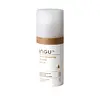
This brightening serum is formulated around Centella Asiatica Extract and Niacinamide to fade the look of dark spots and brighten dull-looking skin.
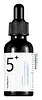
This brightening serum is formulated around Niacinamide and Tranexamic Acid to fade the look of dark spots and brighten dull-looking skin.


What's inside
What's inside
 Key Ingredients
Benefits
Concerns
Ingredients Side-by-side
Water
Skin ConditioningCentella Asiatica Extract
Cleansing





Propanediol
Solvent
Niacinamide
Smoothing





Coffea Arabica Seed Extract
Masking
Cichorium Intybus Root Extract
MaskingBis-PEG-12 Dimethicone
Emollient
Undecylenoyl Phenylalanine
Skin Conditioning
Phenoxyethanol
Preservative
Polyacrylate Crosspolymer-6
Emulsion StabilisingChondrus Crispus Extract
Skin Conditioning

Sodium Hyaluronate
Humectant
Triethanolamine
BufferingGlycerin
Humectant
Propylene Glycol
Humectant
Chlorphenesin
Antimicrobial
Bacillus Ferment
Skin Conditioning
Water, Centella Asiatica Extract, Propanediol, Niacinamide, Coffea Arabica Seed Extract, Cichorium Intybus Root Extract, Bis-PEG-12 Dimethicone, Undecylenoyl Phenylalanine, Phenoxyethanol, Polyacrylate Crosspolymer-6, Chondrus Crispus Extract, Sodium Hyaluronate, Triethanolamine, Glycerin, Propylene Glycol, Chlorphenesin, Bacillus Ferment
Vaccinium Vitis-Idaea Fruit Extract
Antioxidant
Butylene Glycol
Humectant
Niacinamide
Smoothing
Panthenol
Skin Conditioning
Tranexamic Acid
Astringent
Water
Skin Conditioning1,2-Hexanediol
Skin Conditioning
Neopentyl Glycol Dicaprate
EmollientCaprylic/Capric Triglyceride
Masking
Sorbitol
Humectant
Bifida Ferment Lysate
Skin Conditioning
Chondrus Crispus Extract
Skin Conditioning
Butyrospermum Parkii Butter
Skin Conditioning
Saccharum Officinarum Extract
MoisturisingAlpha-Arbutin
Antioxidant
Sodium Hyaluronate
Humectant
Melia Azadirachta Flower Extract
Skin ConditioningOcimum Sanctum Leaf Extract
Skin ConditioningMelia Azadirachta Leaf Extract
Skin ConditioningCurcuma Longa Root Extract
Antioxidant
Corallina Officinalis Extract
Skin Conditioning
Tremella Fuciformis Extract
Humectant
Pentylene Glycol
Skin Conditioning
Glycerin
Humectant
3-O-Ethyl Ascorbic Acid
Skin Conditioning
Bisabolol
Antioxidant
Tromethamine
BufferingEthylhexylglycerin
Skin ConditioningAdenosine
Skin Conditioning
Hydrogenated Lecithin
Emulsifying
Allantoin
Skin Conditioning
Glutathione
Ceramide NP
Skin Conditioning
Beta-Glucan
Skin Conditioning
Dipotassium Glycyrrhizate
Humectant
Tocopherol
Antioxidant
Ascorbic Acid
Antioxidant
Ascorbyl Glucoside
Antioxidant
Tocopheryl Acetate
Antioxidant
Hydroxypropyl Cyclodextrin
MaskingUbiquinone
Antioxidant
Thioctic Acid
Antioxidant
Potassium Hydroxide
BufferingBehenyl Alcohol
Emollient
Carbomer
Emulsion StabilisingXanthan Gum
EmulsifyingDisodium EDTA
ChelatingVaccinium Vitis-Idaea Fruit Extract, Butylene Glycol, Niacinamide, Panthenol, Tranexamic Acid, Water, 1,2-Hexanediol, Neopentyl Glycol Dicaprate, Caprylic/Capric Triglyceride, Sorbitol, Bifida Ferment Lysate, Chondrus Crispus Extract, Butyrospermum Parkii Butter, Saccharum Officinarum Extract, Alpha-Arbutin, Sodium Hyaluronate, Melia Azadirachta Flower Extract, Ocimum Sanctum Leaf Extract, Melia Azadirachta Leaf Extract, Curcuma Longa Root Extract, Corallina Officinalis Extract, Tremella Fuciformis Extract, Pentylene Glycol, Glycerin, 3-O-Ethyl Ascorbic Acid, Bisabolol, Tromethamine, Ethylhexylglycerin, Adenosine, Hydrogenated Lecithin, Allantoin, Glutathione, Ceramide NP, Beta-Glucan, Dipotassium Glycyrrhizate, Tocopherol, Ascorbic Acid, Ascorbyl Glucoside, Tocopheryl Acetate, Hydroxypropyl Cyclodextrin, Ubiquinone, Thioctic Acid, Potassium Hydroxide, Behenyl Alcohol, Carbomer, Xanthan Gum, Disodium EDTA
Reviews
Ingredients Explained
These ingredients are found in both products.
Ingredients higher up in an ingredient list are typically present in a larger amount.
This ingredient comes from the red seaweed that grows along the North Atlantic. It's the same alga that gives us carrageenan, the thickener in your oat milk.
The extract is mostly big sulfated sugar molecules (polysaccharides) plus some minerals and protein.
What those sugars do is simple and useful: they hold onto water and form a light film on the skin. That means they boost hydration, add a bit of slip, and leave a soft, cushiony feel.
It also helps with texture and thickness.
You'll see claims about anti-aging and "second skin" effects but those come mostly from supplier marketing.
The real research is cell-culture stuff and there's no human trial on this ingredient specifically (yet). So for now, treat it as a nice hydrator and texture helper, not an active.
Safety-wise, it's pretty solid. The Cosmetic Ingredient Review panel rated it safe as used, human sensitization tests came back negative, and it wasn't irritating in skin or eye tests.
Typical use levels are 0.5% or lower.
You'll see algae listed as a 5/5 on a lot of pore-clogging charts and that number doesn't come from anywhere; it's not in the original rabbit-ear studies that most comedogenic ratings trace back to.
The reasoning behind the reputation is that seaweed is high in iodine and iodine can trigger acne-like breakouts when eaten. This traces back to a 1976 letter in Archives of Dermatology describing two women whose breakouts cleared after they stopped taking high-dose kelp supplements orally.
And the reaction of these two women wasn't clogged pores at all: it was an iodine-triggered pustular rash. Later research found normal dietary iodine doesn't meaningfully affect acne either and nobody has shown topical algae delivers enough iodine to matter.
What we do have is dozens of brown and red algae ingredients found to be non-irritating and non-sensitizing, and a handful of studies that found algae compounds may actually help acne.
However, plenty of people do report breaking out from algae-containing products. Skin is individual and it's worth avoiding if yours has reacted to algae before.
Learn more about Chondrus Crispus ExtractGlycerin (or glycerol) is a compound naturally found in your skin. It's a powerhouse humectant that pulls water into the stratum corneum.
Topically, glycerin does several things at once:
Your skin makes glycerin on its own (mostly from sebaceous oil breakdown) and shuttles it to your outermost layer of skin, or your epidermis, via aquaporin-3.
Aquaporin-3 is a transporter that is essential for normal skin hydration, elasticity, and repair. Interestingly, mice lacking in AQP3 have dry and less elastic skin that can be fully corrected with glycerin.
This ingredient is non-irritating, plays well with almost every ingredient, and works across all skin types. Typical use is anywhere between 3-10% but can go up to 79% in some leave-on products.
Just know very high concentrations (>40%) can feel tacky in low humidity.
Glycerin is the name for this ingredient in American English. British English uses Glycerol/Glycerine.
Learn more about GlycerinNiacinamide is a multitasking form of vitamin B3 that strengthens the skin barrier, reduces pores and dark spots, regulates oil, and improves signs of aging.
And the best part? It's gentle and well-tolerated by most skin types, including sensitive and reactive skin.
You might have heard of "niacin flush", or the reddening of skin that causes itchiness. Niacinamide has not been found to cause this.
In very rare cases, some individuals may not be able to tolerate niacinamide at all or experience an allergic reaction to it.
If you are experiencing flaking, irritation, and dryness with this ingredient, be sure to double check all your products as this ingredient can be found in all categories of skincare.
When incorporating niacinamide into your routine, look out for concentration amounts. Typically, 5% niacinamide provides benefits such as fading dark spots. However, if you have sensitive skin, it is better to begin with a smaller concentration.
When you apply niacinamide to your skin, your body converts it into nicotinamide adenine dinucleotide (NAD). NAD is an essential coenzyme that is already found in your cells as "fuel" and powers countless biological processes.
In your skin, NAD helps repair cell damage, produce new healthy cells, support collagen production, strengthen the skin barrier, and fight environmental stressors (like UV and pollution).
Our natural NAD levels start to decline with age, leading to slower skin repair, visible aging, and a weaker skin barrier. By providing your skin niacinamide, you're recharging your skin's NAD levels. This leads to stronger, healthier, and younger looking skin.
Another name for vitamin B3 is nicotinamide. This vitamin is water-soluble and our bodies don't store it. We obtain Vitamin B3 from either food or skincare. Meat, fish, wheat, yeast, and leafy greens contain vitamin B3.
The type of niacinamide used in skincare is synthetically created.
Learn more about NiacinamideSodium Hyaluronate is the salt form of hyaluronic acid. It is a long sugar chain that is naturally found in your skin, joints, and connective tissue that maintains hydration and elasticity.
In skincare, it works as a humectant. It pulls water from the environment and deeper layers of skin and binds it to the surface.
Interestingly, the size of the molecule affects its behavior:
Some clinical evidence links low molecular weight versions to improved wrinkle depth, elasticity, anti-inflammatory effects, and barrier repair.
Many serums use a blend of both weights so you can get surface hydration plus longer-lasting and deeper effects.
You'll typically see concentrations between 0.1-2% for this ingredient.
Learn more about Sodium HyaluronateWater. It's the most common cosmetic ingredient of all. You'll usually see it at the top of ingredient lists, meaning that it makes up the largest part of the product.
So why is it so popular? Water most often acts as a solvent - this means that it helps dissolve other ingredients into the formulation.
You'll also recognize water as that liquid we all need to stay alive. If you see this, drink a glass of water. Remember to stay hydrated!
Learn more about Water

