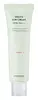
This chemical sunscreen covers the full UV range and blocks ~98% of UVB at SPF 50.
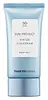
This hybrid sunscreen covers the full UV range and blocks ~98% of UVB at SPF 50.

What's inside
What's inside
 Key Ingredients
Benefits
Concerns
Ingredients Side-by-side
Water
Skin ConditioningAlcohol
Antimicrobial




Diethylamino Hydroxybenzoyl Hexyl Benzoate
UV Filter
Bis-Ethylhexyloxyphenol Methoxyphenyl Triazine
UV Absorber
Butyloctyl Salicylate
Skin Conditioning
Dibutyl Adipate
EmollientEthylhexyl Triazone
UV Absorber
Hexyl Laurate
Emollient
Niacinamide
Smoothing











Polymethylsilsesquioxane

Caprylyl Methicone
Skin Conditioning
Sodium Acrylates Crosspolymer-2
AbsorbentChlorella Minutissima Extract
Skin ConditioningBeta Vulgaris Root Extract
Skin ConditioningIsoamyl P-Methoxycinnamate
UV Absorber
Polysilicone-15
UV Filter
1,2-Hexanediol
Skin Conditioning
Pentylene Glycol
Skin Conditioning
Butylene Glycol
Humectant
Glucose
Humectant
Sodium Polyacryloyldimethyl Taurate
Emulsion StabilisingHydroxyacetophenone
Antioxidant
Polyacrylate Crosspolymer-6
Emulsion StabilisingFructooligosaccharides
Humectant
Fructose
Humectant
Ethylhexyl Olivate
Skin Conditioning
Sodium Acrylates Copolymer
Polyglyceryl-4 Oleate
Emulsifying
Adenosine
Skin Conditioning
Ethylhexylglycerin
Skin ConditioningDisodium EDTA
ChelatingWater, Alcohol, Diethylamino Hydroxybenzoyl Hexyl Benzoate, Bis-Ethylhexyloxyphenol Methoxyphenyl Triazine, Butyloctyl Salicylate, Dibutyl Adipate, Ethylhexyl Triazone, Hexyl Laurate, Niacinamide, Polymethylsilsesquioxane, Caprylyl Methicone, Sodium Acrylates Crosspolymer-2, Chlorella Minutissima Extract, Beta Vulgaris Root Extract, Isoamyl P-Methoxycinnamate, Polysilicone-15, 1,2-Hexanediol, Pentylene Glycol, Butylene Glycol, Glucose, Sodium Polyacryloyldimethyl Taurate, Hydroxyacetophenone, Polyacrylate Crosspolymer-6, Fructooligosaccharides, Fructose, Ethylhexyl Olivate, Sodium Acrylates Copolymer, Polyglyceryl-4 Oleate, Adenosine, Ethylhexylglycerin, Disodium EDTA
Water
Skin ConditioningEthylhexyl Methoxycinnamate
UV Absorber
Homosalate
Skin Conditioning
Ethylhexyl Salicylate
UV Absorber
Diethylamino Hydroxybenzoyl Hexyl Benzoate
UV Filter
Octocrylene
UV Absorber
C12-15 Alkyl Benzoate
AntimicrobialButylene Glycol
Humectant
Cyclomethicone
Emollient
Alcohol
Antimicrobial
Titanium Dioxide
Cosmetic Colorant
Glyceryl Stearate
Emollient
1,2-Hexanediol
Skin Conditioning
Methyl Methacrylate Crosspolymer
Behenyl Alcohol
Emollient
PEG-100 Stearate
Surfactant
Sodium Acrylate/Sodium Acryloyldimethyl Taurate Copolymer
Emulsion StabilisingPhenoxyethanol
Preservative
Isohexadecane
EmollientAluminum Stearate
Cosmetic ColorantPolyhydroxystearic Acid
Emulsifying
Propanediol
Solvent
Octyldodecanol
Emollient
Parfum
Masking

Xanthan Gum
EmulsifyingPolysorbate 80
Emulsifying
Bambusa Vulgaris Water
Skin ConditioningAlumina
Abrasive
Echium Plantagineum Seed Oil
Skin Conditioning
Viscum Album Leaf Extract
SoothingGlycine Soja Lipids
Skin ConditioningCentella Asiatica Extract
Cleansing
Sodium Hyaluronate
Humectant
Portulaca Oleracea Extract
Skin Conditioning
Cardiospermum Halicacabum Flower/Leaf/Vine Extract
Skin ConditioningHelianthus Annuus Seed Oil Unsaponifiables
Emollient
Ethylhexylglycerin
Skin ConditioningPlukenetia Volubilis Seed Oil
Emollient
Tocopherol
Antioxidant
Aloe Barbadensis Leaf Extract
Emollient
Water, Ethylhexyl Methoxycinnamate, Homosalate, Ethylhexyl Salicylate, Diethylamino Hydroxybenzoyl Hexyl Benzoate, Octocrylene, C12-15 Alkyl Benzoate, Butylene Glycol, Cyclomethicone, Alcohol, Titanium Dioxide, Glyceryl Stearate, 1,2-Hexanediol, Methyl Methacrylate Crosspolymer, Behenyl Alcohol, PEG-100 Stearate, Sodium Acrylate/Sodium Acryloyldimethyl Taurate Copolymer, Phenoxyethanol, Isohexadecane, Aluminum Stearate, Polyhydroxystearic Acid, Propanediol, Octyldodecanol, Parfum, Xanthan Gum, Polysorbate 80, Bambusa Vulgaris Water, Alumina, Echium Plantagineum Seed Oil, Viscum Album Leaf Extract, Glycine Soja Lipids, Centella Asiatica Extract, Sodium Hyaluronate, Portulaca Oleracea Extract, Cardiospermum Halicacabum Flower/Leaf/Vine Extract, Helianthus Annuus Seed Oil Unsaponifiables, Ethylhexylglycerin, Plukenetia Volubilis Seed Oil, Tocopherol, Aloe Barbadensis Leaf Extract
Reviews
Ingredients Explained
These ingredients are found in both products.
Ingredients higher up in an ingredient list are typically present in a larger amount.
1,2-Hexanediol is a synthetic liquid and another multi-functional powerhouse.
It is a:
- Humectant, drawing moisture into the skin
- Emollient, helping to soften skin
- Solvent, dispersing and stabilizing formulas
- Preservative booster, enhancing the antimicrobial activity of other preservatives
This ingredient is also called ethanol or ethyl alcohol. It is denatured, meaning made undrinkable for cosmetic use.
In formulas, it:
Is it bad for your skin?
The answer comes down to concentration. Patch and wash studies have found highly concentrated alcohol-based hand rubs (60-100%) cause less barrier disruption than washing with a basic detergent like SLS. The only measurable effect in these studies was a temporary dip in skin hydration.
Concentrations below 12-15% in leave-on cosmetics is generally well-tolerated. Concentrations above start to see increased transepidermal water loss (TEWL) and reduced hydration.
In concentrations about 58%, it creates temporary channels in your skin's lipid layers to become more permeable and allow other ingredients to slip through easily.
This ingredient can be up to 80% of the formula in alcohol-based perfumes.
Overall, this ingredient is probably harmless if found lower down an ingredients list but worth side-eyeing if it's high up (especially if your barrier is already struggling).
Alcohol can worsen dry skin, eczema, and oily skin, especially at higher concentrations. This is because it can increase transepidermal water loss and decrease hydration to disrupt the skin barrier.
According to the National Rosacea Society based in the US, you should be mindful of products with these alcohols in the top half of ingredients.
True allergic contact dermatitis to ethanol is uncommon, but be sure to patch test if you have dry or sensitive skin.
Learn more about AlcoholButylene Glycol (or BG) is used within cosmetic products for a few different reasons:
Overall, Butylene Glycol is a safe and well-rounded ingredient that works well with other ingredients.
Though this ingredient works well with most skin types, some people with sensitive skin may experience a reaction such as allergic rashes, closed comedones, or itchiness.
Learn more about Butylene GlycolDiethylamino Hydroxybenzoyl Hexyl Benzoate (DHHB) is a chemical UV-A absorber. It is formulated for high UVA protection (320-400 nm).
DHHB is well-liked for:
DHHB has been approved by the EU, Japan, Taiwan, and South America for use up to 10%. Unfortunately, it has not been approved for use in the US or Canada due to slow regulatory processes.
This ingredient is soluble in oils, fats, and lipids.
Learn more about Diethylamino Hydroxybenzoyl Hexyl BenzoateEthylhexylglycerin is created from glycerin. It is a multitasker ingredient that:
The CIR Expert Panel found minimal skin absorption or sensitization of any kind in a safety assessment. Though this ingredient is considered well-tolerated, a small number of cases of allergic dermatitis have been published since 2002. Just be sure to patch test if you are unsure.
Industry-reported use ranges from 8% in rinse-off products and 2% in leave-on formulations.
Learn more about EthylhexylglycerinWater. It's the most common cosmetic ingredient of all. You'll usually see it at the top of ingredient lists, meaning that it makes up the largest part of the product.
So why is it so popular? Water most often acts as a solvent - this means that it helps dissolve other ingredients into the formulation.
You'll also recognize water as that liquid we all need to stay alive. If you see this, drink a glass of water. Remember to stay hydrated!
Learn more about Water


