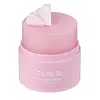
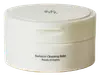
This oil-based makeup remover is made to dissolve makeup, sunscreen, and daily buildup.
This oil-based makeup remover is made to dissolve makeup, sunscreen, and daily buildup.

What's inside
What's inside
 Key Ingredients
Benefits
Concerns
Ingredients Side-by-side
Cetyl Ethylhexanoate
EmollientCaprylic/Capric Triglyceride
Masking


PEG-20 Glyceryl Triisostearate
Emollient

Synthetic Wax
Abrasive

PEG-10 Isostearate
Emulsifying
Camellia Japonica Seed Oil
Emollient
Vitis Vinifera Seed Oil
Emollient
Camellia Sinensis Seed Oil
Humectant
Moringa Oleifera Seed Oil
Emollient

Paeonia Suffruticosa Root Extract
Skin ProtectingChrysanthemum Zawadskii Extract
Skin ConditioningPaeonia Suffruticosa Branch/Flower/Leaf Extract
Skin ConditioningSaussurea Involucrata Extract
HumectantNymphaea Alba Flower Extract
Skin ConditioningCordyceps Sinensis Extract
Antioxidant
Panax Ginseng Root Extract
Emollient
Centella Asiatica Extract
Cleansing

Swiftlet Nest Extract
Skin ConditioningAngelica Gigas Extract
Skin ConditioningPaeonia Albiflora Flower Extract
TonicRehmannia Chinensis Root Extract
Skin ConditioningMorus Alba Bark Extract
Skin ConditioningMorus Alba Root Extract
BleachingEthylhexylglycerin
Skin Conditioning1,2-Hexanediol
Skin Conditioning
Caprylyl Glycol
Emollient
Glycine
Buffering
Serine
Masking
Glutamic Acid
Humectant
Aspartic Acid
Masking
Leucine
Skin ConditioningAlanine
Masking
Lysine
Skin ConditioningArginine
Masking
Tyrosine
MaskingPhenylalanine
Masking
Threonine
Proline
Skin Conditioning
Valine
MaskingIsoleucine
Skin ConditioningHistidine
Humectant
Methionine
Skin ConditioningCysteine
Antioxidant
Fragaria Ananassa Fruit Extract
Skin Conditioning
Coix Lacryma-Jobi Ma-Yuen Seed Extract
Skin ConditioningOryza Sativa Extract
Absorbent
Avena Sativa Meal Extract
SoothingGlycyrrhiza Glabra Root Extract
Bleaching
Carica Papaya Fruit Extract
Skin ConditioningPunica Granatum Fruit Extract
Antioxidant
Allantoin
Skin Conditioning
Panthenol
Skin Conditioning
Sorbitan Sesquioleate
Emulsifying
Glycerin
Humectant
Eclipta Prostrata Extract
Skin Conditioning
Melia Azadirachta Leaf Extract
Skin ConditioningButylene Glycol
Humectant
Water
Skin ConditioningPantolactone
Humectant
Cetyl Ethylhexanoate, Caprylic/Capric Triglyceride, PEG-20 Glyceryl Triisostearate, Synthetic Wax, PEG-10 Isostearate, Camellia Japonica Seed Oil, Vitis Vinifera Seed Oil, Camellia Sinensis Seed Oil, Moringa Oleifera Seed Oil, Paeonia Suffruticosa Root Extract, Chrysanthemum Zawadskii Extract, Paeonia Suffruticosa Branch/Flower/Leaf Extract, Saussurea Involucrata Extract, Nymphaea Alba Flower Extract, Cordyceps Sinensis Extract, Panax Ginseng Root Extract, Centella Asiatica Extract, Swiftlet Nest Extract, Angelica Gigas Extract, Paeonia Albiflora Flower Extract, Rehmannia Chinensis Root Extract, Morus Alba Bark Extract, Morus Alba Root Extract, Ethylhexylglycerin, 1,2-Hexanediol, Caprylyl Glycol, Glycine, Serine, Glutamic Acid, Aspartic Acid, Leucine, Alanine, Lysine, Arginine, Tyrosine, Phenylalanine, Threonine, Proline, Valine, Isoleucine, Histidine, Methionine, Cysteine, Fragaria Ananassa Fruit Extract, Coix Lacryma-Jobi Ma-Yuen Seed Extract, Oryza Sativa Extract, Avena Sativa Meal Extract, Glycyrrhiza Glabra Root Extract, Carica Papaya Fruit Extract, Punica Granatum Fruit Extract, Allantoin, Panthenol, Sorbitan Sesquioleate, Glycerin, Eclipta Prostrata Extract, Melia Azadirachta Leaf Extract, Butylene Glycol, Water, Pantolactone
Cetyl Ethylhexanoate
EmollientCaprylic/Capric Triglyceride
Masking
PEG-20 Glyceryl Triisostearate
Emollient
Synthetic Wax
Abrasive
PEG-10 Isostearate
Emulsifying
Sorbitan Sesquioleate
Emulsifying
Hippophae Rhamnoides Oil
Emollient
Oryza Sativa Bran Oil
Emollient
Water
Skin ConditioningOryza Sativa Seed Water
Antimicrobial
Glycerin
Humectant
Propanediol
Solvent
1,2-Hexanediol
Skin Conditioning
Lactobacillus/Soybean Ferment Extract
Skin ConditioningButylene Glycol
Humectant
Coix Lacryma-Jobi Ma-Yuen Seed Extract
Skin ConditioningOryza Sativa Extract
Absorbent
Avena Sativa Meal Extract
SoothingEthylhexylglycerin
Skin ConditioningCaprylyl Glycol
Emollient
Cetyl Ethylhexanoate, Caprylic/Capric Triglyceride, PEG-20 Glyceryl Triisostearate, Synthetic Wax, PEG-10 Isostearate, Sorbitan Sesquioleate, Hippophae Rhamnoides Oil, Oryza Sativa Bran Oil, Water, Oryza Sativa Seed Water, Glycerin, Propanediol, 1,2-Hexanediol, Lactobacillus/Soybean Ferment Extract, Butylene Glycol, Coix Lacryma-Jobi Ma-Yuen Seed Extract, Oryza Sativa Extract, Avena Sativa Meal Extract, Ethylhexylglycerin, Caprylyl Glycol
Reviews
Ingredients Explained
These ingredients are found in both products.
Ingredients higher up in an ingredient list are typically present in a larger amount.
1,2-Hexanediol is a synthetic liquid and another multi-functional powerhouse.
It is a:
- Humectant, drawing moisture into the skin
- Emollient, helping to soften skin
- Solvent, dispersing and stabilizing formulas
- Preservative booster, enhancing the antimicrobial activity of other preservatives
Avena Sativa Meal Extract is comes from the ground kernels of Avena sativa, or oats.
Oatmeal has skin soothing and hydrating properties.
Butylene Glycol (or BG) is used within cosmetic products for a few different reasons:
Overall, Butylene Glycol is a safe and well-rounded ingredient that works well with other ingredients.
Though this ingredient works well with most skin types, some people with sensitive skin may experience a reaction such as allergic rashes, closed comedones, or itchiness.
Learn more about Butylene GlycolCaprylic/Capric Triglyceride (aka MCT Oil) is a lightweight emollient, solvent, and texture enhancer. It is considered a skin-softener by helping to prevent moisture loss.
Though it behaves like an oil, it is not technically one due to its chemical composition. One perk of this ingredient is that it is very stable, resistant to oxidation, and unlikely to go rancid.
In practice, that translates to a long shelf life and a consistently elegant skin feel.
While there is an assumption Caprylic Triglyceride can clog pores due to it being derived from coconut oil, there is no research supporting this. Just patch test if you have concerns.
Fractionated coconut oil and MCT Oil are both listed as Caprylic/Capric Triglyceride according to INCI. This is because INCI names are based on the ingredient’s final chemical composition and not its marketing name or source.
This ingredient is treated as the gold standard fungal acne safe oil. Even though it is coconut derived, the problematic lauric acid is stripped out.
This leaves just caprylic (C8) and capric (C10) acid. These chain lengths actually trend antifungal; a 2020 study found caprylic acid was enough to disrupt Malassezia furfur cell membrane, with a caprylic acid derivative damaging membrane structures at concentrations as low as 0.2%.
Learn more about Caprylic/Capric TriglycerideCaprylyl Glycol is a humectant, skin conditioner, emollient, and preservative booster derived from either caprylic acid or synthetically created.
Typical use levels vary from 0.3-1% as a preservative booster and go up to 2% to condition skin.
Because it is not a free-fatty acid, this ingredient is fungal acne safe (there's nothing for Malassezia to feed on).
Learn more about Caprylyl GlycolCetyl Ethylhexanoate is an emollient ester. It comes from cetearyl alcohol and 2-ethylhexanoic acid.
Cetyl Ethylhexanoate is an emollient that adds a velvety feel to skin without being greasy or oily. Emollients help trap moisture into your skin, keeping your skin soft and hydrated.
You might know this plant as Job's Tears or Chinese pearl barley. It is a grain native to Southeast Asia.
This ingredient has skin conditioning properties. Emerging studies show the grain to exhibit antioxidant and anti-inflammation properties as well. (With one study finding this ingredient to be effective at blocking melanin when skin is exposed to UV).
Job's tears is rich in nutrients, such as thiamine, riboflavin, niacin and ascorbic acid.
You can also find great antioxidants such as ferulic acid, caffeic acid.
To top if off, ceramides are also present in this grain.
Learn more about Coix Lacryma-Jobi Ma-Yuen Seed ExtractEthylhexylglycerin is created from glycerin. It is a multitasker ingredient that:
The CIR Expert Panel found minimal skin absorption or sensitization of any kind in a safety assessment. Though this ingredient is considered well-tolerated, a small number of cases of allergic dermatitis have been published since 2002. Just be sure to patch test if you are unsure.
Industry-reported use ranges from 8% in rinse-off products and 2% in leave-on formulations.
Learn more about EthylhexylglycerinGlycerin (or glycerol) is a compound naturally found in your skin. It's a powerhouse humectant that pulls water into the stratum corneum.
Topically, glycerin does several things at once:
Your skin makes glycerin on its own (mostly from sebaceous oil breakdown) and shuttles it to your outermost layer of skin, or your epidermis, via aquaporin-3.
Aquaporin-3 is a transporter that is essential for normal skin hydration, elasticity, and repair. Interestingly, mice lacking in AQP3 have dry and less elastic skin that can be fully corrected with glycerin.
This ingredient is non-irritating, plays well with almost every ingredient, and works across all skin types. Typical use is anywhere between 3-10% but can go up to 79% in some leave-on products.
Just know very high concentrations (>40%) can feel tacky in low humidity.
Glycerin is the name for this ingredient in American English. British English uses Glycerol/Glycerine.
Learn more about GlycerinOryza Sativa Extract comes from the rice grain, Oryza sativa. Rice extract has wound healing, antioxidant, anti-inflammatory, and hydrating properties.
Rice grains contain numerous antioxidants which may help with anti-aging, such as vitamin E. Antioxidants help stabilize free-radical molecules. Unstable free-radical molecules may damage your skin cells and accelerate signs of aging.
A study from 2002 found rice to help increase the rate of wound healing. The same study found an improvement of skin barrier function in the patients after taking rice baths.
Numerous in-vitro studies have found rice water to help decrease sun damage by increasing collagen production and inhibiting the process of tyrosinase.
Long story short- tyrosinase is an enzyme that controls melanin production. Our bodies start producing melanin (AKA tanning) when exposed to UV radiation to protect against damage. Rice water is found to partially block this process.
Though more research is needed on rice's ability to help with UV protection, recent studies seem promising.
Wondering why rice is hydrating? The protein in rice have emollient properties. Emollients create a barrier on the skin to trap moisture in, keeping your skin moisturized.
Some rice extract may have mildly-exfoliating properties. These are mainly limited to Oryza Sativa (Rice) Bran and Oryza Sativa (Rice) Germ Powder.
This rice was first cultivated in China over 10,000 years ago. Many cultures throughout Asia have used rice water on skin and hair for centuries.
Learn more about Oryza Sativa ExtractPEG-10 Isostearate isn't fungal acne safe.
PEG-20 Glyceryl Triisostearate is a synthetic, oil-loving helper ingredient that does two jobs:
This ingredient is made by joining three building blocks: PEG, Isostearic Acid and glycerin. The PEG gives it the oil-and-water blending power.
This ingredient has been found safe for use in cosmetics and broader PEG family testing shows minimal irritation/sensitization. The molecule's large size also means it isn't expected to penetrate skin to any meaningful degree.
Fungal acne note: This ingredient may not be fungal acne safe due to isostearic acid (C18). Isostearic acid falls into the C11-24 range that Malassezia can feed on.
Learn more about PEG-20 Glyceryl TriisostearateSorbitan Sesquioleate is derived from sorbitol and oleic acid. It is an emulsifier and prevents ingredients from separating.
Specifically, this ingredient is a water-in-oil emulsifier, meaning it helps water dissolve into oil.
Some studies suggest this ingredient may cause irritation in some people. If you are unsure, it is best to patch test.
This ingredient may not be Malassezia folliculitis, or fungal-acne safe due to the oleic acid. In vitro studies have shown that Oleic Acid is one of the fatty acids that induce rapid Malassezia growth in lab settings.
This ingredient does have a comedogenic rating of 0-1. The original test stated 0-1 meant an ingredient is unlikely to cause comedones.
Just remember human testing has proved that any finished product with a comedogenic ingredient won't automatically make you break out; it really comes down to concentration, formula, and your skin.
Learn more about Sorbitan SesquioleateSynthetic Wax is a manufactured hydrocarbon wax. In formulas, it works as an occlusive emollient that helps reduce water loss and improves the spreadability of products.
Research comparing synthetic wax to traditional mineral-derived products found that formulas containing it perform as well for skin hydration.
It is considered non-comedogenic and vegan-friendly.
This ingredient has a well-established safety record by the CIR Expert Panel for Cosmetic Ingredient Safety.
Synthetic Waxes are straight/branched-chain hydrocarbons with no ester bond or fatty acids. That means there is nothing for the Malassezia yeast to feed on.
Learn more about Synthetic WaxWater. It's the most common cosmetic ingredient of all. You'll usually see it at the top of ingredient lists, meaning that it makes up the largest part of the product.
So why is it so popular? Water most often acts as a solvent - this means that it helps dissolve other ingredients into the formulation.
You'll also recognize water as that liquid we all need to stay alive. If you see this, drink a glass of water. Remember to stay hydrated!
Learn more about Water

