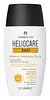
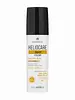
HELIOCARE Mineral Tolerance Fluid SPF50 Versus HELIOCARE 360° Color Gel Oil-Free Sunscreen SPF 50+ PA++++
This hybrid sunscreen covers the full UV range and blocks ~98% of UVB at SPF 50.
This hybrid sunscreen covers the full UV range and blocks ~98% of UVB at SPF 50.

What's inside
What's inside
 Key Ingredients
Benefits
Concerns
Ingredients Side-by-side
Water
Skin ConditioningDimethicone
Emollient

Isododecane
EmollientC12-15 Alkyl Benzoate
AntimicrobialHydrogenated Polydecene
EmollientTitanium Dioxide
Cosmetic Colorant

Zinc Oxide
Cosmetic Colorant
Butyloctyl Salicylate
Skin Conditioning
Alumina
Abrasive
Styrene/Acrylates Copolymer
Phenethyl Benzoate
Emollient

PEG-9 Polydimethylsiloxyethyl Dimethicone
Emulsifying
Nylon-12
Polypodium Leucotomos Leaf Extract
Skin Protecting
Ferulic Acid
Antimicrobial


Caffeic Acid
Antioxidant
Physalis Angulata Extract
Skin ProtectingCaprylyl Glycol
Emollient
Melanin
Skin ProtectingCamellia Sinensis Extract
Antioxidant

Plankton Extract
Skin Conditioning3-O-Ethyl Ascorbic Acid
Skin Conditioning

Isohexadecane
EmollientHydrogen Dimethicone
Phenylpropanol
Masking
Polyhydroxystearic Acid
Emulsifying

Magnesium Sulfate
Tocopheryl Acetate
Antioxidant
Dimethicone/PEG-10/15 Crosspolymer
Propanediol
Solvent

Triethoxycaprylylsilane
Propylene Carbonate
SolventCaprylic/Capric Triglyceride
Masking
Panthenyl Triacetate
Butylene Glycol
Humectant
Propylene Glycol
Humectant
Arginine
Masking
Ethyl Linoleate
Emollient
Oleyl Alcohol
Emollient

Pentylene Glycol
Skin Conditioning
Oxothiazolidine
Skin ProtectingDipropylene Glycol
HumectantSodium Citrate
BufferingPalmitoyl Hydroxypropyltrimonium Amylopectin/Glycerin Crosspolymer
Skin Conditioning1,2-Hexanediol
Skin Conditioning
Lecithin
Emollient
Sodium Benzoate
Masking
Tocopherol
Antioxidant
Hydrogenated Lecithin
Emulsifying
Phenoxyethanol
Preservative
CI 77492
Cosmetic ColorantCI 77491
Cosmetic ColorantCI 77499
Cosmetic ColorantWater, Dimethicone, Isododecane, C12-15 Alkyl Benzoate, Hydrogenated Polydecene, Titanium Dioxide, Zinc Oxide, Butyloctyl Salicylate, Alumina, Styrene/Acrylates Copolymer, Phenethyl Benzoate, PEG-9 Polydimethylsiloxyethyl Dimethicone, Nylon-12, Polypodium Leucotomos Leaf Extract, Ferulic Acid, Caffeic Acid, Physalis Angulata Extract, Caprylyl Glycol, Melanin, Camellia Sinensis Extract, Plankton Extract, 3-O-Ethyl Ascorbic Acid, Isohexadecane, Hydrogen Dimethicone, Phenylpropanol, Polyhydroxystearic Acid, Magnesium Sulfate, Tocopheryl Acetate, Dimethicone/PEG-10/15 Crosspolymer, Propanediol, Triethoxycaprylylsilane, Propylene Carbonate, Caprylic/Capric Triglyceride, Panthenyl Triacetate, Butylene Glycol, Propylene Glycol, Arginine, Ethyl Linoleate, Oleyl Alcohol, Pentylene Glycol, Oxothiazolidine, Dipropylene Glycol, Sodium Citrate, Palmitoyl Hydroxypropyltrimonium Amylopectin/Glycerin Crosspolymer, 1,2-Hexanediol, Lecithin, Sodium Benzoate, Tocopherol, Hydrogenated Lecithin, Phenoxyethanol, CI 77492, CI 77491, CI 77499
Water
Skin ConditioningPPG-15 Stearyl Ether Benzoate
EmollientTitanium Dioxide
Cosmetic Colorant
Troxerutin
Skin Conditioning
C12-15 Alkyl Benzoate
AntimicrobialGlycerin
Humectant
Disodium Phenyl Dibenzimidazole Tetrasulfonate
UV Absorber
Silica
Abrasive
Dicaprylyl Carbonate
EmollientPropanediol
Solvent
C13-15 Alkane
SolventStearalkonium Hectorite
Gel FormingC14-22 Alcohols
Emulsion Stabilising
Propylene Carbonate
SolventBis-Ethylhexyloxyphenol Methoxyphenyl Triazine
UV Absorber
Tocopheryl Acetate
Antioxidant
Arginine
Masking
Disodium EDTA
ChelatingHexylene Glycol
EmulsifyingEthyl Lauroyl Arginate Hcl
Skin ConditioningDiethylamino Hydroxybenzoyl Hexyl Benzoate
UV Filter
Phytosphingosine Hcl
Skin ConditioningDipropylene Glycol Dibenzoate
EmollientCaprylic/Capric Triglyceride
Masking
Butylene Glycol Cocoate
Emulsifying
Panthenyl Triacetate
Phenylbenzimidazole Sulfonic Acid
UV Absorber
Butylene Glycol
Humectant
Trilaureth-4 Phosphate
EmulsifyingEthyl Linoleate
Emollient
Ceteareth-25
CleansingOleyl Alcohol
Emollient
C12-20 Alkyl Glucoside
EmulsifyingLecithin
Emollient
Polypodium Leucotomos Leaf Extract
Skin Protecting
Sodium Benzoate
Masking
Ethylhexyl Ferulate
Antioxidant
Tocopherol
Antioxidant
Ferulic Acid
Antimicrobial
CI 77492
Cosmetic ColorantCaffeic Acid
Antioxidant
CI 77491
Cosmetic ColorantPhysalis Angulata Extract
Skin ProtectingCI 77499
Cosmetic ColorantEthylhexyl Triazone
UV Absorber
Parfum
Masking
Caprylyl Glycol
Emollient
Linalool
Perfuming
Melanin
Skin ProtectingLimonene
Perfuming
Camellia Sinensis Extract
Antioxidant
Arabidopsis Thaliana Extract
Antioxidant
3-O-Ethyl Ascorbic Acid
Skin Conditioning
Oxothiazolidine
Skin ProtectingPhenylpropanol
Masking
Disodium Ethylene Dicocamide PEG-15 Disulfate
Cleansing
Diethylhexyl Butamido Triazone
UV Absorber
Hydrolyzed Wheat Protein/Pvp Crosspolymer
Water, PPG-15 Stearyl Ether Benzoate, Titanium Dioxide, Troxerutin, C12-15 Alkyl Benzoate, Glycerin, Disodium Phenyl Dibenzimidazole Tetrasulfonate, Silica, Dicaprylyl Carbonate, Propanediol, C13-15 Alkane, Stearalkonium Hectorite, C14-22 Alcohols, Propylene Carbonate, Bis-Ethylhexyloxyphenol Methoxyphenyl Triazine, Tocopheryl Acetate, Arginine, Disodium EDTA, Hexylene Glycol, Ethyl Lauroyl Arginate Hcl, Diethylamino Hydroxybenzoyl Hexyl Benzoate, Phytosphingosine Hcl, Dipropylene Glycol Dibenzoate, Caprylic/Capric Triglyceride, Butylene Glycol Cocoate, Panthenyl Triacetate, Phenylbenzimidazole Sulfonic Acid, Butylene Glycol, Trilaureth-4 Phosphate, Ethyl Linoleate, Ceteareth-25, Oleyl Alcohol, C12-20 Alkyl Glucoside, Lecithin, Polypodium Leucotomos Leaf Extract, Sodium Benzoate, Ethylhexyl Ferulate, Tocopherol, Ferulic Acid, CI 77492, Caffeic Acid, CI 77491, Physalis Angulata Extract, CI 77499, Ethylhexyl Triazone, Parfum, Caprylyl Glycol, Linalool, Melanin, Limonene, Camellia Sinensis Extract, Arabidopsis Thaliana Extract, 3-O-Ethyl Ascorbic Acid, Oxothiazolidine, Phenylpropanol, Disodium Ethylene Dicocamide PEG-15 Disulfate, Diethylhexyl Butamido Triazone, Hydrolyzed Wheat Protein/Pvp Crosspolymer
Reviews
Ingredients Explained
These ingredients are found in both products.
Ingredients higher up in an ingredient list are typically present in a larger amount.
3-O-Ethyl Ascorbic Acid is one of the most popular "stable" vitamin C derivatives in skincare.
Plain ascorbic acid is fantastic but notoriously fragile; it browns, oxidizes, and loses potency fast. So attaching an ethyl group to the third carbon of the molecule gives it some cool perks:
In a formula, it does the 3 classic vitamin C jobs: it acts as an antioxidant, helps brighten skin tone by inhibiting tyrosinase, and supports collagen.
The evidence is reasonably solid for a cosmetic ingredient; Liao and colleagues (2018) showed it's significantly more stable than ascorbic acid while still being effective.
A 2021 study by Zerbinati and colleagues tested a serum with 30% 3-O-ethyl-l-ascorbic acid and 1% lactic acid significantly increased collagen production, reduced UVB-induced DNA damage, and decreased melanin on a reconstructed pigmented skin model.
Typical real world usage sits around 0.5-5% (and 1-2% is common for daily serums).
Amounts up to 30% have been shown to be non-irritating on human skin samples, but two isolated cases reported allergic contact dermatitis so a patch test is sensible if you have reactive skin.
Learn more about 3-O-Ethyl Ascorbic AcidArginine is a semi-essential amino acid. This just means our bodies can product a bit on its own, but sometimes needs a little boost from food sources.
It is a part of your skin's natural moisturizing factor (NMF), or the water-loving molecules in your outermost layer of skin (stratum corneum) that keeps everything hydrated and happy.
Here's an interesting thing about Arginine: your skin converts it into urea through the Krebs-Henseleit urea cycle. Urea is one of the most effective humectants your skin naturally produces.
A clinical study showed applying 2.5% arginine hydrochloride to atopic dermatitis skin showed significant urea levels in the stratum corneum and improved moisture in just four weeks.
Arginine is also a precursor to nitric oxide; nitric oxide improves microcirculation and supports wound healing and collagen synthesis.
One study found that an amino acid complex containing Arginine reduced skin irritation, improved hydration, and accelerated skin repair in clinical / in-vivo studies.
Arginine itself is an amino acid and not a fatty acid, oil, or ester. On its own, it's not a direct food source for Malassezia, or the yeast that causes fungal acne.
Learn more about ArginineButylene Glycol (or BG) is used within cosmetic products for a few different reasons:
Overall, Butylene Glycol is a safe and well-rounded ingredient that works well with other ingredients.
Though this ingredient works well with most skin types, some people with sensitive skin may experience a reaction such as allergic rashes, closed comedones, or itchiness.
Learn more about Butylene GlycolC12-15 Alkyl Benzoate is a lightweight emollient made by combinig benzoic acid with fatty alcohols that are 12-15 carbons long.
In cosmetics, it plays several roles:
The Cosmetic Review Expert Panel has concluded the alkyl benzoate group to be safe as used in cosmetics; it wasn't found to be a skin irritant and unlikely to be absorbed due to its low water solubility.
This report recorded almost 1000 reported uses with concentrations up to 59% in leave-on products but your cosmetics will typically use 0.5-15% depending on the product.
It's often called a "SPF booster": this is because it keeps UV filters properly dissolved and evenly distributed to support a sunscreen's performance. It doesn't actually raise SPF on its own.
Overall, this ingredient is well tolerated.
This ingredient is fungal acne safe because it is an ester of benzoic acid.
Think of this ingredient as two parts stuck together: an oily part and an acid part. Malassezia only gets a meal when it can snip off a fatty acid to eat. With C12-15 Alkyl Benzoate, the acid part is benzoic acid, which isn't a fatty acid and which the yeast can't use as food.
Benzoic acid is actually used as a preservative to stop yeast from growing.
The oily part is a blend of C12-15 fatty alcohols but fatty alcohols in this size range can support only a little Malassezia growth (mostly for one species of Malassezia as well).
In the ingredient, those alcohols stay locked inside the molecule. The yeast can only reach them by snipping the benzoate bond, and that type of bond is harder for it to cut than a normal fatty bond.
So not much gets released. And whatever does get snipped comes packaged with benzoic acid, which discourages yeast growth.
Learn more about C12-15 Alkyl BenzoateCaffeic Acid is a naturally occurring plant-based compound. Despite its name, it is not related to caffeine (but it does show up in coffee beans). It is an antioxidant that can help soothe skin.
Studies suggest it can even support collagen production while lab research on melanoma cells has shown that caffeic acid can inhibit melanin synthesis to brighten the skin and even out skin tone.
Those with a propolis, beeswax, or balsam of Peru allergy should patch test products with this ingredient. This is because caffeic acid has been identified as the primary sensitizers in those ingredients. Roughly 1-6% of dermatitis patients tested have reacted to propolis.
Fun fact: Caffeic acid can be found in a ton of every foods like coffee, grapes, apples, blueberries, olive oil, and herbs like thyme.
Learn more about Caffeic AcidCamellia Sinensis Extract is from the oil in tea plant leaves. The leaves give us various types of tea: green, black, oolong, and white.
Camellia Sinensis leaves have many benefits. It contains polyphenols, a strong antioxidant. Antioxidants help fight off free-radical molecules that damage skin cells. The antioxidants in green tea neutralize free-radicals from the sun. This gives the skin some extra UV protection, but should not replace sunscreen.
Many components of tea have anti-inflammatory and antimicrobial properties. Polyphenols and L-theanine help soothe the skin and reduce irritation. L-theanine is an amino acid that makes up most of the amino acids found in tea leaves. The caffeine in Camellia Sinensis Leaf Extract helps calm inflamed blood vessels.
Tea leaves also contain Vitamin Bs, linoleic acid, magnesium, calcium, iron, and zinc.
Research has shown both drinking Camellia Sinensis Leaf Tea and applying it to the skin can help boost skin elasticity and hydration. Studies also show using tea extract may reduce sebum, or oil, production.
Learn more about Camellia Sinensis ExtractCaprylic/Capric Triglyceride (aka MCT Oil) is a lightweight emollient, solvent, and texture enhancer. It is considered a skin-softener by helping to prevent moisture loss.
Though it behaves like an oil, it is not technically one due to its chemical composition. One perk of this ingredient is that it is very stable, resistant to oxidation, and unlikely to go rancid.
In practice, that translates to a long shelf life and a consistently elegant skin feel.
While there is an assumption Caprylic Triglyceride can clog pores due to it being derived from coconut oil, there is no research supporting this. Just patch test if you have concerns.
Fractionated coconut oil and MCT Oil are both listed as Caprylic/Capric Triglyceride according to INCI. This is because INCI names are based on the ingredient’s final chemical composition and not its marketing name or source.
This ingredient is treated as the gold standard fungal acne safe oil. Even though it is coconut derived, the problematic lauric acid is stripped out.
This leaves just caprylic (C8) and capric (C10) acid. These chain lengths actually trend antifungal; a 2020 study found caprylic acid was enough to disrupt Malassezia furfur cell membrane, with a caprylic acid derivative damaging membrane structures at concentrations as low as 0.2%.
Learn more about Caprylic/Capric TriglycerideCaprylyl Glycol is a humectant, skin conditioner, emollient, and preservative booster derived from either caprylic acid or synthetically created.
Typical use levels vary from 0.3-1% as a preservative booster and go up to 2% to condition skin.
Because it is not a free-fatty acid, this ingredient is fungal acne safe (there's nothing for Malassezia to feed on).
Learn more about Caprylyl GlycolCi 77491 is also hydrated iron III oxide. It's sole purpose is to give a red/pink hue to products.
Iron III oxides are classified as inorganic chemicals for coloring.
Synthetically created Ci 77491 is considered safer than those naturally found. This is because the synthetically created version may contain less impurities. Iron oxides are generally non-toxic and non-allergenic.
Learn more about CI 77491CI 77492 is also hydrated iron III oxide. It's sole purpose is to give a yellow hue to products.
Iron III oxides are classified as inorganic chemicals for coloring.
Synthetically created CI 77492 is considered safer than those naturally found. This is because the synthetically created version may contain less impurities. Iron oxides are generally non-toxic and non-allergenic.
Learn more about CI 77492Ci 77499 is also hydrated iron III oxide. It is created from mixing red and black iron oxides. This helps give shades of darkness to a product.
Iron III oxides are classified as inorganic chemicals for coloring.
Ethyl Linoleate is a fragrance and isn't fungal acne safe.
Ferulic Acid is a plant based antioxidant that can be naturally found in the cell walls of grains like rice, oats, and corn. It has antioxidant and antimicrobial properties, and has the ability to boost the performance of other antioxidants as well.
A well-known study found that adding Ferulic Acid to a solution of Vitamins C and E doubled the photoprotection of skin. This is why you'll often see it paired with Vitamin C or Vitamin E serums rather than sold on its own.
A 2025 review of 18 human studies found that using Ferulic Acid (0.5-1%) daily for one to three months showed improvements in:
As far as allergies go, Ferulic acid is generally well-tolerated but can cause an allergic reaction in very rare cases. It's also worth noting that Ferulic acid is often extracted from plant sources like rice bran or wheat bran, so be sure to path test if you have known grain allergies.
Outside of skincare, researchers are also looking into Ferulic Acid for its potential benefits in areas like diabetes, Alzheimer's, and heart health.
Learn more about Ferulic AcidLecithin is a term for a group of substances found in the cell membranes of plants, animals, and humans. They are made up of phospholipids.
Thanks to its amphiphilic structure (water-loving head and oil-loving tail), it is a true multitasker:
It plays well with most ingredients and is typically used at 0.1-1%. However, concentrations up to 50% have been reported in moisturizers.
Learn more about LecithinWe don't have a description for Melanin yet.
Oleyl Alcohol is a fatty alcohol. Despite the name, it has nothing to do with the drying kind of alcohol like in hand sanitizers.
Fatty alcohols are a soft, oily liquid and this one is made from oleic acid (the same fat that makes up most of olive oil).
Its job in a formula is boring, but useful:
Typical concentrations range from 0.1-50% and it's usually low single digits in leave-on skincare.
One thing that sets it apart from other fatty alcohols is that it's used deliberately as a penetration enhancer in topical drug delivery. This is because it "loosens" the packing of your skin's surface lipids a bit so other ingredients can get through more easily.
A study on human skin found both Oleic Acid and Oleyl Alcohol at 0.75% increased how much topical anti-inflammatory drug got through with the effect leveling off after about 12 hours.
Allergic reactions are uncommon but documented; there's a published case of a patient with atopic dermatitis who developed severe allergic contact dermatitis from a prescription cream. A patch testing traced it specifically to the Oleyl Alcohol in the formula rather than the active drug.
The Cosmetic Ingredient Review Expert Panel concluded Oleyl Alcohol is safe as used in cosmetics. Acute toxicity testing showed very low toxicity, animal tests showed minimal to mild skin irritation, human patch testing found low irritation and sensitization potential, and no phototoxicity or photosensitization has been reported.
It's reasonable to patch test if you have eczema, a known fatty alcohol allergy, or you've reacted to Stearyl or Cetyl Alcohol before.
Oleyl Alcohol scored a 4 out of 5 for comedogenicity in the 1989 rabbit ear study. Just know the rabbit ear test has real limits:
It's worth watching if you're acne-prone and how you will react to it really comes down to concentration, formula, and your skin.
The culprit behind fungal acne, the Malassezia yeast, feeds on fatty acids with carbon chain lengths between C11-C24. Oleic Acid, at C18, falls right into that sweet spot.
In vitro studies have shown that Oleic Acid is one of the fatty acids that induce rapid Malassezia growth in lab settings. Since this ingredient is created from Oleic Acid, it may not be fungal acne safe.
Learn more about Oleyl AlcoholWe don't have a description for Oxothiazolidine yet.
We don't have a description for Panthenyl Triacetate yet.
Phenylpropanol is a fragrance.
We don't have a description for Physalis Angulata Extract yet.
Polypodium Leucotomos Leaf Extract can help to reduce redness.
Propanediol is an all-star ingredient. It softens, hydrates, and smooths the skin.
It’s often used to:
Propanediol is not likely to cause sensitivity and considered safe to use. It is derived from corn or petroleum with a clear color and no scent.
Learn more about PropanediolThis ingredient is a solvent. It helps dissolve active ingredients and alter the texture of products.
Propylene Carbonate is commonly used in makeup and with clay, such as montmorillonite or bentonite.
Studies show this ingredient to be safe for cosmetics. When it is undiluted, it can cause skin irritation. (It is always diluted in skincare and makeup). This ingredient is water-soluble.
Propylene Carbonate is created from propylene glycol and carbonic acid.
Learn more about Propylene CarbonateSodium Benzoate is a preservative. It's used in both cosmetic and food products to inhibit the growth of mold and bacteria. It is typically produced synthetically.
Both the US FDA and EU Health Committee have approved the use of sodium benzoate. In the US, levels of 0.1% (of the total product) are allowed.
Sodium benzoate works as a preservative by inhibiting the growth of bacteria inside of cells. It prevents the cell from fermenting a type of sugar using an enzyme called phosphofructokinase.
It is the salt of benzoic acid. Foods containing sodium benzoate include soda, salad dressings, condiments, fruit juices, wines, and snack foods.
Studies for using ascorbic acid and sodium benzoate in cosmetics are lacking, especially in skincare routines with multiple steps.
We always recommend speaking with a professional, such as a dermatologist, if you have any concerns.
Learn more about Sodium BenzoateTitanium Dioxide (TD) is a mineral UV filter widely used in sunscreens and cosmetics.
It's one of only two UV filters officially classified as "mineral" by regulatory agencies (the other being Zinc Oxide).
A really common myth is that mineral filters work by reflecting UV light off your skin like tiny mirrors.
They don't only do that; modern research shows TD protects mostly by absorbing UV radiation, the same way chemical filters do.
When researchers measured this, reflection accounted for only about 4-5% of the protection (and less than SPF 2 on its own). The other ~95% comes from absorption: the UV photons hit the particle and their energy gets soaked up by its semiconductor band gap rather than bouncing off.
So "reflects vs. absorbs" was never really the right way to split mineral from chemical filters.
TD gives broad-spectrum protection that's strongest in the UVB and UVA-2 range and weaker in the UVA-1 range. Its UVA protection isn't quite as strong as Zinc Oxide's which is why you'll often see the two paired together.
Together, they make a solid broad-spectrum system.
TD is a great pick for sensitive, acne-prone, or redness-prone skin because it's non-irritating and chemically inert. Regulatory reviews classify it as a non-sensitizer and mild-to-non-irritant.
It's also unlikely to cause the "eye sting" some chemical filters are known for.
The main trade-off is cosmetic; TD can leave a white cast and has a thicker texture. This is why mineral sunscreens are often less cosmetically elegant than chemical or hybrid formulas (and harder to shade-match on deeper skin tones).
Formulators often use micronized or nano-sized TD to cut down on white case and improve spreadability. Smaller particles scatter less visible light so the formula looks less chalky while still filtering UV.
TD is almost always bundled with coatings like Alumina, Silica, Stearic Acid, or Dimethicone. These coatings do two important jobs:
TD can be used at up to 25% in a finished sunscreen; this is the regulatory ceiling in both the US and the EU.
In practice, the amount in any given product varies a lot depending on the target SPF and whether it's paired with other UV filters.
TD is one of the most heavily vetted sunscreen ingredients out there. It is approved as a UV filter in all major markets worldwide, including the US, EU, UK, Japan, Korea, China, Australia, and Canada.
The safety evidence is solid. There was an old worry that nano particles might absorb through skin into the body but multiple studies (including on damaged, sunburned, and UV-irradiated skin) have shown that TD stays on the surface and the layer of dead skin cells on top of everything else.
There's also no evidence of carcinogenicity, mutagenicity, or reproductive toxicity from dermal exposure of this ingredient.
For those who have seen the headline about a 2022 EU ban on TD, that was on TD as a food additive (a complete separate use from topical sunscreen).
There are ongoing questions about how nano-TD might affect marine ecosystems. As of now, there has been no conclusive evidence that any form of TD (or any other sunscreen filter) harms coral reefs or marine life.
The science is still developing and it's a space worth watching rather than packing over.
However, several destinations have reef-safety sunscreen rules that restrict certain chemical filters and steer visitors toward mineral, non-nano options. If you're traveling somewhere with these rules, a non-nano mineral sunscreen is the safe bet.
Learn more about Titanium DioxideTocopherol is a fat-soluble antioxidant known as Vitamin E.
You'll find this ingredient in the vast majority of skincare (for good reason). It works to neutralize free radicals, or unstable molecules generated by UV exposure, pollution, and other environmental stressors, before they can cause oxidative damage to your skin cells.
Topically applied tocopherol has been shown to protect against UV damage by ramping up the skin's own natural defense enzymes.
It also acts as a skin conditioning agent; some studies show that regular topical use can improve the skin's water-binding capacity over 2-4 weeks.
This ingredient is especially loved for being a team player. When combined with Vitamin C, the photoprotective effect of both ingredients roughly doubles and the combo also helps reduce UV-induced DNA damage.
This ingredient has some brightening potential but it's more of a prevention ingredient than spot-fader. Cell studies show it can slow down melanin production but it's worth noting that it's not the most powerful brightener out there.
In formulations, it also serves as a stabilizer that helps protect other oxidation-prone ingredients from degrading.
Concentrations usually range from 0.1-1% in most leave-on products.
Learn more about TocopherolTocopheryl Acetate is a stable, shelf-friendly form of vitamin E.
Formulators love it because plain vitamin E oxidizes quickly once it hits air. This acetate version stays stable and resists going off, helping to extend a product's shelf life.
It's actually inactive on its own and works like a slow-release "storage" form; the enzymes in your skin called esterases gradually convert it into active vitamin E over time.
One in vivo study showed 5% of the acetate in the living layer of the epidermis converted to vitamin E after 5 days of application. This study also found the skin gained protection against UV damage even though the conversion was slow and small.
Once converted, vitamin E acts as a skin's main fat-soluble antioxidant that fights free radicals to protect skin from damage.
Topical vitamin E generally boosts the skin's photoprotection, and it reduced UV-damage in animal models.
This ingredient has some brightening potential but it's more of a prevention ingredient than spot-fader. Cell studies show it can slow down melanin production but it's worth noting that it's not the most powerful brightener out there.
Overall, it has a pretty solid safety profile and has been found to be non-irritating and non-comedogenic. Allergic reactions may happen but stay rare due to how widely the ingredient gets used.
The concentration will vary depending on the formula; industry data shows 0.1% in baby lotions, 3% in lipsticks, and 5% in foot powders. You can also find this ingredient at 100% in a pure vitamin E oil.
Most leave-on skincare keeps it at the lower end, often between 0.5-1%.
Learn more about Tocopheryl AcetateWater. It's the most common cosmetic ingredient of all. You'll usually see it at the top of ingredient lists, meaning that it makes up the largest part of the product.
So why is it so popular? Water most often acts as a solvent - this means that it helps dissolve other ingredients into the formulation.
You'll also recognize water as that liquid we all need to stay alive. If you see this, drink a glass of water. Remember to stay hydrated!
Learn more about Water

