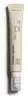
This anti-aging eye moisturizer is formulated around Niacinamide and Bakuchiol to soften the look of wrinkles and fade the look of dark spots.
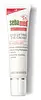
This anti-aging eye moisturizer is formulated around Palmitoyl Tripeptide-1 and Palmitoyl Tetrapeptide-7 to soften the look of wrinkles and refine skin texture.


What's inside
What's inside
 Key Ingredients
Benefits
Concerns
Ingredients Side-by-side
Water
Skin ConditioningGlycerin
Humectant


Helianthus Annuus Seed Oil
Emollient


Caprylic/Capric Triglyceride
Masking
Niacinamide
Smoothing









1,2-Hexanediol
Skin Conditioning
Cetyl Alcohol
Emollient
Cetearyl Alcohol
Emollient


C14-22 Alcohols
Emulsion Stabilising
Bakuchiol
Antimicrobial

Stearyl Alcohol
Emollient
Carbomer
Emulsion StabilisingCetearyl Glucoside
Emulsifying
Tromethamine
BufferingButylene Glycol
Humectant
Oryza Sativa Extract
Absorbent
Cetyl Palmitate
Emollient
C12-20 Alkyl Glucoside
EmulsifyingSodium Acrylate/Sodium Acryloyldimethyl Taurate Copolymer
Emulsion StabilisingSorbitan Palmitate
Emulsifying
Sorbitan Olivate
Emulsifying
Polyisobutene
Myristyl Alcohol
Emollient
Phyllostachys Pubescens Shoot Bark Extract
Skin ConditioningZanthoxylum Piperitum Fruit Extract
Skin ConditioningUsnea Barbata Extract
Pulsatilla Koreana Extract
Skin ConditioningAspergillus Ferment
Skin ConditioningEthylhexylglycerin
Skin ConditioningPanax Ginseng Root Extract
Emollient
Cyclodextrin
AbsorbentAdenosine
Skin Conditioning
Lauryl Alcohol
Emollient
Sodium Hyaluronate
Humectant
Disodium EDTA
ChelatingCaprylyl/Capryl Glucoside
CleansingSorbitan Oleate
Emulsifying
Glucose
Humectant
Wheat Amino Acids
Skin ConditioningNatto Gum
Pentylene Glycol
Skin Conditioning
Madecassoside
Antioxidant
Water, Glycerin, Helianthus Annuus Seed Oil, Caprylic/Capric Triglyceride, Niacinamide, 1,2-Hexanediol, Cetyl Alcohol, Cetearyl Alcohol, C14-22 Alcohols, Bakuchiol, Stearyl Alcohol, Carbomer, Cetearyl Glucoside, Tromethamine, Butylene Glycol, Oryza Sativa Extract, Cetyl Palmitate, C12-20 Alkyl Glucoside, Sodium Acrylate/Sodium Acryloyldimethyl Taurate Copolymer, Sorbitan Palmitate, Sorbitan Olivate, Polyisobutene, Myristyl Alcohol, Phyllostachys Pubescens Shoot Bark Extract, Zanthoxylum Piperitum Fruit Extract, Usnea Barbata Extract, Pulsatilla Koreana Extract, Aspergillus Ferment, Ethylhexylglycerin, Panax Ginseng Root Extract, Cyclodextrin, Adenosine, Lauryl Alcohol, Sodium Hyaluronate, Disodium EDTA, Caprylyl/Capryl Glucoside, Sorbitan Oleate, Glucose, Wheat Amino Acids, Natto Gum, Pentylene Glycol, Madecassoside
Water
Skin ConditioningGlycerin
Humectant
Prunus Amygdalus Dulcis Oil
Skin Conditioning
Persea Gratissima Oil
Skin Conditioning
Polyglyceryl-2 Dipolyhydroxystearate
Skin Conditioning
Butyrospermum Parkii Butter
Skin Conditioning
C12-15 Alkyl Benzoate
AntimicrobialCetearyl Glucoside
Emulsifying
Cetearyl Alcohol
Emollient
Palmitoyl Tripeptide-1
Skin Conditioning
Palmitoyl Tetrapeptide-7
Skin Conditioning
Ubiquinone
Antioxidant
Sodium Hyaluronate
Humectant
Bisabolol
Antioxidant
Sodium Lactate
Buffering
Coco-Glucoside
Cleansing
Potassium Cetyl Phosphate
EmulsifyingCitric Acid
Buffering
Sodium Carbomer
Emulsion StabilisingButylene Glycol
Humectant
Sodium Hydroxide
BufferingParfum
Masking


Benzyl Alcohol
Perfuming


Phenoxyethanol
Preservative
Sodium Benzoate
Masking
Water, Glycerin, Prunus Amygdalus Dulcis Oil, Persea Gratissima Oil, Polyglyceryl-2 Dipolyhydroxystearate, Butyrospermum Parkii Butter, C12-15 Alkyl Benzoate, Cetearyl Glucoside, Cetearyl Alcohol, Palmitoyl Tripeptide-1, Palmitoyl Tetrapeptide-7, Ubiquinone, Sodium Hyaluronate, Bisabolol, Sodium Lactate, Coco-Glucoside, Potassium Cetyl Phosphate, Citric Acid, Sodium Carbomer, Butylene Glycol, Sodium Hydroxide, Parfum, Benzyl Alcohol, Phenoxyethanol, Sodium Benzoate
Reviews
Ingredients Explained
These ingredients are found in both products.
Ingredients higher up in an ingredient list are typically present in a larger amount.
Butylene Glycol (or BG) is used within cosmetic products for a few different reasons:
Overall, Butylene Glycol is a safe and well-rounded ingredient that works well with other ingredients.
Though this ingredient works well with most skin types, some people with sensitive skin may experience a reaction such as allergic rashes, closed comedones, or itchiness.
Learn more about Butylene GlycolCetearyl alcohol is a waxy mixture of two fatty alcohols: cetyl alcohol and stearyl alcohol. It is an emollient and emulsifier.
Despite having "alcohol" in its name, it has nothing to do with drying solvent alcohols; the FDA also allows "alcohol-free" products to contain fatty alcohols like this ingredient.
It plays several roles in a formula:
Typical use levels for this ingredient sit around 1-10% and the Cosmetic Ingredient Review Expert Panel has affirmed safety at concentrations up to 25% in leave-on products.
Multiple assessments have found it to be non-irritating and non-sensitizing to most people.
However, there have been some cases of allergic contact dermatitis in patients with chronically compromised skin barriers.
Cetearyl alcohol has a comedogenic rating of 2 and irritancy rating of 1. Both of these numbers come from the 1989 study that used rabbit ears; a "2" means mildly comedogenic and a "1" means low irritancy.
Here's the catch: rabbit skin is more sensitive than human skin and throws a lot of false positives. A 1996 reappraisal found that ingredients rated 1-2 in the rabbit ear tests are generally safe for humans.
Remember comedogenic ratings are unable to assess the entire formula of a product or how it will react on your skin. Just be sure to patch test if you are unsure about certain ingredients.
This ingredient is not fungal acne safe. Cetearyl alcohol is a fatty alcohol with chain lengths that fall within the range that Malassezia can metabolize.
A 2019 study has also observed Malassezia growth in the presence of this ingredient, confirming it to be not-fungal acne safe.
Learn more about Cetearyl AlcoholCetearyl Glucoside is a sugar-based emulsifier. It is usually made by combining cetearyl alcohol and glucose.
Belonging to the aklyl polyglucoside (APG) family, Cetearyl Glucoside has a sugar "head" that loves water and a fatty "tail" that loves oil. This means it can shuffle oil and water into a stable and smooth emulsion.
Typical use levels are between 1-5% and this ingredient is considered to be non-irritating by the CIR Expert Panel Review.
Once applied, your skin's glucoside hydrolases breaks it down to the parent fatty alcohol and glucose. This is why this ingredient may not be fungal acne safe.
Learn more about Cetearyl GlucosideGlycerin (or glycerol) is a compound naturally found in your skin. It's a powerhouse humectant that pulls water into the stratum corneum.
Topically, glycerin does several things at once:
Your skin makes glycerin on its own (mostly from sebaceous oil breakdown) and shuttles it to your outermost layer of skin, or your epidermis, via aquaporin-3.
Aquaporin-3 is a transporter that is essential for normal skin hydration, elasticity, and repair. Interestingly, mice lacking in AQP3 have dry and less elastic skin that can be fully corrected with glycerin.
This ingredient is non-irritating, plays well with almost every ingredient, and works across all skin types. Typical use is anywhere between 3-10% but can go up to 79% in some leave-on products.
Just know very high concentrations (>40%) can feel tacky in low humidity.
Glycerin is the name for this ingredient in American English. British English uses Glycerol/Glycerine.
Learn more about GlycerinSodium Hyaluronate is the salt form of hyaluronic acid. It is a long sugar chain that is naturally found in your skin, joints, and connective tissue that maintains hydration and elasticity.
In skincare, it works as a humectant. It pulls water from the environment and deeper layers of skin and binds it to the surface.
Interestingly, the size of the molecule affects its behavior:
Some clinical evidence links low molecular weight versions to improved wrinkle depth, elasticity, anti-inflammatory effects, and barrier repair.
Many serums use a blend of both weights so you can get surface hydration plus longer-lasting and deeper effects.
You'll typically see concentrations between 0.1-2% for this ingredient.
Learn more about Sodium HyaluronateWater. It's the most common cosmetic ingredient of all. You'll usually see it at the top of ingredient lists, meaning that it makes up the largest part of the product.
So why is it so popular? Water most often acts as a solvent - this means that it helps dissolve other ingredients into the formulation.
You'll also recognize water as that liquid we all need to stay alive. If you see this, drink a glass of water. Remember to stay hydrated!
Learn more about Water

