Hada Labo Koi Gokujyun Hyaluronic Acid Moisturizing Mask Versus Hada Labo Gokujyun Hydrating Essence
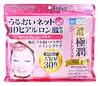
This hydrating sheet mask is formulated around Squalane and Sodium Hyaluronate to hydrate skin and strengthen the skin barrier.
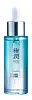
This hydrating essence is formulated around Sodium Acetylated Hyaluronate and Sodium Hyaluronate to hydrate skin and strengthen the skin barrier.

What's inside
What's inside
 Key Ingredients
Benefits
Concerns
Ingredients Side-by-side
Water
Skin ConditioningGlycerin
Humectant


Butylene Glycol
Humectant
Squalane
Emollient
PPG-6
Skin ConditioningDecyltetradeceth-30
CleansingPentylene Glycol
Skin Conditioning
Sodium Hyaluronate Crosspolymer
Humectant
Sodium Acetylated Hyaluronate
Humectant
Hydrolyzed Hyaluronic Acid
Humectant
Sodium Hyaluronate
Humectant
Hydrolyzed Collagen
Emollient
Glucosyl Ceramide
Skin Conditioning

Beheneth-5
EmulsifyingPhytosteryl/Octyldodecyl Lauroyl Glutamate
Skin ConditioningCarbomer
Emulsion StabilisingTocopheryl Acetate
Antioxidant


Disodium EDTA
ChelatingXanthan Gum
EmulsifyingTriethanolamine
BufferingAlpha-Glucan
HumectantPhenoxyethanol
Preservative
Methylparaben
Preservative


Water, Glycerin, Butylene Glycol, Squalane, PPG-6, Decyltetradeceth-30, Pentylene Glycol, Sodium Hyaluronate Crosspolymer, Sodium Acetylated Hyaluronate, Hydrolyzed Hyaluronic Acid, Sodium Hyaluronate, Hydrolyzed Collagen, Glucosyl Ceramide, Beheneth-5, Phytosteryl/Octyldodecyl Lauroyl Glutamate, Carbomer, Tocopheryl Acetate, Disodium EDTA, Xanthan Gum, Triethanolamine, Alpha-Glucan, Phenoxyethanol, Methylparaben
Water
Skin ConditioningButylene Glycol
Humectant
PEG-400
Emulsion StabilisingFomes Officinalis Extract
Skin ProtectingCaprylic/Capric Triglyceride
Masking
1,2-Hexanediol
Skin Conditioning
Chlorphenesin
Antimicrobial
Triethanolamine
BufferingAcrylates/C10-30 Alkyl Acrylate Crosspolymer
Emulsion StabilisingPropanediol
Solvent
Xanthan Gum
EmulsifyingBetaine
Humectant
Laminaria Japonica Extract
Skin Protecting
Glycereth-26
Humectant
Disodium EDTA
ChelatingGlucose
Humectant
Glycerin
Humectant
Phenoxyethanol
Preservative
Fucose
Skin ConditioningTremella Fuciformis Polysaccharide
Emulsion Stabilising
Sodium Polyglutamate
HumectantHydrolyzed Keratin
Humectant
Keratin
Skin ConditioningNiacinamide
Smoothing





Hippophae Rhamnoides Extract
MaskingHibiscus Mutabilis Flower Extract
Skin ConditioningRaffinose
Skin ConditioningPanthenol
Skin Conditioning
3-O-Ethyl Ascorbic Acid
Skin Conditioning
PEG-240/Hdi Copolymer Bis-Decyltetradeceth-20 Ether
StabilisingCaprylyl Glycol
Emollient
Hydroxyethylcellulose
Emulsion StabilisingCarbomer
Emulsion StabilisingPEG-40 Hydrogenated Castor Oil
Emulsifying


Pisum Sativum Extract
Skin ConditioningSodium Benzoate
Masking
Squalane
Emollient
Sodium Acetylated Hyaluronate
Humectant
Sodium Hyaluronate
Humectant
Hydrolyzed Sodium Hyaluronate
Skin Conditioning
Phytic Acid
Chelating
Hamamelis Virginiana Leaf Extract
Skin Conditioning
Lactococcus Ferment Lysate
Skin Conditioning
Moringa Oleifera Seed Extract
Skin Conditioning
Sodium PCA
Humectant
Biosaccharide Gum-4
Skin Conditioning
Sodium Lactate
Buffering
Ceteareth-20
Cleansing
Disodium Phosphate
BufferingArginine
Masking
Polyglyceryl-10 Stearate
Skin Conditioning
Aspartic Acid
Masking
Ceramide NP
Skin Conditioning
Citric Acid
Buffering
Polysorbate 20
Emulsifying
PCA
Humectant
Glycine
Buffering
Alanine
Masking
Lactic Acid
Buffering
Serine
Masking
Valine
MaskingIsoleucine
Skin ConditioningThreonine
Proline
Skin Conditioning
Sodium Chloride
MaskingHistidine
Humectant
Phenylalanine
Masking
Water, Butylene Glycol, PEG-400, Fomes Officinalis Extract, Caprylic/Capric Triglyceride, 1,2-Hexanediol, Chlorphenesin, Triethanolamine, Acrylates/C10-30 Alkyl Acrylate Crosspolymer, Propanediol, Xanthan Gum, Betaine, Laminaria Japonica Extract, Glycereth-26, Disodium EDTA, Glucose, Glycerin, Phenoxyethanol, Fucose, Tremella Fuciformis Polysaccharide, Sodium Polyglutamate, Hydrolyzed Keratin, Keratin, Niacinamide, Hippophae Rhamnoides Extract, Hibiscus Mutabilis Flower Extract, Raffinose, Panthenol, 3-O-Ethyl Ascorbic Acid, PEG-240/Hdi Copolymer Bis-Decyltetradeceth-20 Ether, Caprylyl Glycol, Hydroxyethylcellulose, Carbomer, PEG-40 Hydrogenated Castor Oil, Pisum Sativum Extract, Sodium Benzoate, Squalane, Sodium Acetylated Hyaluronate, Sodium Hyaluronate, Hydrolyzed Sodium Hyaluronate, Phytic Acid, Hamamelis Virginiana Leaf Extract, Lactococcus Ferment Lysate, Moringa Oleifera Seed Extract, Sodium PCA, Biosaccharide Gum-4, Sodium Lactate, Ceteareth-20, Disodium Phosphate, Arginine, Polyglyceryl-10 Stearate, Aspartic Acid, Ceramide NP, Citric Acid, Polysorbate 20, PCA, Glycine, Alanine, Lactic Acid, Serine, Valine, Isoleucine, Threonine, Proline, Sodium Chloride, Histidine, Phenylalanine
Ingredients Explained
These ingredients are found in both products.
Ingredients higher up in an ingredient list are typically present in a larger amount.
Butylene Glycol (or BG) is used within cosmetic products for a few different reasons:
Overall, Butylene Glycol is a safe and well-rounded ingredient that works well with other ingredients.
Though this ingredient works well with most skin types, some people with sensitive skin may experience a reaction such as allergic rashes, closed comedones, or itchiness.
Learn more about Butylene GlycolCarbomer is a synthetic thickening and gelling agent. It's basically the ingredient that gives a lot of serums, gels, creams, and sunscreens their smooth, non-sticky texture.
Although legally permitted at very high levels, carbomers are normally used at concentrations below 1%.
It also needs to be neutralized to actually thicken, and because it is a large molecule, it doesn't really penetrate the skin barrier.
Allergy-wise, the risk is very low. Clinical studies show carbomers have low potential for skin irritation/sensitization even at concentrations up to 100%.
A 2024 UK study patch-tested 1,302 patients and found true allergy to the parent group of carbomer to be rare with no confirmed relevant reactions.
Learn more about CarbomerDisodium EDTA is a chelating agent. It grabs onto and deactivates metal ions that sneak into your products from water, packaging, or air.
This ingredient mainly works behind the scenes and helps with:
On top of that, this ingredient can counteract the effects of hard water by binding to the minerals in it.
One thing worth knowing is that Disodium EDTA has been shown to be a mild penetration enhancer. It can help other ingredients absorb into skin more effectively which can be a double-edged sword (great for actives, but can also make the active too strong if you have sensitive skin).
Clinical patch testing showed no significant skin irritation at typical use concentrations and minimal dermal absorption.
You'll most likely see this ingredient near the end of an ingredient list. It's typically found in concentrations less than 1%.
Learn more about Disodium EDTAGlycerin (or glycerol) is a compound naturally found in your skin. It's a powerhouse humectant that pulls water into the stratum corneum.
Topically, glycerin does several things at once:
Your skin makes glycerin on its own (mostly from sebaceous oil breakdown) and shuttles it to your outermost layer of skin, or your epidermis, via aquaporin-3.
Aquaporin-3 is a transporter that is essential for normal skin hydration, elasticity, and repair. Interestingly, mice lacking in AQP3 have dry and less elastic skin that can be fully corrected with glycerin.
This ingredient is non-irritating, plays well with almost every ingredient, and works across all skin types. Typical use is anywhere between 3-10% but can go up to 79% in some leave-on products.
Just know very high concentrations (>40%) can feel tacky in low humidity.
Glycerin is the name for this ingredient in American English. British English uses Glycerol/Glycerine.
Learn more about GlycerinPhenoxyethanol is one of the most widely used preservatives in skincare (and for good reason!).
It has a large spectrum of antimicrobial activity and especially effective bacteria, yeast, and mold while only having a weak effect on your skin's natural microbiome.
On a cellular level, it disrupts the cell membranes of microbes by poking holes that make the cell leak. This shuts down the chemical reactions the microbe needs to make energy so it can no longer survive.
Another perk of this ingredient is that it stays functional across a wide pH range (3-10).
You'll often see it paired with boosters like Ethylhexylglycerin; one study showed that a 1:9 ratio of Ethylhexylglycerin to Phenoxyethanol damages bacterial membranes as effectively as doubling the Phenoxyethanol concentration on its own.
Typical use concentrations range from 0.3-1% depending on the formula, and this ingredient is capped at 1% int the EU.
Safety-wise, the fear mongering does not hold up to the evidence. The EU's Scientific Committee on Consumer Safety and FDA consider it safe as a preservative at up to 1%, including for children of all ages.
Adverse systemic effects only showed up in animal studies at exposures roughly 200x higher than what people get from cosmetics. And despite its very widespread use, this ingredient is a rare sensitizer and allergic reactions are uncommon.
Learn more about PhenoxyethanolSodium Acetylated Hyaluronate is a type of Hyaluronic Acid.
Hyaluronic Acids help moisturize, soothe, and protect the skin.
Read about common types of Hyaluronic Acid here:
Learn more about Sodium Acetylated HyaluronateSodium Hyaluronate is the salt form of hyaluronic acid. It is a long sugar chain that is naturally found in your skin, joints, and connective tissue that maintains hydration and elasticity.
In skincare, it works as a humectant. It pulls water from the environment and deeper layers of skin and binds it to the surface.
Interestingly, the size of the molecule affects its behavior:
Some clinical evidence links low molecular weight versions to improved wrinkle depth, elasticity, anti-inflammatory effects, and barrier repair.
Many serums use a blend of both weights so you can get surface hydration plus longer-lasting and deeper effects.
You'll typically see concentrations between 0.1-2% for this ingredient.
Learn more about Sodium HyaluronateSqualane is the hydrogenated and shelf-stable form of squalene (a lipid that naturally occurs in human sebum).
It is an emollient and skin conditioning agent that is able to integrate seamlessly into the skin's lipid barrier without clogging pores.
This is due to how structurally similar it is to what your skin already produces.
Though it is mostly an emollient that helps soften and hydrate skin, it also has some humectant and occlusive action. Humectants help the skin retain moisture while occlusives seal it in, making squalane a triple-threat moisturizer.
Research shows it has antioxidant capabilities that help protect against stressors like UV exposure, specifically UVA induced oxidative stress. This study also found that it supports collagen biosynthesis in human dermal fibroblasts.
No clinical study has reported significant adverse effects and irritation reactions are very rare from this ingredient (even at 100% concentration).
Overall, it's a fantastic ingredient for hydration and is suitable for all skin types.
This depends on the source. Squalane can be derived from both plants and animals. Most squalane used in skincare comes from plants.
Please note: the source of squalane is only known if disclosed by the brand. We recommend reaching out to the brand if you have any questions about their squalane.
Read more about squalene with an "e".
Though squalane is often called an oil, it’s technically not one. It is a hydrocarbon, meaning it is only made of carbon and hydrogen. True oils are triglycerides and made of fatty acids and glycerol.
The term “oil-free” isn’t regulated so companies can define it however they want. Some exclude all oils, while others just avoid mineral oil or comedogenic oils.
Squalane has a comedogenic rating of 1 from the original 1972 study that tested raw ingredients under occlusion on rabbit ears. This system is not standardized or peer-reviewed, and using the raw ingredients is very different from how diluted cosmetic formulations are used on human skin.
A comedogenic rating of 1 means it is "unlikely to clog pores" according to the original rating system.
The overall formula of a product matters more than the individual ingredients on whether or not it will cause clogged pores.
Learn more about SqualaneTriethanolamine (TEA) is an emulsifier and pH adjuster. It is created using ethylene oxide and ammonia. This gives Triethanolamine a nitrogen core and a similar scent to ammonia.
As an emulsifier, it prevents ingredients from separating and enhances texture by adding volume to a product.
PH adjusters are common in cosmetic products. The pH of a product can affect the effectiveness of other ingredients. A product with a high pH may also irritate the skin.
If you are looking for the tea leaf ingredient, click here.
Learn more about TriethanolamineWater. It's the most common cosmetic ingredient of all. You'll usually see it at the top of ingredient lists, meaning that it makes up the largest part of the product.
So why is it so popular? Water most often acts as a solvent - this means that it helps dissolve other ingredients into the formulation.
You'll also recognize water as that liquid we all need to stay alive. If you see this, drink a glass of water. Remember to stay hydrated!
Learn more about WaterXanthan gum is used as a stabilizer and thickener within cosmetic products. It helps give products a sticky, thick feeling - preventing them from being too runny.
On the technical side of things, xanthan gum is a polysaccharide - a combination consisting of multiple sugar molecules bonded together.
Xanthan gum is a pretty common and great ingredient. It is a natural, non-toxic, non-irritating ingredient that is also commonly used in food products.
Learn more about Xanthan Gum

