Hada Labo Gokujyun Hydrating Snow Dew Cream Versus Skintific 5X Ceramide Barrier Moisture Gel - Light Texture
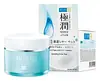
This barrier-repair moisturizer is formulated around Urea and Sodium Hyaluronate to strengthen the skin barrier and hydrate skin.
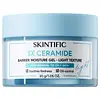
This barrier-repair moisturizer is formulated around Ceramide NP and Bisabolol to strengthen the skin barrier and hydrate skin.


What's inside
What's inside
 Key Ingredients
Benefits
Concerns
Ingredients Side-by-side
Water
Skin ConditioningGlycerin
Humectant


Propanediol
Solvent
Pentylene Glycol
Skin Conditioning
1,2-Hexanediol
Skin Conditioning
Isononyl Isononanoate
EmollientSodium Acrylates Crosspolymer-2
AbsorbentPhenoxyethanol
Preservative
Cetearyl Alcohol
Emollient






Trehalose
Humectant
Urea
Buffering

Ethylhexylglycerin
Skin ConditioningStyrene/Vp Copolymer
Hydrogenated Phosphatidylcholine
Emulsifying
Serine
Masking
Citrus Sinensis Peel Extract
Perfuming
Citric Acid
Buffering

Carnosine
Skin Conditioning
Bifida Ferment Lysate
Skin Conditioning

Glyceryl Polyacrylate
Algin
MaskingCaprylyl Glycol
Emollient
Sodium Hyaluronate
Humectant
Pullulan
Disodium Phosphate
BufferingCitrus Limon Peel Oil
Masking




Pelargonium Graveolens Flower Oil
Masking
Elettaria Cardamomum Seed Oil
Masking
Citrus Aurantium Bergamia Fruit Oil
Masking
Leontopodium Alpinum Extract
Skin ConditioningSodium Acetylated Hyaluronate
Humectant
Hydrolyzed Sodium Hyaluronate
Skin Conditioning
Butylene Glycol
Humectant
Cananga Odorata Flower Oil
Masking
Polianthes Tuberosa Extract
MaskingPotassium Phosphate
BufferingCollagen
Moisturising
Sorbic Acid
Preservative
Palmitoyl Tripeptide-5
Skin Conditioning
Sodium Benzoate
Masking
Potassium Sorbate
Preservative
Ceteareth-20
Cleansing
Caprylic/Capric Triglyceride
Masking
Polyglyceryl-10 Stearate
Skin Conditioning
Ceramide NP
Skin Conditioning
Polysorbate 20
Emulsifying
Sodium Hyaluronate Crosspolymer
Humectant
Maltodextrin
Absorbent
Palmitoyl Hexapeptide-12
Skin Conditioning
Syringa Vulgaris Extract
Skin ConditioningWater, Glycerin, Propanediol, Pentylene Glycol, 1,2-Hexanediol, Isononyl Isononanoate, Sodium Acrylates Crosspolymer-2, Phenoxyethanol, Cetearyl Alcohol, Trehalose, Urea, Ethylhexylglycerin, Styrene/Vp Copolymer, Hydrogenated Phosphatidylcholine, Serine, Citrus Sinensis Peel Extract, Citric Acid, Carnosine, Bifida Ferment Lysate, Glyceryl Polyacrylate, Algin, Caprylyl Glycol, Sodium Hyaluronate, Pullulan, Disodium Phosphate, Citrus Limon Peel Oil, Pelargonium Graveolens Flower Oil, Elettaria Cardamomum Seed Oil, Citrus Aurantium Bergamia Fruit Oil, Leontopodium Alpinum Extract, Sodium Acetylated Hyaluronate, Hydrolyzed Sodium Hyaluronate, Butylene Glycol, Cananga Odorata Flower Oil, Polianthes Tuberosa Extract, Potassium Phosphate, Collagen, Sorbic Acid, Palmitoyl Tripeptide-5, Sodium Benzoate, Potassium Sorbate, Ceteareth-20, Caprylic/Capric Triglyceride, Polyglyceryl-10 Stearate, Ceramide NP, Polysorbate 20, Sodium Hyaluronate Crosspolymer, Maltodextrin, Palmitoyl Hexapeptide-12, Syringa Vulgaris Extract
Water
Skin ConditioningPEG-8
HumectantErythritol
Humectant
Butylene Glycol
Humectant
Dimethicone
Emollient
Pentylene Glycol
Skin Conditioning
Propanediol
Solvent
Glycerin
Humectant
Ammonium Acryloyldimethyltaurate/Beheneth-25 Methacrylate Crosspolymer
Emulsion Stabilising1,2-Hexanediol
Skin Conditioning
Hydroxyacetophenone
Antioxidant
Sodium Polyacryloyldimethyl Taurate
Emulsion StabilisingCeramide NP
Skin Conditioning
Xanthan Gum
EmulsifyingBisabolol
Antioxidant
Tetraselmis Suecica Extract
Skin ConditioningHydroxyphenyl Propamidobenzoic Acid
Skin ConditioningCeramide AP
Skin Conditioning
Ceramide Ns
Skin Conditioning
Lactic Acid
Buffering


Potassium Sorbate
Preservative
Zingiber Officinale Root Extract
Masking
Ascorbyl Palmitate
Antioxidant
Ceramide As
Skin Conditioning
Ceramide EOP
Skin Conditioning
Dimethicone/Vinyl Dimethicone Crosspolymer
Skin Conditioning
Arginine
Masking
Sodium Lauroyl Lactylate
EmulsifyingOctyldodecanol
Emollient
Diglucosyl Gallic Acid
Hydrolyzed Algae Extract
Skin ConditioningHydrogenated Lecithin
Emulsifying
Bioflavonoids
Skin ConditioningPPG-26-Buteth-26
Skin ConditioningPEG-40 Hydrogenated Castor Oil
Emulsifying
Diisostearyl Malate
EmollientEpigallocatechin Gallatyl Glucoside
Antioxidant
Ethoxydiglycol
HumectantLecithin
Emollient
Sodium Benzoate
Masking
Polyglyceryl-10 Stearate
Skin Conditioning
Disodium EDTA
Sucrose Stearate
EmollientPhytosphingosine
Skin Conditioning
Hexyldecanol
Emollient
Caprylic/Capric Triglyceride
Masking
Water, PEG-8, Erythritol, Butylene Glycol, Dimethicone, Pentylene Glycol, Propanediol, Glycerin, Ammonium Acryloyldimethyltaurate/Beheneth-25 Methacrylate Crosspolymer, 1,2-Hexanediol, Hydroxyacetophenone, Sodium Polyacryloyldimethyl Taurate, Ceramide NP, Xanthan Gum, Bisabolol, Tetraselmis Suecica Extract, Hydroxyphenyl Propamidobenzoic Acid, Ceramide AP, Ceramide Ns, Lactic Acid, Potassium Sorbate, Zingiber Officinale Root Extract, Ascorbyl Palmitate, Ceramide As, Ceramide EOP, Dimethicone/Vinyl Dimethicone Crosspolymer, Arginine, Sodium Lauroyl Lactylate, Octyldodecanol, Diglucosyl Gallic Acid, Hydrolyzed Algae Extract, Hydrogenated Lecithin, Bioflavonoids, PPG-26-Buteth-26, PEG-40 Hydrogenated Castor Oil, Diisostearyl Malate, Epigallocatechin Gallatyl Glucoside, Ethoxydiglycol, Lecithin, Sodium Benzoate, Polyglyceryl-10 Stearate, Disodium EDTA, Sucrose Stearate, Phytosphingosine, Hexyldecanol, Caprylic/Capric Triglyceride
Reviews
Ingredients Explained
These ingredients are found in both products.
Ingredients higher up in an ingredient list are typically present in a larger amount.
1,2-Hexanediol is a synthetic liquid and another multi-functional powerhouse.
It is a:
- Humectant, drawing moisture into the skin
- Emollient, helping to soften skin
- Solvent, dispersing and stabilizing formulas
- Preservative booster, enhancing the antimicrobial activity of other preservatives
Butylene Glycol (or BG) is used within cosmetic products for a few different reasons:
Overall, Butylene Glycol is a safe and well-rounded ingredient that works well with other ingredients.
Though this ingredient works well with most skin types, some people with sensitive skin may experience a reaction such as allergic rashes, closed comedones, or itchiness.
Learn more about Butylene GlycolCaprylic/Capric Triglyceride (aka MCT Oil) is a lightweight emollient, solvent, and texture enhancer. It is considered a skin-softener by helping to prevent moisture loss.
Though it behaves like an oil, it is not technically one due to its chemical composition. One perk of this ingredient is that it is very stable, resistant to oxidation, and unlikely to go rancid.
In practice, that translates to a long shelf life and a consistently elegant skin feel.
While there is an assumption Caprylic Triglyceride can clog pores due to it being derived from coconut oil, there is no research supporting this. Just patch test if you have concerns.
Fractionated coconut oil and MCT Oil are both listed as Caprylic/Capric Triglyceride according to INCI. This is because INCI names are based on the ingredient’s final chemical composition and not its marketing name or source.
This ingredient is treated as the gold standard fungal acne safe oil. Even though it is coconut derived, the problematic lauric acid is stripped out.
This leaves just caprylic (C8) and capric (C10) acid. These chain lengths actually trend antifungal; a 2020 study found caprylic acid was enough to disrupt Malassezia furfur cell membrane, with a caprylic acid derivative damaging membrane structures at concentrations as low as 0.2%.
Learn more about Caprylic/Capric TriglycerideCeramide NP (formerly known as Ceramide 3) is one of the skin's naturally occurring lipids.
Since ceramides are the major lipid components of the skin, they are crucial for maintaining skin barrier and hydration. Ceramide NP most closely mirrors the dominant kind in human skin amongst ceramide subtypes.
This ceramide works by slotting into gaps within the stratum corneum's lipid matrix to limit trans-epidermal water loss (TEWL) and shield the skin against external irritants.
A study with 312 patients found that using a ceramide-containing routine for 4 weeks reduced the severity of atopic dermatitis by over 61%.
Another clinical study in subjects aged 60 and older found that a ceramide body wash and moisturizer improved skin dryness and itchy skin in 15 days.
Overall, ceramides are considered non-irritating and safety tests have found little to no observable adverse effects from using this ingredient.
Ceramide NP is usually sourced from plants (like soybean or rice bran), or produced synthetically.
Learn more about Ceramide NPGlycerin (or glycerol) is a compound naturally found in your skin. It's a powerhouse humectant that pulls water into the stratum corneum.
Topically, glycerin does several things at once:
Your skin makes glycerin on its own (mostly from sebaceous oil breakdown) and shuttles it to your outermost layer of skin, or your epidermis, via aquaporin-3.
Aquaporin-3 is a transporter that is essential for normal skin hydration, elasticity, and repair. Interestingly, mice lacking in AQP3 have dry and less elastic skin that can be fully corrected with glycerin.
This ingredient is non-irritating, plays well with almost every ingredient, and works across all skin types. Typical use is anywhere between 3-10% but can go up to 79% in some leave-on products.
Just know very high concentrations (>40%) can feel tacky in low humidity.
Glycerin is the name for this ingredient in American English. British English uses Glycerol/Glycerine.
Learn more about GlycerinPentylene Glycol (1,2-pentanediol) is a multitasking little diol with three main roles in a formula:
Research on alkanediols (the family pentylene glycol belongs to) show they work by disrupting microbial cell membranes. This disruption helps the primary preservative system in a product work more effectively at lower doses.
On the safety side, the Cosmetic Ingredient Review Expert Panel has concluded this ingredient to be safe as used in current cosmetic practices + concentrations.
Typical use levels in a formula run about 1-5%.
Learn more about Pentylene GlycolPolyglyceryl-10 Stearate is a skin conditioner that is basically a fatty acid (stearic acid) hooked up to a chain of glycerin units.
It is a skin conditioning agent that helps skin feel soft, smooth, and hydrated.
Beyond that, it also helps emulsify and cleanse: it helps oil and water phases stay blended in moisturizers, serums, and cleansers.
This ingredient has been found to be safe in cosmetics at present concentrations and practices of use.
Research on Malassezia shows the yeast can metabolize stearic acid as a growth substrate; this ingredient is not fungal acne safe.
Learn more about Polyglyceryl-10 StearatePotassium Sorbate is a preservative used to prevent yeast and mold in products. It is commonly found in both cosmetic and food products.
This ingredient comes from potassium salt derived from sorbic acid. Sorbic acid is a natural antibiotic and effective against fungus.
Both potassium sorbate and sorbic acid can be found in baked goods, cheeses, dried meats, dried fruit, ice cream, pickles, wine, yogurt, and more.
You'll often find this ingredient used with other preservatives.
Learn more about Potassium SorbatePropanediol is an all-star ingredient. It softens, hydrates, and smooths the skin.
It’s often used to:
Propanediol is not likely to cause sensitivity and considered safe to use. It is derived from corn or petroleum with a clear color and no scent.
Learn more about PropanediolSodium Benzoate is a preservative. It's used in both cosmetic and food products to inhibit the growth of mold and bacteria. It is typically produced synthetically.
Both the US FDA and EU Health Committee have approved the use of sodium benzoate. In the US, levels of 0.1% (of the total product) are allowed.
Sodium benzoate works as a preservative by inhibiting the growth of bacteria inside of cells. It prevents the cell from fermenting a type of sugar using an enzyme called phosphofructokinase.
It is the salt of benzoic acid. Foods containing sodium benzoate include soda, salad dressings, condiments, fruit juices, wines, and snack foods.
Studies for using ascorbic acid and sodium benzoate in cosmetics are lacking, especially in skincare routines with multiple steps.
We always recommend speaking with a professional, such as a dermatologist, if you have any concerns.
Learn more about Sodium BenzoateWater. It's the most common cosmetic ingredient of all. You'll usually see it at the top of ingredient lists, meaning that it makes up the largest part of the product.
So why is it so popular? Water most often acts as a solvent - this means that it helps dissolve other ingredients into the formulation.
You'll also recognize water as that liquid we all need to stay alive. If you see this, drink a glass of water. Remember to stay hydrated!
Learn more about Water

