

What's inside
What's inside
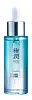 Key Ingredients
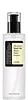
Benefits
Concerns
No concerns
Ingredients Side-by-side
Water
Skin ConditioningButylene Glycol
Humectant

PEG-400
Emulsion StabilisingFomes Officinalis Extract
Skin ProtectingCaprylic/Capric Triglyceride
Masking
1,2-Hexanediol
Skin Conditioning
Chlorphenesin
Antimicrobial
Triethanolamine
BufferingAcrylates/C10-30 Alkyl Acrylate Crosspolymer
Emulsion StabilisingPropanediol
Solvent
Xanthan Gum
EmulsifyingBetaine
Humectant
Laminaria Japonica Extract
Skin Protecting
Glycereth-26
Humectant
Disodium EDTA
Glucose
Humectant
Glycerin
Humectant
Phenoxyethanol
Preservative
Fucose
Skin ConditioningTremella Fuciformis Polysaccharide
Emulsion Stabilising
Sodium Polyglutamate
HumectantHydrolyzed Keratin
Humectant
Keratin
Skin ConditioningNiacinamide
Smoothing







Hippophae Rhamnoides Extract
MaskingHibiscus Mutabilis Flower Extract
Skin ConditioningRaffinose
Skin ConditioningPanthenol
Skin Conditioning
3-O-Ethyl Ascorbic Acid
Skin Conditioning
PEG-240/Hdi Copolymer Bis-Decyltetradeceth-20 Ether
StabilisingCaprylyl Glycol
Emollient
Hydroxyethylcellulose
Emulsion StabilisingCarbomer
Emulsion StabilisingPEG-40 Hydrogenated Castor Oil
Emulsifying

Pisum Sativum Extract
Skin ConditioningSodium Benzoate
Masking
Squalane
Emollient
Sodium Acetylated Hyaluronate
Humectant
Sodium Hyaluronate
Humectant
Hydrolyzed Sodium Hyaluronate
Skin Conditioning
Phytic Acid

Hamamelis Virginiana Leaf Extract
Skin Conditioning
Lactococcus Ferment Lysate
Skin Conditioning
Moringa Oleifera Seed Extract
Skin Conditioning
Sodium PCA
Humectant
Biosaccharide Gum-4
Skin Conditioning
Sodium Lactate
Buffering
Ceteareth-20
CleansingDisodium Phosphate
BufferingArginine
Masking
Polyglyceryl-10 Stearate
Skin Conditioning
Aspartic Acid
Masking
Ceramide NP
Skin Conditioning
Citric Acid
Buffering
Polysorbate 20
Emulsifying
PCA
Humectant
Glycine
Buffering
Alanine
Masking
Lactic Acid
Buffering
Serine
Masking
Valine
MaskingIsoleucine
Skin ConditioningThreonine
Proline
Skin Conditioning
Sodium Chloride
MaskingHistidine
Humectant
Phenylalanine
Masking
Water, Butylene Glycol, PEG-400, Fomes Officinalis Extract, Caprylic/Capric Triglyceride, 1,2-Hexanediol, Chlorphenesin, Triethanolamine, Acrylates/C10-30 Alkyl Acrylate Crosspolymer, Propanediol, Xanthan Gum, Betaine, Laminaria Japonica Extract, Glycereth-26, Disodium EDTA, Glucose, Glycerin, Phenoxyethanol, Fucose, Tremella Fuciformis Polysaccharide, Sodium Polyglutamate, Hydrolyzed Keratin, Keratin, Niacinamide, Hippophae Rhamnoides Extract, Hibiscus Mutabilis Flower Extract, Raffinose, Panthenol, 3-O-Ethyl Ascorbic Acid, PEG-240/Hdi Copolymer Bis-Decyltetradeceth-20 Ether, Caprylyl Glycol, Hydroxyethylcellulose, Carbomer, PEG-40 Hydrogenated Castor Oil, Pisum Sativum Extract, Sodium Benzoate, Squalane, Sodium Acetylated Hyaluronate, Sodium Hyaluronate, Hydrolyzed Sodium Hyaluronate, Phytic Acid, Hamamelis Virginiana Leaf Extract, Lactococcus Ferment Lysate, Moringa Oleifera Seed Extract, Sodium PCA, Biosaccharide Gum-4, Sodium Lactate, Ceteareth-20, Disodium Phosphate, Arginine, Polyglyceryl-10 Stearate, Aspartic Acid, Ceramide NP, Citric Acid, Polysorbate 20, PCA, Glycine, Alanine, Lactic Acid, Serine, Valine, Isoleucine, Threonine, Proline, Sodium Chloride, Histidine, Phenylalanine

Reviews
Ingredients Explained
These ingredients are found in both products.
Ingredients higher up in an ingredient list are typically present in a larger amount.
1,2-Hexanediol is a synthetic liquid and another multi-functional powerhouse.
It is a:
- Humectant, drawing moisture into the skin
- Emollient, helping to soften skin
- Solvent, dispersing and stabilizing formulas
- Preservative booster, enhancing the antimicrobial activity of other preservatives
Arginine is a semi-essential amino acid. This just means our bodies can product a bit on its own, but sometimes needs a little boost from food sources.
It is a part of your skin's natural moisturizing factor (NMF), or the water-loving molecules in your outermost layer of skin (stratum corneum) that keeps everything hydrated and happy.
Here's an interesting thing about Arginine: your skin converts it into urea through the Krebs-Henseleit urea cycle. Urea is one of the most effective humectants your skin naturally produces.
A clinical study showed applying 2.5% arginine hydrochloride to atopic dermatitis skin showed significant urea levels in the stratum corneum and improved moisture in just four weeks.
Arginine is also a precursor to nitric oxide; nitric oxide improves microcirculation and supports wound healing and collagen synthesis.
One study found that an amino acid complex containing Arginine reduced skin irritation, improved hydration, and accelerated skin repair in clinical / in-vivo studies.
Arginine itself is an amino acid and not a fatty acid, oil, or ester. On its own, it's not a direct food source for Malassezia, or the yeast that causes fungal acne.
Learn more about ArginineBetaine is a humectant. Like hyaluronic acid, it helps attract and retain moisture in the skin. It’s known for being gentle and for helping the skin maintain balanced hydration.
Betaine is mainly used to improve hydration and support calmer skin. It helps skin cells regulate water balance because it functions as an osmolyte.
Some studies suggest betaine may support making skin tone more even.
Fun fact: Betaine naturally exists in the skin and the body. In cosmetic products, it can be either plant-derived (most commonly from sugar beets) or synthetically produced for consistency and stability.
Betaine is also known as trimethylglycine.
Learn more about BetaineButylene Glycol (or BG) is used within cosmetic products for a few different reasons:
Overall, Butylene Glycol is a safe and well-rounded ingredient that works well with other ingredients.
Though this ingredient works well with most skin types, some people with sensitive skin may experience a reaction such as allergic rashes, closed comedones, or itchiness.
Learn more about Butylene GlycolCarbomer is a high-molecular weight polymer of acrylic acid. It is used to form gels and thicken formulas.
Due to its large molecular size, carbomer has minimal skin penetration and is considered an inert ingredient.
A high amount of carbomer can cause pilling or balling up of products. Don't worry, most products contain 1% or less of carbomer.
Learn more about CarbomerPanthenol is a common ingredient that helps hydrate and soothe the skin. It is found naturally in our skin and hair.
There are two forms of panthenol: D and L.
D-panthenol is also known as dexpanthenol. Most cosmetics use dexpanthenol or a mixture of D and L-panthenol.
Panthenol is famous due to its ability to go deeper into the skin's layers. Using this ingredient has numerous pros (and no cons):
Like hyaluronic acid, panthenol is a humectant. Humectants are able to bind and hold large amounts of water to keep skin hydrated.
This ingredient works well for wound healing. It works by increasing tissue in the wound and helps close open wounds.
Once oxidized, panthenol converts to pantothenic acid. Panthothenic acid is found in all living cells.
This ingredient is also referred to as pro-vitamin B5.
Learn more about PanthenolPhenoxyethanol is a preservative that has germicide, antimicrobial, and aromatic properties. Studies show that phenoxyethanol can prevent microbial growth. By itself, it has a scent that is similar to that of a rose.
It's often used in formulations along with Caprylyl Glycol to preserve the shelf life of products.
Sodium Hyaluronate is the salt form of hyaluronic acid. It is a long sugar chain that is naturally found in your skin, joints, and connective tissue that maintains hydration and elasticity.
In skincare, it works as a humectant. It pulls water from the environment and deeper layers of skin and binds it to the surface.
Interestingly, the size of the molecule affects its behavior:
Some clinical evidence links low molecular weight versions to improved wrinkle depth, elasticity, anti-inflammatory effects, and barrier repair.
Many serums use a blend of both weights so you can get surface hydration plus longer-lasting and deeper effects.
You'll typically see concentrations between 0.1-2% for this ingredient.
Learn more about Sodium Hyaluronate
