
What's inside
What's inside
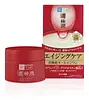 Key Ingredients
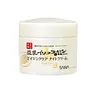
Benefits
Concerns
Ingredients Side-by-side
Niacinamide
Smoothing










Glycyrrhetinic Acid
Skin ConditioningSodium Hyaluronate
Humectant

Hydrolyzed Hyaluronic Acid
Humectant
Sodium Acetylated Hyaluronate
Humectant
Sucrose
Humectant
Squalane
Emollient
Butyrospermum Parkii Butter
Skin Conditioning


Phellodendron Chinense Bark Extract
EmollientGlyceryl Glucoside
Humectant
Petrolatum
Emollient
Butylene Glycol
Humectant
Glycerin
Humectant
Hydrogenated Castor Oil
Emollient
Pentylene Glycol
Skin ConditioningLimnanthes Alba Seed Oil
Skin Conditioning
Diglycerin
Humectant
Cetearyl Alcohol
Emollient
Phytosteryl/Isostearyl/Cetyl/Stearyl/Behenyl Dimer Dilinoleate
Skin ConditioningC4-18 Alkyl Methacrylate/Methacryloyloxyethyl Phosphorylcholine Copolymer
HumectantDimethicone
Emollient
Glyceryl Stearate
Emollient
Polyacrylamide
Hydrogenated Egg Oil
Skin Conditioning
Melaleuca Alternifolia Leaf Oil
Antioxidant


Paraffinum Liquidum
Emollient
Polyvinylalcohol Crosspolymer
Citric Acid
Buffering


PPG-4 Lauryl Ether
EmollientEDTA
Behenyl Alcohol
Emollient
Phenoxyethanol
Preservative
Niacinamide, Glycyrrhetinic Acid, Sodium Hyaluronate, Hydrolyzed Hyaluronic Acid, Sodium Acetylated Hyaluronate, Sucrose, Squalane, Butyrospermum Parkii Butter, Phellodendron Chinense Bark Extract, Glyceryl Glucoside, Petrolatum, Butylene Glycol, Glycerin, Hydrogenated Castor Oil, Pentylene Glycol, Limnanthes Alba Seed Oil, Diglycerin, Cetearyl Alcohol, Phytosteryl/Isostearyl/Cetyl/Stearyl/Behenyl Dimer Dilinoleate, C4-18 Alkyl Methacrylate/Methacryloyloxyethyl Phosphorylcholine Copolymer, Dimethicone, Glyceryl Stearate, Polyacrylamide, Hydrogenated Egg Oil, Melaleuca Alternifolia Leaf Oil, Paraffinum Liquidum, Polyvinylalcohol Crosspolymer, Citric Acid, PPG-4 Lauryl Ether, EDTA, Behenyl Alcohol, Phenoxyethanol
Water
Skin ConditioningButylene Glycol
Humectant
Glycerin
Humectant
Squalane
Emollient
Octyldodecyl Myristate
EmollientBatyl Alcohol
EmollientDimethicone
Emollient
Hydrogenated Palm Kernel Oil
Emollient
Stearic Acid
Cleansing
Polyglyceryl-10 Distearate
Emulsifying
Glyceryl Stearate
Emollient
Dipentaerythrityl Tetrahydroxystearate/Tetraisostearate
Skin Conditioning
Behenyl Alcohol
Emollient
Milk Ferment
Skin ConditioningGlycine Max Seed Extract
Skin ConditioningRetinol
Skin Conditioning
Soy Isoflavones
Skin ConditioningRetinyl Palmitate
Skin Conditioning
Ceramide Ng
Skin Conditioning
PEG-60 Hydrogenated Castor Oil
Emulsifying
Arginine
Masking
Alcohol Denat.
Antimicrobial


Carbomer
Emulsion StabilisingGlycyrrhiza Glabra Root Extract
Bleaching
Xanthan Gum
EmulsifyingCyclodextrin
AbsorbentCyclopentasiloxane
Emollient
Ceramide AP
Skin Conditioning
Ceramide NP
Skin Conditioning
Glycine Soja Sterols
Emollient
Tocopherol
Antioxidant
Elaeis Guineensis Kernel Oil
Emollient
Polysorbate 20
Emulsifying
Polysorbate 80
Emulsifying
Polyglyceryl-10 Myristate
Skin Conditioning
Phytosteryl/Behenyl/Octyldodecyl Lauroyl Glutamate
Skin ConditioningLecithin
Emollient
Hydrogenated Lecithin
Emulsifying
Methylparaben
Preservative

Water, Butylene Glycol, Glycerin, Squalane, Octyldodecyl Myristate, Batyl Alcohol, Dimethicone, Hydrogenated Palm Kernel Oil, Stearic Acid, Polyglyceryl-10 Distearate, Glyceryl Stearate, Dipentaerythrityl Tetrahydroxystearate/Tetraisostearate, Behenyl Alcohol, Milk Ferment, Glycine Max Seed Extract, Retinol, Soy Isoflavones, Retinyl Palmitate, Ceramide Ng, PEG-60 Hydrogenated Castor Oil, Arginine, Alcohol Denat., Carbomer, Glycyrrhiza Glabra Root Extract, Xanthan Gum, Cyclodextrin, Cyclopentasiloxane, Ceramide AP, Ceramide NP, Glycine Soja Sterols, Tocopherol, Elaeis Guineensis Kernel Oil, Polysorbate 20, Polysorbate 80, Polyglyceryl-10 Myristate, Phytosteryl/Behenyl/Octyldodecyl Lauroyl Glutamate, Lecithin, Hydrogenated Lecithin, Methylparaben
Reviews
Ingredients Explained
These ingredients are found in both products.
Ingredients higher up in an ingredient list are typically present in a larger amount.
Behenyl Alcohol is a type of fatty alcohol (these are different from the drying, solvent alcohols).
Fatty Alcohols have hydrating properties and are most often used as an emollient or to thicken a product. They are usually derived from natural fats and oils; behenyl alcohol is derived from the fats of vegetable oils.
Emollients help keep your skin soft and hydrated by creating a film that traps moisture in.
In 2000, Behenyl Alcohol was approved by the US as medicine to reduce the duration of cold sores.
Learn more about Behenyl AlcoholButylene Glycol (or BG) is used within cosmetic products for a few different reasons:
Overall, Butylene Glycol is a safe and well-rounded ingredient that works well with other ingredients.
Though this ingredient works well with most skin types, some people with sensitive skin may experience a reaction such as allergic rashes, closed comedones, or itchiness.
Learn more about Butylene GlycolDimethicone is a type of synthetic silicone created from natural materials such as quartz.
What it does:
Dimethicone comes in different viscosities:
Depending on the viscosity, dimethicone has different properties.
Ingredients lists don't always show which type is used, so we recommend reaching out to the brand if you have questions about the viscosity.
This ingredient is unlikely to cause irritation because it does not get absorbed into skin. However, people with silicone allergies should be careful about using this ingredient.
Note: Dimethicone may contribute to pilling. This is because it is not oil or water soluble, so pilling may occur when layered with products. When mixed with heavy oils in a formula, the outcome is also quite greasy.
Learn more about DimethiconeGlycerin is already naturally found in your skin. It helps moisturize and protect your skin.
A study from 2016 found glycerin to be more effective as a humectant than AHAs and hyaluronic acid.
As a humectant, it helps the skin stay hydrated by pulling moisture to your skin. The low molecular weight of glycerin allows it to pull moisture into the deeper layers of your skin.
Hydrated skin improves your skin barrier; Your skin barrier helps protect against irritants and bacteria.
Glycerin has also been found to have antimicrobial and antiviral properties. Due to these properties, glycerin is often used in wound and burn treatments.
In cosmetics, glycerin is usually derived from plants such as soybean or palm. However, it can also be sourced from animals, such as tallow or animal fat.
This ingredient is organic, colorless, odorless, and non-toxic.
Glycerin is the name for this ingredient in American English. British English uses Glycerol/Glycerine.
Learn more about GlycerinGlyceryl Stearate is a mix of glycerin and stearic acid.
It is used to stabilize the mixing of water and oil ingredients. By preventing these ingredients from separating, it can help elongate shelf life. It can also help thicken the product's texture.
As an emollient, it helps soften skin and supports barrier-replenishing ingredients.
In cosmetics, Glyceryl Stearate is often made from vegetable oils or synthetically produced.
This ingredient may not be fungal-acne safe
Fun fact: The human body also creates Glyceryl Stearate naturally.
Learn more about Glyceryl StearateSqualane is an emollient that helps the skin hold onto moisture. It's an oily liquid that occurs naturally in certain types of fish and plant oils.
Because squalane boosts hydration in the skin, it also comes with plenty of benefits: it is an antioxidant and can help fight free radicals and skin damage. Squalane is also found to have a detoxifying effect when applied.
Squalane comes from squalene, which occurs naturally within the sebum of our skin. It is one of the oils our skin produces to keep itself hydrated. Squalane is the hydrogenated version of squalene and has a longer shelf life.
Research shows that squalane is non-irritating (even at 100% concentration).
In general, it's a fantastic ingredient. It does a great job at hydrating the skin, and it's suitable for those with sensitive skin.
The source of squalane may impact malassezia / fungal acne. This is because olive oil derived squalane can contain impurities such as fatty acids and plant waxes. Sugarcane derived squalane is recommended for anyone with malassezia concerns.
Is squalane vegan?
This depends on the source. Squalane can be derived from both plants and animals. Most squalane used in skincare comes from plants.
Please note: the source of squalane is only known if disclosed by the brand. We recommend reaching out to the brand if you have any questions about their squalane.
Read more about squalene with an "e".
Is squalane an oil?
Squalane is often called an oil, but it’s technically not; it’s a hydrocarbon, meaning it’s only made of carbon and hydrogen, unlike true oils which are triglycerides made of fatty acids and glycerol.
The term “oil-free” isn’t regulated, so companies can define it however they want. Some exclude all oils, while others just avoid mineral oil or comedogenic oils.
While some people avoid oils thinking they cause breakouts, the right kind of oil (or oil-like ingredient like squalane) can actually help balance and hydrate your skin. It’s worth testing out simple oils or squalane to see what works best for your skin.
Learn more about Squalane
