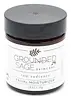
This brightening moisturizer is formulated around Aloe Barbadensis Leaf Juice and Glycyrrhiza Glabra Root Extract to brighten dull-looking skin and hydrate skin.
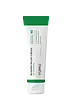
This calming moisturizer is formulated around Panthenol and Niacinamide to calm redness and clear breakouts.


What's inside
What's inside
 Key Ingredients
Benefits
Concerns
Ingredients Side-by-side
Aloe Barbadensis Leaf Juice
Skin Conditioning


Emulsifying Wax Nf
Simmondsia Chinensis Seed Oil
Emollient




Argania Spinosa Kernel Oil
Emollient

Vitis Vinifera Seed Oil
Emollient
Stearic Acid
Cleansing
Hyaluronic Acid
Humectant

Glycerin
Humectant
Persea Gratissima Oil
Skin Conditioning

Helianthus Annuus Seed Oil
Emollient
Calendula Officinalis Flower Oil
Masking


Camellia Sinensis Leaf Extract
Antimicrobial


Glycyrrhiza Glabra Root Extract
Bleaching
Terminalia Ferdinandiana Fruit Extract
Antioxidant
Cucumis Sativus Fruit Extract
Emollient
Hydrastis Canadensis Extract
MaskingHydrolyzed Oat Protein
Skin ConditioningLavandula Angustifolia Oil
Masking
Niacinamide
Smoothing


Tetrahexyldecyl Ascorbate
Antioxidant
Zinc
Antioxidant
Tocopherol
Antioxidant
Lactobacillus/Leuconostoc/Coconut Fruit Extract Ferment Filtrate
Humectant
Caprylyl Glycol
Emollient
Aloe Barbadensis Leaf Juice, Emulsifying Wax Nf, Simmondsia Chinensis Seed Oil, Argania Spinosa Kernel Oil, Vitis Vinifera Seed Oil, Stearic Acid, Hyaluronic Acid, Glycerin, Persea Gratissima Oil, Helianthus Annuus Seed Oil, Calendula Officinalis Flower Oil, Camellia Sinensis Leaf Extract, Glycyrrhiza Glabra Root Extract, Terminalia Ferdinandiana Fruit Extract, Cucumis Sativus Fruit Extract, Hydrastis Canadensis Extract, Hydrolyzed Oat Protein, Lavandula Angustifolia Oil, Niacinamide, Tetrahexyldecyl Ascorbate, Zinc, Tocopherol, Lactobacillus/Leuconostoc/Coconut Fruit Extract Ferment Filtrate, Caprylyl Glycol
Water
Skin ConditioningButylene Glycol
Humectant
Coco-Caprylate/Caprate
Emollient
Glycerin
Humectant
Panthenol
Skin Conditioning
1,2-Hexanediol
Skin Conditioning
Niacinamide
Smoothing
Polyglyceryl-3 Methylglucose Distearate
Emulsifying
Zinc PCA
Humectant
Camellia Sinensis Leaf Extract
Antimicrobial
Glycyrrhiza Glabra Root Extract
Bleaching
Madecassoside
Antioxidant
Beta-Glucan
Skin Conditioning
Ectoin
Skin Conditioning
Arginine
Masking
Centella Asiatica Leaf
Skin Conditioning
Squalane
Emollient
Ceramide NP
Skin Conditioning
Ceramide Ns
Skin Conditioning
Ceramide AP
Skin Conditioning
Ceramide As
Skin Conditioning
Ceramide EOP
Skin Conditioning
Sodium Hyaluronate
Humectant
Adenosine
Skin Conditioning
Phytosphingosine
Skin Conditioning
Allantoin
Skin Conditioning
Hydrogenated Lecithin
Emulsifying
Asiaticoside
Antioxidant
Centella Asiatica Leaf Extract
Skin Conditioning
Centella Asiatica Extract
Cleansing
Cholesterol
Emollient
Stearic Acid
Cleansing
Ethylhexylglycerin
Skin ConditioningTrehalose
Humectant
Cetearyl Alcohol
Emollient
Acrylates/C10-30 Alkyl Acrylate Crosspolymer
Emulsion StabilisingDisodium EDTA
ChelatingPolyquaternium-51
Skin Conditioning
Polyglyceryl-4 Caprate
EmulsifyingWater, Butylene Glycol, Coco-Caprylate/Caprate, Glycerin, Panthenol, 1,2-Hexanediol, Niacinamide, Polyglyceryl-3 Methylglucose Distearate, Zinc PCA, Camellia Sinensis Leaf Extract, Glycyrrhiza Glabra Root Extract, Madecassoside, Beta-Glucan, Ectoin, Arginine, Centella Asiatica Leaf, Squalane, Ceramide NP, Ceramide Ns, Ceramide AP, Ceramide As, Ceramide EOP, Sodium Hyaluronate, Adenosine, Phytosphingosine, Allantoin, Hydrogenated Lecithin, Asiaticoside, Centella Asiatica Leaf Extract, Centella Asiatica Extract, Cholesterol, Stearic Acid, Ethylhexylglycerin, Trehalose, Cetearyl Alcohol, Acrylates/C10-30 Alkyl Acrylate Crosspolymer, Disodium EDTA, Polyquaternium-51, Polyglyceryl-4 Caprate
Reviews
Ingredients Explained
These ingredients are found in both products.
Ingredients higher up in an ingredient list are typically present in a larger amount.
Camellia Sinensis Leaf Extract (tea extract) is one of the most well-researched plant extracts in skincare with an impressive resume.
Black tea, green tea, and oolong tea are all harvested from the Camellia Sinensis plant.
Studies show green tea extract and its catechins (like epigallocatechin gallate (EGCG)) help your skin cells product energy more efficiently and reducing the number of free-radicals that can damage your skin from the inside.
In lab-grown skin models, this translated to younger, healthier, and stronger skin.
There's also good sun protection data; researchers saw less DNA damage and redness on human skin when green tea was applied before UVB exposure. And the more they applied, the better the protection.
Needless to say, this ingredient shouldn't replace your sunscreen. But it is a great supportive ingredient that you can already find in many sunscreens and antioxidant serums.
A 2009 study found a 2% green tea lotion was effective for mild-to-moderate acne thanks to its anti-inflammatory and mild antimicrobial activity.
The quality of the extract matters a lot here:
Good extracts contain 50-90% catechins while lower quality ones are mostly there for marketing. We recommend reaching out to the brand if you have questions about the quality or source of their ingredients.
Human Repeated Insult Patch Testing showed no irritation or sensitization at use concentrations (0.86% in leave-on products and up to 30% as leaf water).
Learn more about Camellia Sinensis Leaf ExtractGlycerin (or glycerol) is a compound naturally found in your skin. It's a powerhouse humectant that pulls water into the stratum corneum.
Topically, glycerin does several things at once:
Your skin makes glycerin on its own (mostly from sebaceous oil breakdown) and shuttles it to your outermost layer of skin, or your epidermis, via aquaporin-3.
Aquaporin-3 is a transporter that is essential for normal skin hydration, elasticity, and repair. Interestingly, mice lacking in AQP3 have dry and less elastic skin that can be fully corrected with glycerin.
This ingredient is non-irritating, plays well with almost every ingredient, and works across all skin types. Typical use is anywhere between 3-10% but can go up to 79% in some leave-on products.
Just know very high concentrations (>40%) can feel tacky in low humidity.
Glycerin is the name for this ingredient in American English. British English uses Glycerol/Glycerine.
Learn more about GlycerinGlycyrrhiza Glabra Root Extract is an extract of the roots of Licorice. It has been found to have several benefits such as skin hydrating, conditioning, and soothing.
One component, glabridin, has extra potent antioxidant and soothing properties. It has also been found to block pigmentation from UVB rays in guinea pigs.
Licorice Root also contains a flavonoid. Flavonoids are a natural substance from in plants. Flavonoids also have antioxidant properties.
Another component, glycyrrhizin, has been found to have anti-inflammatory and antimicrobial benefits. This may make licorice root extract effective at treating acne. However, more research is needed to support this.
Liquiritin is one of the flavone compounds found in licorice. It has been found to help lighten skin by preventing tyrosinase from reacting with tyrosine. When the two react, protein is converted to melanin. Melanin is the substance in your body that gives your features pigmentation.
Learn more about Glycyrrhiza Glabra Root ExtractNiacinamide is a multitasking form of vitamin B3 that strengthens the skin barrier, reduces pores and dark spots, regulates oil, and improves signs of aging.
And the best part? It's gentle and well-tolerated by most skin types, including sensitive and reactive skin.
You might have heard of "niacin flush", or the reddening of skin that causes itchiness. Niacinamide has not been found to cause this.
In very rare cases, some individuals may not be able to tolerate niacinamide at all or experience an allergic reaction to it.
If you are experiencing flaking, irritation, and dryness with this ingredient, be sure to double check all your products as this ingredient can be found in all categories of skincare.
When incorporating niacinamide into your routine, look out for concentration amounts. Typically, 5% niacinamide provides benefits such as fading dark spots. However, if you have sensitive skin, it is better to begin with a smaller concentration.
When you apply niacinamide to your skin, your body converts it into nicotinamide adenine dinucleotide (NAD). NAD is an essential coenzyme that is already found in your cells as "fuel" and powers countless biological processes.
In your skin, NAD helps repair cell damage, produce new healthy cells, support collagen production, strengthen the skin barrier, and fight environmental stressors (like UV and pollution).
Our natural NAD levels start to decline with age, leading to slower skin repair, visible aging, and a weaker skin barrier. By providing your skin niacinamide, you're recharging your skin's NAD levels. This leads to stronger, healthier, and younger looking skin.
Another name for vitamin B3 is nicotinamide. This vitamin is water-soluble and our bodies don't store it. We obtain Vitamin B3 from either food or skincare. Meat, fish, wheat, yeast, and leafy greens contain vitamin B3.
The type of niacinamide used in skincare is synthetically created.
Learn more about NiacinamideStearic Acid is a fatty acid that is already found in your skin. It's one of the free fatty acids that works alongside ceramides and cholesterols to maintain your barrier.
In cosmetics, it is a multitasker:
Safety-wise, the CIR Expert Panel has concluded it to be safe in cosmetics when formulated to be non-irritating and non-sensitizing.
Free stearic acid is a C18 fatty acid that the Malassezia yeast can substrate, so this ingredient may not be fungal acne safe.
This ingredient does have a comedogenic rating of 2-3, but this doesn't mean a formula with this ingredient will clog pores.
Human testing has proved that any finished product with this ingredient won't automatically make you break out; it really comes down to concentration, formula, and your skin.
Learn more about Stearic Acid

