GoPure Advanced Repair Eye Cream Versus Beauty Pie Über Youth Super Eye Energy Peptide-Infusion Cream
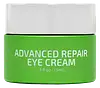
This anti-aging eye moisturizer is formulated around Dipeptide-2 and Palmitoyl Tetrapeptide-7 to soften the look of wrinkles.
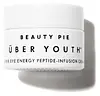
This anti-aging eye moisturizer is formulated around Caffeine and Palmitoyl Tripeptide-5 to soften the look of wrinkles and refine skin texture.

What's inside
What's inside
 Key Ingredients
Benefits
Concerns
Ingredients Side-by-side
Water
Skin ConditioningGlycerin
Humectant


Isopropyl Palmitate
Emollient




Helianthus Annuus Seed Oil
Emollient
Dimethicone
Emollient
Propanediol
Solvent
Glycol Distearate
Emollient
Stearyl Alcohol
Emollient
Cetyl Alcohol
Emollient
N-Hydroxysuccinimide
Skin ConditioningDipeptide-2
Skin Conditioning

Palmitoyl Tetrapeptide-7
Skin Conditioning
Palmitoyl Tripeptide-1
Skin Conditioning
Chrysin
Skin ConditioningTocopheryl Acetate
Antioxidant


Simmondsia Chinensis Seed Oil
Emollient
Prunus Amygdalus Dulcis Oil
Skin Conditioning
Caffeine
Skin Conditioning
1,2-Hexanediol
Skin Conditioning
Oleic Acid
Emollient
Stearic Acid
Cleansing
Potassium Cetyl Phosphate
EmulsifyingIsostearyl Isostearate
Emollient
Cetyl Stearate
Emollient
Acrylates/C10-30 Alkyl Acrylate Crosspolymer
Emulsion StabilisingTerminalia Arjuna Extract
Skin ConditioningAllantoin
Skin Conditioning
Steareth-20
CleansingHesperidin Methyl Chalcone
Antioxidant
Caprylhydroxamic Acid
ChelatingFucus Vesiculosus Extract
Emollient
Trisodium Ethylenediamine Disuccinate
ChelatingSodium Hydroxide
BufferingLecithin
Emollient
Hexylene Glycol
EmulsifyingPalmitoyl Tripeptide-5
Skin Conditioning
Caprylyl Glycol
Emollient
Chlorhexidine Digluconate
Antimicrobial
Xanthan Gum
EmulsifyingPotassium Sorbate
Preservative
Water, Glycerin, Isopropyl Palmitate, Helianthus Annuus Seed Oil, Dimethicone, Propanediol, Glycol Distearate, Stearyl Alcohol, Cetyl Alcohol, N-Hydroxysuccinimide, Dipeptide-2, Palmitoyl Tetrapeptide-7, Palmitoyl Tripeptide-1, Chrysin, Tocopheryl Acetate, Simmondsia Chinensis Seed Oil, Prunus Amygdalus Dulcis Oil, Caffeine, 1,2-Hexanediol, Oleic Acid, Stearic Acid, Potassium Cetyl Phosphate, Isostearyl Isostearate, Cetyl Stearate, Acrylates/C10-30 Alkyl Acrylate Crosspolymer, Terminalia Arjuna Extract, Allantoin, Steareth-20, Hesperidin Methyl Chalcone, Caprylhydroxamic Acid, Fucus Vesiculosus Extract, Trisodium Ethylenediamine Disuccinate, Sodium Hydroxide, Lecithin, Hexylene Glycol, Palmitoyl Tripeptide-5, Caprylyl Glycol, Chlorhexidine Digluconate, Xanthan Gum, Potassium Sorbate
Water
Skin ConditioningGlycerin
Humectant
Butylene Glycol
Humectant
Caprylic/Capric Triglyceride
Masking
Coco-Caprylate/Caprate
Emollient
Sorbitan Stearate
Emulsifying
Butyrospermum Parkii Butter
Skin Conditioning
Cetyl Alcohol
Emollient
Cellulose
Absorbent
Polysorbate 60
Emulsifying
Saccharide Isomerate
Humectant
Carbomer
Emulsion StabilisingDimethicone
Emollient
Phenoxyethanol
Preservative
Ethylhexylglycerin
Skin ConditioningPotassium Sorbate
Preservative
Steareth-21
CleansingCaffeine
Skin Conditioning
Chondrus Crispus Powder
Abrasive
Sorbitan Caprylate
EmulsifyingSodium Hydroxide
BufferingCI 77891
Cosmetic ColorantBisabolol
Antioxidant
Sodium Carboxymethyl Beta-Glucan
CleansingPalmitoyl Tripeptide-5
Skin Conditioning
PEG-8
HumectantChlorella Vulgaris Extract
Skin ConditioningCitric Acid
Buffering
Sodium Citrate
BufferingTocopherol
Antioxidant
Rubus Idaeus Leaf Cell Culture
Skin ConditioningColeus Forskohlii Callus Extract
Skin ConditioningAscorbyl Palmitate
Antioxidant
Ascorbic Acid
Antioxidant
Water, Glycerin, Butylene Glycol, Caprylic/Capric Triglyceride, Coco-Caprylate/Caprate, Sorbitan Stearate, Butyrospermum Parkii Butter, Cetyl Alcohol, Cellulose, Polysorbate 60, Saccharide Isomerate, Carbomer, Dimethicone, Phenoxyethanol, Ethylhexylglycerin, Potassium Sorbate, Steareth-21, Caffeine, Chondrus Crispus Powder, Sorbitan Caprylate, Sodium Hydroxide, CI 77891, Bisabolol, Sodium Carboxymethyl Beta-Glucan, Palmitoyl Tripeptide-5, PEG-8, Chlorella Vulgaris Extract, Citric Acid, Sodium Citrate, Tocopherol, Rubus Idaeus Leaf Cell Culture, Coleus Forskohlii Callus Extract, Ascorbyl Palmitate, Ascorbic Acid
Reviews
Ingredients Explained
These ingredients are found in both products.
Ingredients higher up in an ingredient list are typically present in a larger amount.
Caffeine is a naturally occurring plant compound found in coffee beans, tea leaves, cocoa pods, and guarana.
As an antioxidant, caffeine protects your skin from free radical damage caused by UV exposure and envionrmnetal stressors.
Early research also shows that caffeine can help calm redness, soothe irritated skin, and support hair growth by stimulating microcirculation in the scalp.
You might have seen eye creams marketing caffeine as a depuffing ingredient. This is because it is a vasoconstrictor meaning it can temporarily constrict blood vessels, though clinical evidence for this specific use is still limited.
Most skincare products contain this ingredient at concentrations between 1-6%. It is able to penetrate skin easily regardless of skin type or thickness.
Just so you know, a very small number of case reports describe caffeine-induced allergy. This ingredient is generally well-tolerated, non-irritating, and non-sensitizing for the majority of people.
Learn more about CaffeineCetyl Alcohol is a fatty alcohol. Fatty Alcohols are most often used as an emollient or to thicken a product.
Its main roles are:
Though it has "alcohol" in the name, it is not related to denatured alcohol or ethyl alcohol.
The FDA allows products labeled "alcohol-free" to have fatty alcohols.
This ingredient may not be fungal acne safe. It is a primary fatty alcohol with a chain length above 12 carbons. A study from 2019 show Malassezia can feed on fatty alcohols in this range, so it may trigger fungal acne in those prone to it.
Learn more about Cetyl AlcoholDimethicone is a type of synthetic silicone created from natural materials such as quartz. It is also known as polydimethylsiloxane.
What it does:
Dimethicone comes in different viscosities:
Depending on the viscosity, dimethicone has different properties.
Ingredients lists don't always show which type is used, so we recommend reaching out to the brand if you have questions about the viscosity.
This ingredient is unlikely to cause irritation because it does not get absorbed into skin. However, people with silicone allergies should be careful about using this ingredient.
Note: Dimethicone may contribute to pilling. This is because it is not oil or water soluble, so pilling may occur when layered with products. When mixed with heavy oils in a formula, the outcome is also quite greasy.
Learn more about DimethiconeGlycerin (or glycerol) is a compound naturally found in your skin. It's a powerhouse humectant that pulls water into the stratum corneum.
Topically, glycerin does several things at once:
Your skin makes glycerin on its own (mostly from sebaceous oil breakdown) and shuttles it to your outermost layer of skin, or your epidermis, via aquaporin-3.
Aquaporin-3 is a transporter that is essential for normal skin hydration, elasticity, and repair. Interestingly, mice lacking in AQP3 have dry and less elastic skin that can be fully corrected with glycerin.
This ingredient is non-irritating, plays well with almost every ingredient, and works across all skin types. Typical use is anywhere between 3-10% but can go up to 79% in some leave-on products.
Just know very high concentrations (>40%) can feel tacky in low humidity.
Glycerin is the name for this ingredient in American English. British English uses Glycerol/Glycerine.
Learn more about GlycerinPalmitoyl Tripeptide-5 is a synthetic signal lipopeptide. This just means it is a three amino acid chain bolted onto a palmitic acid tail so it can slip through the skin's lipid barrier.
This peptide has a "build more, lose less" approach.
It's designed to mimic the collagen-stimulating activity in your skin by copying a snippet of one of your skin's own matrix proteins. This nudges fibroblasts into making more collagen while inhibiting the enzyme that breaks down skin protein.
The manufacturer's in vivo study of 45 volunteers found 1% and 2.5% reduced the appearance of wrinkles by 7% and 12% respectively, after using it twice daily for 84 days.
This is in the expected range for peptides; they're slow and cumulative actives and not overnight fixers.
Typical use levels range from 1-3% and this ingredient gets along with pretty much everything.
On the fungal acne front:
Although palmitic acid sits in the chain length that Malassezia can feed on, this ingredient has it locked in an amine bond. This makes it hard for Malassezia to access as a source of food, and therefore fungal acne safe.
Potassium Sorbate is a preservative used to prevent yeast and mold in products. It is commonly found in both cosmetic and food products.
This ingredient comes from potassium salt derived from sorbic acid. Sorbic acid is a natural antibiotic and effective against fungus.
Both potassium sorbate and sorbic acid can be found in baked goods, cheeses, dried meats, dried fruit, ice cream, pickles, wine, yogurt, and more.
You'll often find this ingredient used with other preservatives.
Learn more about Potassium SorbateSodium Hydroxide is also known as lye or caustic soda. It is used to adjust the pH of products; many ingredients require a specific pH to be effective.
In small amounts, sodium hydroxide is considered safe to use. However, large amounts may cause chemical burns due to its high alkaline.
Your skin has a natural pH and acid mantle. This acid mantle helps prevent harmful bacteria from breaking through. The acid mantle also helps keep your skin hydrated.
"Alkaline" refers to a high pH level. A low pH level would be considered acidic.
Learn more about Sodium HydroxideWater. It's the most common cosmetic ingredient of all. You'll usually see it at the top of ingredient lists, meaning that it makes up the largest part of the product.
So why is it so popular? Water most often acts as a solvent - this means that it helps dissolve other ingredients into the formulation.
You'll also recognize water as that liquid we all need to stay alive. If you see this, drink a glass of water. Remember to stay hydrated!
Learn more about Water

