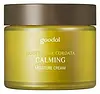
This calming moisturizer is formulated around Houttuynia Cordata Extract and Panthenol to calm redness and hydrate skin.
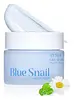
This calming moisturizer is formulated around Snail Secretion Filtrate and Niacinamide to calm redness and strengthen the skin barrier.

What's inside
What's inside
 Key Ingredients
Benefits
Concerns
Ingredients Side-by-side
Houttuynia Cordata Extract
Skin Conditioning

Water
Skin ConditioningC13-16 Isoalkane
SolventBetaine
Humectant

Butylene Glycol
Humectant
C12-14 Isoparaffin
Solvent
Pentylene Glycol
Skin Conditioning
Glycerin
Humectant
Citrus Aurantium Dulcis Peel Oil
Masking

Melia Azadirachta Flower Extract
Skin ConditioningMelia Azadirachta Leaf Extract
Skin ConditioningCurcuma Longa Root Extract
Antioxidant

Ocimum Sanctum Leaf Extract
Skin ConditioningTheobroma Cacao Seed Extract
Antioxidant
Lavandula Angustifolia Oil
Masking

Ocimum Basilicum Oil
Masking
Corallina Officinalis Extract
Skin Conditioning
Centella Asiatica Leaf Extract
Skin Conditioning
Hydrogenated Polydecene
EmollientVinyldimethicone

Caprylyl Methicone
Skin Conditioning
Hydroxyethyl Acrylate/Sodium Acryloyldimethyl Taurate Copolymer
Emulsion StabilisingPanthenol
Skin Conditioning
Acrylates/C10-30 Alkyl Acrylate Crosspolymer
Emulsion StabilisingDimethicone/Vinyl Dimethicone Crosspolymer
Skin Conditioning
Dimethiconol
Emollient
Tromethamine
BufferingDipotassium Glycyrrhizate
Humectant
Glyceryl Acrylate/Acrylic Acid Copolymer
HumectantEthylhexylglycerin
Skin Conditioning1,2-Hexanediol
Skin Conditioning
Silica
Abrasive


Madecassoside
Antioxidant
Dextrin
AbsorbentAsiaticoside
Antioxidant
Tocopherol
Antioxidant


Xanthan Gum
EmulsifyingDisodium EDTA
Houttuynia Cordata Extract, Water, C13-16 Isoalkane, Betaine, Butylene Glycol, C12-14 Isoparaffin, Pentylene Glycol, Glycerin, Citrus Aurantium Dulcis Peel Oil, Melia Azadirachta Flower Extract, Melia Azadirachta Leaf Extract, Curcuma Longa Root Extract, Ocimum Sanctum Leaf Extract, Theobroma Cacao Seed Extract, Lavandula Angustifolia Oil, Ocimum Basilicum Oil, Corallina Officinalis Extract, Centella Asiatica Leaf Extract, Hydrogenated Polydecene, Vinyldimethicone, Caprylyl Methicone, Hydroxyethyl Acrylate/Sodium Acryloyldimethyl Taurate Copolymer, Panthenol, Acrylates/C10-30 Alkyl Acrylate Crosspolymer, Dimethicone/Vinyl Dimethicone Crosspolymer, Dimethiconol, Tromethamine, Dipotassium Glycyrrhizate, Glyceryl Acrylate/Acrylic Acid Copolymer, Ethylhexylglycerin, 1,2-Hexanediol, Silica, Madecassoside, Dextrin, Asiaticoside, Tocopherol, Xanthan Gum, Disodium EDTA
Water
Skin ConditioningButylene Glycol
Humectant
Snail Secretion Filtrate
Skin Conditioning
Caprylic/Capric Triglyceride
Masking
Betaine
Humectant
Niacinamide
Smoothing

1,2-Hexanediol
Skin Conditioning
Arginine
Masking
Adenosine
Skin Conditioning
Sodium Hyaluronate
Humectant
Melia Azadirachta Leaf Extract
Skin ConditioningEclipta Prostrata Extract
Skin Conditioning
Melia Azadirachta Flower Extract
Skin ConditioningCentella Asiatica Extract
Cleansing
Glycyrrhiza Glabra Root Extract
Bleaching
Simmondsia Chinensis Seed Oil
Emollient

Moringa Oleifera Seed Oil
Emollient
Dipotassium Glycyrrhizate
Humectant
Curcuma Longa Root Extract
Antioxidant
Corallina Officinalis Extract
Skin Conditioning
Ocimum Sanctum Leaf Extract
Skin ConditioningChamomilla Recutita Flower Extract
Masking
Guaiazulene
Antimicrobial
Cetearyl Alcohol
Emollient


Cetearyl Olivate
Sorbitan Olivate
Emulsifying
Carbomer
Emulsion StabilisingDipropylene Glycol
HumectantDimethicone
Emollient
Hydroxyacetophenone
Antioxidant
Caprylyl Glycol
Emollient
Sodium Polyacrylate
Absorbent
Coccinia Indica Fruit Extract
Skin Conditioning
Solanum Melongena Fruit Extract
Skin ConditioningAloe Barbadensis Flower Extract
EmollientWater, Butylene Glycol, Snail Secretion Filtrate, Caprylic/Capric Triglyceride, Betaine, Niacinamide, 1,2-Hexanediol, Arginine, Adenosine, Sodium Hyaluronate, Melia Azadirachta Leaf Extract, Eclipta Prostrata Extract, Melia Azadirachta Flower Extract, Centella Asiatica Extract, Glycyrrhiza Glabra Root Extract, Simmondsia Chinensis Seed Oil, Moringa Oleifera Seed Oil, Dipotassium Glycyrrhizate, Curcuma Longa Root Extract, Corallina Officinalis Extract, Ocimum Sanctum Leaf Extract, Chamomilla Recutita Flower Extract, Guaiazulene, Cetearyl Alcohol, Cetearyl Olivate, Sorbitan Olivate, Carbomer, Dipropylene Glycol, Dimethicone, Hydroxyacetophenone, Caprylyl Glycol, Sodium Polyacrylate, Coccinia Indica Fruit Extract, Solanum Melongena Fruit Extract, Aloe Barbadensis Flower Extract
Ingredients Explained
These ingredients are found in both products.
Ingredients higher up in an ingredient list are typically present in a larger amount.
1,2-Hexanediol is a synthetic liquid and another multi-functional powerhouse.
It is a:
- Humectant, drawing moisture into the skin
- Emollient, helping to soften skin
- Solvent, dispersing and stabilizing formulas
- Preservative booster, enhancing the antimicrobial activity of other preservatives
Betaine is a humectant. Like hyaluronic acid, it helps attract and retain moisture in the skin. It’s known for being gentle and for helping the skin maintain balanced hydration.
Betaine is mainly used to improve hydration and support calmer skin. It helps skin cells regulate water balance because it functions as an osmolyte.
Some studies suggest betaine may support making skin tone more even.
Fun fact: Betaine naturally exists in the skin and the body. In cosmetic products, it can be either plant-derived (most commonly from sugar beets) or synthetically produced for consistency and stability.
Betaine is also known as trimethylglycine.
Learn more about BetaineButylene Glycol (or BG) is used within cosmetic products for a few different reasons:
Overall, Butylene Glycol is a safe and well-rounded ingredient that works well with other ingredients.
Though this ingredient works well with most skin types, some people with sensitive skin may experience a reaction such as allergic rashes, closed comedones, or itchiness.
Learn more about Butylene GlycolCorallina Officinalis Extract is from the red seaweed, Corallina Officinalis. This seaweed is found all over the world but is most common in the rocky shores of Great Britain and Ireland.
Corallina Officinalis Extract contains antioxidant and emollient properties.
Extracted polysaccharides, galactose and xylose, in red algae showed antioxidant activity. Antioxidants help with anti-aging by neutralizing free-radical molecules. Free-radical molecules may damage your skin cells and DNA. Galactose is also a PHA.
Corallina Officinalis is structurally similar to coral due to its high calcium content.
Learn more about Corallina Officinalis ExtractCurcuma Longa Root Extract comes from the rhizome (underground stem) of the turmeric plant.
While the official EU Cosing Database lists this ingredient as a fragrance, it actually does more than give products a scent.
This ingredient contains a group of yellow pigments called curcuminoids (mostly curcumin) that give it genuine antioxidant and anti-inflammatory activity in skin.
Reviews of topical clinical studies have found turmeric/curcumin to be generally well-tolerated and useful across conditions like eczema and mild inflammation.
One thing working in its favor is that curcumin barely penetrates; in lab skin-permeation testing, the curcuminoids mostly stayed in the outermost layer of skin. This is a good thing because its soothing and antioxidant activity is a surface-level job anyway.
At this time, industry data shows there's no single "correct" cosmetic percentage. It's used across a wide range depending on the product and varies from tiny fractions of a percent up to a few percent.
Allergy-wise, curcumin is a documented (but uncommon) contact allergen. It can also cross react with related plants, so anyone with a turmeric/ginger/cinnamon allergy or reactive skin should patch test first.
Learn more about Curcuma Longa Root ExtractDipotassium Glycyrrhizate comes from licorice root.
Extracts of licorice have demonstrated to have antibacterial, anti‐inflammatory, antiviral, antioxidant properties.
One component, glabridin, has extra potent antioxidant and soothing properties. It has also been found to block pigmentation from UVB rays in guinea pigs.
Licorice Root also contains a flavonoid. Flavonoids are a natural substance from in plants. Flavonoids also have antioxidant properties.
Another component, glycyrrhizin, has been found to have anti-inflammatory and antimicrobial benefits. This may make licorice root extract effective at treating acne. However, more research is needed to support this.
Liquiritin is one of the flavone compounds found in licorice. It has been found to help lighten skin by preventing tyrosinase from reacting with tyrosine. When the two react, protein is converted to melanin. Melanin is the substance in your body that gives your features pigmentation.
Licorice root is native to Southern Europe and Asia. It has been used in traditional Chinese medicine to help with respiratory issues.
Learn more about Dipotassium GlycyrrhizateMelia Azadirachta Flower Extract is from the Neem tree. Neem trees originate from India.
Melia Azadirachta Flower Extract contains antioxidants. Antioxidants help fight free-radicals. Free-radicals are molecules that may damage your skin cells, such as pollution.
The flowers of this tree are lilac colored.
Learn more about Melia Azadirachta Flower ExtractThis ingredient is also known as neem leaf extract. It contains natural compounds like nimbidin, quercetin, and other polyphenols that give it antibacterial, antifungal, and anti-inflammatory activity.
Lab studies have shown neem leaf extract can inhibit acne-related bacteria and help calm skin. Animal studies on wound gels using 1-3% neem leaf extract found it sped up healing without causing irritation.
A wound-healing study testing gels with the extract at 1%, 2%, and 3% concentrations and found none of them irritated the skin.
Most commercial products also use it in a similar low range (typically under 5%).
Allergy-wise, there are some case reports on neem oil causing allergic contact dermatitis so people with plant/botanical sensitivities may want to patch test first.
Learn more about Melia Azadirachta Leaf ExtractOcimum Sanctum Leaf Extract comes from the Holy Basil plant. Holy Basil is native to India.
Holy Basil is rich in antioxidants due to its high romarinic acid, ferulic acid, and rutin content. This gives it skin brightening and soothing properties.
While Holy Basil has many claims to help fight acne, more research is needed.
One thing to note is the presence of tannins; tannins are naturally found in nature. However, this compound may be skin-sensitizing.
Learn more about Ocimum Sanctum Leaf ExtractWater. It's the most common cosmetic ingredient of all. You'll usually see it at the top of ingredient lists, meaning that it makes up the largest part of the product.
So why is it so popular? Water most often acts as a solvent - this means that it helps dissolve other ingredients into the formulation.
You'll also recognize water as that liquid we all need to stay alive. If you see this, drink a glass of water. Remember to stay hydrated!
Learn more about Water

