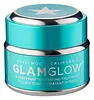
This wash off mask is made with Saccharide Isomerate and Sodium Hyaluronate for a rinse-off hydration boost.
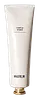
This barrier-repair moisturizer is formulated around Panthenol and Simmondsia Chinensis Seed Oil to strengthen the skin barrier and hydrate skin.

What's inside
What's inside
 Key Ingredients
Benefits
Concerns
Ingredients Side-by-side
Water
Skin ConditioningCaprylic/Capric Triglyceride
Masking


Glycerin
Humectant
Butylene Glycol
Humectant
Cyclopentasiloxane
Emollient
Glyceryl Polymethacrylate
Pyrus Malus Fruit Extract
Skin Conditioning
PEG-8
HumectantGlyceryl Stearate
Emollient

PEG-100 Stearate
Surfactant
Cetearyl Alcohol
Emollient



Sodium Polyacryloyldimethyl Taurate
Emulsion StabilisingSaccharide Isomerate
Humectant
Caprylyl Glycol
Emollient
Olea Europaea Leaf Powder
Abrasive
Avena Sativa Bran Extract
Abrasive
Hydrogenated Polydecene
EmollientPolysorbate 60
Emulsifying
Cetyl Alcohol
Emollient
Zingiber Officinale Root Extract
Masking
Menthoxypropanediol
Masking
Mel
EmollientAminomethyl Propanol
BufferingCamellia Sinensis Leaf Powder
Acrylates/C10-30 Alkyl Acrylate Crosspolymer
Emulsion StabilisingEthylhexylglycerin
Skin ConditioningTocopheryl Acetate
Antioxidant


Allantoin
Skin Conditioning
Kaolin
Abrasive


Hexylene Glycol
EmulsifyingButeth-3
SolventTrideceth-10
CleansingBenzophenone-4
UV Absorber
Sodium Benzotriazolyl Butylphenol Sulfonate
UV AbsorberCocos Nucifera Fruit Extract
Emollient
Sodium Hyaluronate
Humectant

Alcohol
Antimicrobial

Tris(Tetramethylhydroxypiperidinol)Citrate
StabilisingParfum
Masking

Coumarin
Perfuming
Linalool
Perfuming
Tetrahexyldecyl Ascorbate
Antioxidant

Disodium EDTA
Sodium Benzoate
Masking
Potassium Sorbate
Preservative
Phenoxyethanol
Preservative
Water, Caprylic/Capric Triglyceride, Glycerin, Butylene Glycol, Cyclopentasiloxane, Glyceryl Polymethacrylate, Pyrus Malus Fruit Extract, PEG-8, Glyceryl Stearate, PEG-100 Stearate, Cetearyl Alcohol, Sodium Polyacryloyldimethyl Taurate, Saccharide Isomerate, Caprylyl Glycol, Olea Europaea Leaf Powder, Avena Sativa Bran Extract, Hydrogenated Polydecene, Polysorbate 60, Cetyl Alcohol, Zingiber Officinale Root Extract, Menthoxypropanediol, Mel, Aminomethyl Propanol, Camellia Sinensis Leaf Powder, Acrylates/C10-30 Alkyl Acrylate Crosspolymer, Ethylhexylglycerin, Tocopheryl Acetate, Allantoin, Kaolin, Hexylene Glycol, Buteth-3, Trideceth-10, Benzophenone-4, Sodium Benzotriazolyl Butylphenol Sulfonate, Cocos Nucifera Fruit Extract, Sodium Hyaluronate, Alcohol, Tris(Tetramethylhydroxypiperidinol)Citrate, Parfum, Coumarin, Linalool, Tetrahexyldecyl Ascorbate, Disodium EDTA, Sodium Benzoate, Potassium Sorbate, Phenoxyethanol
Water
Skin ConditioningPentylene Glycol
Skin Conditioning
C15-19 Alkane
SolventGlycerin
Humectant
Polyglyceryl-6 Stearate
Emollient
Cetearyl Alcohol
Emollient
Panthenol
Skin Conditioning
Simmondsia Chinensis Seed Oil
Emollient
Squalane
Emollient
Propanediol
Solvent
Sodium Hyaluronate
Humectant
Gluconolactone
Skin Conditioning
Alpha-Glucan Oligosaccharide
Cleansing
Tocopherol
Antioxidant
Xanthan Gum
EmulsifyingPolyglyceryl-6 Behenate
Emulsion Stabilising
Ascorbyl Glucoside
Antioxidant
Sodium Benzoate
Masking
Butyrospermum Parkii Butter
Skin Conditioning
Althaea Officinalis Root Extract
Skin Conditioning
Alpinia Speciosa Leaf Extract
Skin ConditioningPolygonum Fagopyrum Seed Extract
Skin ConditioningCalcium Gluconate
HumectantPotassium Sorbate
Preservative
Sodium Hydroxide
BufferingWater, Pentylene Glycol, C15-19 Alkane, Glycerin, Polyglyceryl-6 Stearate, Cetearyl Alcohol, Panthenol, Simmondsia Chinensis Seed Oil, Squalane, Propanediol, Sodium Hyaluronate, Gluconolactone, Alpha-Glucan Oligosaccharide, Tocopherol, Xanthan Gum, Polyglyceryl-6 Behenate, Ascorbyl Glucoside, Sodium Benzoate, Butyrospermum Parkii Butter, Althaea Officinalis Root Extract, Alpinia Speciosa Leaf Extract, Polygonum Fagopyrum Seed Extract, Calcium Gluconate, Potassium Sorbate, Sodium Hydroxide
Ingredients Explained
These ingredients are found in both products.
Ingredients higher up in an ingredient list are typically present in a larger amount.
Cetearyl alcohol is a waxy mixture of two fatty alcohols: cetyl alcohol and stearyl alcohol. It is an emollient and emulsifier.
Despite having "alcohol" in its name, it has nothing to do with drying solvent alcohols; the FDA also allows "alcohol-free" products to contain fatty alcohols like this ingredient.
It plays several roles in a formula:
Typical use levels for this ingredient sit around 1-10% and the Cosmetic Ingredient Review Expert Panel has affirmed safety at concentrations up to 25% in leave-on products.
Multiple assessments have found it to be non-irritating and non-sensitizing to most people.
However, there have been some cases of allergic contact dermatitis in patients with chronically compromised skin barriers.
Cetearyl alcohol has a comedogenic rating of 2 and irritancy rating of 1. Both of these numbers come from the 1989 study that used rabbit ears; a "2" means mildly comedogenic and a "1" means low irritancy.
Here's the catch: rabbit skin is more sensitive than human skin and throws a lot of false positives. A 1996 reappraisal found that ingredients rated 1-2 in the rabbit ear tests are generally safe for humans.
Remember comedogenic ratings are unable to assess the entire formula of a product or how it will react on your skin. Just be sure to patch test if you are unsure about certain ingredients.
This ingredient is not fungal acne safe. Cetearyl alcohol is a fatty alcohol with chain lengths that fall within the range that Malassezia can metabolize.
A 2019 study has also observed Malassezia growth in the presence of this ingredient, confirming it to be not-fungal acne safe.
Learn more about Cetearyl AlcoholGlycerin (or glycerol) is a compound naturally found in your skin. It's a powerhouse humectant that pulls water into the stratum corneum.
Topically, glycerin does several things at once:
Your skin makes glycerin on its own (mostly from sebaceous oil breakdown) and shuttles it to your outermost layer of skin, or your epidermis, via aquaporin-3.
Aquaporin-3 is a transporter that is essential for normal skin hydration, elasticity, and repair. Interestingly, mice lacking in AQP3 have dry and less elastic skin that can be fully corrected with glycerin.
This ingredient is non-irritating, plays well with almost every ingredient, and works across all skin types. Typical use is anywhere between 3-10% but can go up to 79% in some leave-on products.
Just know very high concentrations (>40%) can feel tacky in low humidity.
Glycerin is the name for this ingredient in American English. British English uses Glycerol/Glycerine.
Learn more about GlycerinPotassium Sorbate is a preservative used to prevent yeast and mold in products. It is commonly found in both cosmetic and food products.
This ingredient comes from potassium salt derived from sorbic acid. Sorbic acid is a natural antibiotic and effective against fungus.
Both potassium sorbate and sorbic acid can be found in baked goods, cheeses, dried meats, dried fruit, ice cream, pickles, wine, yogurt, and more.
You'll often find this ingredient used with other preservatives.
Learn more about Potassium SorbateSodium Benzoate is a preservative. It's used in both cosmetic and food products to inhibit the growth of mold and bacteria. It is typically produced synthetically.
Both the US FDA and EU Health Committee have approved the use of sodium benzoate. In the US, levels of 0.1% (of the total product) are allowed.
Sodium benzoate works as a preservative by inhibiting the growth of bacteria inside of cells. It prevents the cell from fermenting a type of sugar using an enzyme called phosphofructokinase.
It is the salt of benzoic acid. Foods containing sodium benzoate include soda, salad dressings, condiments, fruit juices, wines, and snack foods.
Studies for using ascorbic acid and sodium benzoate in cosmetics are lacking, especially in skincare routines with multiple steps.
We always recommend speaking with a professional, such as a dermatologist, if you have any concerns.
Learn more about Sodium BenzoateSodium Hyaluronate is the salt form of hyaluronic acid. It is a long sugar chain that is naturally found in your skin, joints, and connective tissue that maintains hydration and elasticity.
In skincare, it works as a humectant. It pulls water from the environment and deeper layers of skin and binds it to the surface.
Interestingly, the size of the molecule affects its behavior:
Some clinical evidence links low molecular weight versions to improved wrinkle depth, elasticity, anti-inflammatory effects, and barrier repair.
Many serums use a blend of both weights so you can get surface hydration plus longer-lasting and deeper effects.
You'll typically see concentrations between 0.1-2% for this ingredient.
Learn more about Sodium HyaluronateWater. It's the most common cosmetic ingredient of all. You'll usually see it at the top of ingredient lists, meaning that it makes up the largest part of the product.
So why is it so popular? Water most often acts as a solvent - this means that it helps dissolve other ingredients into the formulation.
You'll also recognize water as that liquid we all need to stay alive. If you see this, drink a glass of water. Remember to stay hydrated!
Learn more about Water

