Glad2Glow PDRN Niacinamide + TXA Brightening Moisturizer Versus The Originote Cica-B5 Soothing Moisturizer
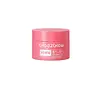
This brightening moisturizer is formulated around Niacinamide and Tranexamic Acid to brighten dull-looking skin and fade the look of dark spots.
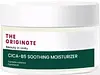
This calming moisturizer is formulated around Centella Asiatica Leaf Extract and Panthenol to calm redness and strengthen the skin barrier.


What's inside
What's inside
 Key Ingredients
Benefits
Concerns
No concerns
Ingredients Side-by-side
Water
Skin ConditioningNiacinamide
Smoothing











Propanediol
Solvent
Pentylene Glycol
Skin Conditioning
Panthenol
Skin Conditioning
C15-19 Alkane
SolventDimethicone
Emollient
Cyclopentasiloxane
Emollient
Dipropylene Glycol
HumectantTranexamic Acid
Astringent
Sodium DNA
Skin Conditioning
Phellodendron Amurense Bark Extract
Skin ConditioningCyanocobalamin
Skin Conditioning1,2-Hexanediol
Skin Conditioning
Cyclohexasiloxane
Emollient
Ethylhexylglycerin
Skin ConditioningButylene Glycol
Humectant
Hydroxypropyl Starch Phosphate
Carbomer
Emulsion StabilisingDisodium EDTA
ChelatingSodium Hydroxide
BufferingHydroxyacetophenone
Antioxidant
Ammonium Acryloyldimethyltaurate/Beheneth-25 Methacrylate Crosspolymer
Emulsion StabilisingAroma


CI 17200
Cosmetic ColorantCI 16035
Cosmetic ColorantCI 19140
Cosmetic ColorantWater, Niacinamide, Propanediol, Pentylene Glycol, Panthenol, C15-19 Alkane, Dimethicone, Cyclopentasiloxane, Dipropylene Glycol, Tranexamic Acid, Sodium DNA, Phellodendron Amurense Bark Extract, Cyanocobalamin, 1,2-Hexanediol, Cyclohexasiloxane, Ethylhexylglycerin, Butylene Glycol, Hydroxypropyl Starch Phosphate, Carbomer, Disodium EDTA, Sodium Hydroxide, Hydroxyacetophenone, Ammonium Acryloyldimethyltaurate/Beheneth-25 Methacrylate Crosspolymer, Aroma, CI 17200, CI 16035, CI 19140
Centella Asiatica Leaf Extract
Skin Conditioning
Glycerin
Humectant
Butylene Glycol
Humectant
Water
Skin Conditioning1,2-Hexanediol
Skin Conditioning
Hydroxyacetophenone
Antioxidant
Acrylates/C10-30 Alkyl Acrylate Crosspolymer
Emulsion StabilisingTriethanolamine
BufferingDiglycerin
Humectant
Panthenol
Skin Conditioning
Propanediol
Solvent
Paeonia Suffruticosa Root Extract
Skin ProtectingAllantoin
Skin Conditioning
Adenosine
Skin Conditioning
Tremella Fuciformis Polysaccharide
Emulsion Stabilising
Glycyrrhiza Uralensis Root Extract
Skin Conditioning
Portulaca Oleracea Flower/Leaf/Stem Extract
Antioxidant
Paeonia Lactiflora Extract
AstringentChrysanthemum Parthenium Extract
Skin ConditioningCamellia Sinensis Extract
Antioxidant
Propylene Glycol
Humectant

Dianthus Chinensis Extract
HumectantPentylene Glycol
Skin Conditioning
Artemisia Argyi Leaf Extract
Skin ConditioningGlucose
Humectant
Centella Asiatica Extract
Cleansing
Sodium Hyaluronate
Humectant
Caprylhydroxamic Acid
ChelatingMaltodextrin
Absorbent
Phenoxyethanol
Preservative
Caprylic/Capric Triglyceride
Masking
PEG-40 Hydrogenated Castor Oil
Emulsifying

Lecithin
Emollient
Magnolol
Antioxidant
Madecassoside
Antioxidant
Hydrogenated Lecithin
Emulsifying
Ethylhexylglycerin
Skin ConditioningAsiaticoside
Antioxidant
Hexylene Glycol
EmulsifyingStearic Acid
Cleansing
Cholesterol
Emollient
Ceramide NP
Skin Conditioning
Bisabolol
Antioxidant
Houttuynia Cordata Extract
Skin Conditioning
Centella Asiatica Leaf Extract, Glycerin, Butylene Glycol, Water, 1,2-Hexanediol, Hydroxyacetophenone, Acrylates/C10-30 Alkyl Acrylate Crosspolymer, Triethanolamine, Diglycerin, Panthenol, Propanediol, Paeonia Suffruticosa Root Extract, Allantoin, Adenosine, Tremella Fuciformis Polysaccharide, Glycyrrhiza Uralensis Root Extract, Portulaca Oleracea Flower/Leaf/Stem Extract, Paeonia Lactiflora Extract, Chrysanthemum Parthenium Extract, Camellia Sinensis Extract, Propylene Glycol, Dianthus Chinensis Extract, Pentylene Glycol, Artemisia Argyi Leaf Extract, Glucose, Centella Asiatica Extract, Sodium Hyaluronate, Caprylhydroxamic Acid, Maltodextrin, Phenoxyethanol, Caprylic/Capric Triglyceride, PEG-40 Hydrogenated Castor Oil, Lecithin, Magnolol, Madecassoside, Hydrogenated Lecithin, Ethylhexylglycerin, Asiaticoside, Hexylene Glycol, Stearic Acid, Cholesterol, Ceramide NP, Bisabolol, Houttuynia Cordata Extract
Reviews
Ingredients Explained
These ingredients are found in both products.
Ingredients higher up in an ingredient list are typically present in a larger amount.
1,2-Hexanediol is a synthetic liquid and another multi-functional powerhouse.
It is a:
- Humectant, drawing moisture into the skin
- Emollient, helping to soften skin
- Solvent, dispersing and stabilizing formulas
- Preservative booster, enhancing the antimicrobial activity of other preservatives
Butylene Glycol (or BG) is used within cosmetic products for a few different reasons:
Overall, Butylene Glycol is a safe and well-rounded ingredient that works well with other ingredients.
Though this ingredient works well with most skin types, some people with sensitive skin may experience a reaction such as allergic rashes, closed comedones, or itchiness.
Learn more about Butylene GlycolEthylhexylglycerin is created from glycerin. It is a multitasker ingredient that:
The CIR Expert Panel found minimal skin absorption or sensitization of any kind in a safety assessment. Though this ingredient is considered well-tolerated, a small number of cases of allergic dermatitis have been published since 2002. Just be sure to patch test if you are unsure.
Industry-reported use ranges from 8% in rinse-off products and 2% in leave-on formulations.
Learn more about EthylhexylglycerinHydroxyacetophenone is a small phenolic molecule that earns its place in a formulas as an antioxidant and preservative booster.
As a phenol, it is able to neutralize free radicals to protect both the product and the skin from oxidative stress.
Though it can't kill microbes on its own, it works as a good supporting agent when combined with other preservatives like Phenoxyethanol or 1,2-Hexanediol.
This ingredient naturally occurs as piceol in Norwegian spruce needles (~0.4-1.1% dry weight and in cloudberries). Though the cosmetic-grade material is synthesized for purity and consistency.
You'll usually see it used at low levels and suppliers recommend up to 1% added to a water phase.
Safety testing was done at concentrations like 0.05% in SPF products and 0.5% in a Human Repeated Insult Patch Test. The safety evidence is assuring; this ingredient is safe for cosmetics in current use and also holds safety status as a food flavoring as well.
An honest caveat: the "soothing" and "anti-inflammatory" claims come mostly from supplier marketing rather than published clinical trials. The Cosmetic Ingredient Review's own literature search found no useful efficacy studies on this ingredient.
So the antioxidant and preservative-boosting roles are the well supported ones while the calming benefit is plausible but thinly evidenced.
Overall, this is a well-tolerated, low-irritation multitasker that quietly helps a formula stay fresh and stable.
Learn more about HydroxyacetophenonePanthenol is a common ingredient that helps hydrate and soothe the skin. It is found naturally in our skin and hair.
There are two forms of panthenol: D and L.
D-panthenol is also known as dexpanthenol. Most cosmetics use dexpanthenol or a mixture of D and L-panthenol.
Panthenol is famous due to its ability to go deeper into the skin's layers. Using this ingredient has numerous pros (and no cons):
Like hyaluronic acid, panthenol is a humectant. Humectants are able to bind and hold large amounts of water to keep skin hydrated.
This ingredient works well for wound healing. It works by increasing tissue in the wound and helps close open wounds.
Once oxidized, panthenol converts to pantothenic acid. Panthothenic acid is found in all living cells.
This ingredient is also referred to as pro-vitamin B5.
Learn more about PanthenolPentylene Glycol (1,2-pentanediol) is a multitasking little diol with three main roles in a formula:
Research on alkanediols (the family pentylene glycol belongs to) show they work by disrupting microbial cell membranes. This disruption helps the primary preservative system in a product work more effectively at lower doses.
On the safety side, the Cosmetic Ingredient Review Expert Panel has concluded this ingredient to be safe as used in current cosmetic practices + concentrations.
Typical use levels in a formula run about 1-5%.
Learn more about Pentylene GlycolPropanediol is an all-star ingredient. It softens, hydrates, and smooths the skin.
It’s often used to:
Propanediol is not likely to cause sensitivity and considered safe to use. It is derived from corn or petroleum with a clear color and no scent.
Learn more about PropanediolWater. It's the most common cosmetic ingredient of all. You'll usually see it at the top of ingredient lists, meaning that it makes up the largest part of the product.
So why is it so popular? Water most often acts as a solvent - this means that it helps dissolve other ingredients into the formulation.
You'll also recognize water as that liquid we all need to stay alive. If you see this, drink a glass of water. Remember to stay hydrated!
Learn more about Water

