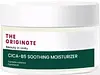
This calming moisturizer is formulated around Centella Asiatica Leaf Extract and Panthenol to calm redness and strengthen the skin barrier.
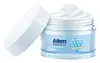
This barrier-repair moisturizer is formulated around Niacinamide and Sodium Hyaluronate to strengthen the skin barrier and hydrate skin.


What's inside
What's inside
 Key Ingredients
Benefits
Concerns
No concerns
Ingredients Side-by-side
Centella Asiatica Leaf Extract
Skin Conditioning



Glycerin
Humectant

Butylene Glycol
Humectant
Water
Skin Conditioning1,2-Hexanediol
Skin Conditioning
Hydroxyacetophenone
Antioxidant
Acrylates/C10-30 Alkyl Acrylate Crosspolymer
Emulsion StabilisingTriethanolamine
BufferingDiglycerin
Humectant
Panthenol
Skin Conditioning
Propanediol
Solvent
Paeonia Suffruticosa Root Extract
Skin ProtectingAllantoin
Skin Conditioning
Adenosine
Skin Conditioning
Tremella Fuciformis Polysaccharide
Emulsion Stabilising
Glycyrrhiza Uralensis Root Extract
Skin Conditioning
Portulaca Oleracea Flower/Leaf/Stem Extract
Antioxidant
Paeonia Lactiflora Extract
AstringentChrysanthemum Parthenium Extract
Skin ConditioningCamellia Sinensis Extract
Antioxidant
Propylene Glycol
Humectant

Dianthus Chinensis Extract
HumectantPentylene Glycol
Skin Conditioning
Artemisia Argyi Leaf Extract
Skin ConditioningGlucose
Humectant
Centella Asiatica Extract
Cleansing
Sodium Hyaluronate
Humectant
Caprylhydroxamic Acid
ChelatingMaltodextrin
Absorbent
Phenoxyethanol
Preservative
Caprylic/Capric Triglyceride
Masking
PEG-40 Hydrogenated Castor Oil
Emulsifying

Lecithin
Emollient
Magnolol
Antioxidant
Madecassoside
Antioxidant
Hydrogenated Lecithin
Emulsifying
Ethylhexylglycerin
Skin ConditioningAsiaticoside
Antioxidant
Hexylene Glycol
EmulsifyingStearic Acid
Cleansing
Cholesterol
Emollient
Ceramide NP
Skin Conditioning
Bisabolol
Antioxidant
Houttuynia Cordata Extract
Skin Conditioning
Centella Asiatica Leaf Extract, Glycerin, Butylene Glycol, Water, 1,2-Hexanediol, Hydroxyacetophenone, Acrylates/C10-30 Alkyl Acrylate Crosspolymer, Triethanolamine, Diglycerin, Panthenol, Propanediol, Paeonia Suffruticosa Root Extract, Allantoin, Adenosine, Tremella Fuciformis Polysaccharide, Glycyrrhiza Uralensis Root Extract, Portulaca Oleracea Flower/Leaf/Stem Extract, Paeonia Lactiflora Extract, Chrysanthemum Parthenium Extract, Camellia Sinensis Extract, Propylene Glycol, Dianthus Chinensis Extract, Pentylene Glycol, Artemisia Argyi Leaf Extract, Glucose, Centella Asiatica Extract, Sodium Hyaluronate, Caprylhydroxamic Acid, Maltodextrin, Phenoxyethanol, Caprylic/Capric Triglyceride, PEG-40 Hydrogenated Castor Oil, Lecithin, Magnolol, Madecassoside, Hydrogenated Lecithin, Ethylhexylglycerin, Asiaticoside, Hexylene Glycol, Stearic Acid, Cholesterol, Ceramide NP, Bisabolol, Houttuynia Cordata Extract
Water
Skin ConditioningNiacinamide
Smoothing




Glycerin
Humectant
Betaine
Humectant
Butylene Glycol
Humectant
Biosaccharide Gum-1
Humectant
Dimethicone
Emollient
Cyclopentasiloxane
Emollient
Carbomer
Emulsion StabilisingCyclohexasiloxane
Emollient
Bisabolol
Antioxidant
Aminomethyl Propanol
BufferingSodium Polyacrylate
Absorbent
Xanthan Gum
EmulsifyingDisodium EDTA
ChelatingSodium Hyaluronate
Humectant
Diethylhexyl Syringylidenemalonate
Skin Protecting
Trideceth-6
EmulsifyingPEG/PPG-18/18 Dimethicone
Emulsifying
Alpha-Glucan Oligosaccharide
Cleansing
Caprylic/Capric Triglyceride
Masking
Polymnia Sonchifolia Root Juice
Skin ConditioningMaltodextrin
Absorbent
Aspergillus Ferment
Skin ConditioningZingiber Officinale Root Extract
Masking
Lactobacillus
Skin ConditioningPhenoxyethanol
Preservative
Chlorphenesin
Antimicrobial
Water, Niacinamide, Glycerin, Betaine, Butylene Glycol, Biosaccharide Gum-1, Dimethicone, Cyclopentasiloxane, Carbomer, Cyclohexasiloxane, Bisabolol, Aminomethyl Propanol, Sodium Polyacrylate, Xanthan Gum, Disodium EDTA, Sodium Hyaluronate, Diethylhexyl Syringylidenemalonate, Trideceth-6, PEG/PPG-18/18 Dimethicone, Alpha-Glucan Oligosaccharide, Caprylic/Capric Triglyceride, Polymnia Sonchifolia Root Juice, Maltodextrin, Aspergillus Ferment, Zingiber Officinale Root Extract, Lactobacillus, Phenoxyethanol, Chlorphenesin
Reviews
Ingredients Explained
These ingredients are found in both products.
Ingredients higher up in an ingredient list are typically present in a larger amount.
Bisabolol is a gentle skin conditioner, antioxidant, and soothing ingredient.
It's primary claim to fame is soothing and research shows topically applied bisabolol can quiet the chemical messengers that cause your skin to become inflamed, helping to sooth any irritation.
A clinical study found that applying 0.5% bisabolol daily for 8 weeks produced an average 9% decrease in skin pigmentation. Researchers found it can also suppress the process that leads to excess melanin production in skin.
In vitro studies found that bisabolol combined with propylene glycol significantly increased skin permeability by increasing lipid fluidity in the stratum corneum.
You'll likely see use concentrations quite low, usually 0.1-0.2%.
Overall, this is a well-tolerated ingredient that works well in formulas designed for sensitive, reactive, or post-procedure skin.
Learn more about BisabololButylene Glycol (or BG) is used within cosmetic products for a few different reasons:
Overall, Butylene Glycol is a safe and well-rounded ingredient that works well with other ingredients.
Though this ingredient works well with most skin types, some people with sensitive skin may experience a reaction such as allergic rashes, closed comedones, or itchiness.
Learn more about Butylene GlycolCaprylic/Capric Triglyceride (aka MCT Oil) is a lightweight emollient, solvent, and texture enhancer. It is considered a skin-softener by helping to prevent moisture loss.
Though it behaves like an oil, it is not technically one due to its chemical composition. One perk of this ingredient is that it is very stable, resistant to oxidation, and unlikely to go rancid.
In practice, that translates to a long shelf life and a consistently elegant skin feel.
While there is an assumption Caprylic Triglyceride can clog pores due to it being derived from coconut oil, there is no research supporting this. Just patch test if you have concerns.
Fractionated coconut oil and MCT Oil are both listed as Caprylic/Capric Triglyceride according to INCI. This is because INCI names are based on the ingredient’s final chemical composition and not its marketing name or source.
This ingredient is treated as the gold standard fungal acne safe oil. Even though it is coconut derived, the problematic lauric acid is stripped out.
This leaves just caprylic (C8) and capric (C10) acid. These chain lengths actually trend antifungal; a 2020 study found caprylic acid was enough to disrupt Malassezia furfur cell membrane, with a caprylic acid derivative damaging membrane structures at concentrations as low as 0.2%.
Learn more about Caprylic/Capric TriglycerideGlycerin (or glycerol) is a compound naturally found in your skin. It's a powerhouse humectant that pulls water into the stratum corneum.
Topically, glycerin does several things at once:
Your skin makes glycerin on its own (mostly from sebaceous oil breakdown) and shuttles it to your outermost layer of skin, or your epidermis, via aquaporin-3.
Aquaporin-3 is a transporter that is essential for normal skin hydration, elasticity, and repair. Interestingly, mice lacking in AQP3 have dry and less elastic skin that can be fully corrected with glycerin.
This ingredient is non-irritating, plays well with almost every ingredient, and works across all skin types. Typical use is anywhere between 3-10% but can go up to 79% in some leave-on products.
Just know very high concentrations (>40%) can feel tacky in low humidity.
Glycerin is the name for this ingredient in American English. British English uses Glycerol/Glycerine.
Learn more about GlycerinMaltodextrin is a plant-derived carbohydrate made by breaking down starch (usually from corn, potato, or rice). In cosmetic formulas, it's a multitasking absorbent, emulsion stabilizer, and skin conditioner.
This ingredient is mostly used to stabilize emulsions and improve the powdery, non-greasy feel of products (like dry shampoos).
Safety-wise, this ingredient is pretty solid; it's even recognized as a food additive. Both animal and clinical studies found no adverse effects at the levels used in cosmetics.
Industry data shows this ingredient is used up to 45.7% in spray products and up to 33% in powder products.
Learn more about MaltodextrinPhenoxyethanol is one of the most widely used preservatives in skincare (and for good reason!).
It has a large spectrum of antimicrobial activity and especially effective bacteria, yeast, and mold while only having a weak effect on your skin's natural microbiome.
On a cellular level, it disrupts the cell membranes of microbes by poking holes that make the cell leak. This shuts down the chemical reactions the microbe needs to make energy so it can no longer survive.
Another perk of this ingredient is that it stays functional across a wide pH range (3-10).
You'll often see it paired with boosters like Ethylhexylglycerin; one study showed that a 1:9 ratio of Ethylhexylglycerin to Phenoxyethanol damages bacterial membranes as effectively as doubling the Phenoxyethanol concentration on its own.
Typical use concentrations range from 0.3-1% depending on the formula, and this ingredient is capped at 1% int the EU.
Safety-wise, the fear mongering does not hold up to the evidence. The EU's Scientific Committee on Consumer Safety and FDA consider it safe as a preservative at up to 1%, including for children of all ages.
Adverse systemic effects only showed up in animal studies at exposures roughly 200x higher than what people get from cosmetics. And despite its very widespread use, this ingredient is a rare sensitizer and allergic reactions are uncommon.
Learn more about PhenoxyethanolSodium Hyaluronate is the salt form of hyaluronic acid. It is a long sugar chain that is naturally found in your skin, joints, and connective tissue that maintains hydration and elasticity.
In skincare, it works as a humectant. It pulls water from the environment and deeper layers of skin and binds it to the surface.
Interestingly, the size of the molecule affects its behavior:
Some clinical evidence links low molecular weight versions to improved wrinkle depth, elasticity, anti-inflammatory effects, and barrier repair.
Many serums use a blend of both weights so you can get surface hydration plus longer-lasting and deeper effects.
You'll typically see concentrations between 0.1-2% for this ingredient.
Learn more about Sodium HyaluronateWater. It's the most common cosmetic ingredient of all. You'll usually see it at the top of ingredient lists, meaning that it makes up the largest part of the product.
So why is it so popular? Water most often acts as a solvent - this means that it helps dissolve other ingredients into the formulation.
You'll also recognize water as that liquid we all need to stay alive. If you see this, drink a glass of water. Remember to stay hydrated!
Learn more about Water

