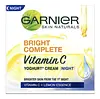
This brightening overnight mask is formulated around Niacinamide and Ascorbyl Glucoside to brighten dull-looking skin and fade the look of dark spots.
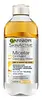
This micellar makeup remover is made to dissolve makeup, sunscreen, and daily buildup.

What's inside
What's inside
 Key Ingredients
Benefits
Concerns
Ingredients Side-by-side
Water
Skin ConditioningDimethicone
Emollient

Niacinamide
Smoothing










Glycerin
Humectant
Isohexadecane
EmollientCaprylic/Capric Triglyceride
Masking
Pentylene Glycol
Skin Conditioning
Talc
Abrasive
Butylene Glycol
Humectant
CI 77891
Cosmetic ColorantC13-14 Isoparaffin
Emollient
T-Butyl Alcohol
Perfuming




Ascorbyl Glucoside
Antioxidant

Tocopheryl Acetate
Antioxidant
Sodium Acryloyldimethyltaurate/Vp Crosspolymer
Emulsion StabilisingSodium Acrylate/Sodium Acryloyldimethyl Taurate Copolymer
Emulsion StabilisingSodium Benzoate
Masking
Hydrolyzed Soy Protein
Humectant
Phenoxyethanol
Preservative
Bifida Ferment Lysate
Skin Conditioning
Triethanolamine
BufferingPolyacrylamide
Silica
Abrasive
Polysorbate 80
Emulsifying

Limonene
Perfuming

Linalool
Perfuming
Benzyl Salicylate
Perfuming
Caprylyl Glycol
Emollient
Capryloyl Salicylic Acid
Exfoliating
Alpha-Isomethyl Ionone
Perfuming
Parfum
Masking
Sorbitan Oleate
Emulsifying
Geraniol
Perfuming
Disodium EDTA
ChelatingDisodium Stearoyl Glutamate
CleansingBHT
Antioxidant
Citrus Limon Fruit Extract
Masking
Citral
Perfuming
Laureth-7
EmulsifyingAluminum Hydroxide
EmollientHexyl Cinnamal
Perfuming
Water, Dimethicone, Niacinamide, Glycerin, Isohexadecane, Caprylic/Capric Triglyceride, Pentylene Glycol, Talc, Butylene Glycol, CI 77891, C13-14 Isoparaffin, T-Butyl Alcohol, Ascorbyl Glucoside, Tocopheryl Acetate, Sodium Acryloyldimethyltaurate/Vp Crosspolymer, Sodium Acrylate/Sodium Acryloyldimethyl Taurate Copolymer, Sodium Benzoate, Hydrolyzed Soy Protein, Phenoxyethanol, Bifida Ferment Lysate, Triethanolamine, Polyacrylamide, Silica, Polysorbate 80, Limonene, Linalool, Benzyl Salicylate, Caprylyl Glycol, Capryloyl Salicylic Acid, Alpha-Isomethyl Ionone, Parfum, Sorbitan Oleate, Geraniol, Disodium EDTA, Disodium Stearoyl Glutamate, BHT, Citrus Limon Fruit Extract, Citral, Laureth-7, Aluminum Hydroxide, Hexyl Cinnamal
Water
Skin ConditioningCyclopentasiloxane
Emollient
Isohexadecane
EmollientArgania Spinosa Kernel Oil
Emollient
Benzyl Alcohol
Perfuming
Benzyl Salicylate
Perfuming
Butyl Methoxydibenzoylmethane
UV Absorber
CI 60725
Cosmetic ColorantDecyl Glucoside
Cleansing
Dipotassium Phosphate
BufferingDisodium EDTA
ChelatingEthylhexyl Methoxycinnamate
UV Absorber
Ethylhexyl Salicylate
UV Absorber
Geraniol
Perfuming
Haematococcus Pluvialis Extract
Antioxidant
Hexylene Glycol
EmulsifyingLimonene
Perfuming
Linalool
Perfuming
Pentaerythrityl Tetra-Di-T-Butyl Hydroxyhydrocinnamate
Antioxidant
Polyaminopropyl Biguanide
Preservative
Potassium Phosphate
BufferingSodium Chloride
MaskingParfum
Masking
Water, Cyclopentasiloxane, Isohexadecane, Argania Spinosa Kernel Oil, Benzyl Alcohol, Benzyl Salicylate, Butyl Methoxydibenzoylmethane, CI 60725, Decyl Glucoside, Dipotassium Phosphate, Disodium EDTA, Ethylhexyl Methoxycinnamate, Ethylhexyl Salicylate, Geraniol, Haematococcus Pluvialis Extract, Hexylene Glycol, Limonene, Linalool, Pentaerythrityl Tetra-Di-T-Butyl Hydroxyhydrocinnamate, Polyaminopropyl Biguanide, Potassium Phosphate, Sodium Chloride, Parfum
Reviews
Ingredients Explained
These ingredients are found in both products.
Ingredients higher up in an ingredient list are typically present in a larger amount.
Benzyl Salicylate is a solvent and fragrance additive. It is an ester of benzyl alcohol and salicylic acid. This ingredient can be naturally found in some plants and plant extracts.
In fragrances, Benzyl Salicylate may be a solvent or a fragrance component. In synthetic musk scents, it is used as a solvent. For floral fragrances such as lilac and jasmine, it is used as a fragrance component. The natural scent of Benzyl Salicylate is described as "lightly-sweet, slightly balsamic".
While Benzyl Salicylate has been associated with contact dermatitis and allergies, emerging studies show it may not be caused by this ingredient alone.
However, this ingredient is often used with fragrances and other components that may cause allergies. It is still listed as a known allergen in the EU. We recommend speaking with a professional if you have concerns.
Another study from 2021 shows Benzyl Salicylate may have anti-inflammatory properties.
Learn more about Benzyl SalicylateDisodium EDTA is a chelating agent. It grabs onto and deactivates metal ions that sneak into your products from water, packaging, or air.
This ingredient mainly works behind the scenes and helps with:
On top of that, this ingredient can counteract the effects of hard water by binding to the minerals in it.
One thing worth knowing is that Disodium EDTA has been shown to be a mild penetration enhancer. It can help other ingredients absorb into skin more effectively which can be a double-edged sword (great for actives, but can also make the active too strong if you have sensitive skin).
Clinical patch testing showed no significant skin irritation at typical use concentrations and minimal dermal absorption.
You'll most likely see this ingredient near the end of an ingredient list. It's typically found in concentrations less than 1%.
Learn more about Disodium EDTAGeraniol is used to add fragrance/parfum to a product. It is the main component of citronellol. It is a monoterpenoid and an alcohol.
Monoterpenes are naturally found in many parts of different plants.
Geraniol can be found in many essential oils including Rose Oil and Citronella Oil. The scent of Geraniol is often described as "rose-like". Many foods also contain Geraniol for fruit flavoring.
Geraniol can irritate the skin when exposed to air. However, irritation depends on the ability of geraniol to penetrate into the skin. In general, geraniol is not able to penetrate skin easily.
Geraniol is colorless and has low water-solubility. However, it is soluble in common organic solvents.
Like citronellol, it is a natural insect repellent.
2,6-Octadien-1-ol, 3,7-dimethyl-, (2E)-
Learn more about GeraniolIsohexadecane is added to enhance texture, emulsify, and to help cleanse. It is an isoparrafin. It is a component of petrolatum.
Due to its large size, Isohexadecane is not absorbed by the skin. Instead, it sits on top and acts as an emollient. Emollients help keep your skin soft and smooth by trapping moisture within.
Isohexadecane is often used in products designed to help oily skin. It is lightweight and non-greasy while helping to moisturize. When mixed with silicones, it gives a product a silky feel.
Learn more about IsohexadecaneLimonene is the compound that gives citrus peel its smell.
In skincare, it shows up as a standalone fragrance ingredient or as a natural compound of citrus and other essential oils.
You'll typically see this ingredient used in very small amounts; anything above 0.001% in a leave-on product or 0.01% in a rinse-off has to be named on the label in the EU. The citrus oils that carry it sit around 0.5-1% in a finished formula.
Fresh limonene is a weak allergen; the real issue is that it slowly reacts with air and then breaks down from oxidation to create hydroperoxides (which are strong sensitizers). This is why suppliers are required to keep the peroxide value below 20 mmol.
Positive reactions in people being investigated for eczema vary:
It's worth skipping if you have a known fragrance allergy or a compromised barrier, but the risk is low for most people.
Older or long-opened products are also more likely to bother you than fresh ones due to oxidation.
Learn more about LimoneneLinalool is a small, naturally occurring scent molecule found in plants like lavender, coriander, bergamot, and more.
It is one of the two most-used fragrance ingredients in cosmetics and added purely for smell. Since it's not used for a skin benefit, there's no "effective dose". Concentration depends on the fragrance load of the product.
The EU requires it to be named on the label above 0.001% in leave-on and 0.01% in rinse-off products.
Fresh linalool is a weak sensitizer but air exposure turns some of it into hydroperoxides, which are strong sensitizers. Those oxidation products are the actual allergy concern.
Patch-test clinics see positive reactions to linalool hydroperoxides in about 4% to 12% of dermatitis patients depending on country and test concentration.
Resassuringly, one analytical study found hydroperoxide levels in real fragranced products to be orders of magnitude below what induced sensitization in animal studies with no evidence of oxidation building up during normal storage.
The practical takeaway is that linalool is fine for most people but worth avoiding if you have a confirmed fragrance contact allergy or a badly compromised barrier.
Products stored a long time after opening are also the high-risk scenario since that is when oxidation happens.
The scent of linalool is described as floral, spicy tropical, and citrus-like.
Learn more about LinaloolParfum is a catch-all term for an ingredient or more that is used to give a scent to products.
Also called "fragrance", this ingredient can be a blend of hundreds of chemicals or plant oils. This means every product with "fragrance" or "parfum" in the ingredients list is a different mixture.
For instance, Habanolide is a proprietary trade name for a specific aroma chemical. When used as a fragrance ingredient in cosmetics, most aroma chemicals fall under the broad labeling category of “FRAGRANCE” or “PARFUM” according to EU and US regulations.
The term 'parfum' or 'fragrance' is not regulated in many countries. In many cases, it is up to the brand to define this term.
For instance, many brands choose to label themselves as "fragrance-free" because they are not using synthetic fragrances. However, their products may still contain ingredients such as essential oils that are considered a fragrance by INCI standards.
One example is Calendula flower extract. Calendula is an essential oil that still imparts a scent or 'fragrance'.
Depending on the blend, the ingredients in the mixture can cause allergies and sensitivities on the skin. Some ingredients that are known EU allergens include linalool and citronellol.
Parfum can also be used to mask or cover an unpleasant scent.
The bottom line is: not all fragrances/parfum/ingredients are created equally. If you are worried about fragrances, we recommend taking a closer look at an ingredient. And of course, we always recommend speaking with a professional.
Learn more about ParfumWater. It's the most common cosmetic ingredient of all. You'll usually see it at the top of ingredient lists, meaning that it makes up the largest part of the product.
So why is it so popular? Water most often acts as a solvent - this means that it helps dissolve other ingredients into the formulation.
You'll also recognize water as that liquid we all need to stay alive. If you see this, drink a glass of water. Remember to stay hydrated!
Learn more about Water

