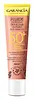
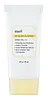
Garancia Fluide Incroyable Douceur Invisible Sun Protect SPF 50+ Versus Dear, Klairs All-Day Airy Sunscreen SPF 50+
This chemical sunscreen covers most of the UV range, lighter on the deep UVA that drives aging.
This chemical sunscreen covers the full UV range and blocks ~98% of UVB at SPF 50.


What's inside
What's inside
 Key Ingredients
Benefits
Concerns
Ingredients Side-by-side
Water
Skin ConditioningCoco-Caprylate/Caprate
Emollient
Diethylamino Hydroxybenzoyl Hexyl Benzoate
UV Filter
Diethylhexyl Butamido Triazone
UV Absorber
Oryza Sativa Starch
AbsorbentEthylhexyl Triazone
UV Absorber
Disodium Phenyl Dibenzimidazole Tetrasulfonate
UV Absorber
Pongamia Glabra Seed Oil
Skin Conditioning


Capryloyl Glycerin/Sebacic Acid Copolymer
Skin ConditioningPentylene Glycol
Skin Conditioning
Cetearyl Alcohol
Emollient



Jojoba Esters
Emollient
Glyceryl Stearate
Emollient
Behenyl Alcohol
Emollient
1,2-Hexanediol
Skin Conditioning
Sodium Hyaluronate
Humectant


Dunaliella Salina Extract
Skin ConditioningHaematococcus Pluvialis Extract
Antioxidant
Helianthus Annuus Seed Wax
Skin Conditioning
Phytic Acid
Chelating

Helianthus Annuus Seed
Skin Conditioning
Xanthan Gum
EmulsifyingSodium Stearoyl Glutamate
CleansingCI 75120
Cosmetic ColorantPolyglycerin-3
Humectant
Caprylyl Glycol
Emollient
Citric Acid
Buffering
Sodium Hydroxide
BufferingWater, Coco-Caprylate/Caprate, Diethylamino Hydroxybenzoyl Hexyl Benzoate, Diethylhexyl Butamido Triazone, Oryza Sativa Starch, Ethylhexyl Triazone, Disodium Phenyl Dibenzimidazole Tetrasulfonate, Pongamia Glabra Seed Oil, Capryloyl Glycerin/Sebacic Acid Copolymer, Pentylene Glycol, Cetearyl Alcohol, Jojoba Esters, Glyceryl Stearate, Behenyl Alcohol, 1,2-Hexanediol, Sodium Hyaluronate, Dunaliella Salina Extract, Haematococcus Pluvialis Extract, Helianthus Annuus Seed Wax, Phytic Acid, Helianthus Annuus Seed, Xanthan Gum, Sodium Stearoyl Glutamate, CI 75120, Polyglycerin-3, Caprylyl Glycol, Citric Acid, Sodium Hydroxide
Water
Skin ConditioningDibutyl Adipate
EmollientButyloctyl Salicylate
Skin Conditioning
Diethylamino Hydroxybenzoyl Hexyl Benzoate
UV Filter
Polysilicone-15
UV Filter
C12-15 Alkyl Benzoate
AntimicrobialEthylhexyl Triazone
UV Absorber
Bis-Ethylhexyloxyphenol Methoxyphenyl Triazine
UV Absorber
Polymethylsilsesquioxane
Glycerin
Humectant
Niacinamide
Smoothing






Polyglyceryl-6 Stearate
Emollient
Cetearyl Olivate
Microcrystalline Cellulose
AbsorbentPanthenol
Skin Conditioning
Silica
Abrasive
Sorbitan Olivate
Emulsifying
Dipropylene Glycol
HumectantHydroxyacetophenone
Antioxidant
Poly C10-30 Alkyl Acrylate
Emulsion StabilisingPolyglyceryl-6 Behenate
Emulsion Stabilising
Allantoin
Skin Conditioning
Caprylyl Glycol
Emollient
Stearyl Alcohol
Emollient
Glyceryl Stearate
Emollient
Acrylates/C10-30 Alkyl Acrylate Crosspolymer
Emulsion StabilisingTromethamine
BufferingAdenosine
Skin Conditioning
Cetearyl Alcohol
Emollient
Disodium EDTA
ChelatingButylene Glycol
Humectant
Portulaca Oleracea Extract
Skin Conditioning
Aloe Barbadensis Leaf Extract
Emollient
Dioscorea Japonica Root Extract
Skin Conditioning
Laminaria Japonica Extract
Skin Protecting
Viola Mandshurica Flower Extract
Antioxidant
Ulmus Davidiana Root Extract
Skin Conditioning
Dipotassium Glycyrrhizate
Humectant
Lepidium Meyenii Root Extract
Skin Conditioning1,2-Hexanediol
Skin Conditioning
Lycium Chinense Fruit Extract
Antioxidant
Fragaria Chiloensis Fruit Extract
Skin Conditioning
Berberis Vulgaris Root Extract
AntimicrobialMorus Nigra Fruit Extract
Skin ConditioningWater, Dibutyl Adipate, Butyloctyl Salicylate, Diethylamino Hydroxybenzoyl Hexyl Benzoate, Polysilicone-15, C12-15 Alkyl Benzoate, Ethylhexyl Triazone, Bis-Ethylhexyloxyphenol Methoxyphenyl Triazine, Polymethylsilsesquioxane, Glycerin, Niacinamide, Polyglyceryl-6 Stearate, Cetearyl Olivate, Microcrystalline Cellulose, Panthenol, Silica, Sorbitan Olivate, Dipropylene Glycol, Hydroxyacetophenone, Poly C10-30 Alkyl Acrylate, Polyglyceryl-6 Behenate, Allantoin, Caprylyl Glycol, Stearyl Alcohol, Glyceryl Stearate, Acrylates/C10-30 Alkyl Acrylate Crosspolymer, Tromethamine, Adenosine, Cetearyl Alcohol, Disodium EDTA, Butylene Glycol, Portulaca Oleracea Extract, Aloe Barbadensis Leaf Extract, Dioscorea Japonica Root Extract, Laminaria Japonica Extract, Viola Mandshurica Flower Extract, Ulmus Davidiana Root Extract, Dipotassium Glycyrrhizate, Lepidium Meyenii Root Extract, 1,2-Hexanediol, Lycium Chinense Fruit Extract, Fragaria Chiloensis Fruit Extract, Berberis Vulgaris Root Extract, Morus Nigra Fruit Extract
Reviews
Ingredients Explained
These ingredients are found in both products.
Ingredients higher up in an ingredient list are typically present in a larger amount.
1,2-Hexanediol is a synthetic liquid and another multi-functional powerhouse.
It is a:
- Humectant, drawing moisture into the skin
- Emollient, helping to soften skin
- Solvent, dispersing and stabilizing formulas
- Preservative booster, enhancing the antimicrobial activity of other preservatives
Caprylyl Glycol is a humectant, skin conditioner, emollient, and preservative booster derived from either caprylic acid or synthetically created.
Typical use levels vary from 0.3-1% as a preservative booster and go up to 2% to condition skin.
Because it is not a free-fatty acid, this ingredient is fungal acne safe (there's nothing for Malassezia to feed on).
Learn more about Caprylyl GlycolCetearyl alcohol is a waxy mixture of two fatty alcohols: cetyl alcohol and stearyl alcohol. It is an emollient and emulsifier.
Despite having "alcohol" in its name, it has nothing to do with drying solvent alcohols; the FDA also allows "alcohol-free" products to contain fatty alcohols like this ingredient.
It plays several roles in a formula:
Typical use levels for this ingredient sit around 1-10% and the Cosmetic Ingredient Review Expert Panel has affirmed safety at concentrations up to 25% in leave-on products.
Multiple assessments have found it to be non-irritating and non-sensitizing to most people.
However, there have been some cases of allergic contact dermatitis in patients with chronically compromised skin barriers.
Cetearyl alcohol has a comedogenic rating of 2 and irritancy rating of 1. Both of these numbers come from the 1989 study that used rabbit ears; a "2" means mildly comedogenic and a "1" means low irritancy.
Here's the catch: rabbit skin is more sensitive than human skin and throws a lot of false positives. A 1996 reappraisal found that ingredients rated 1-2 in the rabbit ear tests are generally safe for humans.
Remember comedogenic ratings are unable to assess the entire formula of a product or how it will react on your skin. Just be sure to patch test if you are unsure about certain ingredients.
This ingredient is not fungal acne safe. Cetearyl alcohol is a fatty alcohol with chain lengths that fall within the range that Malassezia can metabolize.
A 2019 study has also observed Malassezia growth in the presence of this ingredient, confirming it to be not-fungal acne safe.
Learn more about Cetearyl AlcoholDiethylamino Hydroxybenzoyl Hexyl Benzoate (DHHB) is a chemical UV-A absorber. It is formulated for high UVA protection (320-400 nm).
DHHB is well-liked for:
DHHB has been approved by the EU, Japan, Taiwan, and South America for use up to 10%. Unfortunately, it has not been approved for use in the US or Canada due to slow regulatory processes.
This ingredient is soluble in oils, fats, and lipids.
Learn more about Diethylamino Hydroxybenzoyl Hexyl BenzoateEthylhexyl Triazone (aka Octyl Triazone) is an oil-soluble organic UVB filter. It has peak absorption around 314 nm, right in the middle of the UVB range.
This ingredient is described as one of the most effective UVB filters available and small concentrations are enough to deliver a high SPF thanks to its strong UV absorbing power.
Formulators love it for its stability; its ability to filter UV stays practically unchanged even under intense radiation and it can also help boost the photostability of less stable filters like avobenzone.
It's also a great pick for water resistant products because it's insoluble in water and has a good affinity for keratin.
Because it's a big, heavy molecule, the European Scientific Committee has found to to have very low dermal penetration and negative results for allergenicity.
In vitro testing also showed a low absorption rate and clean results on irritation.
Typical use levels are 1-5% with 5% being the maximum in the EU, Japan, and other markets that allow it. However, this ingredient is not approved yet in the US or Canada.
Learn more about Ethylhexyl TriazoneGlyceryl Stearate is made by reacting glycerin with stearic acid (typically sourced from plant oils like palm or coconut). It's an emulsifier, emollient, and mild occlusive.
Emulsifiers help ingredients like oil and water stay mixed so your formula stays nicely blended and uniform in texture.
This ingredient is typically used in concentrations between 1-10%. Studies have found it to be non-sensitizing, non-phototoxic, and non-photoallergenic.
A close cousin of this ingredient is Glyceryl Stearate SE ("self-emulsifying"). This just has a small amount of sodium or potassium stearate added so it can emulsify without a co-emulsifier.
Since this ingredient is an ester of a C18 fatty acid, it may not be fungal acne safe. The Malassezia yeast can potentially metabolize within the C11-C24 range.
Fun fact: The human body also creates Glyceryl Stearate naturally.
Learn more about Glyceryl StearateWater. It's the most common cosmetic ingredient of all. You'll usually see it at the top of ingredient lists, meaning that it makes up the largest part of the product.
So why is it so popular? Water most often acts as a solvent - this means that it helps dissolve other ingredients into the formulation.
You'll also recognize water as that liquid we all need to stay alive. If you see this, drink a glass of water. Remember to stay hydrated!
Learn more about Water

