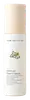
This brightening serum is formulated around Tetrahexyldecyl Ascorbate and Ferulic Acid to brighten dull-looking skin and fade the look of dark spots.
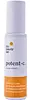
This brightening serum is formulated around Tetrahexyldecyl Ascorbate and Tocopherol to brighten dull-looking skin and fade the look of dark spots.

What's inside
What's inside
 Key Ingredients
Benefits
Concerns
Ingredients Side-by-side
Water
Skin ConditioningTetrahexyldecyl Ascorbate
Antioxidant






Caprylic/Capric Triglyceride
Masking


Propanediol
Solvent
Butylene Glycol
Humectant
Isododecane
EmollientSodium Polyacryloyldimethyl Taurate
Emulsion StabilisingPhenoxyethanol
Preservative
Squalane
Emollient
Ferulic Acid
Antimicrobial
Allantoin
Skin Conditioning
Cetyl Alcohol
Emollient


Glyceryl Stearate
Emollient
Tetrahydrocurcumin
Antioxidant
Maltodextrin
Absorbent
PEG-75 Stearate
Surfactant
Tromethamine
BufferingCeteareth-20
Cleansing

Pentaerythrityl Tetra-Di-T-Butyl Hydroxyhydrocinnamate
Antioxidant
Tocopheryl Acetate
Antioxidant
Curcuma Longa Root Extract
Antioxidant
Citrus Aurantium Bergamia Peel Oil
Perfuming




Water, Tetrahexyldecyl Ascorbate, Caprylic/Capric Triglyceride, Propanediol, Butylene Glycol, Isododecane, Sodium Polyacryloyldimethyl Taurate, Phenoxyethanol, Squalane, Ferulic Acid, Allantoin, Cetyl Alcohol, Glyceryl Stearate, Tetrahydrocurcumin, Maltodextrin, PEG-75 Stearate, Tromethamine, Ceteareth-20, Pentaerythrityl Tetra-Di-T-Butyl Hydroxyhydrocinnamate, Tocopheryl Acetate, Curcuma Longa Root Extract, Citrus Aurantium Bergamia Peel Oil
Water
Skin ConditioningTetrahexyldecyl Ascorbate
Antioxidant
Glycerin
Humectant
Propanediol
Solvent
Tocopherol
Antioxidant
Butylene Glycol
Humectant
Ferulic Acid
Antimicrobial
Cetearyl Alcohol
Emollient
Oryza Sativa Bran Oil
Emollient
Simmondsia Chinensis Seed Oil
Emollient
Squalane
Emollient
Acrylamide/Sodium Acryloyldimethyltaurate Copolymer
Emulsion StabilisingAllantoin
Skin Conditioning
Octyldodecanol
Emollient
1,2-Hexanediol
Skin Conditioning
Titanium Dioxide
Cosmetic Colorant

DMDM Hydantoin
Preservative
Sodium Benzoate
Masking
C13-14 Isoparaffin
Emollient
Cetyl Alcohol
Emollient
Glyceryl Stearate
Emollient
Camellia Sinensis Leaf Extract
Antimicrobial
Aminomethyl Propanol
BufferingDisodium EDTA
ChelatingCetearyl Glucoside
Emulsifying
Glycine Soja Oil
Emollient
PEG-75 Stearate
Surfactant
Ceteareth-33
CleansingYeast Ferment Extract
Skin ConditioningLaureth-7
EmulsifyingAllium Sativum Bulb Extract
Skin ConditioningSteareth-20
CleansingCaprylhydroxamic Acid
ChelatingPhenoxyethanol
Preservative
Glyceryl Acrylate/Acrylic Acid Copolymer
HumectantOleth-10
EmulsifyingPolysorbate 60
Emulsifying
Ceteth-20
CleansingPvm/Ma Copolymer
Emulsion StabilisingAluminum Hydroxide
EmollientPogostemon Cablin Leaf Extract
Perfuming
Pentylene Glycol
Skin Conditioning
Sodium Hyaluronate Crosspolymer
Humectant
Zingiber Officinale Root Extract
Masking
Triethoxycaprylylsilane

Methyl Methacrylate Crosspolymer
Raphanus Sativus Root Extract
AstringentGlucose
Humectant
Simethicone
Emollient
2-Aminobutanol
BufferingWater, Tetrahexyldecyl Ascorbate, Glycerin, Propanediol, Tocopherol, Butylene Glycol, Ferulic Acid, Cetearyl Alcohol, Oryza Sativa Bran Oil, Simmondsia Chinensis Seed Oil, Squalane, Acrylamide/Sodium Acryloyldimethyltaurate Copolymer, Allantoin, Octyldodecanol, 1,2-Hexanediol, Titanium Dioxide, DMDM Hydantoin, Sodium Benzoate, C13-14 Isoparaffin, Cetyl Alcohol, Glyceryl Stearate, Camellia Sinensis Leaf Extract, Aminomethyl Propanol, Disodium EDTA, Cetearyl Glucoside, Glycine Soja Oil, PEG-75 Stearate, Ceteareth-33, Yeast Ferment Extract, Laureth-7, Allium Sativum Bulb Extract, Steareth-20, Caprylhydroxamic Acid, Phenoxyethanol, Glyceryl Acrylate/Acrylic Acid Copolymer, Oleth-10, Polysorbate 60, Ceteth-20, Pvm/Ma Copolymer, Aluminum Hydroxide, Pogostemon Cablin Leaf Extract, Pentylene Glycol, Sodium Hyaluronate Crosspolymer, Zingiber Officinale Root Extract, Triethoxycaprylylsilane, Methyl Methacrylate Crosspolymer, Raphanus Sativus Root Extract, Glucose, Simethicone, 2-Aminobutanol
Ingredients Explained
These ingredients are found in both products.
Ingredients higher up in an ingredient list are typically present in a larger amount.
Allantoin is a soothing ingredient known for its protective and moisturizing properties; it's basically a quiet workhorse ingredient you can find in a huge range of cosmetics.
Though it can be derived from the comfrey plant, allantoin is produced synthetically for cosmetic products to ensure purity.
Research shows it can encourage your skin cells to turn over and renew by stimulating keratinocyte and fibroblast proliferation.
It also has mild keratolytic properties to help loosen and shed dead skin cells without being harsh.
Studies also suggest allantoin can help calm inflammation by dialing down some of the chemical signals your skin sends out when it is irritated.
This ingredient is typically used in the 0.1-0.5% range, and the FDA recognizes it as a skin protectant in OTC products up to 2%.
Overall, allantoin is a wonderful addition to most routines; it is stable across a wide pH range (~4-8), works well with other ingredients, and is considered non-sensitizing/non-irritating.
Fun fact: Allantoin is naturally occurring in comfrey root, beets, chamomile, and wheat sprouts. Our bodies even produce it as a byproduct of uric acid metabolism.
Learn more about AllantoinButylene Glycol (or BG) is used within cosmetic products for a few different reasons:
Overall, Butylene Glycol is a safe and well-rounded ingredient that works well with other ingredients.
Though this ingredient works well with most skin types, some people with sensitive skin may experience a reaction such as allergic rashes, closed comedones, or itchiness.
Learn more about Butylene GlycolCetyl Alcohol is a fatty alcohol. Fatty Alcohols are most often used as an emollient or to thicken a product.
Its main roles are:
Though it has "alcohol" in the name, it is not related to denatured alcohol or ethyl alcohol.
The FDA allows products labeled "alcohol-free" to have fatty alcohols.
This ingredient may not be fungal acne safe. It is a primary fatty alcohol with a chain length above 12 carbons. A study from 2019 show Malassezia can feed on fatty alcohols in this range, so it may trigger fungal acne in those prone to it.
Learn more about Cetyl AlcoholFerulic Acid is a plant based antioxidant that can be naturally found in the cell walls of grains like rice, oats, and corn. It has antioxidant and antimicrobial properties, and has the ability to boost the performance of other antioxidants as well.
A well-known study found that adding Ferulic Acid to a solution of Vitamins C and E doubled the photoprotection of skin. This is why you'll often see it paired with Vitamin C or Vitamin E serums rather than sold on its own.
A 2025 review of 18 human studies found that using Ferulic Acid (0.5-1%) daily for one to three months showed improvements in:
As far as allergies go, Ferulic acid is generally well-tolerated but can cause an allergic reaction in very rare cases. It's also worth noting that Ferulic acid is often extracted from plant sources like rice bran or wheat bran, so be sure to path test if you have known grain allergies.
Outside of skincare, researchers are also looking into Ferulic Acid for its potential benefits in areas like diabetes, Alzheimer's, and heart health.
Learn more about Ferulic AcidGlyceryl Stearate is made by reacting glycerin with stearic acid (typically sourced from plant oils like palm or coconut). It's an emulsifier, emollient, and mild occlusive.
Emulsifiers help ingredients like oil and water stay mixed so your formula stays nicely blended and uniform in texture.
This ingredient is typically used in concentrations between 1-10%. Studies have found it to be non-sensitizing, non-phototoxic, and non-photoallergenic.
A close cousin of this ingredient is Glyceryl Stearate SE ("self-emulsifying"). This just has a small amount of sodium or potassium stearate added so it can emulsify without a co-emulsifier.
Since this ingredient is an ester of a C18 fatty acid, it may not be fungal acne safe. The Malassezia yeast can potentially metabolize within the C11-C24 range.
Fun fact: The human body also creates Glyceryl Stearate naturally.
Learn more about Glyceryl StearatePEG-75 Stearate isn't fungal acne safe.
Phenoxyethanol is one of the most widely used preservatives in skincare (and for good reason!).
It has a large spectrum of antimicrobial activity and especially effective bacteria, yeast, and mold while only having a weak effect on your skin's natural microbiome.
On a cellular level, it disrupts the cell membranes of microbes by poking holes that make the cell leak. This shuts down the chemical reactions the microbe needs to make energy so it can no longer survive.
Another perk of this ingredient is that it stays functional across a wide pH range (3-10).
You'll often see it paired with boosters like Ethylhexylglycerin; one study showed that a 1:9 ratio of Ethylhexylglycerin to Phenoxyethanol damages bacterial membranes as effectively as doubling the Phenoxyethanol concentration on its own.
Typical use concentrations range from 0.3-1% depending on the formula, and this ingredient is capped at 1% int the EU.
Safety-wise, the fear mongering does not hold up to the evidence. The EU's Scientific Committee on Consumer Safety and FDA consider it safe as a preservative at up to 1%, including for children of all ages.
Adverse systemic effects only showed up in animal studies at exposures roughly 200x higher than what people get from cosmetics. And despite its very widespread use, this ingredient is a rare sensitizer and allergic reactions are uncommon.
Learn more about PhenoxyethanolPropanediol is an all-star ingredient. It softens, hydrates, and smooths the skin.
It’s often used to:
Propanediol is not likely to cause sensitivity and considered safe to use. It is derived from corn or petroleum with a clear color and no scent.
Learn more about PropanediolSqualane is the hydrogenated and shelf-stable form of squalene (a lipid that naturally occurs in human sebum).
It is an emollient and skin conditioning agent that is able to integrate seamlessly into the skin's lipid barrier without clogging pores.
This is due to how structurally similar it is to what your skin already produces.
Though it is mostly an emollient that helps soften and hydrate skin, it also has some humectant and occlusive action. Humectants help the skin retain moisture while occlusives seal it in, making squalane a triple-threat moisturizer.
Research shows it has antioxidant capabilities that help protect against stressors like UV exposure, specifically UVA induced oxidative stress. This study also found that it supports collagen biosynthesis in human dermal fibroblasts.
No clinical study has reported significant adverse effects and irritation reactions are very rare from this ingredient (even at 100% concentration).
Overall, it's a fantastic ingredient for hydration and is suitable for all skin types.
This depends on the source. Squalane can be derived from both plants and animals. Most squalane used in skincare comes from plants.
Please note: the source of squalane is only known if disclosed by the brand. We recommend reaching out to the brand if you have any questions about their squalane.
Read more about squalene with an "e".
Though squalane is often called an oil, it’s technically not one. It is a hydrocarbon, meaning it is only made of carbon and hydrogen. True oils are triglycerides and made of fatty acids and glycerol.
The term “oil-free” isn’t regulated so companies can define it however they want. Some exclude all oils, while others just avoid mineral oil or comedogenic oils.
Squalane has a comedogenic rating of 1 from the original 1972 study that tested raw ingredients under occlusion on rabbit ears. This system is not standardized or peer-reviewed, and using the raw ingredients is very different from how diluted cosmetic formulations are used on human skin.
A comedogenic rating of 1 means it is "unlikely to clog pores" according to the original rating system.
The overall formula of a product matters more than the individual ingredients on whether or not it will cause clogged pores.
Learn more about SqualaneTetrahexyldecyl Ascorbate (THD) is a stable and oil-soluble form of Vitamin C.
THD is special in that it has the ability to travel deeper into skin than traditional ascorbic acid while maintaining the same skin benefits (double win!).
Because it’s oil-soluble, THD dives deep into your skin’s fatty layers (think ceramides and cholesterol) to fight off the kind of free radicals that mess with your skin barrier. This makes it a great pair with water-based vitamin C (ascorbic acid) that mainly works on the surface.
Even at just 0.1%, THD is already showing great antioxidant activity. When used up to 2%, it helps keep your skin happy and calm, especially when it’s stressed from pollution or sun.
Want to fade dark spots or tackle hyperpigmentation? You’ll want 5% or more. Pairing it with brightening buddies like niacinamide or licorice root gives even better results. One study even used 30% THD with other brighteners and saw real results on stubborn discoloration, even in melasma-prone skin.
A note on THD: It’s has a slightly silky, oily texture and usually shows up colorless or pale yellow (though the exact shade can vary by supplier).
While you can sneak it into water-based formulas, it really shines when paired with silicones or oils, which help your skin soak it up better.
THD is pretty stable, but it’s still vulnerable to degradation like ascorbic acid. Too much light or heat (above 113°F / 45°C) can break it down over time. Go for dark and opaque packaging that keeps it safe and shady!
Read more about other types of Vitamin C:
Learn more about Tetrahexyldecyl AscorbateWater. It's the most common cosmetic ingredient of all. You'll usually see it at the top of ingredient lists, meaning that it makes up the largest part of the product.
So why is it so popular? Water most often acts as a solvent - this means that it helps dissolve other ingredients into the formulation.
You'll also recognize water as that liquid we all need to stay alive. If you see this, drink a glass of water. Remember to stay hydrated!
Learn more about Water

