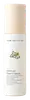
This brightening serum is formulated around Tetrahexyldecyl Ascorbate and Ferulic Acid to brighten dull-looking skin and fade the look of dark spots.
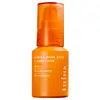
This brightening serum is formulated around 3-O-Ethyl Ascorbic Acid and Glycyrrhiza Uralensis Root Extract to fade the look of dark spots and brighten dull-looking skin.

What's inside
What's inside
 Key Ingredients
Benefits
Concerns
Ingredients Side-by-side
Water
Skin ConditioningTetrahexyldecyl Ascorbate
Antioxidant






Caprylic/Capric Triglyceride
Masking


Propanediol
Solvent
Butylene Glycol
Humectant
Isododecane
EmollientSodium Polyacryloyldimethyl Taurate
Emulsion StabilisingPhenoxyethanol
Preservative
Squalane
Emollient
Ferulic Acid
Antimicrobial
Allantoin
Skin Conditioning
Cetyl Alcohol
Emollient


Glyceryl Stearate
Emollient
Tetrahydrocurcumin
Antioxidant
Maltodextrin
Absorbent
PEG-75 Stearate
Surfactant
Tromethamine
BufferingCeteareth-20
Cleansing

Pentaerythrityl Tetra-Di-T-Butyl Hydroxyhydrocinnamate
Antioxidant
Tocopheryl Acetate
Antioxidant
Curcuma Longa Root Extract
Antioxidant
Citrus Aurantium Bergamia Peel Oil
Perfuming




Water, Tetrahexyldecyl Ascorbate, Caprylic/Capric Triglyceride, Propanediol, Butylene Glycol, Isododecane, Sodium Polyacryloyldimethyl Taurate, Phenoxyethanol, Squalane, Ferulic Acid, Allantoin, Cetyl Alcohol, Glyceryl Stearate, Tetrahydrocurcumin, Maltodextrin, PEG-75 Stearate, Tromethamine, Ceteareth-20, Pentaerythrityl Tetra-Di-T-Butyl Hydroxyhydrocinnamate, Tocopheryl Acetate, Curcuma Longa Root Extract, Citrus Aurantium Bergamia Peel Oil
Water
Skin Conditioning3-O-Ethyl Ascorbic Acid
Skin Conditioning
Glycerin
Humectant
Propanediol
Solvent
Propylene Glycol
Humectant
Carica Papaya Fruit Water
Skin Conditioning1,2-Hexanediol
Skin Conditioning
Pentylene Glycol
Skin Conditioning
Tocopherol
Antioxidant
Polyglyceryl-10 Oleate
Skin Conditioning
Hydrogenated Lecithin
Emulsifying
Xanthan Gum
EmulsifyingCitric Acid
Buffering
Tromethamine
BufferingAllantoin
Skin Conditioning
Glycyrrhiza Uralensis Root Extract
Skin Conditioning
Sodium Phytate
ChelatingMelia Azadirachta Flower Extract
Skin ConditioningHyaluronic Acid
Humectant
Sodium Hyaluronate
Humectant
Hydrolyzed Hyaluronic Acid
Humectant
Ocimum Sanctum Leaf Extract
Skin ConditioningEthylhexylglycerin
Skin ConditioningMelia Azadirachta Leaf Extract
Skin ConditioningCurcuma Longa Root Extract
Antioxidant
Butylene Glycol
Humectant
Corallina Officinalis Extract
Skin Conditioning
Phenoxyethanol
Preservative
Water, 3-O-Ethyl Ascorbic Acid, Glycerin, Propanediol, Propylene Glycol, Carica Papaya Fruit Water, 1,2-Hexanediol, Pentylene Glycol, Tocopherol, Polyglyceryl-10 Oleate, Hydrogenated Lecithin, Xanthan Gum, Citric Acid, Tromethamine, Allantoin, Glycyrrhiza Uralensis Root Extract, Sodium Phytate, Melia Azadirachta Flower Extract, Hyaluronic Acid, Sodium Hyaluronate, Hydrolyzed Hyaluronic Acid, Ocimum Sanctum Leaf Extract, Ethylhexylglycerin, Melia Azadirachta Leaf Extract, Curcuma Longa Root Extract, Butylene Glycol, Corallina Officinalis Extract, Phenoxyethanol
Ingredients Explained
These ingredients are found in both products.
Ingredients higher up in an ingredient list are typically present in a larger amount.
Allantoin is a soothing ingredient known for its protective and moisturizing properties; it's basically a quiet workhorse ingredient you can find in a huge range of cosmetics.
Though it can be derived from the comfrey plant, allantoin is produced synthetically for cosmetic products to ensure purity.
Research shows it can encourage your skin cells to turn over and renew by stimulating keratinocyte and fibroblast proliferation.
It also has mild keratolytic properties to help loosen and shed dead skin cells without being harsh.
Studies also suggest allantoin can help calm inflammation by dialing down some of the chemical signals your skin sends out when it is irritated.
This ingredient is typically used in the 0.1-0.5% range, and the FDA recognizes it as a skin protectant in OTC products up to 2%.
Overall, allantoin is a wonderful addition to most routines; it is stable across a wide pH range (~4-8), works well with other ingredients, and is considered non-sensitizing/non-irritating.
Fun fact: Allantoin is naturally occurring in comfrey root, beets, chamomile, and wheat sprouts. Our bodies even produce it as a byproduct of uric acid metabolism.
Learn more about AllantoinButylene Glycol (or BG) is used within cosmetic products for a few different reasons:
Overall, Butylene Glycol is a safe and well-rounded ingredient that works well with other ingredients.
Though this ingredient works well with most skin types, some people with sensitive skin may experience a reaction such as allergic rashes, closed comedones, or itchiness.
Learn more about Butylene GlycolCurcuma Longa Root Extract comes from the rhizome (underground stem) of the turmeric plant.
While the official EU Cosing Database lists this ingredient as a fragrance, it actually does more than give products a scent.
This ingredient contains a group of yellow pigments called curcuminoids (mostly curcumin) that give it genuine antioxidant and anti-inflammatory activity in skin.
Reviews of topical clinical studies have found turmeric/curcumin to be generally well-tolerated and useful across conditions like eczema and mild inflammation.
One thing working in its favor is that curcumin barely penetrates; in lab skin-permeation testing, the curcuminoids mostly stayed in the outermost layer of skin. This is a good thing because its soothing and antioxidant activity is a surface-level job anyway.
At this time, industry data shows there's no single "correct" cosmetic percentage. It's used across a wide range depending on the product and varies from tiny fractions of a percent up to a few percent.
Allergy-wise, curcumin is a documented (but uncommon) contact allergen. It can also cross react with related plants, so anyone with a turmeric/ginger/cinnamon allergy or reactive skin should patch test first.
Learn more about Curcuma Longa Root ExtractPhenoxyethanol is one of the most widely used preservatives in skincare (and for good reason!).
It has a large spectrum of antimicrobial activity and especially effective bacteria, yeast, and mold while only having a weak effect on your skin's natural microbiome.
On a cellular level, it disrupts the cell membranes of microbes by poking holes that make the cell leak. This shuts down the chemical reactions the microbe needs to make energy so it can no longer survive.
Another perk of this ingredient is that it stays functional across a wide pH range (3-10).
You'll often see it paired with boosters like Ethylhexylglycerin; one study showed that a 1:9 ratio of Ethylhexylglycerin to Phenoxyethanol damages bacterial membranes as effectively as doubling the Phenoxyethanol concentration on its own.
Typical use concentrations range from 0.3-1% depending on the formula, and this ingredient is capped at 1% int the EU.
Safety-wise, the fear mongering does not hold up to the evidence. The EU's Scientific Committee on Consumer Safety and FDA consider it safe as a preservative at up to 1%, including for children of all ages.
Adverse systemic effects only showed up in animal studies at exposures roughly 200x higher than what people get from cosmetics. And despite its very widespread use, this ingredient is a rare sensitizer and allergic reactions are uncommon.
Learn more about PhenoxyethanolPropanediol is an all-star ingredient. It softens, hydrates, and smooths the skin.
It’s often used to:
Propanediol is not likely to cause sensitivity and considered safe to use. It is derived from corn or petroleum with a clear color and no scent.
Learn more about PropanediolTromethamine (aka THAM) is a synthetic amino acid that shows up in skincare as a helper ingredient.
It functions as a pH adjuster to help neutralize acidic ingredients and set a formula's pH to the right spot.
This matters a lot because a lot of actives (like vitamin C) needs a specific pH to work well and feel comfortable on skin.
Concentration use ranges from 0.1-1.0% depending on the formula.
Learn more about TromethamineWater. It's the most common cosmetic ingredient of all. You'll usually see it at the top of ingredient lists, meaning that it makes up the largest part of the product.
So why is it so popular? Water most often acts as a solvent - this means that it helps dissolve other ingredients into the formulation.
You'll also recognize water as that liquid we all need to stay alive. If you see this, drink a glass of water. Remember to stay hydrated!
Learn more about Water

