
What's inside
What's inside
 Key Ingredients
Benefits
Concerns
Ingredients Side-by-side
Water
Skin ConditioningCetearyl Alcohol
Emollient






Ethyl Oleate
Emollient

Glycerin
Humectant


Isoamyl Laurate
Emollient
Ethyl Stearate
Emollient
Brassicamidopropyl Dimethylamine
Skin ConditioningGlyceryl Ricinoleate
Emollient
Hydrolyzed Vegetable Protein
Skin ConditioningPereskia Aculeata Callus Extract
Panthenol
Skin Conditioning

Camellia Sinensis Leaf Extract
Antimicrobial




Alanine
Masking
Arginine
Masking
Aspartic Acid
Masking
Glycine
Buffering
Histidine
Humectant
Isoleucine
Skin ConditioningPhenylalanine
Masking
Proline
Skin Conditioning
Serine
Masking
Tartaric Acid
Buffering

Threonine
Valine
MaskingButyrospermum Parkii Butter Unsaponifiables
Skin Conditioning
Irvingia Gabonensis Kernel Butter
Skin Conditioning
Lactobacillus Ferment
Skin Conditioning
Momordica Cochinchinensis Seed Extract
Skin ConditioningPCA
Humectant
Ricinus Communis Seed Oil
Masking
Sodium PCA
Humectant
Vaccinium Myrtillus Seed Oil
Skin Conditioning
Ethyl Linoleate
Emollient
Ethyl Palmitate
Emollient
Hydrogenated Coco-Glycerides
Emollient
Hydroxypropylgluconamide
HumectantMyristyl Myristate
Emollient
Octyldodecanol
Emollient
Propanediol
Solvent
Polyquaternium-113
Guar Hydroxypropyltrimonium Chloride
Skin ConditioningHydroxypropylammonium Gluconate
HumectantQuaternium-91
Sodium Lactate
Buffering
Tocopherol
Antioxidant

Sodium Metabisulfite
Antioxidant
Citric Acid
Buffering
Sodium Hydroxide
BufferingLactic Acid
Buffering
Caprylyl Glycol
Emollient
Sodium Benzoate
Masking
Potassium Sorbate
Preservative
Ethylhexylglycerin
Skin ConditioningBehentrimonium Chloride
Preservative
Cetrimonium Chloride
Antimicrobial
Phenoxyethanol
Preservative
Benzyl Alcohol
Perfuming

Parfum
Masking
Alpha-Isomethyl Ionone
Perfuming
Benzyl Salicylate
Perfuming
Coumarin
Perfuming
Hexyl Cinnamal
Perfuming
Limonene
Perfuming
Linalool
Perfuming
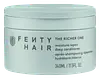
Water, Cetearyl Alcohol, Ethyl Oleate, Glycerin, Isoamyl Laurate, Ethyl Stearate, Brassicamidopropyl Dimethylamine, Glyceryl Ricinoleate, Hydrolyzed Vegetable Protein, Pereskia Aculeata Callus Extract, Panthenol, Camellia Sinensis Leaf Extract, Alanine, Arginine, Aspartic Acid, Glycine, Histidine, Isoleucine, Phenylalanine, Proline, Serine, Tartaric Acid, Threonine, Valine, Butyrospermum Parkii Butter Unsaponifiables, Irvingia Gabonensis Kernel Butter, Lactobacillus Ferment, Momordica Cochinchinensis Seed Extract, PCA, Ricinus Communis Seed Oil, Sodium PCA, Vaccinium Myrtillus Seed Oil, Ethyl Linoleate, Ethyl Palmitate, Hydrogenated Coco-Glycerides, Hydroxypropylgluconamide, Myristyl Myristate, Octyldodecanol, Propanediol, Polyquaternium-113, Guar Hydroxypropyltrimonium Chloride, Hydroxypropylammonium Gluconate, Quaternium-91, Sodium Lactate, Tocopherol, Sodium Metabisulfite, Citric Acid, Sodium Hydroxide, Lactic Acid, Caprylyl Glycol, Sodium Benzoate, Potassium Sorbate, Ethylhexylglycerin, Behentrimonium Chloride, Cetrimonium Chloride, Phenoxyethanol, Benzyl Alcohol, Parfum, Alpha-Isomethyl Ionone, Benzyl Salicylate, Coumarin, Hexyl Cinnamal, Limonene, Linalool
Water
Skin ConditioningAloe Barbadensis Leaf Juice
Skin Conditioning
Butyrospermum Parkii Butter
Skin Conditioning
Cocos Nucifera Oil
Masking
Behentrimonium Methosulfate
SurfactantCetyl Alcohol
Emollient
Theobroma Cacao Seed Butter
Emollient
Mangifera Indica Seed Butter
Skin Conditioning
Cannabis Sativa Seed Oil
Emollient
Panthenol
Skin Conditioning
Mel
EmollientGlycerin
Humectant
Camellia Sinensis Leaf Extract
Antimicrobial
Simmondsia Chinensis Seed Oil
Emollient
Rosa Canina Fruit Oil
Emollient
Vitis Vinifera Seed Oil
Emollient
Oenothera Biennis Oil
Emollient
Phenoxyethanol
Preservative
Caprylyl Glycol
Emollient
Algae
Skin Conditioning
Biotin
AntiseborrhoeicDimethyl Sulfone
SolventTocopheryl Acetate
Antioxidant
Mentha Piperita Oil
Masking

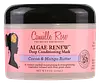
Water, Aloe Barbadensis Leaf Juice, Butyrospermum Parkii Butter, Cocos Nucifera Oil, Behentrimonium Methosulfate, Cetyl Alcohol, Theobroma Cacao Seed Butter, Mangifera Indica Seed Butter, Cannabis Sativa Seed Oil, Panthenol, Mel, Glycerin, Camellia Sinensis Leaf Extract, Simmondsia Chinensis Seed Oil, Rosa Canina Fruit Oil, Vitis Vinifera Seed Oil, Oenothera Biennis Oil, Phenoxyethanol, Caprylyl Glycol, Algae, Biotin, Dimethyl Sulfone, Tocopheryl Acetate, Mentha Piperita Oil
Reviews
Ingredients Explained
These ingredients are found in both products.
Ingredients higher up in an ingredient list are typically present in a larger amount.
Camellia Sinensis Leaf Extract (tea extract) is one of the most well-researched plant extracts in skincare with an impressive resume.
Black tea, green tea, and oolong tea are all harvested from the Camellia Sinensis plant.
Studies show green tea extract and its catechins (like epigallocatechin gallate (EGCG)) help your skin cells product energy more efficiently and reducing the number of free-radicals that can damage your skin from the inside.
In lab-grown skin models, this translated to younger, healthier, and stronger skin.
There's also good sun protection data; researchers saw less DNA damage and redness on human skin when green tea was applied before UVB exposure. And the more they applied, the better the protection.
Needless to say, this ingredient shouldn't replace your sunscreen. But it is a great supportive ingredient that you can already find in many sunscreens and antioxidant serums.
A 2009 study found a 2% green tea lotion was effective for mild-to-moderate acne thanks to its anti-inflammatory and mild antimicrobial activity.
The quality of the extract matters a lot here:
Good extracts contain 50-90% catechins while lower quality ones are mostly there for marketing. We recommend reaching out to the brand if you have questions about the quality or source of their ingredients.
Human Repeated Insult Patch Testing showed no irritation or sensitization at use concentrations (0.86% in leave-on products and up to 30% as leaf water).
Learn more about Camellia Sinensis Leaf ExtractCaprylyl Glycol is a humectant, skin conditioner, emollient, and preservative booster derived from either caprylic acid or synthetically created.
Typical use levels vary from 0.3-1% as a preservative booster and go up to 2% to condition skin.
Because it is not a free-fatty acid, this ingredient is fungal acne safe (there's nothing for Malassezia to feed on).
Learn more about Caprylyl GlycolGlycerin (or glycerol) is a compound naturally found in your skin. It's a powerhouse humectant that pulls water into the stratum corneum.
Topically, glycerin does several things at once:
Your skin makes glycerin on its own (mostly from sebaceous oil breakdown) and shuttles it to your outermost layer of skin, or your epidermis, via aquaporin-3.
Aquaporin-3 is a transporter that is essential for normal skin hydration, elasticity, and repair. Interestingly, mice lacking in AQP3 have dry and less elastic skin that can be fully corrected with glycerin.
This ingredient is non-irritating, plays well with almost every ingredient, and works across all skin types. Typical use is anywhere between 3-10% but can go up to 79% in some leave-on products.
Just know very high concentrations (>40%) can feel tacky in low humidity.
Glycerin is the name for this ingredient in American English. British English uses Glycerol/Glycerine.
Learn more about GlycerinPanthenol is a common ingredient that helps hydrate and soothe the skin. It is found naturally in our skin and hair.
There are two forms of panthenol: D and L.
D-panthenol is also known as dexpanthenol. Most cosmetics use dexpanthenol or a mixture of D and L-panthenol.
Panthenol is famous due to its ability to go deeper into the skin's layers. Using this ingredient has numerous pros (and no cons):
Like hyaluronic acid, panthenol is a humectant. Humectants are able to bind and hold large amounts of water to keep skin hydrated.
This ingredient works well for wound healing. It works by increasing tissue in the wound and helps close open wounds.
Once oxidized, panthenol converts to pantothenic acid. Panthothenic acid is found in all living cells.
This ingredient is also referred to as pro-vitamin B5.
Learn more about PanthenolPhenoxyethanol is one of the most widely used preservatives in skincare (and for good reason!).
It has a large spectrum of antimicrobial activity and especially effective bacteria, yeast, and mold while only having a weak effect on your skin's natural microbiome.
On a cellular level, it disrupts the cell membranes of microbes by poking holes that make the cell leak. This shuts down the chemical reactions the microbe needs to make energy so it can no longer survive.
Another perk of this ingredient is that it stays functional across a wide pH range (3-10).
You'll often see it paired with boosters like Ethylhexylglycerin; one study showed that a 1:9 ratio of Ethylhexylglycerin to Phenoxyethanol damages bacterial membranes as effectively as doubling the Phenoxyethanol concentration on its own.
Typical use concentrations range from 0.3-1% depending on the formula, and this ingredient is capped at 1% int the EU.
Safety-wise, the fear mongering does not hold up to the evidence. The EU's Scientific Committee on Consumer Safety and FDA consider it safe as a preservative at up to 1%, including for children of all ages.
Adverse systemic effects only showed up in animal studies at exposures roughly 200x higher than what people get from cosmetics. And despite its very widespread use, this ingredient is a rare sensitizer and allergic reactions are uncommon.
Learn more about PhenoxyethanolWater. It's the most common cosmetic ingredient of all. You'll usually see it at the top of ingredient lists, meaning that it makes up the largest part of the product.
So why is it so popular? Water most often acts as a solvent - this means that it helps dissolve other ingredients into the formulation.
You'll also recognize water as that liquid we all need to stay alive. If you see this, drink a glass of water. Remember to stay hydrated!
Learn more about Water

