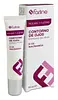
This brightening eye moisturizer is formulated around Arbutin to fade the look of dark spots and brighten dull-looking skin.
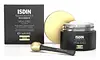
This anti-aging eye moisturizer is formulated around Caffeine and Dipotassium Glycyrrhizate to soften the look of wrinkles.

What's inside
What's inside
 Key Ingredients
Benefits
Concerns
Ingredients Side-by-side
Water
Skin ConditioningBellis Perennis Flower Extract
Skin ConditioningButylene Glycol
Humectant

PPG-3 Benzyl Ether Ethylhexanoate
EmollientTriticum Vulgare Germ Oil
Emollient





Cyclopentasiloxane
Emollient
Moringa Oil/Hydrogenated Moringa Oil Esters
Skin Conditioning
Glyceryl Stearate
Emollient
Cetyl Alcohol
Emollient

Arbutin
Antioxidant




Niacinamide
Smoothing







Jojoba Esters
Emollient
Bisabolol
Antioxidant
Phytonadione Epoxide
AstringentTranexamic Acid
Astringent
Dimethylmethoxy Chromanyl Palmitate
Skin Conditioning
Chondrus Crispus Extract
Skin Conditioning
Lithothamnion Calcareum Extract
Skin ConditioningDimethicone
Emollient
PEG-75 Stearate
Surfactant
PEG-100 Stearate
Surfactant
Cyamopsis Tetragonoloba Gum
Emulsion StabilisingXanthan Gum
EmulsifyingDimethicone/Vinyl Dimethicone Crosspolymer
Skin Conditioning
Phenoxyethanol
Preservative
Ethylhexylglycerin
Skin ConditioningCeteth-20
CleansingSteareth-20
CleansingBHT
Antioxidant
Biosaccharide Gum-2
Skin ConditioningParfum
Masking


Potassium Sorbate
Preservative
Sodium Phosphate
BufferingTocopherol
Antioxidant
Ascorbyl Palmitate
Antioxidant
Water, Bellis Perennis Flower Extract, Butylene Glycol, PPG-3 Benzyl Ether Ethylhexanoate, Triticum Vulgare Germ Oil, Cyclopentasiloxane, Moringa Oil/Hydrogenated Moringa Oil Esters, Glyceryl Stearate, Cetyl Alcohol, Arbutin, Niacinamide, Jojoba Esters, Bisabolol, Phytonadione Epoxide, Tranexamic Acid, Dimethylmethoxy Chromanyl Palmitate, Chondrus Crispus Extract, Lithothamnion Calcareum Extract, Dimethicone, PEG-75 Stearate, PEG-100 Stearate, Cyamopsis Tetragonoloba Gum, Xanthan Gum, Dimethicone/Vinyl Dimethicone Crosspolymer, Phenoxyethanol, Ethylhexylglycerin, Ceteth-20, Steareth-20, BHT, Biosaccharide Gum-2, Parfum, Potassium Sorbate, Sodium Phosphate, Tocopherol, Ascorbyl Palmitate
Water
Skin ConditioningGlycerin
Humectant
Propanediol
Solvent
Dimethicone
Emollient
Dicaprylyl Carbonate
EmollientCaffeine
Skin Conditioning
Butyrospermum Parkii Butter
Skin Conditioning
Maltodextrin
Absorbent
Caprylic/Capric Triglyceride
Masking
Behenyl Alcohol
Emollient
Olus Oil
Emollient
Dipentaerythrityl Hexacaprylate/Hexacaprate
EmulsifyingTridecyl Trimellitate
EmollientCetearyl Alcohol
Emollient
Dipotassium Glycyrrhizate
Humectant
Sodium Polyacrylate
Absorbent
Candelilla Cera
Emollient
Undaria Pinnatifida Extract
Skin ConditioningCetyl Alcohol
Emollient
Glyceryl Stearate
Emollient
Phenylpropanol
Masking
Xanthan Gum
EmulsifyingAmmonium Acryloyldimethyltaurate/Vp Copolymer
Poly C10-30 Alkyl Acrylate
Emulsion StabilisingTocopheryl Acetate
Antioxidant
PEG-75 Stearate
Surfactant
Caprylyl Glycol
Emollient
Tridecyl Stearate
Emollient
Hydroxyethylcellulose
Emulsion StabilisingSodium Hydroxide
BufferingNeopentyl Glycol Dicaprylate/Dicaprate
EmollientCeteth-20
CleansingSteareth-20
CleansingMelatonin
Antioxidant
Parfum
Masking
Caesalpinia Spinosa Fruit Extract
Skin ProtectingCorallina Officinalis Extract
Skin Conditioning
Disodium EDTA
ChelatingPEG-8
HumectantKappaphycus Alvarezii Extract
Skin Conditioning
Potassium Sorbate
Preservative
Tocopherol
Antioxidant
Sodium Benzoate
Masking
Oryza Sativa Extract
Absorbent
Ascorbyl Palmitate
Antioxidant
Citric Acid
Buffering
Ascorbic Acid
Antioxidant
Water, Glycerin, Propanediol, Dimethicone, Dicaprylyl Carbonate, Caffeine, Butyrospermum Parkii Butter, Maltodextrin, Caprylic/Capric Triglyceride, Behenyl Alcohol, Olus Oil, Dipentaerythrityl Hexacaprylate/Hexacaprate, Tridecyl Trimellitate, Cetearyl Alcohol, Dipotassium Glycyrrhizate, Sodium Polyacrylate, Candelilla Cera, Undaria Pinnatifida Extract, Cetyl Alcohol, Glyceryl Stearate, Phenylpropanol, Xanthan Gum, Ammonium Acryloyldimethyltaurate/Vp Copolymer, Poly C10-30 Alkyl Acrylate, Tocopheryl Acetate, PEG-75 Stearate, Caprylyl Glycol, Tridecyl Stearate, Hydroxyethylcellulose, Sodium Hydroxide, Neopentyl Glycol Dicaprylate/Dicaprate, Ceteth-20, Steareth-20, Melatonin, Parfum, Caesalpinia Spinosa Fruit Extract, Corallina Officinalis Extract, Disodium EDTA, PEG-8, Kappaphycus Alvarezii Extract, Potassium Sorbate, Tocopherol, Sodium Benzoate, Oryza Sativa Extract, Ascorbyl Palmitate, Citric Acid, Ascorbic Acid
Ingredients Explained
These ingredients are found in both products.
Ingredients higher up in an ingredient list are typically present in a larger amount.
Ascorbyl Palmitate is a fat-soluble form of vitamin C (Ascorbic Acid) made by combining it with palmitic acid.
It is able to blend easily into creams and oil-based formulas because it dissolves in oils rather than water.
As you may know, regular vitamin C is notorious for breaking down when exposed to sunlight and air. Ascorbyl Palmitate is more stable and degrades at a slower rate.
Research on whether it converts efficiently into active vitamin C once it's applied on your skin is still limited.
Some in-vitro studies suggest it may support collagen production, but it is not considered one of the stronger vitamin C derivatives, like:
Due to the palmitic acid base, this ingredient may not be fungal acne safe. Comedogenic studies have also shown this ingredient to have a rating of 2.
It's also worth keeping in mind that comedogenic and irritancy ratings are tested on individual ingredients, not finished formulas. The final product's formulation, concentration, and other ingredients all play a role in how something actually behaves on your skin.
Learn more about Ascorbyl PalmitateCeteth-20 is a nonionic surfactant that's made by reacting cetyl alcohol with about 20 units of ethylene oxide.
In cosmetics, it is a cleansing agent, emulsifier, and surfactant that helps water + oil mix, forms stable emulsions, and rinses away oil/dirt.
Typical use levels run pretty low: around 0.2-3% in leave on products and 0.04-4% in rinse off products. Some formulations go up to 5% in solid emulsifier blends.
On safety, the Cosmetic Ingredient Review (CIR) panel evaluated the whole Ceteth family and concluded they're safe as used.
Learn more about Ceteth-20Cetyl Alcohol is a fatty alcohol. Fatty Alcohols are most often used as an emollient or to thicken a product.
Its main roles are:
Though it has "alcohol" in the name, it is not related to denatured alcohol or ethyl alcohol.
The FDA allows products labeled "alcohol-free" to have fatty alcohols.
This ingredient may not be fungal acne safe. It is a primary fatty alcohol with a chain length above 12 carbons. A study from 2019 show Malassezia can feed on fatty alcohols in this range, so it may trigger fungal acne in those prone to it.
Learn more about Cetyl AlcoholDimethicone is a type of synthetic silicone created from natural materials such as quartz. It is also known as polydimethylsiloxane.
What it does:
Dimethicone comes in different viscosities:
Depending on the viscosity, dimethicone has different properties.
Ingredients lists don't always show which type is used, so we recommend reaching out to the brand if you have questions about the viscosity.
This ingredient is unlikely to cause irritation because it does not get absorbed into skin. However, people with silicone allergies should be careful about using this ingredient.
Note: Dimethicone may contribute to pilling. This is because it is not oil or water soluble, so pilling may occur when layered with products. When mixed with heavy oils in a formula, the outcome is also quite greasy.
Learn more about DimethiconeGlyceryl Stearate is made by reacting glycerin with stearic acid (typically sourced from plant oils like palm or coconut). It's an emulsifier, emollient, and mild occlusive.
Emulsifiers help ingredients like oil and water stay mixed so your formula stays nicely blended and uniform in texture.
This ingredient is typically used in concentrations between 1-10%. Studies have found it to be non-sensitizing, non-phototoxic, and non-photoallergenic.
A close cousin of this ingredient is Glyceryl Stearate SE ("self-emulsifying"). This just has a small amount of sodium or potassium stearate added so it can emulsify without a co-emulsifier.
Since this ingredient is an ester of a C18 fatty acid, it may not be fungal acne safe. The Malassezia yeast can potentially metabolize within the C11-C24 range.
Fun fact: The human body also creates Glyceryl Stearate naturally.
Learn more about Glyceryl StearateParfum is a catch-all term for an ingredient or more that is used to give a scent to products.
Also called "fragrance", this ingredient can be a blend of hundreds of chemicals or plant oils. This means every product with "fragrance" or "parfum" in the ingredients list is a different mixture.
For instance, Habanolide is a proprietary trade name for a specific aroma chemical. When used as a fragrance ingredient in cosmetics, most aroma chemicals fall under the broad labeling category of “FRAGRANCE” or “PARFUM” according to EU and US regulations.
The term 'parfum' or 'fragrance' is not regulated in many countries. In many cases, it is up to the brand to define this term.
For instance, many brands choose to label themselves as "fragrance-free" because they are not using synthetic fragrances. However, their products may still contain ingredients such as essential oils that are considered a fragrance by INCI standards.
One example is Calendula flower extract. Calendula is an essential oil that still imparts a scent or 'fragrance'.
Depending on the blend, the ingredients in the mixture can cause allergies and sensitivities on the skin. Some ingredients that are known EU allergens include linalool and citronellol.
Parfum can also be used to mask or cover an unpleasant scent.
The bottom line is: not all fragrances/parfum/ingredients are created equally. If you are worried about fragrances, we recommend taking a closer look at an ingredient. And of course, we always recommend speaking with a professional.
Learn more about ParfumPEG-75 Stearate isn't fungal acne safe.
Potassium Sorbate is a preservative used to prevent yeast and mold in products. It is commonly found in both cosmetic and food products.
This ingredient comes from potassium salt derived from sorbic acid. Sorbic acid is a natural antibiotic and effective against fungus.
Both potassium sorbate and sorbic acid can be found in baked goods, cheeses, dried meats, dried fruit, ice cream, pickles, wine, yogurt, and more.
You'll often find this ingredient used with other preservatives.
Learn more about Potassium SorbateSteareth-20 is an emulsifier and solubilizer. It is created from stearyl alcohol with ~20 units of ethylene oxide to give it a strong preference for water.
As an emulsifier, it helps oil-in-water emulsions like lotions, creams, and cleansers stay stable. It also solubilizes small amounts of oil-loving ingredients (like fragrance) into water-based formulas.
You'll likely find this ingredient with steareth-2 (it's oil-loving sister) where the two work together to give products a cushiony feel.
Typical use levels sit at around 1-5% and this ingredient has been found to be non-irritating by the CIR Expert Panel.
Learn more about Steareth-20Tocopherol is a fat-soluble antioxidant known as Vitamin E.
You'll find this ingredient in the vast majority of skincare (for good reason). It works to neutralize free radicals, or unstable molecules generated by UV exposure, pollution, and other environmental stressors, before they can cause oxidative damage to your skin cells.
Topically applied tocopherol has been shown to protect against UV damage by ramping up the skin's own natural defense enzymes.
It also acts as a skin conditioning agent; some studies show that regular topical use can improve the skin's water-binding capacity over 2-4 weeks.
This ingredient is especially loved for being a team player. When combined with Vitamin C, the photoprotective effect of both ingredients roughly doubles and the combo also helps reduce UV-induced DNA damage.
This ingredient has some brightening potential but it's more of a prevention ingredient than spot-fader. Cell studies show it can slow down melanin production but it's worth noting that it's not the most powerful brightener out there.
In formulations, it also serves as a stabilizer that helps protect other oxidation-prone ingredients from degrading.
Concentrations usually range from 0.1-1% in most leave-on products.
Learn more about TocopherolWater. It's the most common cosmetic ingredient of all. You'll usually see it at the top of ingredient lists, meaning that it makes up the largest part of the product.
So why is it so popular? Water most often acts as a solvent - this means that it helps dissolve other ingredients into the formulation.
You'll also recognize water as that liquid we all need to stay alive. If you see this, drink a glass of water. Remember to stay hydrated!
Learn more about WaterXanthan gum is used as a stabilizer and thickener within cosmetic products. It helps give products a sticky, thick feeling - preventing them from being too runny.
On the technical side of things, xanthan gum is a polysaccharide - a combination consisting of multiple sugar molecules bonded together.
Xanthan gum is a pretty common and great ingredient. It is a natural, non-toxic, non-irritating ingredient that is also commonly used in food products.
Learn more about Xanthan Gum

