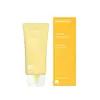
This brightening moisturizer is formulated around Niacinamide and Panthenol to brighten dull-looking skin and strengthen the skin barrier.
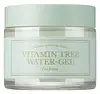
This calming moisturizer is formulated around Niacinamide and Panthenol to calm redness and hydrate skin.

What's inside
What's inside
 Key Ingredients
Benefits
Concerns
Ingredients Side-by-side
Water
Skin ConditioningButylene Glycol
Humectant

Glycerin
Humectant
Niacinamide
Smoothing









Dipentaerythrityl Hexa C5-9 Acid Esters
Skin Conditioning1,2-Hexanediol
Skin Conditioning
Vinyldimethicone

Sodium Polyacryloyldimethyl Taurate
Emulsion StabilisingTitanium Dioxide
Cosmetic Colorant

Cetearyl Olivate


Propanediol
Solvent
Hydrogenated Polydecene
EmollientSorbitan Olivate
Emulsifying
Hydroxyethyl Acrylate/Sodium Acryloyldimethyl Taurate Copolymer
Emulsion StabilisingGlycereth-26
Humectant
Panthenol
Skin Conditioning
Biosaccharide Gum-1
Humectant
Ethylhexylglycerin
Skin ConditioningTrideceth-10
CleansingAdenosine
Skin Conditioning
Triethoxycaprylylsilane
Aluminum Hydroxide
EmollientSorbitan Isostearate
Emulsifying
Hydrolyzed Gardenia Florida Extract
Antioxidant
Hydrolyzed Malt Extract
Skin ConditioningDisodium EDTA
ChelatingHydrolyzed Viola Tricolor Extract
Skin ProtectingHydroxyethylcellulose
Emulsion StabilisingPortulaca Oleracea Extract
Skin Conditioning
Hyaluronic Acid
Humectant
Hydrolyzed Hyaluronic Acid
Humectant
Sodium Hyaluronate
Humectant
Ammonium Polyacryloyldimethyl Taurate
Emulsion StabilisingPyridoxine
Skin ConditioningThiamine Hcl
MaskingAscorbic Acid
Antioxidant
Biotin
AntiseborrhoeicBioflavonoids
Skin ConditioningCarnitine
Cleansing
Folic Acid
Skin ConditioningNiacin
SmoothingRiboflavin
Cosmetic ColorantTocopheryl Acetate
Antioxidant
Water, Butylene Glycol, Glycerin, Niacinamide, Dipentaerythrityl Hexa C5-9 Acid Esters, 1,2-Hexanediol, Vinyldimethicone, Sodium Polyacryloyldimethyl Taurate, Titanium Dioxide, Cetearyl Olivate, Propanediol, Hydrogenated Polydecene, Sorbitan Olivate, Hydroxyethyl Acrylate/Sodium Acryloyldimethyl Taurate Copolymer, Glycereth-26, Panthenol, Biosaccharide Gum-1, Ethylhexylglycerin, Trideceth-10, Adenosine, Triethoxycaprylylsilane, Aluminum Hydroxide, Sorbitan Isostearate, Hydrolyzed Gardenia Florida Extract, Hydrolyzed Malt Extract, Disodium EDTA, Hydrolyzed Viola Tricolor Extract, Hydroxyethylcellulose, Portulaca Oleracea Extract, Hyaluronic Acid, Hydrolyzed Hyaluronic Acid, Sodium Hyaluronate, Ammonium Polyacryloyldimethyl Taurate, Pyridoxine, Thiamine Hcl, Ascorbic Acid, Biotin, Bioflavonoids, Carnitine, Folic Acid, Niacin, Riboflavin, Tocopheryl Acetate
Hippophae Rhamnoides Extract
MaskingGlycerin
Humectant
Butylene Glycol
Humectant
Methylpropanediol
SolventDipropylene Glycol
HumectantWater
Skin ConditioningNiacinamide
Smoothing
1,2-Hexanediol
Skin Conditioning
Cyclopentasiloxane
Emollient
Hippophae Rhamnoides Fruit Extract
Skin Conditioning
Cyclohexasiloxane
Emollient
Sodium Polyacryloyldimethyl Taurate
Emulsion StabilisingBiosaccharide Gum-1
Humectant
Sodium Hyaluronate
Humectant
Panthenol
Skin Conditioning
Dipotassium Glycyrrhizate
Humectant
Hydrogenated Polydecene
EmollientTrideceth-10
CleansingPortulaca Oleracea Extract
Skin Conditioning
Hamamelis Virginiana Extract
Antiseborrhoeic


Chamomilla Recutita Flower Extract
Masking
Saussurea Involucrata Extract
HumectantRubus Chamaemorus Fruit Extract
Antioxidant
Selaginella Lepidophylla Extract
EmollientCarbomer
Emulsion StabilisingArginine
Masking
Allantoin
Skin Conditioning
Bambusa Vulgaris Water
Skin ConditioningNelumbo Nucifera Flower Water
TonicAloe Barbadensis Leaf Water
MaskingPentylene Glycol
Skin Conditioning
Caprylhydroxamic Acid
ChelatingBoswellia Serrata Resin Extract
SmoothingEthylhexylglycerin
Skin Conditioning3-O-Ethyl Ascorbic Acid
Skin Conditioning
Phenoxyethanol
Preservative
Hippophae Rhamnoides Extract, Glycerin, Butylene Glycol, Methylpropanediol, Dipropylene Glycol, Water, Niacinamide, 1,2-Hexanediol, Cyclopentasiloxane, Hippophae Rhamnoides Fruit Extract, Cyclohexasiloxane, Sodium Polyacryloyldimethyl Taurate, Biosaccharide Gum-1, Sodium Hyaluronate, Panthenol, Dipotassium Glycyrrhizate, Hydrogenated Polydecene, Trideceth-10, Portulaca Oleracea Extract, Hamamelis Virginiana Extract, Chamomilla Recutita Flower Extract, Saussurea Involucrata Extract, Rubus Chamaemorus Fruit Extract, Selaginella Lepidophylla Extract, Carbomer, Arginine, Allantoin, Bambusa Vulgaris Water, Nelumbo Nucifera Flower Water, Aloe Barbadensis Leaf Water, Pentylene Glycol, Caprylhydroxamic Acid, Boswellia Serrata Resin Extract, Ethylhexylglycerin, 3-O-Ethyl Ascorbic Acid, Phenoxyethanol
Reviews
Ingredients Explained
These ingredients are found in both products.
Ingredients higher up in an ingredient list are typically present in a larger amount.
1,2-Hexanediol is a synthetic liquid and another multi-functional powerhouse.
It is a:
- Humectant, drawing moisture into the skin
- Emollient, helping to soften skin
- Solvent, dispersing and stabilizing formulas
- Preservative booster, enhancing the antimicrobial activity of other preservatives
Biosaccharide Gum-1 is a sugar created by fermenting sorbitol (which usually comes from potato starch!). It is known for its soothing and moisturizing properties.
Manufacturer tests show this ingredient helped reduce irritation from lactic acid by almost half and kept skin hydrated long-term as a humectant
Beyond hydration, Biosaccharide Gum-1 gives formulas a silky, non-sticky feel.
This ingredient is gentle, versatile, and suitable for all skin types.
Fun fact: Similar sugars can be found naturally in fruits like apples and pears.
Learn more about Biosaccharide Gum-1Butylene Glycol (or BG) is used within cosmetic products for a few different reasons:
Overall, Butylene Glycol is a safe and well-rounded ingredient that works well with other ingredients.
Though this ingredient works well with most skin types, some people with sensitive skin may experience a reaction such as allergic rashes, closed comedones, or itchiness.
Learn more about Butylene GlycolEthylhexylglycerin is created from glycerin. It is a multitasker ingredient that:
The CIR Expert Panel found minimal skin absorption or sensitization of any kind in a safety assessment. Though this ingredient is considered well-tolerated, a small number of cases of allergic dermatitis have been published since 2002. Just be sure to patch test if you are unsure.
Industry-reported use ranges from 8% in rinse-off products and 2% in leave-on formulations.
Learn more about EthylhexylglycerinGlycerin (or glycerol) is a compound naturally found in your skin. It's a powerhouse humectant that pulls water into the stratum corneum.
Topically, glycerin does several things at once:
Your skin makes glycerin on its own (mostly from sebaceous oil breakdown) and shuttles it to your outermost layer of skin, or your epidermis, via aquaporin-3.
Aquaporin-3 is a transporter that is essential for normal skin hydration, elasticity, and repair. Interestingly, mice lacking in AQP3 have dry and less elastic skin that can be fully corrected with glycerin.
This ingredient is non-irritating, plays well with almost every ingredient, and works across all skin types. Typical use is anywhere between 3-10% but can go up to 79% in some leave-on products.
Just know very high concentrations (>40%) can feel tacky in low humidity.
Glycerin is the name for this ingredient in American English. British English uses Glycerol/Glycerine.
Learn more about GlycerinHydrogenated Polydecene is a synthetic emollient. It forms a non-occlusive film on the skin's surface to provide a silky feel without being greasy.
In vivo studies in volunteers with atopic and dry skin showed no irritation or intolerance. The volunteers also saw a positive effect in dryness, scaling, and roughness after 28 days of use.
Concentrations up to 100% in guinea pig tests found it to be non-sensitizing and completely safe for use in cosmetics.
Learn more about Hydrogenated PolydeceneNiacinamide is a multitasking form of vitamin B3 that strengthens the skin barrier, reduces pores and dark spots, regulates oil, and improves signs of aging.
And the best part? It's gentle and well-tolerated by most skin types, including sensitive and reactive skin.
You might have heard of "niacin flush", or the reddening of skin that causes itchiness. Niacinamide has not been found to cause this.
In very rare cases, some individuals may not be able to tolerate niacinamide at all or experience an allergic reaction to it.
If you are experiencing flaking, irritation, and dryness with this ingredient, be sure to double check all your products as this ingredient can be found in all categories of skincare.
When incorporating niacinamide into your routine, look out for concentration amounts. Typically, 5% niacinamide provides benefits such as fading dark spots. However, if you have sensitive skin, it is better to begin with a smaller concentration.
When you apply niacinamide to your skin, your body converts it into nicotinamide adenine dinucleotide (NAD). NAD is an essential coenzyme that is already found in your cells as "fuel" and powers countless biological processes.
In your skin, NAD helps repair cell damage, produce new healthy cells, support collagen production, strengthen the skin barrier, and fight environmental stressors (like UV and pollution).
Our natural NAD levels start to decline with age, leading to slower skin repair, visible aging, and a weaker skin barrier. By providing your skin niacinamide, you're recharging your skin's NAD levels. This leads to stronger, healthier, and younger looking skin.
Another name for vitamin B3 is nicotinamide. This vitamin is water-soluble and our bodies don't store it. We obtain Vitamin B3 from either food or skincare. Meat, fish, wheat, yeast, and leafy greens contain vitamin B3.
The type of niacinamide used in skincare is synthetically created.
Learn more about NiacinamidePanthenol is a common ingredient that helps hydrate and soothe the skin. It is found naturally in our skin and hair.
There are two forms of panthenol: D and L.
D-panthenol is also known as dexpanthenol. Most cosmetics use dexpanthenol or a mixture of D and L-panthenol.
Panthenol is famous due to its ability to go deeper into the skin's layers. Using this ingredient has numerous pros (and no cons):
Like hyaluronic acid, panthenol is a humectant. Humectants are able to bind and hold large amounts of water to keep skin hydrated.
This ingredient works well for wound healing. It works by increasing tissue in the wound and helps close open wounds.
Once oxidized, panthenol converts to pantothenic acid. Panthothenic acid is found in all living cells.
This ingredient is also referred to as pro-vitamin B5.
Learn more about PanthenolThis extract comes from Purslane, a succulent. It has anti-inflammatory, antioxidant, and hydrating properties.
Purslane is very nutritious. It contains omega-3 fatty acids, NMFs, many vitamins, minerals, and antioxidants. The vitamins found in purslane include: Vitamin C, Vitamin A, and Vitamin E.
Fun fact: Purslane is a succulent with an extensive habitat. It is used in traditional Korean medicine to treat irritated skin.
Nowadays, purslane is becoming a superfood due to its highly nutritious content.
Learn more about Portulaca Oleracea ExtractSodium Hyaluronate is the salt form of hyaluronic acid. It is a long sugar chain that is naturally found in your skin, joints, and connective tissue that maintains hydration and elasticity.
In skincare, it works as a humectant. It pulls water from the environment and deeper layers of skin and binds it to the surface.
Interestingly, the size of the molecule affects its behavior:
Some clinical evidence links low molecular weight versions to improved wrinkle depth, elasticity, anti-inflammatory effects, and barrier repair.
Many serums use a blend of both weights so you can get surface hydration plus longer-lasting and deeper effects.
You'll typically see concentrations between 0.1-2% for this ingredient.
Learn more about Sodium HyaluronateThis is a lab-made ingredient that plays a huge role in improving the texture of a formula.
It's used to thicken watery gel-creams, prevent water + oil from separating, and give products a silky, non-greasy glide.
Safety-wise, a panel of independent toxicologists reviewed this ingredient and concluded it to be safe in cosmetics in the present practices of use and concentration.
A separate sensitization patch test on humans also showed no evidence of allergic reactivity, and a true allergy to this ingredient is considered rare.
Typical usage levels range from 0.015%-3% in leave-on products and 0.078%-3.2% in rinse-off products.
Learn more about Sodium Polyacryloyldimethyl TaurateWe don't have a description for Trideceth-10 yet.
Water. It's the most common cosmetic ingredient of all. You'll usually see it at the top of ingredient lists, meaning that it makes up the largest part of the product.
So why is it so popular? Water most often acts as a solvent - this means that it helps dissolve other ingredients into the formulation.
You'll also recognize water as that liquid we all need to stay alive. If you see this, drink a glass of water. Remember to stay hydrated!
Learn more about Water

